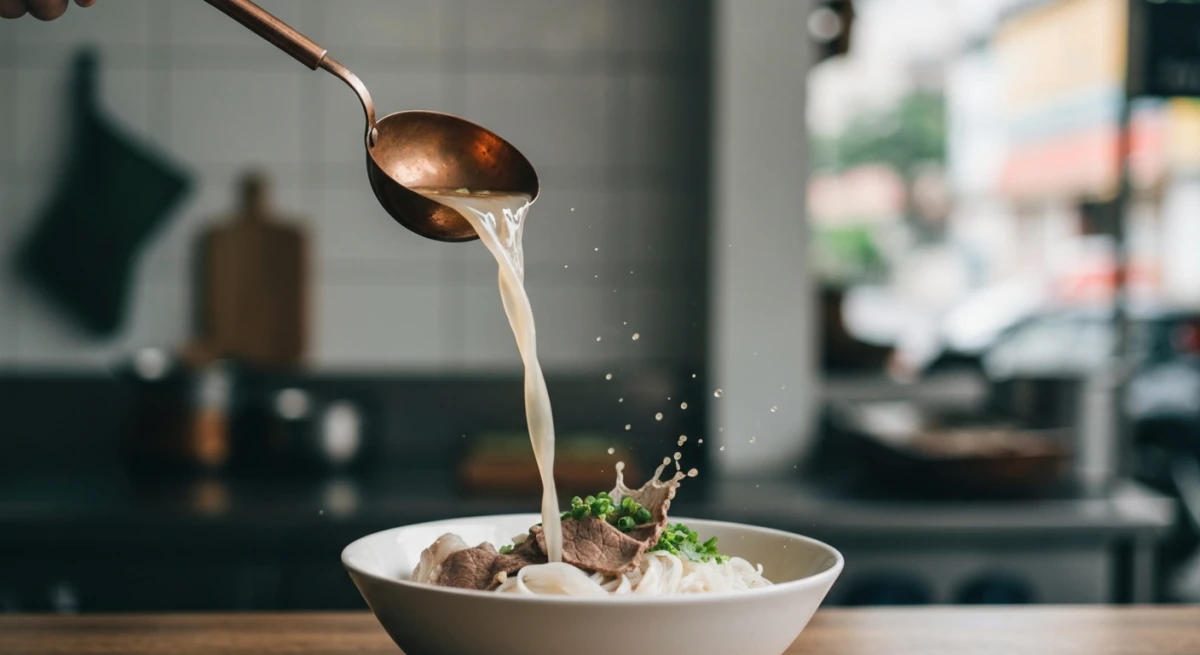
To truly understand Ho Chi Minh City, you must understand how it eats. The southern metropolis is a dizzying, neon-lit canvas of roaring motorbike engines, soaring skyscrapers, and endless labyrinths of narrow alleys. But beneath the chaotic energy lies an ancient, deeply social heartbeat: street food. If you are planning a trip to Southern Vietnam, booking a vietnam food tour saigon is not just a culinary activity—it is an essential passage into the city's living history. Sitting on a miniature plastic stool at the edge of a bustling sidewalk, with a cold local beer in one hand and a bowl of steaming, lemongrass-scented broth in the other, you will experience the genuine warmth of Saigonese hospitality. This comprehensive guide will show you how to navigate Saigon's street food landscape, decide between motorbike and walking tours, master the iconic dishes, explore local districts, and even set out on a self-guided feast of your own.
1. Navigating Saigon’s Culinary Maze: Motorbike vs. Walking Food Tours
When booking a vietnam food tour saigon, one of the first decisions you will make is how to travel. The two dominant styles of food tours in Ho Chi Minh City are motorbike (scooter) tours and walking tours. Each offers a completely different perspective of the city, and choosing the right one depends heavily on your comfort level, sense of adventure, and physical mobility.
The Motorbike Food Tour: The Ultimate Saigonese Adventure
For the vast majority of travelers, a motorbike food tour is the quintessential Ho Chi Minh City experience. Motorcycles are the lifeblood of Saigon; with millions of scooters humming through the streets daily, hopping on the back of one is the fastest way to feel like a true local. On a motorbike tour, you are paired with a professional, licensed driver (often a bilingual university student wearing a company uniform) who navigates the chaotic traffic with Zen-like precision.
The primary advantage of a scooter tour is geographical reach. Because you can zip through traffic and cross bridges quickly, a motorbike tour can take you through multiple distinct districts (such as District 1, 3, 4, and 10) in a single evening. This allows you to taste a wider variety of highly localized dishes that you simply cannot find in tourist-heavy zones. The sheer thrill of cruising past colonial landmarks, neon signs, and dark alleyways under the warm evening breeze is an unforgettable adventure in its own right.
The Walking Food Tour: A Slower, Intimate Culinary Walk
If the thought of navigating Saigon's manic roundabouts on a scooter makes your heart race, a walking food tour is an exceptional alternative. These tours typically focus on a single, high-density residential neighborhood—such as the historic apartment blocks of District 3 or the narrow, interconnected lanes of District 4.
Walking tours allow you to slow down and observe the micro-details of Saigonese life. You can watch local vendors prep ingredients up close, photograph the steaming giant pots, and chat with shop owners. It is a fantastic option for families traveling with small children, older travelers, or anyone who prefers a relaxed, leisurely pace. While you are geographically limited to a smaller radius, a well-curated walking tour still packs a massive culinary punch, moving from savory main courses to side snacks and traditional desserts within a few blocks.
2. Iconic Dishes You Must Experience on a Saigon Food Tour
Southern Vietnamese cuisine is characterized by its bold, vibrant flavor profile—often sweeter, spicier, and more heavily reliant on fresh herbs and coconut milk than the cooler, more delicate dishes of the North. To help you navigate the menus, here are the non-negotiable dishes you must look for on your vietnam food tour saigon.
Cơm Tấm (Broken Rice)
Cơm Tấm is the culinary mascot of Ho Chi Minh City. Historically, this dish was born out of economic necessity. During the rice-milling process, fractured grains of rice were considered inferior and could not be sold on the export market. Farmers and working-class families in the Mekong Delta and Saigon began cooking these broken grains for themselves. To their delight, they discovered that broken rice absorbed marinades and sauces far better than whole grains, resulting in a unique, slightly nutty texture.
Today, Cơm Tấm is a staple eaten at any time of day. A standard plate, Cơm Tấm Sườn Bì Chả, features a fragrant bed of broken rice topped with a caramelized, lemongrass-infused grilled pork chop (sườn), shredded pork skin mixed with toasted rice powder (bì), and a savory steamed pork and egg meatloaf (chả trứng). The entire dish is brought to life with a generous drizzle of scallion oil (mỡ hành) and a sweet, thick, garlic-chili fish sauce that ties the savory, sweet, and smoky elements together in perfect harmony.
Bánh Xèo & Bánh Khọt (Sizzling Pancakes)
The sound of cold batter hitting a scorching hot, oiled pan is where Bánh Xèo gets its name—literally translating to "sizzling cake." While Central Vietnamese eat a smaller, thicker version, Saigon’s Bánh Xèo is massive, thin, and impossibly crispy. The batter is made from rice flour, turmeric powder (which gives it its signature golden hue), and rich coconut milk. It is swirled around an enormous wok, filled with pork belly, shrimp, mung beans, and fresh bean sprouts, then folded in half.
Eating Bánh Xèo is a highly tactile, hands-on experience. Your guide will show you how to tear off a piece of the crispy crepe, place it onto a broad leaf of mustard greens or lettuce, add aromatic herbs like mint, fish mint, and Thai basil, roll it into a tight bundle, and dip it deep into a bowl of sweet-and-sour fish sauce (nước chấm). Beside the giant crepe, you will often find Bánh Khọt. These are bite-sized, dome-shaped pancakes cooked in special cast-iron molds. Crispy on the outside and wonderfully creamy on the inside, they are topped with a single plump shrimp, green onions, and a splash of rich coconut cream, offering a sweet, savory, and luxurious mouthful.
Bò Lá Lốt (Grilled Beef in Betel Leaves)
Few dishes showcase the Vietnamese mastery of charcoal grilling quite like Bò Lá Lốt. This culinary masterpiece features minced beef seasoned with garlic, shallots, lemongrass, five-spice powder, and a touch of soy sauce, which is then rolled tightly inside dark green wild betel leaves (lá lốt). These individual rolls are skewered and grilled slowly over glowing charcoal embers. As the betel leaves heat up, they release a wonderfully aromatic, slightly peppery oil that infuses the beef with an earthy, complex smokiness.
The grilled beef rolls are served with a colorful platter of thin rice vermicelli sheets (bánh hỏi), rice paper, and an array of fresh accoutrements, including starfruit, green banana, cucumber, and wild herbs. To eat it, you lay a sheet of dry rice paper down, layer the vermicelli, herbs, and grilled beef rolls, wrap it up like a spring roll, and dip it in mắm nêm—a robust, fermented anchovy dipping sauce sweetened with crushed pineapple, lime, and chili. The combination of smoky meat, peppery leaf, tart starfruit, and the umami bomb of the dipping sauce is a flavor revelation.
Hủ Tiếu Nam Vang (Cambodian-Chinese Pork Noodle Soup)
While Pho reigns supreme in the north of Vietnam, Hủ Tiếu Nam Vang is the undisputed king of Southern noodle dishes. This dish represents the beautiful historical melting pot of the Mekong Delta region. Originally hailing from Phnom Penh (known as Nam Vang in Vietnamese), the dish was brought to Saigon by Cambodian and Chinese immigrants, who adapted it to local tastes.
Unlike Pho, which relies heavily on warming spices like star anise and cinnamon, the broth of Hủ Tiếu is made by simmering pork bones, dried shrimp, and dried squid for hours to create a clean, deeply savory, and slightly sweet flavor profile. The noodles used are dai—chewy, translucent tapioca noodles that retain their bite in the hot soup. A classic bowl of Hủ Tiếu Nam Vang is packed with toppings: minced pork, thin slices of pork loin, quail eggs, plump shrimp, and sometimes offal like liver or heart. It is served with a mountain of fresh Chinese celery, chives, and lettuce. For the ultimate local experience, order it khô (dry). The noodles are served in a separate bowl coated in a rich, sweet-savory dark soy sauce, accompanied by a bowl of piping hot broth on the side, allowing you to alternate between rich bites and refreshing sips of soup.
Snail and Shellfish Feasts (Ốc)
No trip to Ho Chi Minh City is complete without experiencing ăn ốc (eating snails). This is not merely a meal; it is a foundational pillar of Saigonese social life, closely tied to the culture of nhậu (eating, drinking beer, and socializing late into the night). Street food stalls specializing in ốc offer an astonishing variety of shellfish, from sweet snails (ốc hương) and mud creepers (ốc len) to scallops, clams, and oysters.
The magic lies in the diverse cooking methods and sauces. Snails can be sautéed in a rich, velvety salted egg yolk sauce (hoàng kim), stir-fried with sweet tamarind sauce and fried garlic (xào me), grilled over charcoal with green peppercorns, or steamed in a light broth of lemongrass and chili. A plate of crispy bread (bánh mì) is always ordered alongside to mop up every last drop of the decadent sauces. Sitting at a low table on Vinh Khanh Street, surrounded by the clinking of beer glasses, the laughter of locals, and the intense aromas of garlic and butter, is the pinnacle of the Saigon street food experience.
3. The Neighborhood Food Map: Exploring Saigon’s Districts Like a Local
To truly appreciate a vietnam food tour saigon, you must understand that Ho Chi Minh City is not a monolith. The city is divided into several numbered and named districts, each boasting its own distinct architectural style, history, and culinary personality. If you stick solely to the manicured, tourist-heavy streets of District 1, you will miss the rich, raw, and authentic flavors that define the daily lives of Saigonese residents. Here is a breakdown of the key districts you should explore on your street food journey.
District 1: The Gateway to Street Food
While District 1 is the commercial and tourist heart of the city—home to the Notre-Dame Cathedral, the Central Post Office, and luxury hotels—it also serves as an excellent introduction to street food for beginners. Streets like Cô Giang, Đề Thám, and the area surrounding Chợ Bến Thành (Ben Thanh Market) host long-standing family stalls that have spent decades perfecting classic dishes. While prices here are slightly higher and the atmosphere is slightly more sanitized, the vendors are highly accustomed to international travelers, making it a comfortable, low-stress starting point.
District 3: Historic Alleys and Apartment Living
Just a stone's throw from District 1, District 3 offers a fascinating blend of old colonial French villas, modern office buildings, and dense residential alleyways. The crown jewel of District 3's street food scene is the Nguyễn Thiện Thuật apartment complex. Built in 1968 to rehouse families displaced by war, these weathered, low-rise concrete buildings are now a vibrant, self-contained community. The narrow alleys running between the buildings are packed with family-run food stalls, motorcycle repair shops, and tiny cafes. Here, you can find incredible northern-style pho, southern crispy pancakes, and comforting sweet soups, all served under the watch of drying laundry and hanging birdcages.
District 4: The Snail Kingdom and Former Gangster Territory
Located across the Bến Nghé Canal, District 4 was once infamous as a rough-and-tumble port district ruled by local gangsters. Today, those days are long gone, and District 4 has transformed into one of the safest, most vibrant street food capitals in Southeast Asia. The district is incredibly high-density, with narrow, maze-like alleyways (hẻm) that hide some of the best culinary secrets in Vietnam. Streets like Vĩnh Khánh and Xóm Chiếu are legendary. At night, Vĩnh Khánh Street transforms into a roaring, smoke-filled corridor lined with seafood and snail (ốc) restaurants. The atmosphere here is electric, loud, and utterly unforgettable, with street performers, fire-breathers, and karaoke singers performing right on the road as you eat.
District 10: The Local and Student Stronghold
If you want to escape the tourist trail completely, head to District 10. Home to several universities and dense residential quarters, District 10 is where Saigon's younger, working-class population gathers to eat. Sư Vạn Hạnh Street and Hồ Thị Kỷ Street (which also hosts the city's largest wholesale flower market) are absolute food paradises. Because the target audience here consists of local students, the food is incredibly creative, diverse, and exceptionally cheap. You will find trendy snacks like grilled rice paper (bánh tráng nướng—often called Vietnamese pizza), spicy noodles, and an endless array of sweet dessert shops.
4. The DIY Saigon Street Food Itinerary: How to Eat Your Way Solo
For the independent traveler who prefers the thrill of self-guided exploration, we have mapped out a detailed, four-hour evening street food crawl. This itinerary balances walking through historic neighborhoods with short, easy rides using ride-hailing apps like Grab, taking you through some of the city's most iconic culinary pockets.
4:30 PM: The Golden Hour Sandwich (District 1)
Start your evening at Bánh Mì Hồng Hoa (62 Nguyễn Văn Tráng, District 1) or Bánh Mì Bảy Hổ (19 Huỳnh Khương Ninh, District 1). Bánh Mì Bảy Hổ has been serving Saigon since the 1930s, using a secret recipe passed down through generations. Order a classic bánh mì thịt nguội (cold cuts, house-made pâté, rich mayonnaise, pickled daikon and carrots, cucumber, cilantro, and a fiery slice of bird’s eye chili). The bread is unbelievably light and crispy. Eat your sandwich as you wander through the nearby streets, enjoying the late afternoon light.
5:30 PM: The Apartment Alley Walk (District 3)
Take a quick Grab bike or car ride to the Nguyễn Thiện Thuật Apartments in District 3. Enter the complex from Nguyễn Đình Chiểu Street. Walk slowly through the internal alleys, soaking in the vibrant neighborhood life. Stop at a local stall like Bánh Khọt Cô Ba Vũng Tàu or any roadside stall with a sizzling cast-iron pan. Order a plate of crispy bánh khọt topped with shrimp and scallion oil. Wrap each pancake in fresh herbs, dip it in the sweet fish sauce, and enjoy the rich coconut crunch.
7:00 PM: The Grand Seafood Feast (District 4)
Hop on another short Grab ride across the canal to Vĩnh Khánh Street in District 4. This street truly comes alive after dark. Find a seat on the low plastic stools at a popular spot like Ốc Oanh (534 Vĩnh Khánh). Order a plate of ốc hương xào bơ tỏi (sweet snails stir-fried in a rich garlic butter sauce), nghêu hấp sả (clams steamed with lemongrass and chili), and a plate of grilled pork skewers. Don't forget to order a loaf of warm bánh mì to dip in the garlic butter. Wash it all down with a cold bottle of Saigon Special beer as the chaos of the street unfolds around you.
8:30 PM: Sweet Desserts and Alleyway Coffee (District 1)
To wrap up your night, head back toward District 1 to a hidden alleyway café or a traditional dessert stall. Stop by Chè Mè Đen 149 (149 Nguyễn Thái Bình, District 1) to try a comforting bowl of warm, sweet black sesame soup, cooked to silky perfection. Alternatively, seek out a hidden café in a colonial apartment block, like those on Ton That Dam or Cafe Vy on Le Thanh Ton, to enjoy an evening cà phê sữa đá (iced milk coffee) or a refreshing nước mía (sugarcane juice) as you reflect on your culinary journey.
5. Unspoken Rules of Saigon Street Food: Hygiene, Safety, and Etiquette
Navigating the bustling sidewalks of Ho Chi Minh City can be intimidating for first-time visitors. To ensure your culinary adventure is both safe and enjoyable, keep these essential rules of hygiene, safety, and local etiquette in mind.
How to Avoid "Saigon Belly"
The fear of food poisoning keeps many travelers from exploring street food stalls, but with a few simple guidelines, you can eat with confidence. First, look for high turnover. Stalls that are packed with local families and office workers are constantly cycling through fresh ingredients, meaning your food is cooked to order rather than sitting out. Second, look for specialization. A vendor who only cooks one or two dishes (such as a stall that only serves beef noodle soup) has perfected their supply chain and preparation methods over years, drastically reducing the risk of contamination. Finally, ensure your broth is boiling hot and your meats are cooked thoroughly in front of you.
The Ice and Water Question
Many tourists avoid iced drinks in Vietnam out of fear of contaminated water. However, in Saigon, the vast majority of food stalls and restaurants use commercially manufactured tube ice (đá bi). This ice is made in central purification plants using clean water and is delivered daily in large bags to local businesses. If you see ice that is crushed by hand from large blocks, you may want to skip it, but standard cylindrical tube ice with a hole in the middle is completely safe to consume. To be extra safe, stick to bottled water or hot teas (trà nóng).
Safety on Motorbikes
If you choose to do a vietnam food tour saigon on a motorbike, physical safety is paramount. Saigon's traffic looks like organized chaos, but local drivers navigate it with remarkable fluid coordination. When riding on the back of a scooter, sit comfortably, hold onto the rear grab bar or the driver's waist, and lean gently with the bike as it turns. Crucially, never hold your smartphone, professional camera, or loose handbag out in the open while riding. Drive-by phone and bag snatching by opportunistic thieves can occur, especially in high-traffic tourist areas. Keep your valuables zipped inside a backpack worn on your front, or tucked securely under the scooter's seat.
Street Etiquette
When dining on the sidewalk, you will notice a small plastic waste basket underneath almost every table. Local etiquette dictates that you toss used napkins, lime wedges, chili tops, and toothpick wrappers directly into this basket rather than leaving them on the table. Keeping your table clean is highly appreciated by the busy staff. Additionally, don't be afraid to wave or call out "Em ơi!" (pronounced "em oy") to grab a server's attention—it is the standard, polite way to call a waiter in Vietnam, and is never considered rude.
6. How to Choose the Best Food Tour in Saigon (And Is It Worth It?)
While exploring Saigon's street food on your own is an incredibly rewarding adventure, booking a professional food tour offers an unmatched layer of depth, safety, and convenience. A local guide does not just guide you to the stalls; they act as a cultural translator, explaining the history, ingredients, and customs behind each bite. Here is how to select the perfect tour for your travel style.
Licensing and Insurance Matter
When researching a vietnam food tour saigon, always verify that the operator is legally licensed and registered with the Vietnam National Administration of Tourism. Many informal tours advertised on social media or by hotel staff are run by unlicensed students. While these can be fun, they often lack safety protocols, and in the event of a traffic incident or food-related illness, your travel insurance may not cover you. Reputable, licensed operators (such as XO Tours, Street Food Man, or Saigon Adventure) employ highly trained, safe drivers and have full liability insurance to protect their guests.
Group Sizes and Private Tours
For the best experience, look for companies that cap their group sizes to a maximum of 6 to 8 guests per guide. Large convoys of 15 to 20 motorbikes can be cumbersome, slow to navigate, and make it difficult to have intimate conversations with your guide. If you are traveling as a family, have young children, or are celebrating a special occasion, investing in a private tour is highly recommended. Private tours allow you to set your own pace, customize the menu, and make additional stops along the way.
Catering to Dietary Restrictions
A common misconception is that Vietnamese street food is off-limits to vegetarians, vegans, or those with gluten sensitivities due to the ubiquitous use of fish sauce (nước mắm) and wheat-based soy sauces. However, Saigon has a deeply rooted Buddhist tradition, resulting in an incredible array of chay (vegetarian/vegan) restaurants and street food options. When booking a tour, inform the operator of your dietary needs in advance. High-quality food tour companies can easily tailor their itineraries, substituting pork and shrimp with marinated tofu, mushroom-based broths, and fresh rice-paper rolls filled with fragrant herbs.
What is a Fair Price?
Prices for a premium Saigon food tour typically range from $40 to $80 USD per person. While you can find budget options for around $25 to $30 USD, these often cut corners on food quality, driver safety training, and licensing. A high-quality tour will include all food and drinks (often including unlimited local beer and soft drinks), a private English-speaking driver and guide, high-quality helmets, hotel pick-up and drop-off, and all entrance fees. When you calculate the cost of transportation, the sheer volume of food you will consume, and the invaluable peace of mind, a professional food tour is one of the most cost-effective and memorable experiences you can have in Vietnam.
Frequently Asked Questions (FAQ)
Is a food tour in Saigon safe for solo female travelers? Yes, absolutely. Ho Chi Minh City is generally very safe for solo travelers. Reputable food tour companies prioritize guest safety above all else. If you book a motorbike food tour, you will be paired with a professional, licensed driver who will guide you safely through the city. It is also a fantastic way to meet fellow travelers in a friendly, social setting.
What happens if it rains during my tour? Saigon is famous for its sudden tropical downpours, particularly during the wet season (May to November). Local tour operators are fully prepared for this. They will provide high-quality ponchos, and the tour will proceed as planned. Eating street food under a metal awning while watching the rain fall over the city is actually one of the most atmospheric and authentic Saigonese experiences you can have.
Can children participate in motorbike food tours? Yes, many tour operators welcome families with children. However, age limits and safety equipment vary. Children can usually ride tandem with an experienced driver or sit between an adult and a professional driver. Always contact your tour operator in advance to ensure they have child-sized helmets and experienced drivers comfortable with younger passengers.
Is street food in Saigon hygienic? Yes, Saigon's street food is generally very safe, provided you follow a few basic rules. Look for stalls with high customer turnover, as this ensures the ingredients are fresh and cooked to order. Stick to boiled, fried, or piping hot dishes, and choose vendors who specialize in only one or two signature items.
Should I tip my food tour guide and drivers? Tipping is not mandatory in Vietnam, but it is highly appreciated. If you had an exceptional experience, a tip of 100,000 to 200,000 VND (approx. $4 to $8 USD) for your guide and driver is a wonderful way to show your appreciation for their hard work and hospitality.
Conclusion
Food is the absolute heartbeat of Ho Chi Minh City. By stepping out of the air-conditioned hotel lobby and onto a tiny blue plastic stool on the sidewalk, you are participating in a living, breathing cultural ritual. Whether you book a professional motorbike food tour with a licensed operator or embark on a self-guided stroll through the winding lanes of District 4, you will leave Saigon with a full stomach and a deep appreciation for the warmth of its people. Embrace the chaos, trust your guides, and let your taste buds lead the way.