Introduction
Stepping onto the bustling streets of Saigon, your senses are immediately hijacked by a chaotic symphony: the roar of a thousand motorbikes, the laughter of diners perched on tiny plastic stools, and the irresistible aromas of sizzling meats, aromatic broths, and fresh herbs wafting through the humid air. Exploring ho chi minh local food is not merely a dining option; it is an immersive cultural rite of passage. Unlike the delicate, minimalist flavors of Northern Vietnam, Saigon's food scene is a bold, sweet, and herb-rich melting pot. It is a reflection of its history as a trading hub, blending French, Chinese, Khmer, and regional Vietnamese culinary traditions into a spectacular street-level theater.
To truly understand this iconic metropolis, you have to eat your way through its labyrinthine alleys (hẻm). This comprehensive guide will help you navigate the city's legendary food stalls, hidden alleyways, and iconic neighborhood joints, ensuring you eat exactly like a local.
The Anatomy of Southern Flavors: What Makes Saigon Food Unique
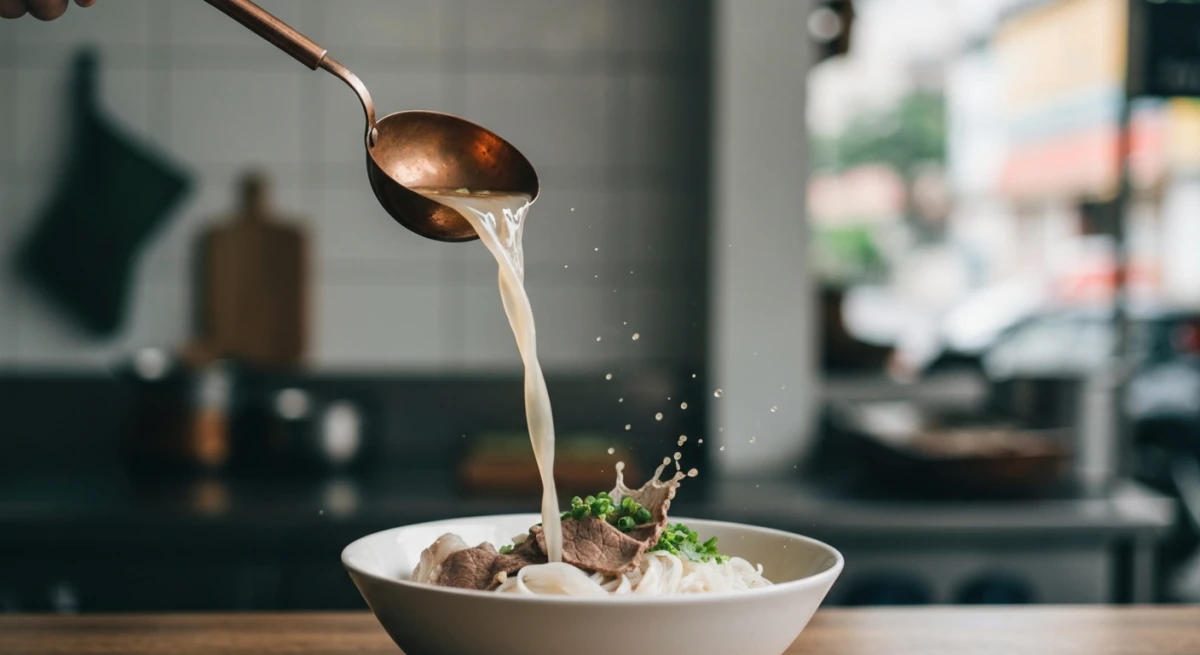
To appreciate ho chi minh local food, one must first understand its DNA. Southern Vietnamese cuisine is characterized by its liberal use of sugar, coconut milk, and fresh herbs. The warm, tropical climate of the Mekong Delta yields an abundance of fresh produce, palm sugar, and seafood, all of which find their way into the Saigonese pot. While a bowl of pho in Hanoi is celebrated for its clean, clear, and minimalist beef broth, Southern-style pho (Phở Nam) is a complex, sweet, and robust affair. It is served with a mountain of fresh herbs—holy basil, saw-tooth herb, and coriander—alongside dark hoisin sauce and chili paste, allowing the diner to customize the bowl to their exact preference.
Furthermore, the city's unique history has deeply shaped its culinary landscape. The Chinese community in District 5 (Cho Lon) introduced incredible noodle-pulling techniques, roasted meats, and herbal stews, while French colonial influence left behind a legacy of crispy baguettes, rich liver pâté, and slow-drip coffee culture. Saigon takes these global influences, tosses them into a hot wok, and serves them up fresh on the sidewalk. This has created a dynamic street food culture where traditional recipes are constantly reinvented.
12 Iconic Ho Chi Minh Local Food Masterpieces (And Where to Find Them)
If you are planning your culinary itinerary, these are the legendary dishes you absolutely cannot miss, complete with the absolute best local spots to try them:
1. Cơm Tấm (Broken Rice with Grilled Pork)
Once considered a humble peasant food made from fractured rice grains left over from the milling process, Cơm Tấm is now the undisputed King of Saigon's culinary landscape. The star of the dish is a thinly sliced pork chop (sườn) marinated in lemongrass, garlic, and fish sauce, then grilled over open charcoal until caramelized and smoky. It is served over a bed of warm broken rice, topped with a fried egg (ốp la), shredded pork skin (bì), a steamed egg-and-pork meatloaf (chả trứng), scallion oil, and a sweet, garlicky fish sauce.
- Where to eat:
- Cơm Tấm Ba Ghiền (84 Dang Van Ngu, Phu Nhuan District) – Famous for its massive, succulent pork chops that completely cover the plate.
- Cơm Tấm Nguyễn Văn Cữ (74 Nguyen Van Cu, District 1) – Premium-priced but widely considered to serve some of the best-marinated pork in the city.
2. Bánh Mì Huỳnh Hoa
While you can find a Bánh Mì on virtually every corner for less than a dollar, the legendary Bánh Mì Huỳnh Hoa is a category of its own. Often dubbed the "Bánh Mì of heavyweights," this sandwich is packed with layers of pork floss, multiple types of Vietnamese ham, headcheese, and roast pork, heavily smeared with their signature rich pâté and creamy homemade mayonnaise. The richness is perfectly cut by a generous handful of pickled daikon, carrots, fresh cucumbers, cilantro, and fiery Thai bird's eye chilies.
- Where to eat:
- Bánh Mì Huỳnh Hoa (26 Le Thi Rieng, District 1) – Expect a queue, but the assembly line is remarkably fast and the sandwich is big enough to share.
- Bánh Mì Grandma Lu (37 Nguyen Trai, District 1) – A fantastic alternative offering rich, classic flavors with excellent homemade pâté.
3. Phở Nam (Southern-Style Beef Noodle Soup)
As mentioned, Southern Pho is sweeter, richer, and far more customizable than its Northern counterpart. The broth is simmered for up to 24 hours with beef bones, charred ginger, onions, and toasted spices like star anise and cinnamon. You will be served a plate piled high with Thai basil, culantro, bean sprouts, and lime, along with saucers for dipping your beef slices in hoisin and Sriracha.
- Where to eat:
- Phở Lệ (302-304 Nguyen Trai, District 5) – A Saigon institution operating since 1970, famed for its deep, sweet broth and tender rare beef (phở tái).
- Phở Minh (63/6 Pasteur, District 1) – Tucked down a quiet alleyway, this Michelin-recognized spot offers a slightly more rustic, historic charm that dates back to the mid-20th century.
4. Hủ Tiếu Nam Vang (Phnom Penh Noodle Soup)
Originally a Cambodian dish, Hủ Tiếu Nam Vang has been thoroughly embraced and adapted by Saigon. It features thin, chewy tapioca noodles served either "dry" (khô) tossed in a savory soy-based sauce, or "wet" in a clear pork bone broth. The toppings are incredibly diverse: ground pork, sliced pork, liver, heart, quail eggs, and fresh shrimp. It is accompanied by a plate of Chinese celery, chives, and lettuce.
- Where to eat:
- Hủ Tiếu Hồng Phát (389-391 Nguyen Trai, District 1) – A legendary multi-generational establishment that elevates this street classic to gourmet heights, complete with Michelin Bib recognition.
5. Bánh Xèo (Sizzling Savory Crepe)
"Xèo" represents the sizzling sound the rice batter makes when poured onto a scorching hot skillet. Southern Bánh Xèo is massive—much larger than the Central Vietnamese version. The batter, colored bright yellow with turmeric and rich with coconut milk, is fried until thin and incredibly crispy. It is filled with pork belly, shrimp, mung beans, and bean sprouts. To eat it, tear off a piece of the crispy crepe, wrap it inside a large mustard leaf along with fresh herbs, roll it up, and plunge it into a light, sweet chili fish sauce.
- Where to eat:
- Bánh Xèo Ba Hai (119 Le Van Linh, District 4) – A beloved local favorite offering an authentically crispy, non-greasy crepe with an abundance of fresh greens.
6. Bún Thịt Nướng (Cold Rice Noodles with Grilled Pork & Spring Rolls)
The ultimate refreshing lunch dish for a hot Saigon afternoon. This bowl combines cool rice vermicelli noodles, shredded lettuce, cucumber, bean sprouts, and herbs, topped with charcoal-grilled pork, crispy fried spring rolls (chả giò), crushed peanuts, and scallion oil. You pour a generous amount of sweet, chili-flecked fish sauce over the entire bowl and mix it up.
- Where to eat:
- Bún Thịt Nướng Hằng (27 Yersin, District 1) – Famous for its perfectly seasoned pork and incredibly crispy spring rolls, loved by local office workers.
- Bún Thịt Nướng Nguyễn Trung Trực (District 1) – Pull up a tiny purple stool on the pavement and enjoy this classic among crowds of hungry locals.
7. Bò Lá Lốt (Grilled Beef in Betel Leaves)
Minced beef seasoned with garlic, shallots, and spices, wrapped tightly in wild betel leaves (lá lốt) and grilled over charcoal. The heat releases the aromatic essential oils of the leaves, imparting a unique smokiness to the juicy beef. It is typically served with rice paper, rice vermicelli sheets (bánh hỏi), an array of green herbs, sliced green bananas, starfruit, and a pungent fermented pineapple dipping sauce (mắm nêm).
- Where to eat:
- Quán Ăn Cô Liêng (321 Vo Van Tan, District 3) – Famed for serving juicy, perfectly charred Bò Lá Lốt wrapped in fresh, high-quality leaves. Featured extensively on local culinary programs.
8. Ốc (Street Snails and Shellfish)
Eating snails (ăn ốc) is more than just a meal—it is a social phenomenon. Groups of friends gather late into the night over metal tables covered in plates of various shellfish, clams, and sea snails cooked in incredibly flavorful sauces. Popular preparations include snails sautéed in sweet coconut milk, stir-fried with salt and chili, or drenched in garlic butter.
- Where to eat:
- Vĩnh Khánh Street (District 4) – This entire street transforms into an open-air seafood extravaganza every night. Check out Ốc Oanh or Ốc Thảo for an energetic, local vibe.
9. Bánh Tráng Trộn (Mixed Rice Paper Salad)
The ultimate Saigon street food snack, beloved by students and office workers alike. Strips of dry rice paper are tossed in a plastic bag with green mango, beef jerky, dried shrimp, quail eggs, fresh herbs, peanuts, fried shallots, chili oil, and a sour tamarind or kumquat dressing. The rice paper softens slightly, absorbing all the tangy, sweet, spicy, and savory flavors.
- Where to eat:
- Around Hồ Con Rùa (Turtle Lake, District 3) – Grab a bag of Bánh Tráng Trộn from a mobile vendor and sit by the lake to watch the city go by in the evening.
10. Bột Chiên (Pan-Fried Rice Cakes)
A popular late-night snack of Chinese origin. Cubes of dense, chewy taro or rice flour cakes are pan-fried in a flat iron skillet until the exterior is crispy and golden. Eggs are cracked directly over the cakes to bind them together, topped with a mountain of chopped green onions. It is served with a sweet, tangy soy sauce and a side of crunchy pickled green papaya.
- Where to eat:
- Bột Chiên Đạt Thành (277 Vo Van Tan, District 3) – A long-running local spot known for its perfectly crispy-yet-chewy cakes.
11. Bò Kho (Rich Beef Stew)
A deeply aromatic, comforting stew featuring tender chunks of beef brisket, tendon, and carrots simmered in a rich broth spiced with lemongrass, star anise, cinnamon, and five-spice powder. It can be ordered with a warm, crispy French baguette (bánh mì) for dipping, or poured over flat rice noodles (hủ tiếu).
- Where to eat:
- Bò Kho Gánh (029 Lo H, Su Van Hanh Street, District 10) – A legendary spot serving rich, velvety beef stew that hits the spot on a rainy afternoon.
12. Phá Lấu (Offal Stew in Coconut Milk)
For the adventurous foodie, Phá Lấu is an absolute must. This unique stew is made from various beef or pork offal (stomach, intestines, tripe) slowly simmered in a rich, sweet, and mildly spicy coconut milk broth flavored with five-spice powder. It is served in small bowls with a side of crispy bread or instant noodles, accompanied by a sweet-and-sour tamarind dipping sauce.
- Where to eat:
- Phá Lấu Phụng Khánh (242/33 Nguyen Thien Thuat, District 3) – Hidden deep within a local residential alley, this spot serves incredibly clean, tender, and flavorful Phá Lấu.
Navigating Saigon’s Culinary Districts: A Street Food Safari
While you can find excellent restaurants throughout the city, the real magic of ho chi minh local food lies in exploring different neighborhoods, each with its own distinct culinary personality:
- District 1 (The Heritage Core): Don't let the shiny skyscrapers fool you; District 1 contains dozens of historical alleyways packed with decades-old food vendors. Explore Alley 150 Nguyen Trai or Alley 242 Nguyen Cong Tru for high-quality, easily accessible local dishes like Bún Riêu (crab noodle soup) and Cơm Tấm.
- District 3 (The Youth and Cafe Hub): Famed for its tree-lined streets and university student culture, District 3 is the place for cheap, trendy snacks. Alley 76 Hai Ba Trung is a legendary street food alley where you can feast on everything from fresh spring rolls to sweet soups for just a couple of dollars.
- District 4 (The Street Food Mecca): Historically a rugged port area, District 4 is now a paradise for food lovers. Head straight to Vĩnh Khánh Street at night for the city’s best seafood, snails, and lively "drinking street" culture. For daytime eats, wander the bustling market alleys of Xóm Chiếu.
- District 5 (Chinatown / Chợ Lớn): The epicenter of Chinese-Vietnamese fusion. Head here to experience hand-pulled noodles, roasted duck, herbal desserts (sâm bổ lượng), and classic dim sum from vendors who have kept their family recipes alive for generations.
The Art of Vietnamese Drinking Culture: Coffee, Craft Beer, and Nhậu
You cannot fully experience the culinary lifestyle of Ho Chi Minh City without understanding how the locals drink. First and foremost is the city's legendary coffee culture. Saigon runs on Cà Phê Sữa Đá—intense, dark-roasted Robusta coffee dripped through a metal filter (phin) directly over a thick layer of sweetened condensed milk, then poured over crushed ice. It is sweet, incredibly strong, and highly addictive. For a modern twist, seek out Cà Phê Cốt Dừa (coconut coffee), a luxurious blend of iced black coffee topped with a sweet, creamy coconut milk slushy.
When the sun goes down, the coffee cups are replaced with bottles of cold beer. The local term for socializing over drinks and food is Nhậu. If a local invites you to go "nhậu," expect a long, lively evening of cold beers, shared plates of grilled meats, seafood, and a chorus of "Một, Hai, Ba, Dô!" (One, Two, Three, Cheers!). For craft beer lovers, Saigon is also the undisputed capital of the Southeast Asian craft beer revolution, with exceptional local breweries like Pasteur Street Brewing Co. and Heart of Darkness showcasing local ingredients like jasmine, passionfruit, and lemongrass in their brews.
Essential Tips for Dining Safely and Respectfully in Ho Chi Minh City
Eating street food in Saigon can be intimidating for beginners, but a few simple rules of thumb will keep your stomach happy and your experience unforgettable:
- Follow the Crowds: If a stall is packed with locals shouting orders, it's a guaranteed sign that the food is not only delicious but also fresh. High turnover means the ingredients aren't sitting around.
- Embrace the Plastic Stool: The closer you are to the ground, the better the food usually is. Don't let humble setups deter you; some of Saigon's most highly-rated culinary institutions consist of nothing more than a cart and ten plastic stools on the pavement.
- Watch the Water: Ice in major cities like Ho Chi Minh City is generally safe, as it's made in commercial factories. Look for tubular ice with holes in the middle, which indicates purified, factory-made ice.
- Sanitize Your Utensils: Grab a lime wedge or a tissue from the table dispenser and wipe down your chopsticks and spoons before diving in. It's a standard practice even among locals.
- Keep Your Belongings Secure: While street dining is incredibly fun, always keep an eye on your phone and wallet, especially near busy roads where passing motorbikes might target loose items.
Frequently Asked Questions About Ho Chi Minh Local Food
Q: Is Ho Chi Minh street food safe to eat?
A: Yes, absolutely! Street food in Saigon is generally safe and incredibly fresh. To minimize risks, eat at busy stalls with high local turnover, choose cooked-to-order hot dishes, and use hand sanitizer before eating.
Q: What is the difference between Northern and Southern Vietnamese food?
A: Northern food (Hanoi style) is subtle, balanced, and relies heavily on black pepper and pure, savory broths. Southern food (Saigon style) is bolder, sweeter, and uses a lot of coconut milk, chili, sugar, and fresh aromatic herbs.
Q: How much does local food in Ho Chi Minh City cost?
A: Street food is incredibly affordable. A typical street dish like a Bánh Mì or a bowl of Phở will cost between 25,000 VND and 60,000 VND ($1.00 to $2.50 USD). Premium sit-down local restaurants may charge 80,000 VND to 150,000 VND ($3.20 to $6.00 USD).
Q: When is the best time of day to go out for street food in Saigon?
A: Street food is a 24-hour affair here. Morning (6:00 AM - 9:00 AM) is best for Pho, Com Tam, and breakfast noodles. Afternoon (1:00 PM - 4:00 PM) is perfect for quick snacks like Banh Trang Tron or Bot Chien. Evening (from 6:00 PM onwards) is when the vibrant snail (Ốc) stalls and BBQ streets truly come alive.
Conclusion
Ho Chi Minh City is a culinary playground that rewards the curious and the brave. By stepping away from tourist traps and pulling up a tiny plastic stool on a noisy sidewalk, you unlock the true soul of Saigon. Every steaming bowl of Pho, every crispy bite of Banh Mi, and every ice-cold Ca Phe Sua Da tells a story of cultural resilience, regional pride, and sheer culinary genius. So throw away the calorie counter, download a ride-hailing app, and dive headfirst into the unforgettable sensory explosion that is ho chi minh local food. Your taste buds will thank you.