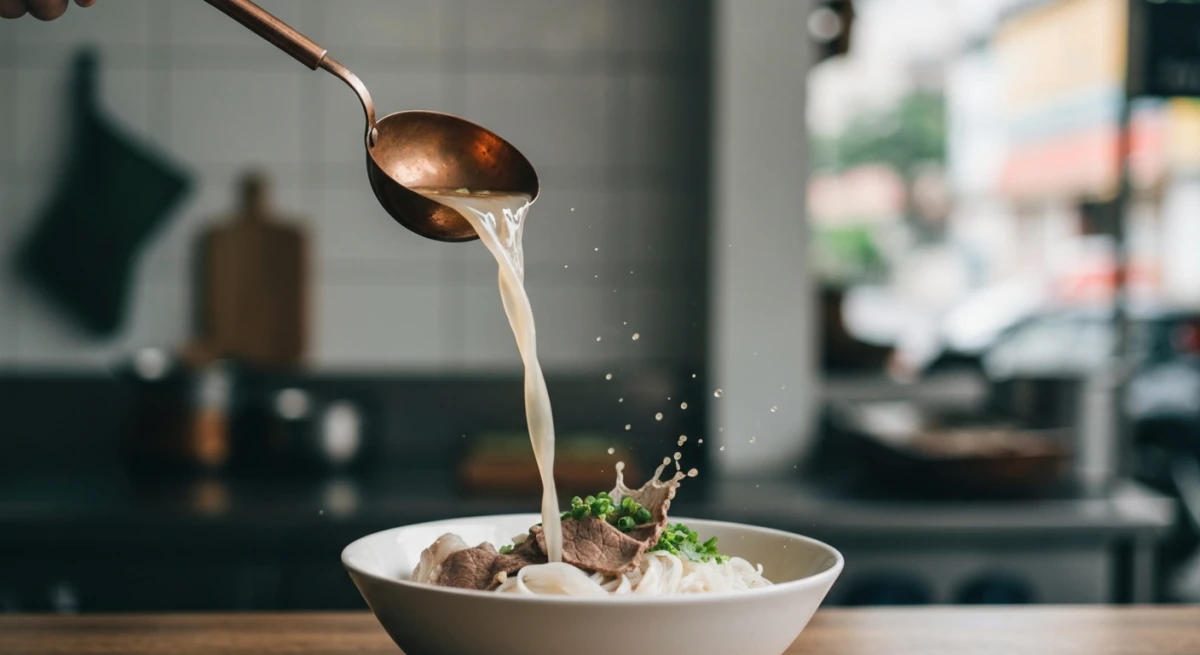
If there is one city in Southeast Asia that lives, breathes, and communicates through eating, it is Saigon. For travelers arriving in Vietnam’s energetic southern hub, navigating the culinary landscape is the ultimate sensory adventure. Finding the best ho chi minh must try food is not merely about ticking items off a tourist checklist; it is an immersive journey into the complex history, cultural fusions, and geographical abundance of the Mekong Delta.
Unlike Hanoi’s more reserved, subtle, and traditional palate, Ho Chi Minh City’s food scene is a wild, unapologetic explosion of flavors. Here, the dishes are sweeter, the herb platters are more abundant, the chilies pack a fiercer punch, and the culinary influences of French colonizers, Chinese merchants, and Cambodian neighbors are proudly cooked into every bowl. Whether you are balancing on a tiny plastic stool on a crowded sidewalk in District 4 or dining in a sleek, modern fusion restaurant in District 1, Saigon's food is unforgettable. This comprehensive guide will walk you through the absolute essentials—the legendary classics, the tactile wraps, the deep-dive southern noodle soups, and the secret street food rituals that most tourists miss. Here is your ultimate blueprint to eating like a local in Ho Chi Minh City.
1. The Soul of Saigon: Legendary Icons of Southern Vietnamese Cuisine
To understand the gastronomic DNA of Ho Chi Minh City, you must start with the dishes that fuel the city from dawn until the early hours of the morning. These three heavyweights are found on nearly every street corner, yet finding the absolute best iterations requires knowing where the locals go.
Cơm Tấm (Broken Rice): The Unofficial Anthem of Saigon
If Hanoi is defined by Pho, Saigon is undeniably powered by Cơm Tấm. Historically, this was a humble dish eaten by poor farmers who used "broken rice"—the fractured, unsellable grains left over after the milling process. Because the grains are smaller, they absorb moisture differently, resulting in a unique, slightly dry, and fluffy texture that pairs perfectly with rich meats.
Today, Cơm Tấm is a beloved culinary masterpiece enjoyed by every class of society. The classic plate, Cơm Tấm Sườn Bì Chả, consists of several essential components: sườn nướng (a pork chop marinated in lemongrass, garlic, and honey, then grilled over charcoal until caramelized and smoky), bì (thinly shredded pork skin and pork meat tossed in toasted, finely ground rice powder), and chả trứng (a steamed savory egg loaf made with minced pork, wood ear mushrooms, and glass noodles). It is served with mỡ hành (scallion oil) drizzled over the rice, along with pickled vegetables and an essential sweet, garlic-and-chili-fused fish sauce poured generously over the entire plate.
Where to experience it:
- Cơm Tấm Ba Ghiền (Phú Nhuận District): A Michelin-recognized institution famous for its massive, sweet-and-smoky charcoal-grilled pork chops.
- Cơm Tấm Nguyễn Văn Cừ (District 5): More expensive than average, but famous for serving incredibly tender, high-quality thick-cut pork chops.
Phở Nam: The Bold Southern Twist on a National Classic
Many travelers do not realize that Vietnam has a deep culinary divide between the North and the South, and Pho is the ultimate battleground. Northern Pho (Phở Bắc) is minimalistic, highlighting a clear, delicate, savory broth with wide noodles and very few toppings. Southern Pho (Phở Nam), which is what you will encounter as a primary ho chi minh must try food, is a completely different beast.
Southern Pho features a sweeter, deeply spiced broth made from beef bones simmered for up to 24 hours with charred ginger, onions, cinnamon, star anise, cloves, coriander seeds, and cardamom. The noodles are thinner and have more bite. Crucially, Phở Nam is served with an absolute mountain of fresh herbs: Thai basil, sawtooth herb, rice paddy herb, and raw bean sprouts. Locals also mix hoisin sauce and sriracha-style chili sauce directly into the broth or use them as a dipping sauce for the beef.
Where to experience it:
- Phở Lệ (District 5 & District 3): Famed for its rich, slightly sweet, and incredibly flavorful broth. The beef balls (bò viên) here are legendary for their bouncy, springy texture.
- Phở Hòa Pasteur (District 3): One of the oldest and most iconic Pho restaurants in Saigon. Plates of herbs, lime wedges, and quay (fried dough sticks) crowd the stainless steel tables.
Bánh Mì Showdown: The French-Vietnamese Masterpiece
No visit to Saigon is complete without biting into a freshly baked Bánh Mì. Born from French colonial rule, Vietnamese bakers adapted the traditional French baguette by adding rice flour to the wheat dough. This clever modification yielded a bread that is incredibly light, airy, and has an ultra-crispy, paper-thin crust that shatters upon impact.
In Saigon, a classic Bánh Mì Thịt (pork baguette) is a masterclass in contrasting textures and flavors. Inside the crusty exterior lies a spread of rich liver pâté, Vietnamese mayonnaise-style egg butter, a variety of cold cuts (including chả lụa/Vietnamese ham, headcheese, and cured pork loin), pickled carrots and daikon, fresh cucumber strips, cilantro, and a dash of fiery bird's eye chili.
Where to experience it:
- Bánh Mì Huỳnh Hoa (District 1): The heavy, heavily hyped heavyweight. Stuffed to the brim with multiple layers of meat and pâté, it is easily large enough for two people to share.
- Bánh Mì Bảy Hổ (District 1): A humble street cart operating for over 80 years. Their home-recipe pâté is steamed and served warm, offering a rich, comforting flavor profile.
2. Wrapped, Rolled, and Sizzling: Saigon’s Tactile Eats
Some of the best culinary experiences in Ho Chi Minh City require you to get your hands dirty. In southern Vietnam, meals are frequently interactive affairs involving fresh rice paper, leafy greens, and aromatic herbs.
Bánh Xèo & Bánh Khọt: Sizzling Herb-Wrapped Delights
Bánh Xèo translates literally to "sizzling cake," named after the dramatic sound the rice batter makes when poured onto a scorching hot, oiled skillet. While central Vietnam produces small, taco-sized Bánh Xèo, the southern style is massive—resembling a giant, golden crepe. The batter is made of rice flour, water, and coconut milk, colored bright yellow with turmeric powder. It is fried until paper-thin and incredibly crispy, then filled with pork belly, small shrimp, mung beans, and fresh bean sprouts. Its close cousin, Bánh Khọt, uses a similar coconut-rice batter but is cooked in small, dimpled cast-iron pans. These bite-sized savory pancakes are topped with a single shrimp, a brush of scallion oil, and a dusting of dried shrimp powder.
How to eat them like a local: Do not use a fork or chopsticks to eat these directly. Instead, tear off a piece of the crispy pancake. Take a large, slightly bitter mustard green leaf or a lettuce leaf as your base. Layer in herbs like mint, fish mint, and sweet basil. Place the piece of Bánh Xèo or Bánh Khọt in the center, roll it up tightly like a rustic spring roll, dip it deeply into the sweet-and-sour fish sauce, and take a bite. The contrast of the hot, greasy pancake with the cold, peppery herbs is sublime.
Where to experience it:
- Bánh Xèo Đinh Công Tráng (District 1): Tucked away down a narrow alleyway, this legendary spot has been serving crispy, massive southern-style Bánh Xèo for decades.
- Bánh Xèo Ăn Là Ghiền (District 3): A spacious, comfortable restaurant specializing in giant pancakes with various fillings, including mushroom options for vegetarians.
Bún Thịt Nướng: The Ultimate Lunch Bowl
If you want a meal that is refreshing yet incredibly filling on a humid Saigon afternoon, Bún Thịt Nướng is your answer. It is a harmonious dry noodle dish that combines multiple textures in a single bowl. At its base are cold rice vermicelli noodles, topped with warm, charcoal-grilled lemongrass pork, crispy deep-fried spring rolls filled with pork and wood ear mushrooms, a heap of shredded lettuce, cucumber, fresh herbs, crunchy bean sprouts, pickled vegetables, a spoonful of scallion oil, and a generous sprinkle of crushed roasted peanuts. To eat, you pour sweet-and-sour fish sauce over the entire bowl, toss it thoroughly like a salad, and enjoy.
Where to experience it:
- Bún Thịt Nướng Chị Tuyền (District 1): Famous for using tender, thick cuts of grilled pork and adding grilled beef wrapped in wild betel leaves (bò lá lốt) as an optional topper. Their spring rolls are exceptionally crispy.
Bò Lá Lốt: Grilled Beef in Wild Betel Leaves
Walking down a street where Bò Lá Lốt is being grilled is a sensory overload. The aroma of beef fat dripping onto hot charcoal through charred betel leaves is one of Saigon’s most intoxicating scents. To make this dish, ground beef is mixed with garlic, shallots, lemongrass, and five-spice powder, then rolled tightly inside dark green piper lolot (wild betel) leaves. These finger-sized rolls are skewered and grilled over charcoal until the leaves are charred and the beef inside is juicy and fragrant.
Bò Lá Lốt is served as an assembly kit: you receive the skewers along with thin sheets of dry rice paper, rice vermicelli, cucumber slices, green bananas, star fruit, and fresh herbs. You wrap the beef and toppings into the rice paper and dip it into mắm nêm—a pungent, fermented anchovy sauce blended with pineapple, chili, and lime.
Where to experience it:
- Bò Lá Lốt Thanh Vy (District 6): Worth the trek outside the city center for an authentic, bustling local dining experience where skewers are grilled in massive quantities on the street front.
- Bò Lá Lốt Cô Giang (District 1): Highly accessible and consistently delicious, perfect for travelers wanting to try this specialty without traveling far.
3. Bowls of Comfort: Noodle Soups You Can't Miss
While Pho gets all the global attention, Ho Chi Minh City is a paradise for diverse, regional noodle soups. Thanks to decades of migration from rural provinces and neighboring countries, Saigon’s noodle landscape is staggeringly diverse.
Hủ Tiếu Nam Vang: The Phnom Penh Connection
This noodle soup is a beautiful testament to Saigon’s multicultural history. "Nam Vang" is the Vietnamese word for Phnom Penh, the capital of Cambodia. The dish was brought to Saigon by Chinese-Cambodian immigrants and adapted to suit local tastes. The defining feature of Hủ Tiếu Nam Vang is its broth, which is sweet and savory, brewed from pork bones, dried shrimp, dried squid, and daikon. The bowl is loaded with toppings: ground pork, sliced pork loin, quail eggs, plump shrimp, pork liver, and sometimes pork heart. It is finished with a heavy hand of fried garlic, shallots, and fresh chives.
The Local Choice: Dry vs. Wet You can order Hủ Tiếu Nam Vang in two ways: "nước" (soup) or "khô" (dry). The dry version is highly recommended. The chewy tapioca noodles are tossed in a dark, sweet, and savory soy-tamarind sauce, served in a dry bowl topped with the meats. The hot, fragrant broth is served in a separate small bowl on the side, allowing you to alternate between eating the intensely flavored noodles and sipping the clean soup.
Where to experience it:
- Hủ Tiếu Nhân Quán (Multiple Locations): A highly popular local chain known for consistent quality, rich broth, and incredibly fresh seafood toppings.
- Hủ Tiếu Thanh Xuân (District 1): Operating since 1946, this historic alleyway spot is famous for its unique crab sauce drizzled over the dry version of the noodles.
Bún Mắm: The Bold, Fermented Soul of the Mekong Delta
Bún Mắm is not for the faint of heart, but for adventurous foodies, it represents the absolute pinnacle of southern Vietnamese flavor. Originating in the Mekong Delta, this noodle soup features a murky, deep-brown broth flavored with fermented mud carp or gourami fish paste. While the aroma of the boiling broth is pungent and intensely fishy, the taste is surprisingly balanced, mellowed out by simmering with lemongrass, garlic, chilies, and sweet pineapple. The soup is served with thick, round rice noodles and loaded with heavy toppings: crispy-skinned roasted pork belly, fresh shrimp, squid, tender chunks of eggplant, and steamed fish cakes. It is accompanied by a platter of unique water-growing vegetables and wild herbs, including banana blossoms, water spinach, sesbania flowers, and bitter herbs.
Where to experience it:
- Bún Mắm Vy Dạ (District 1): A great entry point for tourists. The broth is clean, incredibly flavorful, and perfectly balanced without being overly aggressive for newcomers.
- Bún Mắm Phan Bội Châu (District 1): Located directly opposite the East Gate of Bến Thành Market, this busy street stall serves a phenomenally rich and satisfying bowl of Bún Mắm.
Bún Riêu: Crab and Tomato Noodle Soup
Bún Riêu is a vibrant, rustic noodle soup characterized by its striking red broth, sweet-and-sour flavor profile, and fluffy freshwater crab cakes. The broth gets its red color and tangy flavor from stewed tomatoes, tamarind, and a touch of shrimp paste. The star of the dish is the riêu—a delicate, soufflé-like mixture of freshwater crab meat, minced pork, and eggs. The bowl is also packed with fried tofu puffs, blocks of congealed pig's blood, pork knuckles, and a bouncy pork sausage. It is served with thin, round rice noodles and a side of shredded banana flower, water spinach, and fresh herbs.
Where to experience it:
- Bún Riêu Gánh Bến Thành (District 1): Having operated as a simple sidewalk stall for over 40 years before moving into a brick-and-mortar shop nearby, this restaurant serves a slightly sweet, highly polished version of the dish.
Thúy 94 Cũ: The Ultimate Crab Vermicelli Pilgrimage
For a truly unique noodle experience that doesn't involve broth, head to Thúy 94 Cũ in District 1. This iconic, bustling restaurant specializes entirely in crab dishes. Their signature dish is Miến Xào Cua (stir-fried glass noodles with crab). Unlike standard noodle joints, Thúy 94 Cũ does not skimp on ingredients. They toss chewy, translucent glass vermicelli in high-heat woks with garlic, scallions, and an extraordinarily generous mountain of fresh, sweet, flaky white crab meat. It is simple, fragrant, and deeply satisfying. Pair it with their legendary crispy-fried crab spring rolls (nem cua bể) for the ultimate crab feast.
4. The Nocturnal Street Food Culture: Snails, Beer, and Phá Lấu
As the sun sets and the oppressive daytime heat subsides, Ho Chi Minh City undergoes a magical transformation. The streets come alive with bright fluorescent lights, plastic tables spill onto the sidewalks, and the sound of clinking beer glasses echoes through the night. To experience Saigon’s evening culture, you must participate in two local rituals: eating snails and sharing offal stew.
The Art of Eating "Ốc" (Snails and Shellfish)
In Saigon, "ăn ốc" (eating snails) is not just about consuming food; it is a vital social ritual. It is the ultimate way to wind down with friends, drink ice-cold Saigon beer, and chat late into the night. Do not let the word "snail" intimidate you; an Ốc stall serves a dizzying variety of fresh ocean snails, clams, cockles, scallops, and crabs. The real magic lies in the diverse preparation methods. When you order, you select your seafood and then choose how you want it cooked. Some of the most popular preparation styles include xào bơ tỏi (stir-fried in a rich, decadent garlic butter sauce—always order a loaf of Bánh Mì to mop up the leftover butter!), rang me (sautéed in a thick, tangy, and sweet tamarind sauce, topped with crushed peanuts), and sốt trứng muối (cooked in a creamy, savory, and rich salted egg yolk sauce).
Must-try varieties:
- Ốc Hương (Sweet Snail): Sweet, firm meat that pairs beautifully with salted egg yolk sauce.
- Sò Huyết (Blood Cockles): Quickly blanched or stir-fried with garlic. They are sweet, metallic, and incredibly nutritious.
- Ốc Móng Tay (Razor Clams): Long, tender clams that are perfect when stir-fried with water spinach and garlic butter.
Where to experience it:
- Vĩnh Khánh Street (District 4): The undisputed epicentre of Saigon’s street-side snail culture. This vibrant, chaotic street is lined with dozens of competing Ốc stalls. It is noisy, smoky, energetic, and absolutely essential for any foodie.
- Ốc Đào (District 1): Tucked away in a quiet alley, this is a highly famous and slightly more organized spot that serves exceptionally fresh shellfish with bold, spicy sauces.
Phá Lấu: The Comforting Offal Stew
Phá Lấu is a beloved street food, particularly popular among students and late-night workers. Of Chinese origin, this dish is a comforting stew made from pork or beef offal—including tripe, small intestines, stomach, and lungs. The offal is meticulously cleaned, marinated in five-spice powder, and slow-simmered in a rich, coconut-milk-based broth colored orange with annatto seed. The result is surprisingly tender meat without any gamey flavor, bathed in a sweet, savory, creamy, and mildly spicy broth. Phá Lấu is served piping hot in small ceramic bowls, accompanied by a crispy, warm baguette (Bánh Mì) or instant ramen noodles (Mì Phá Lấu). It is always served with a side of sweet, tangy, and spicy kumquat-chili dipping sauce (nước mắm tắc) which cuts through the rich, creamy stew perfectly.
Where to experience it:
- Phá Lấu Cô Thảo (District 4): Located near the snail stalls on Vĩnh Khánh street, this humble spot serves some of the most tender, deeply flavored Phá Lấu in the city.
5. Pro Tips for Street Food Survival and Etiquette in Saigon
For first-time visitors, diving into the chaotic street food scene of Ho Chi Minh City can feel intimidating. However, with a few basic tips, you can eat safely, confidently, and like a seasoned local.
1. High Turnover is Your Best Friend
When choosing a street food stall, look for places crowded with locals. A high volume of customers means food is prepared fresh and ingredients are moving quickly, minimizing the risk of stomach issues. If a stall looks empty and the food has been sitting out, move on to the next one.
2. The Truth About Ice (Đá)
Many travelers avoid ice in Southeast Asia out of fear of waterborne bacteria. In Ho Chi Minh City, almost all ice used in restaurants and street stalls is commercially manufactured in clean factories. Look for ice that is in uniform, cylindrical shapes with a hole running through the center. This indicates safe, purified commercial ice. Avoid crushed, irregular blocks of ice, which are more likely to have been handled poorly.
3. Wipe Your Utensils
It is common local practice to wipe down your chopsticks and spoons with a paper napkin before eating. Many street stalls will have fresh limes on the table; squeezing a bit of lime juice onto a napkin and using it to sanitize your chopsticks is an excellent, natural hygiene habit.
4. Embrace the Floor Etiquette
At street food stalls, do not be surprised to see napkins, lime wedges, and food scraps thrown directly onto the floor beneath the tables. In Vietnamese street food culture, the floor is cleaned up at the end of the night or periodically by staff. Keeping the small table clean is the priority, so throwing waste on the ground is normal. Do not let it shock you!
5. Cash is King
While upscale restaurants and cafes in Districts 1 and 3 accept international credit cards, the vast majority of street food vendors, noodle stalls, and local markets operate strictly on cash. Always carry small denominations (10,000 VND, 20,000 VND, and 50,000 VND notes) to make transactions smooth and easy.
6. Frequently Asked Questions (FAQs)
What is the single most famous food in Ho Chi Minh City?
While Pho is the national dish of Vietnam, the single most famous food unique to Ho Chi Minh City's daily culture is Cơm Tấm (Broken Rice). It is eaten for breakfast, lunch, and dinner, and represents the humble, hardworking spirit of the southern metropolis.
Is street food in Ho Chi Minh City safe to eat?
Yes, street food in Saigon is generally very safe and highly hygienic compared to many other developing cities. Because most street food is cooked to order on high-heat grills or in boiling cauldrons of broth, bacteria is quickly neutralized. Stick to busy stalls, practice basic hygiene, and use commercial ice.
What is the main difference between Northern and Southern Vietnamese food?
Southern Vietnamese cuisine (found in Ho Chi Minh City) is sweeter, bolder, and more vibrant than Northern food. Southern cooking heavily utilizes coconut milk, sugar, lemongrass, and fresh herbs, resulting in rich, complex flavors. Northern food is more delicate, balanced, and pepper-forward, emphasizing simplicity.
How much does a typical street food meal cost in Saigon?
Street food in Ho Chi Minh City is incredibly affordable. A standard bowl of noodle soup, a plate of Cơm Tấm, or a fresh Bánh Mì will typically cost between 30,000 VND and 80,000 VND (approximately $1.20 to $3.50 USD). Even a massive feast of fresh snails and seafood for two people rarely exceeds 300,000 VND ($12 USD).
What is the best street for street food in Ho Chi Minh City?
Vĩnh Khánh Street in District 4 is widely considered the ultimate street food destination, famous for its energetic atmosphere and dozens of seafood and snail (Ốc) stalls. Other fantastic food streets include Cô Giang Street in District 1 and the bustling Chợ Bàn Cờ (Ban Co Market) alleyways in District 3.
Conclusion
Ho Chi Minh City is a culinary playground that rewards the curious and the brave. Behind every narrow alleyway and beneath every humble awning lies a story told through simmering broths, smoky grills, and fresh herbs. By stepping outside of your comfort zone, sitting on a low plastic stool, and diving into the vibrant world of ho chi minh must try food, you will discover the true beating heart of Saigon. Pack your appetite, leave your culinary hesitations behind, and let the streets of Saigon feed your soul.