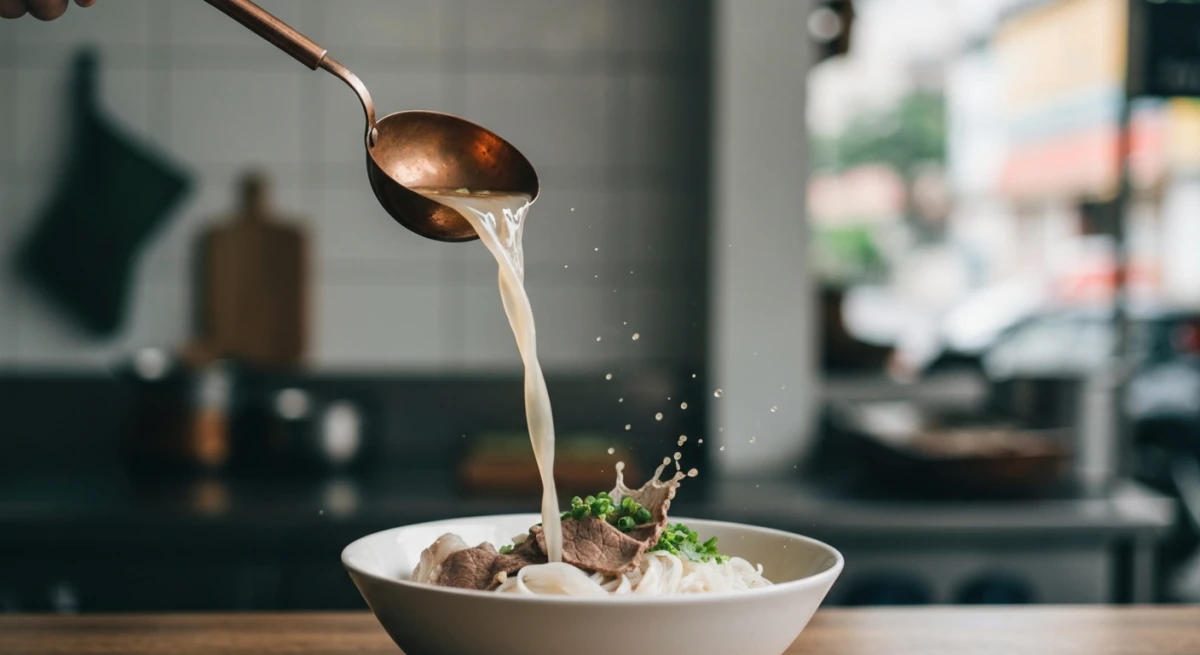
Ho Chi Minh City, colloquially known as Saigon, is a sensory overload of sights, sounds, and above all, smells. It is a city that never stops moving, and more importantly, never stops eating. From the smoky incense of street-side charcoal grills to the aromatic steam rising from decades-old soup pots, Saigon's food culture is an incredibly vibrant tapestry. The city acts as a culinary melting pot, blending traditional southern agricultural abundance with bold flavors brought by migrants from northern and central provinces, all laced with historic French and Chinese influences. If you are preparing to visit this dazzling metropolis, this ultimate ho chi minh must eat guide is your definitive blueprint to navigating the lanes, alleys, and bustling markets like a local.
Unlike other travel guides that merely steer you toward the most heavily marketed tourist stalls, this deep dive explores the authentic flavors, historical backgrounds, and secret locations that local Saigonese cherish. Let's embark on a comprehensive culinary journey to discover the dishes that define the soul of Saigon.
1. The Legendary Staples: Saigon's Defining Culinary Classics
To understand the flavor profile of Southern Vietnam, you must start with the everyday masterpieces. These four dishes are not just meals; they are cultural institutions that fuel millions of locals from sunrise to well past midnight.
Cơm Tấm (Broken Rice)
Cơm Tấm is the quintessential dish of Ho Chi Minh City. Originally a humble peasant meal, it was created by resource-poor farmers who utilized the broken rice grains (gạo tấm) fractured during the milling process—grains that could not be sold commercially. Today, what was once poverty food has become Saigon's beloved signature comfort dish.
A classic plate of Cơm Tấm is an exquisite lesson in culinary balance. The base of dry, nutty broken rice is crowned with a sweet-savory marinated sườn nướng (charcoal-grilled pork chop), bì (chewy, thinly shredded pork skin tossed in toasted rice powder), and chả trứng (a savory steamed egg and pork meatloaf packed with wood ear mushrooms and glass noodles). The plate is then drizzled with a generous spoonful of sweet-savory fish sauce (nước mắm) and finished with mỡ hành (fragrant scallion oil) and a side of pickled daikon and carrots to cut through the richness.
- Where to eat: Cơm Tấm Ba Ghiền (84 Đặng Văn Ngữ, Phú Nhuận District). This legendary, Michelin-recognized open-air joint is world-famous for its massive, thick-cut pork chops marinated in a secret recipe that caramelizes beautifully over glowing embers.
- Alternative History Spot: Cơm Tấm Đại Hàn / Đỗ Phủ (13A Đặng Dung, District 1). Come for the perfectly grilled pork ribs and stay for the historic connection; this location operated as a secret storage hideout for Viet Cong agents during the war.
Bánh Mì Saigon
While you can find bánh mì across Vietnam, the Saigon version is uniquely decadent. In the north, bánh mì tends to be minimalist, focusing on high-quality pâté and butter. In Saigon, it is an over-the-top, multi-layered sandwich packed to the gills with ingredients.
A proper Saigon bánh mì features a spectacularly airy, ultra-crispy baguette (often lightened with rice flour). It is slathered with rich, house-made mayonnaise (butter) and savory, mineral-rich pork liver pâté. Next comes a layer of cold cuts, including chả lụa (Vietnamese pork ham), head cheese, jambon, and savory roast pork. The heavy proteins are brilliantly balanced by fresh cucumber spears, cilantro sprigs, raw scallions, pickled vegetables, and a fiery kick of fresh bird's eye chilies, all tied together with a splash of savory maggi seasoning.
- The Indulgent Champion: Bánh Mì Huỳnh Hoa (26-32 Lê Thị Riêng, District 1). Often referred to as the heavyweight champ of bánh mì, this shop is famous for stuffing an obscene amount of cold cuts (up to 13 layers!) and an incredibly rich, creamy layer of pâté into each loaf. It is massive, rich, and easily enough for two people.
- The Street-Style Charcoal Legend: Bánh Mì 37 Nguyễn Trãi (37 Nguyễn Trãi, District 1). For a completely different style, seek out this humble street cart. They serve freshly toasted baguettes stuffed with smoky, charcoal-grilled pork patties drenched in a sticky, sweet-savory glaze. The aroma of caramelized pork fat on charcoal will guide you right to the queue.
Phở Nam (Southern-Style Pho)
Phở is Vietnam's national dish, but the version served in the south is vastly different from its northern ancestor. While northern phở is defined by a clear, minimalist broth focused purely on clean beef flavor, Southern Phở (Phở Nam) is a bold, sweet, and complex affair.
The southern broth is heavily spiced with roasted star anise, cinnamon, cloves, black cardamom, and coriander seeds, cooked down with charred onions and ginger to create a deeply sweet, robust liquid. It is served with thin, delicate rice noodles and a choice of beef cuts—ranging from rare beef slices (tái) and tender brisket (chin) to bouncy beef meatballs (bò viên). What truly sets the southern experience apart is the interactive mountain of fresh table herbs: Thai basil, culantro (ngò gai), rice paddy herb (rau ôm), fresh lime, and bird's eye chilies. Locals also squeeze sweet, dark hoisin sauce (tương đen) and spicy chili sauce (tương ớt) directly into a dipping bowl to accompany the meats.
- Where to eat: Phở Lệ (413-415 Nguyễn Trãi, District 5). Known for its exceptionally rich, sweet broth and high-quality beef cuts, Phở Lệ is a bustling multi-generational neighborhood favorite.
- Where to eat: Phở Hòa Pasteur (260C Pasteur, District 3). One of the oldest and most famous pho restaurants in Saigon, serving generous portions alongside plates of quẩy (fried dough sticks) on a historic street associated with the dish's local evolution.
Cà Phê Sữa Đá (Vietnamese Iced Milk Coffee)
While not a food dish, no ho chi minh must eat list is complete without mentioning the city's liquid fuel. Saigon runs on caffeine, and the iconic preparation method involves dark-roasted Robusta beans brewed through a slow-dripping metal filter (phin) directly over a thick layer of sweetened condensed milk. Stirred vigorously and poured over crushed ice, it is a sweet, intensely strong beverage with chocolatey notes.
- Where to experience it: Cheo Leo Cafe (109/36 Nguyễn Thiện Thuật, District 3). Operating continuously since 1938, Cheo Leo is the oldest active coffee shop in Saigon. The sisters running the shop still brew their coffee using the historical racket or sock filter method (cà phê vợt), boiling the water in clay pots over a charcoal stove. Sitting on a plastic stool in this narrow alleyway, sipping a rich cup of iced coffee, is a transcendent Saigon experience.
2. Deep-Alley Street Food: Smoky Grills and Seafood Feasts
To truly understand the culinary heartbeat of Ho Chi Minh City, you must step off the main boulevards and venture into the hẻm (alleys). This is where the smoke rises and the real culinary magic happens.
Bò Lá Lốt (Grilled Beef in Wild Betel Leaves)
If you ask seasoned expats or food critics to name their single favorite street food in Saigon, an overwhelming number will point to Bò Lá Lốt. This dish consists of minced beef seasoned with lemongrass, garlic, shallots, and five-spice powder, rolled like tight cigars inside dark green wild betel leaves (lá lốt).
These rolls are brushed with oil and grilled over open charcoal. As the betel leaves char, they release an incredibly aromatic, slightly medicinal, herbaceous fragrance that infuses the juicy beef inside. To eat it, you take a sheet of dry rice paper, lay down a leaf of lettuce, pile on a mountain of fresh herbs (including fish mint and perilla), add rice vermicelli (bún), sour green bananas, and starfruit, place a freshly grilled beef roll inside, roll it up like a spring roll, and dip it into mắm nêm—a pungent, sweet, and intensely flavorful fermented pineapple-anchovy sauce.
- Where to eat: Cô Liêng (321 Võ Văn Tần, District 3). This Michelin Bib Gourmand restaurant serves a spectacular plate of Bò Lá Lốt alongside bánh hỏi (woven vermicelli bundles). The smoky aroma coming from their sidewalk grill is completely irresistible.
Ốc (Saigon's Legendary Snails & Shellfish Culture)
In Saigon, eating snails (ăn ốc) is a verb, a social ritual, and a vital subculture. It is the ultimate form of nhậu (drinking and eating with friends on the street). It does not just refer to garden snails; the term covers a massive variety of fresh and saltwater bivalves, crabs, periwinkles, sweet snails, mud creepers, and clams.
The magic of a Saigon snail stall lies in the diverse preparation styles. Snails can be stir-fried in rich garlic butter (xào tỏi), simmered in a sweet and sour tamarind sauce (xào me), grilled over charcoal with green peppercorns (nướng tiêu), or steamed with spicy lemongrass and ginger. Paired with crusty baguettes to mop up the savory sauces and washed down with ice-cold local beers, an evening at an ốc stall is an absolute must.
- Where to eat: Ốc Đào (212B/D48 Nguyễn Trãi, District 1). Tucked deep down a maze of alleyways in District 1, this massive, chaotic, and incredibly popular eatery is famous for its impeccable freshness and bold, fiery seasonings. Try the ốc hương xào trứng muối (sweet snails stir-fried in a rich, velvety salted egg yolk sauce).
- Alternative Snail Paradise: Vĩnh Khánh Street in District 4. As night falls, this entire street transforms into a smoky, neon-lit outdoor seafood theater, lined with dozens of competing snail stalls.
Hủ Tiếu Nam Vang (The Cambodian-Chinese Noodle King)
While Pho dominates international headlines, Hủ Tiếu Nam Vang is arguably the most beloved breakfast and late-night noodle dish among actual Saigonese. This dish reflects the multicultural history of the Mekong Delta; Nam Vang is the Vietnamese word for Phnom Penh, the capital of Cambodia, and the dish represents a Cambodian-Chinese noodle style popularized in Saigon.
The pork-based broth is incredibly clear, sweet, and savory, simmered for hours with pork bones, dried squid, and daikon. The noodles used are uniquely chewy tapioca noodles (hủ tiếu dai). A standard bowl is loaded with a treasure trove of toppings: minced pork, tender pork slices, quail eggs, plump shrimp, pork liver, and heart, all garnished with golden fried garlic, shallots, and fresh garlic chives. It can be ordered wet (with the broth poured over the noodles) or dry (hủ tiếu khô), where the noodles are tossed in a sweet, savory soy-based glaze and served with the hot broth in a separate bowl on the side.
- Where to eat: Hủ Tiếu Nhân Quán (122D Cách Mạng Tháng 8, District 3). This popular local chain is famous for serving a consistently flawless bowl of dry Hủ Tiếu Nam Vang with incredibly fresh ingredients and a rich, savory dipping soup.
3. Savory Crepes and Midnight Snacks: The Late-Night Saigon Scene
When the tropical heat of the day dissipates, Saigon's streets truly come alive. These late-night snacks are perfect for refueling after a long day of exploring.
Bánh Xèo (Southern-Style Crispy Sizzling Crepe)
Unlike the smaller, softer versions of bánh xèo found in Central Vietnam, the Southern-style Bánh Xèo is a giant, spectacular golden dome of crispiness. The name translates literally to sizzling cake, referencing the loud hiss when the thin rice flour batter hits a scorching-hot, oiled wok.
The batter is colored yellow with ground turmeric and enriched with creamy coconut milk. It is swirled around a giant wok and filled with thin slices of pork belly, whole shrimp, mung beans, and a handful of fresh bean sprouts. To eat this colossal crepe, you tear off a piece of the crispy edge, wrap it inside a giant, peppery mustard green leaf along with a mix of fresh herbs, roll it up, and dip it into a sweet, tangy fish sauce (nước mắm chua ngọt).
- Where to eat: Bánh Xèo 46A (46A Đinh Công Tráng, District 1). Located in a charming alleyway right next to the famous Pink Church (Tan Dinh Church), this historic spot has been frying up massive, thin, and exceptionally crispy bánh xèo over charcoal-fired woks for decades. It is a legendary stop for food lovers worldwide.
Bánh Tráng Nướng (Vietnamese Street Pizza)
If you walk around Turtle Lake (Hồ Con Rùa) or any university district in Saigon after dusk, you will see crowds of teenagers sitting on low plastic stools around small charcoal grills. They are waiting for Bánh Tráng Nướng, affectionately dubbed Vietnamese street pizza.
This modern street snack starts with a thin sheet of dry rice paper placed directly over a charcoal grill. The vendor quickly paints the surface with liquid butter, cracks a tiny quail egg directly onto it, and scatters a mix of minced pork, green scallion oil, dried shrimp, and sweet chili sauce. The ingredients are spread evenly across the rice paper as it toasts and crisps up over the fire. It is finished with a drizzle of sweet chili sauce and creamy mayonnaise, folded in half, wrapped in scrap paper, and handed to you piping hot. It is crunchy, sweet, salty, and incredibly satisfying.
- Where to eat: Walk around the perimeter of Turtle Lake (Hồ Con Rùa, District 3) in the evening. The area is lined with mobile carts grilling these delicious snacks fresh to order.
4. The Saigon Dining Playbook: How to Eat Like a Local
Eating in Ho Chi Minh City is as much about the environment and etiquette as it is about the food. To maximize your experience and eat with confidence, follow these local street food rules:
- Embrace the Blue Plastic Chair: In Saigon, the quality of the food is often inversely proportional to the height of the chairs. Do not be intimidated by tiny, knee-high plastic stools on the sidewalk. These are the front-row seats to the city's best culinary theaters.
- Look for Specialization and Crowds: The best street food vendors do not have fifty-page menus. They do one thing, and they have spent decades perfecting it. Look for stalls that serve only one or two dishes, and always look for places packed with locals—high turnover guarantees fresh ingredients.
- The Hygiene Protocol: Street food in Saigon is generally very safe because of high customer turnover. However, you can practice basic local hygiene by using the lime wedges provided on the table to wipe down your chopsticks and metal spoons before eating.
- Keep Cash Handy: Almost all street food stalls and alley vendors operate strictly on cash (Vietnamese Đồng). Keep small denominations (10,000 to 50,000 VND) handy, as vendors may struggle to make change for a 500,000 VND note.
- Explore Beyond District 1: While District 1 has some fantastic historical spots, the true culinary heart of Saigon beats in the residential districts. Venture into District 3 for charming alley cafes, District 4 for seafood and snails, and Phú Nhuận or Tân Bình for authentic, highly affordable neighborhood eateries.
Frequently Asked Questions
What is the absolute most famous food in Ho Chi Minh City?
While Pho is the national dish, Cơm Tấm (Broken Rice) is widely considered the ultimate culinary symbol of Ho Chi Minh City. It is a southern original that represents the resourcefulness, history, and flavor preferences of the Saigonese people.
Is street food in Saigon safe to eat for tourists?
Yes, street food in Saigon is highly safe, provided you follow a few simple guidelines. Always eat at busy stalls with a high turnover of local customers, as this ensures that the food is freshly cooked and has not been sitting out. Avoid drinking tap water, but ice served in busy local restaurants is generally safe as it is commercially produced from purified water.
What is the difference between northern pho and southern pho?
Northern pho is defined by its simplicity, offering a clear, minimalist beef broth, wider noodles, and minimal garnishes. Southern pho (served in Saigon) has a sweeter, more heavily spiced broth, thinner noodles, and is served with a large platter of fresh table herbs, lime, fresh chilies, and hoisin and chili dipping sauces.
Where can I find the best vegetarian food in Ho Chi Minh City?
Saigon has an incredible Buddhist vegetarian (Ăn Chay) culture. You can find highly creative, delicious plant-based versions of classic street foods (like vegetarian phở or bánh mì) at dedicated vegetarian restaurants, often indicated by signs reading Quán Chay. A highly recommended spot is Hum Vegetarian in District 3 for an upscale dining experience, or any humble street-side Cơm Chay stall for budget-friendly local meals.
Conclusion
Ho Chi Minh City is a paradise for adventurous eaters. It is a city where food is not merely sustenance, but a shared passion, a topic of endless debate, and a way of life. By stepping out of your comfort zone, pulling up a tiny plastic stool on a smoky sidewalk, and ordering from a local master who has spent decades perfecting a single dish, you will unlock the true soul of Saigon. Use this ho chi minh must eat guide to steer your appetite through the alleys of this culinary metropolis, and prepare to have your taste buds forever changed.