Ho Chi Minh City, still fondly referred to as Saigon by those who walk its lively streets, is a culinary wonderland where every alleyway holds a secret and every street corner tells a story. For travelers and food enthusiasts searching for ho chi minh nice food, the city offers an unparalleled spectrum of dining experiences. From humble plastic stools on a buzzing sidewalk to sleek, Michelin-starred establishments, Saigon's food scene is as diverse as it is dynamic. In this ultimate guide, we reveal 17 of the absolute best spots to experience the rich tapestry of southern Vietnamese flavors.
Whether you are a first-time visitor wanting to understand the local palate or a seasoned traveler looking for modern culinary innovations, this guide will take you on a detailed journey through the city's districts to find the most satisfying, delicious, and unforgettable meals. Grab your chopsticks and prepare to eat your way through Saigon.
1. The Undisputed Street Legends: Must-Try Local Masterpieces
To truly appreciate Ho Chi Minh nice food, you must start with the iconic street food dishes that have put this city on the global culinary map. These are the historic, decades-old establishments that have perfected single recipes over generations.
Cơm Tấm (Broken Rice) - The Soul of Southern Comfort
To understand the culinary DNA of Saigon, you must start with a plate of Cơm Tấm. Originally considered a peasant's dish because it was made from fractured rice grains that were unsellable, broken rice has transformed into the definitive comfort food of the city. The broken grains have a unique, slightly dry texture that perfectly absorbs the sweet, savory juices of the star ingredient: marinated, charcoal-grilled pork chops (sườn nướng).
A complete plate of Cơm Tấm typically includes a piece of chả trứng (a savory steamed egg, pork, and wood-ear mushroom meatloaf), bì (thinly shredded pork skin tossed in toasted rice powder), a fried egg with a runny yolk, and pickled carrots and daikon. The entire ensemble is drizzled with a generous spoonful of sweetened fish sauce (nước mắm pha) heavily laced with chili and garlic.
- Quán Cơm Tấm Hồng Calmette (Calmette Street, District 1): Located right in the heart of the city, this local favorite is famous for its expertly marinated pork chops that are grilled to order. The meat remains incredibly juicy, boasting a beautiful mahogany glaze and a deeply caramelized edge.
- Cơm Tấm Ba Ghiền (Dang Van Ngu Street, Phu Nhuan District): For a truly legendary and monstrous portion, take a short taxi ride to this local institution. Their pork chops are massive, smoky, and packed with aromatic lemongrass and garlic notes. It is continuously rated as one of the best representations of broken rice in the city.
Bánh Mì - The Ultimate French-Vietnamese Fusion
The Bánh Mì is a masterclass in culinary balance. Inherited from French colonial rule and perfected by Vietnamese ingenuity, this crispy baguette is sliced open and stuffed with rich, savory layers of pork liver pâté, egg-yolk mayonnaise, various Vietnamese cold cuts, fresh cucumber slices, cilantro, and a vibrant heap of crunchy pickled vegetables. A dash of Maggi seasoning and fresh chili slices ties the entire sandwich together.
- Bánh Mì Huỳnh Hoa (Le Thi Rieng Street, District 1): This is the absolute heavy hitter of the Saigon Bánh Mì scene, often referred to as the "monster" baguette. Packed with nearly a dozen layers of cold cuts, rich pâté, and pork floss, a single sandwich is so dense it can easily feed two people. Be prepared for a crowd, as both locals and tourists line up here daily.
- Bánh Mì Hồng Hoa (Nguyen Van Trang Street, District 1): If you prefer a lighter, more balanced sandwich where the crispy, airy baguette takes center stage, Hong Hoa is your go-to. The ratio of savory, rich pâté to crisp, refreshing pickled vegetables is absolutely flawless, making it an ideal breakfast or afternoon snack.
Southern-Style Phở - A Richer, Herb-Packed Bowl
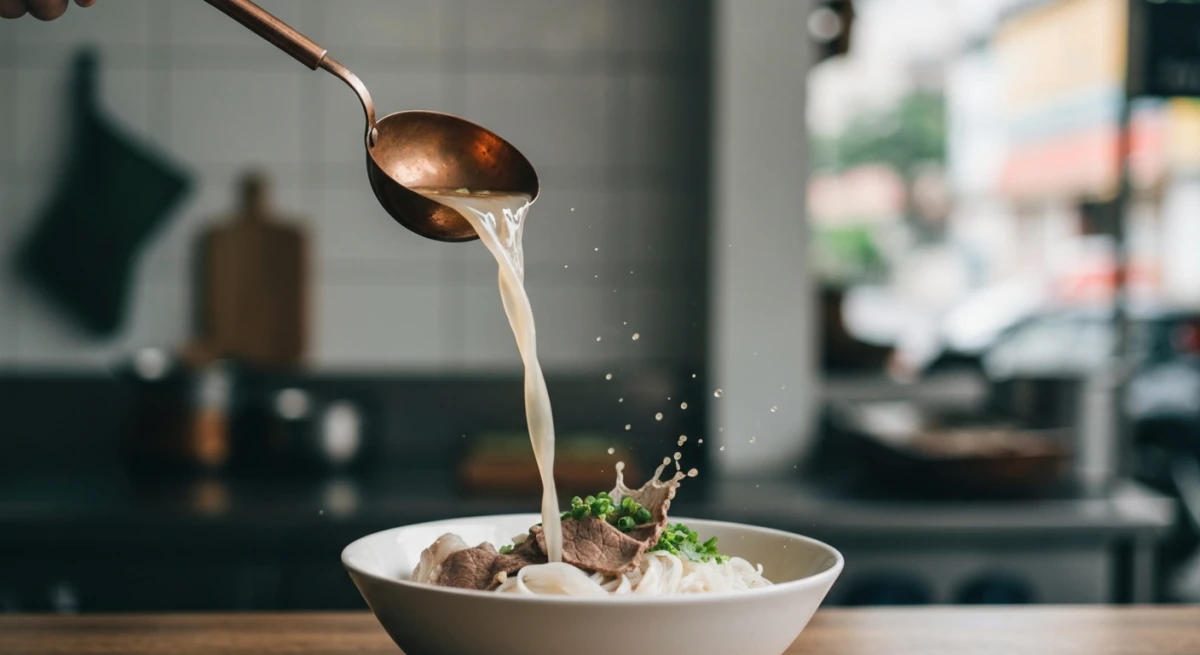
While Phở originated in Northern Vietnam, Ho Chi Minh City has given the national dish a sweeter, bolder, and more extravagant makeover. Southern Phở broth is deeply caramelized, heavily spiced with cinnamon, clove, and star anise, and slightly sweeter. It is always served with a mountain of fresh herbs—including Thai basil, sawtooth coriander, and rice paddy herb—alongside a plate of fresh bean sprouts, lime, and fresh chilies. Diners mix hoisin sauce and Sriracha in a small side dish to dip their tender cuts of beef.
- Phở Lệ (Nguyen Trai Street, District 5): Famous for its exceptionally rich, aromatic broth and springy homemade beef meatballs (bò viên). It is an absolute favorite for night owls, serving steaming bowls of comfort well into the evening.
- Phở Hòa Pasteur (Pasteur Street, District 3): This historic, multi-level restaurant has been serving hungry patrons for decades. The broth here is cleaner yet intensely flavorful, and the tables are constantly piled high with quẩy (deep-fried dough sticks) that you can dip directly into your piping hot soup broth.
2. Deep Bowls & Hidden Alleys: Beyond Phở
While Phở grabs most of the international headlines, Saigon's noodle repertoire is vast, colorful, and highly specialized. Venturing beyond Phở is the key to unlocking the true variety of local favorites.
Bún Thịt Nướng - Cold Noodles, Warm Grilled Pork
For those sweltering tropical afternoons when a hot bowl of soup sounds too intense, Bún Thịt Nướng is the ultimate refreshing alternative. This dish consists of cold rice vermicelli noodles layered over a bed of finely shredded lettuce, cucumber, bean sprouts, and mixed Vietnamese herbs. It is topped with warm, charcoal-grilled pork shoulder, crispy fried spring rolls (chả giò), roasted peanuts, pickled vegetables, and a spoonful of scallion oil. You pour a light, sweet-and-sour fish sauce dressing directly over the bowl and mix it all together.
- Quán Chị Tuyền (Co Giang Street, District 1): Tucked away in a vibrant neighborhood, this stall is legendary for its marinated grilled pork and exceptionally crispy spring rolls. If you want a decadent twist, order their beef and pork combination bowl, which features savory, stir-fried beef sautéed with garlic.
Hủ Tiếu Nam Vang - The Cambodian-Chinese Melting Pot
Hủ Tiếu Nam Vang (Phnom Penh noodle soup) is incredibly popular in Southern Vietnam. The soup broth is brewed from pork bones, dried shrimp, and dried squid, resulting in a sweet, deeply savory umami flavor profile. The noodles can be made from rice or tapioca, and the bowl is loaded with toppings: minced pork, lean pork slices, whole shrimp, quail eggs, and sometimes pork offal. You can order it "wet" (nước, with the broth in the bowl) or "dry" (khô, where the noodles are tossed in a rich, dark soy-tamarind sauce and the hot broth is served on the side as a companion soup).
- Hủ Tiếu Nhân Quán (Multiple locations, District 1 and District 3): This local chain is highly recommended for its exceptional dry version. The noodles have a wonderful, springy bite, and the savory sauce coating them is perfectly balanced by the rich, comforting broth served on the side.
Bánh Canh Cua - Slippery Tapioca Noodles in Rich Crab Gravy
If you are a seafood lover, Bánh Canh Cua is a non-negotiable must-eat. This unique dish features thick, slippery tapioca noodles (similar in texture to Japanese udon) served in a thick, gelatinous, reddish gravy-like broth made from pork bones and sweet crab tomalley. The bowl is packed with fresh crab meat, crab cakes, shrimp, quail eggs, and cubes of blood pudding (huyết).
- Bánh Canh Cua 87 Trần Khắc Chân (Tran Khac Chan Street, District 1): A hyper-busy, fast-paced local diner where you can watch the staff assemble bowls with lightning speed. The broth is thick, velvety, and sweet with the natural flavor of fresh crab, making it the ultimate local comfort food.
3. Sizzling Crepes, Betel Leaves, and the Snail Culture
Dining in Saigon is highly interactive and social. Many of the most popular local meals require you to assemble rolls with your hands, share plates with friends, and enjoy the lively outdoor atmosphere.
Bò Lá Lốt - Smoky Grilled Beef in Wild Betel Leaves
As the sun begins to set over the city, the aroma of grilling Bò Lá Lốt starts to drift through the streets. To prepare this dish, spiced minced beef is wrapped tightly inside wild betel leaves (lá lốt) to form small sausage-like rolls, which are then brushed with oil and grilled over charcoal. The betel leaves char beautifully, releasing a unique, peppery, and herbaceous aroma that deeply infuses the juicy beef inside.
- Quán Ăn Cô Liêng (Vo Van Tan Street, District 3): This Michelin-recommended spot is the gold standard for Bò Lá Lốt. You are served a platter of grilled beef rolls alongside rice paper, fresh herbs, sliced green bananas, starfruit, vermicelli, and a pungent, sweet-savory dipping sauce called mắm nêm (a fermented anchovy sauce mixed with pineapple and chili). Wrap it all up and take a big bite for an explosion of flavors.
Bánh Xèo - Sizzling Southern Pancakes
Bánh Xèo literally translates to "sizzling cake", named after the dramatic sound the rice batter makes when poured into a scorching hot, oiled pan. The Southern-style Bánh Xèo is massive, thin, and colored a vibrant yellow using turmeric powder. The batter, which is enriched with coconut milk, becomes incredibly crispy on the edges while remaining tender in the middle. It is typically stuffed with pork belly, fresh shrimp, mung beans, and a mountain of bean sprouts.
- Bánh Xèo 46A (Dinh Cong Trang Street, District 1): Made famous by the legendary chef Anthony Bourdain, this open-air restaurant continues to fry its massive crepes over traditional charcoal stoves. The result is an exceptionally crispy, smoky crepe. To eat it like a local, tear off a piece of the pancake, wrap it inside a large mustard green or lettuce leaf along with fresh herbs, roll it up, and dip it in sweet, tangy fish sauce.
The Snail (Ốc) Social Ritual
You cannot claim to have experienced Ho Chi Minh nice food without participating in an ốc (snail) feast. Eating snails is an essential part of the local nhậu (drinking and socializing) culture. Sidewalk stalls display a vast array of fresh snails, clams, crabs, and shellfish on ice. You choose your seafood and specify how you want it prepared: sautéed in sweet-tart tamarind sauce (sốt me), roasted with fiery salt and chili (rang muối ớt), steamed with fragrant lemongrass, or baked under a rich layer of garlic butter or melted cheese.
- Vĩnh Khánh Street (District 4): This street transforms into a bustling, neon-lit seafood paradise every evening. Ốc Oanh is the undisputed champion of the street, famous for its wild, high-energy atmosphere and signature dishes like grilled chili-salt crab claws (càng ghẹ rang muối ớt) and sweet snails cooked in rich garlic butter, which you must mop up with pieces of warm, crusty Vietnamese baguettes.
4. Chic & Modern: Saigon's Premium Nice Food Scene
While street food is the beating heart of Saigon, the city also boasts an incredibly sophisticated, modern dining scene. If you are looking for nice food in a more refined, comfortable, or creative setting, these modern icons represent the cutting edge of contemporary Vietnamese dining.
Anan Saigon - Michelin-Starred Innovation in a Wet Market
Located directly inside the bustling Cho Cu wet market, Anan Saigon is a dramatic study in contrasts and the first restaurant in Ho Chi Minh City to be awarded a prestigious Michelin star. Helmed by Chef Peter Cuong Franklin, Anan ("eat, eat" in Vietnamese) reimagines classic street food dishes through the lens of modern French culinary techniques and premium global ingredients.
- The $100 Bánh Mì: Anan made global headlines with this luxurious creation, which features slow-cooked sous vide pork chop, pan-seared foie gras, black truffle mayonnaise, and a side of sweet potato fries served with caviar and Prosecco. Beyond this novelty, their tasting menus are brilliant, featuring progressive delights like the Bánh Xèo Taco, Dalat Style Rice Paper Pizza, and even Fish Sauce Ice Cream. It is a must-visit for anyone looking to see how traditional flavors can be elevated to the world stage.
Pizza 4P's - The Cult-Favorite Japanese-Italian Fusion
It might seem unusual to recommend pizza in a guide to Vietnamese food, but Pizza 4P's is a legendary homegrown phenomenon that has taken Southeast Asia by storm. Founded by a Japanese couple in Saigon, this artisanal pizza chain is built on the concept of "Delivering Wow, Sharing Happiness." They operate their own organic dairy farm in the cool highlands of Da Lat, producing incredibly fresh, high-quality cheeses—including their signature, ultra-creamy burrata.
- What to Order: The Burrata Parma Ham Pizza (where the server cuts open a fresh ball of burrata at your table) and the Salmon Sashimi Pizza with cream cheese are absolute revelations. Their wood-fired crusts are light and airy, and their pasta dishes, like the crab tomato cream spaghetti, are outstanding. The Saigon Centre and Ben Thanh locations offer stunning, contemporary designs that are perfect for a stylish sit-down dinner.
Bếp Mẹ Ỉn - Cozy Homestyle Dining with a Bib Gourmand
If you want the comforting flavors of a traditional Vietnamese home-cooked meal but prefer a clean, air-conditioned, and charmingly decorated environment, Bếp Mẹ Ỉn is the perfect choice. Tucked down a quiet alleyway right next to Ben Thanh Market, this Bib Gourmand-winning diner specializes in rustic, family-style dishes.
- What to Order: Try their claypot caramelized pork belly (thịt kho tộ), crispy fried tofu tossed with aromatic lemongrass and chili, and their beautifully presented savory egg crepes. It is an accessible, highly delicious, and incredibly welcoming introduction to traditional Vietnamese home cooking.
5. Sweet Sips & Craft Brews: Ho Chi Minh's Legendary Beverage Culture
No culinary journey through Ho Chi Minh City is complete without exploring its world-famous beverage culture. From rich, heavy caffeine hits to refreshing sweet treats, Saigon knows how to keep you cool and energized.
Cà Phê Sữa Đá - The Liquid Fuel of Saigon
Saigon runs on coffee, and the undisputed king of local drinks is Cà Phê Sữa Đá (iced sweet condensed milk coffee). Dark-roasted Robusta beans are slow-dripped through a small metal filter (phin) directly onto a generous layer of sweet condensed milk. The mixture is stirred vigorously and poured over a glass packed with crushed ice, resulting in a thick, sweet, chocolatey, and incredibly strong caffeine kick.
- The Sidewalk Experience: For an authentic local vibe, try cà phê bệt (sidewalk coffee) near the Notre-Dame Cathedral, where you sit on plastic sheets on the pavement. For a trendy, gorgeously designed setting, explore the independent cafes hidden within the famous Cafe Apartments at 42 Nguyen Hue, a vintage nine-story building where nearly every balcony has been converted into an artisanal coffee shop.
Coconut Coffee & Egg Coffee
If you want to try unique, creative coffee variations, Vietnam has plenty to offer. Cộng Cà Phê, a popular retro-chic cafe chain themed around vintage military aesthetics, is famous for its Coconut Iced Coffee (cà phê cốt dừa). It is a rich, icy blend of frozen coconut cream and condensed milk poured over a shot of strong Vietnamese black coffee—the perfect frozen treat on a hot afternoon. For a rich, custard-like Egg Coffee (cà phê trứng), check out Góc Hà Nội, a cozy multi-level hideaway nestled in District 1.
Chè - Traditional Sweet Soups
To satisfy your sweet tooth after a savory feast, seek out Chè, a diverse category of traditional Vietnamese sweet dessert soups and puddings. These refreshing treats are made with a base of sweetened coconut milk, shaved ice, and various layers of mung bean paste, grass jelly, tapioca pearls, lotus seeds, and seasonal tropical fruits.
- Bé Chè (Stall 1154 inside Ben Thanh Market): Serving sweet-toothed locals since 1968, this vibrant stall displays colorful bowls of different ingredients. Try the Chè Thái (a fruit-forward version featuring jackfruit, durian, and longan in sweet milk) or the classic Chè Ba Màu (three-color dessert) for a refreshing, sweet finish to your day.
6. The Saigon Food Survival & Navigation Guide
To help you navigate the rich, chaotic culinary landscape of Ho Chi Minh City like a seasoned pro, keep these essential insider tips in mind:
Follow the Crowds and High Turnover
When it comes to street food, popularity is the ultimate indicator of safety and quality. Look for stalls that are packed with locals sitting on tiny plastic stools. A high turnover rate means that ingredients are fresh, constantly replenished, and haven't been sitting out in the tropical heat. If a stall looks empty or quiet during peak dining hours, it is best to move on.
Understand the Geography of Flavor
Saigon is divided into numbered and named districts, each with its own culinary specialty and vibe:
- District 1: The commercial center. Here, you will find premium dining spots like Anan Saigon, high-end cafes, and accessible, highly popular street food vendors.
- District 3: Leafy, historic, and slightly quieter. Excellent for hidden alleyway noodle shops and chic, colonial-style cafes.
- District 4: The legendary port district. This is the undisputed capital of street seafood and ốc (snail) dining, especially along Vinh Khanh Street.
- Phú Nhuận & District 10: Dense, highly local neighborhoods that are perfect for deep-dive street food safaris far away from the typical tourist crowds.
Food Safety and Hygiene Hacks
While food hygiene in Ho Chi Minh City has improved dramatically, a few simple rules will keep your stomach happy. Always stick to bottled water. The ice used in reputable cafes and street food stalls is almost always factory-made, clean tube ice (đá bi), which is perfectly safe to consume. If you have a highly sensitive stomach, ease into the street food scene by starting with stalls recognized by the Michelin Guide or those with clean, permanent indoor seating.
Frequently Asked Questions
Is street food in Ho Chi Minh City safe to eat?
Yes, street food in Saigon is generally very safe, provided you follow basic precautions. Stick to stalls with high customer turnover, as this ensures the food is freshly cooked and ingredients haven't been sitting around. Choose vendors where you can see the food being prepared hot in front of you, and always stick to bottled water.
What makes Southern Vietnamese food different from Northern Vietnamese food?
Southern Vietnamese cuisine is generally sweeter, bolder, and more heavily spiced than its northern counterpart. The south benefits from a tropical climate and abundant agricultural land, leading to a generous use of fresh herbs, coconut milk, and sugar in savory dishes. Northern food tends to be more minimalist, balanced, and focused on clean, delicate flavors.
Do I need to tip at restaurants in Ho Chi Minh City?
Tipping is not traditionally expected in Vietnam, especially at street food stalls and casual local diners. However, at upscale restaurants, modern bistros, or Western-style establishments, a tip of 5% to 10% is highly appreciated for excellent service. Some high-end venues may also include a service charge directly on the bill.
What is the average price of a meal in Saigon?
A bowl of noodles or a plate of broken rice at a local street food stall typically costs between 30,000 VND and 60,000 VND ($1.25 to $2.50 USD). Mid-range, sit-down restaurants like Pizza 4P's or Bếp Mẹ Ỉn average around 150,000 VND to 350,000 VND ($6 to $15 USD) per person. High-end fine dining or premium tasting menus can range from $50 USD to over $150 USD per person.
Conclusion
From the first crackle of a crispy Bánh Mì baguette to the rich, aromatic depth of a steaming bowl of Southern Phở, exploring ho chi minh nice food is an unforgettable culinary adventure. Saigon's food scene successfully bridges the gap between humble, decades-old family recipes served on the sidewalk and cutting-edge, Michelin-starred culinary art. By stepping outside your comfort zone, pulling up a plastic stool, and diving into the vibrant street culture, you will discover that the true soul of Ho Chi Minh City is served one delicious bowl at a time.