Introduction: Why Hanoi is the Street Food Capital of Asia
To truly understand Hanoi, you must pull up a tiny blue plastic stool on a crowded sidewalk, dodge a swarm of passing motorbikes, and dive headfirst into a steaming bowl of noodles. The authentic essence of street food in hanoi vietnam lies not in grand, air-conditioned dining rooms, but in the vibrant, chaotic symphony of its alleyways. From the early morning mist rising over Hoan Kiem Lake to the neon-lit energy of the Old Quarter at midnight, the city acts as an open-air kitchen. Here, decades-old family recipes are protected like state secrets, and culinary artistry is practiced over bubbling cauldrons and glowing charcoal grates.
Hanoian cuisine is deeply historic, reflecting a unique blend of indigenous traditions and foreign culinary influences. The French left their mark with crusty baguettes and rich coffee culture, while the Chinese introduced stir-frying and various wheat and rice noodle shapes. Yet, the people of Hanoi adapted these foreign elements into something entirely their own—dishes that prioritize balance, freshness, and the delicate harmony of sour, spicy, salty, sweet, and umami. For any traveler, embarking on a street food journey is the ultimate way to connect with the heart and soul of Vietnam's capital. In this ultimate guide, we will uncover the legendary dishes you must try, the exact local spots where they taste best, and the practical insider tips you need to navigate this legendary food scene like a seasoned local.
12 Must-Try Dishes in Hanoi and Where to Find Them
To help you navigate this massive open-air buffet, we have compiled the ultimate bucket list of street food in Hanoi. These are the iconic dishes that define the city's culinary identity, complete with the specific, tried-and-true locations where locals actually eat.
1. Phở Bò & Phở Gà (Beef and Chicken Noodle Soup)
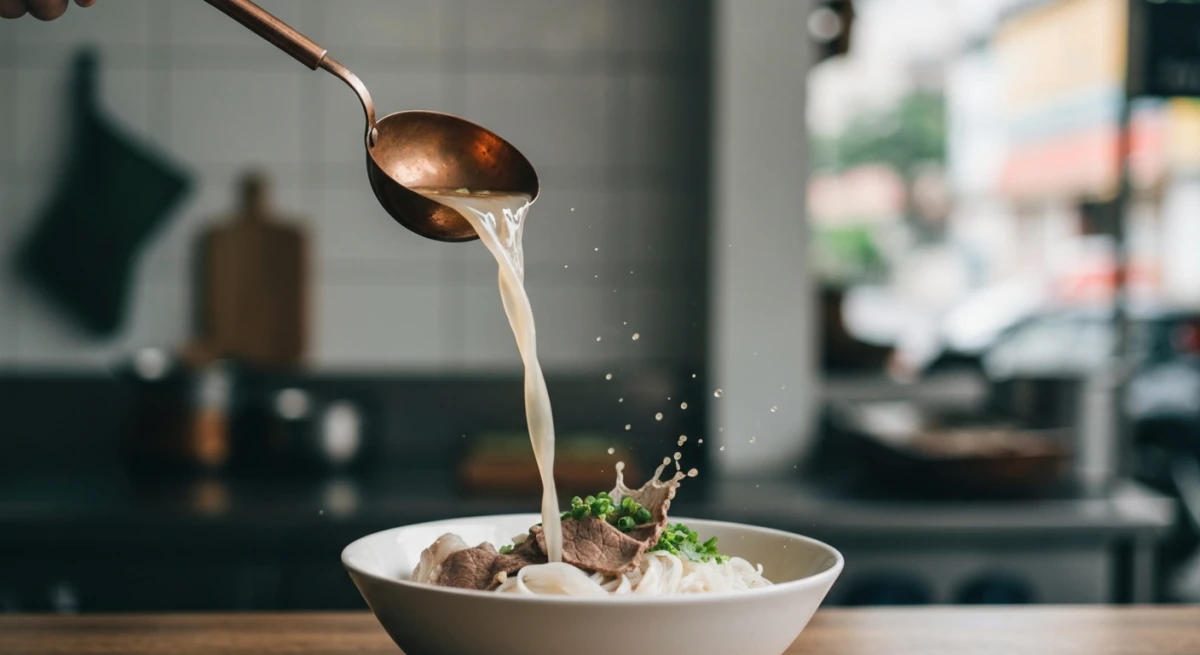
No list of Vietnamese street food could ever begin with anything other than Pho. While this iconic noodle soup is loved nationwide, Hanoi is its spiritual home. Unlike the sweeter, herb-heavy southern version, Hanoi-style Pho (Phở Bắc) is characterized by its refined elegance. The broth is the star: clear, fragrant, and simmered for up to 12 hours with beef bones, charred ginger, onions, star anise, cinnamon, and black cardamom. It is served over flat rice noodles, topped with tender cuts of beef (Phở Bò) or shredded chicken (Phở Gà), and garnished simply with green onions and cilantro.
- How to eat it: Squeeze a wedge of lime, add a few slices of fresh bird's eye chili, and order a side of 'quẩy' (deep-fried dough sticks) to dip into the rich broth.
- Where to go:
- Phở Gia Truyền Bát Đàn (49 Bát Đàn, Old Quarter): Famous for its long queues and rich, marrow-infused broth.
- Phở 10 Lý Quốc Sư (10 Lý Quốc Sư, Old Quarter): A Michelin-selected spot serving exceptionally tender beef.
2. Bún Chả (Charcoal-Grilled Pork with Vermicelli)
If Pho is Hanoi's breakfast king, Bun Cha is the undisputed emperor of lunchtime. This legendary dish consists of smoky, charcoal-grilled pork patties and caramelized pork belly slices swimming in a warm, sweet-and-savory broth made of fish sauce, vinegar, sugar, and lime. This is served alongside a plate of cold vermicelli noodles ('bún') and a mountain of fresh herbs, including perilla, mint, and cilantro.
- How to eat it: Grab a bundle of noodles with your chopsticks, dip them directly into the pork broth, and eat them along with a bite of the grilled pork and a leaf of fresh herb. Don't forget to order a crispy 'nem cua bể' (crab spring roll) on the side.
- Where to go:
- Bún Chả Hàng Quạt (74 Hàng Quạt, Old Quarter): Tucked down a narrow alley, this spot serves arguably the most flavorful, caramelized pork in the city.
- Bún Chả Hương Liên (24 Lê Văn Hưu): Famously dubbed the 'Obama Bun Cha' after President Barack Obama and Anthony Bourdain dined here together in 2016.
3. Bánh Mì (The Ultimate Vietnamese Baguette)
The Banh Mi is a masterclass in culinary fusion. The French introduced the baguette, but the Vietnamese perfected it by making the bread lighter and crustier (using a mix of wheat and rice flour) and stuffing it with an explosive combination of savory and fresh ingredients. A classic Hanoi Banh Mi is smear-painted with rich pâté, homemade mayonnaise, various cold cuts of pork, cucumber, pickled daikon and carrots, fresh cilantro, and a drizzle of spicy chili sauce.
- How to eat it: Grab it hot off the grill press and eat it on the go.
- Where to go:
- Bánh Mì 25 (25 Hàng Cá): Hugely popular among travelers for its fresh ingredients and vegan options.
- Bánh Mì Lãn Ông (8 Lãn Ông): Known for its traditional, incredibly rich, homemade pâté that has drawn locals for decades.
4. Cà Phê Trứng (Vietnamese Egg Coffee)
Invented in Hanoi during the 1940s when milk was scarce due to war shortages, Egg Coffee has become a beloved local dessert. The recipe involves whipping egg yolk with sweetened condensed milk and sugar until it forms a thick, velvety, meringue-like foam. This sweet, custard-like cloud is then poured over a cup of hot, intensely bitter Vietnamese robusta coffee.
- How to eat it: Use a small spoon to taste the sweet egg foam first, then stir gently to let the bitter coffee cut through the richness.
- Where to go:
- Café Giảng (39 Nguyễn Hữu Huân): The birthplace of egg coffee, founded by Nguyen Giang, the man who created the original recipe.
- Café Đinh (13 Đinh Tiên Hoàng): A rustic, second-floor hidden gem with a balcony overlooking Hoan Kiem Lake.
5. Bánh Cuốn (Steamed Rice Rolls)
Banh Cuon is a delicate, light breakfast dish that showcases incredible culinary skill. The cook spreads a thin ladle of fermented rice batter over a cloth stretched tightly over a pot of boiling water. In seconds, a paper-thin, translucent sheet forms. This is gently lifted with a bamboo stick, filled with minced pork and wood ear mushrooms, and rolled up. It is topped with crispy fried shallots and served with 'chả lụa' (Vietnamese pork sausage) and a warm dipping sauce.
- How to eat it: Dip each roll into the light fish-sauce-based dipping sauce, which is often flavored with a drop of 'cà cuống' (giant water bug essence) for an authentic, traditional aroma.
- Where to go:
- Bánh Cuốn Thanh Vân (12-14 Hàng Gà): Known for its lightning-fast preparation and generous, savory fillings.
6. Bún Riêu Cua (Crab and Tomato Noodle Soup)
This comforting noodle soup features a vibrant, tangy broth made from freshwater crabs, tomatoes, and tamarind. It is packed with thin rice vermicelli, fried tofu blocks, scallions, and a dollop of rich crab paste. The contrast between the sweet, acidic tomato broth and the savory crab roe is absolutely addictive.
- Where to go:
- Bún Riêu Trang (23 Nguyễn Siêu): A highly rated sidewalk stall that serves an incredibly clean and rich crab broth.
7. Chả Cả (Turmeric Fish with Dill)
While often served in specialized eateries rather than raw sidewalks, Cha Ca is such an integral part of Hanoi's street heritage that an entire street in the Old Quarter was renamed after it. This dish features chunks of white fish marinated in turmeric, galangal, and ginger, which are then pan-fried at your table along with massive mounds of fresh dill and spring onions.
- How to eat it: Combine the hot fish and herbs in a bowl with rice vermicelli, roasted peanuts, fresh chilies, and a drizzle of 'mắm tôm' (pungent fermented shrimp paste).
- Where to go:
- Chả Cá Thăng Long (21 Đường Thành): Consistently praised for its high-quality fish and excellent service.
8. Phở Cuốn (Fresh Noodle Rolls)
Hailing from the picturesque Ngũ Xã neighborhood near Truc Bach Lake, Pho Cuon is a modern, refreshing twist on classic Pho flavors. Instead of a hot soup, tender sheets of uncut pho noodles are wrapped like spring rolls around stir-fried beef, garlic, lettuce, and fresh coriander.
- Where to go:
- Phở Cuốn Hương Mai (25 Ngũ Xã): The local favorite spot that popularized this light and clean summer dish.
9. Xôi Xéo (Savory Yellow Sticky Rice)
Xoi Xeo is a hearty, carb-heavy street food staple that keeps Hanoians energized through busy mornings. It consists of bright yellow sticky rice (colored naturally with turmeric), topped with a creamy paste of mung beans, crispy fried shallots, and a drizzle of liquid pork fat. For a more substantial meal, you can add shredded chicken, braised pork belly, or a fried egg.
- Where to go:
- Xôi Yến (35b Nguyễn Hữu Huân): A multi-story institution famous for its fast-paced service and customizable sticky rice bowls.
10. Nem Chua Rán (Fried Fermented Pork Rolls)
A favorite snack among Hanoi's youth, Nem Chua Ran is made of cured, fermented minced pork mixed with shredded pork skin and spices. The rolls are coated in breadcrumbs and deep-fried until they are crispy on the outside and deliciously chewy and savory on the inside.
- Where to go:
- Tạm Thương Alley (Hàng Bông): This narrow alleyway is the epicenter of Hanoi's street snack culture, filled with multiple stalls serving fried pork rolls on small trays.
11. Miến Lươn (Eel Vermicelli)
For the adventurous foodie, Mien Luon is a must-try. This dish uses glass noodles (cellophane noodles) served either dry ('miến lươn trộn') or in a warm broth ('miến lươn nước'), topped with deeply fried, crispy eel strips or tender, soft-braised eel. It is garnished with fresh herbs, crispy shallots, and bean sprouts.
- Where to go:
12. Bún Ốc (Snail Noodle Soup)
Snail noodle soup is a quintessential Hanoi delicacy that highlights the city's love for freshwater ingredients. It features a tangy, tomato-based broth infused with rice wine vinegar, loaded with plump, chewy land snails, fried tofu, and fresh herbs. The contrasting textures of the chewy snails and soft noodles make it incredibly unique.
- Where to go:
- Bún Ốc Cổ Ngư (near West Lake): Renowned for its traditional, unadulterated recipe and perfectly balanced broth.
The Best Neighborhoods for Street Food in Hanoi
While you can find excellent food on almost every corner in Hanoi, certain districts and streets have earned a legendary reputation for their concentration of culinary hotspots. If you are planning a self-guided Hanoi street food tour, prioritize these culinary hubs:
The Old Quarter (Phố Cổ)
The beating heart of Hanoi's food scene, the Old Quarter features 36 historic streets, each historically dedicated to a specific trade. Today, these narrow alleys are packed with steam, smoke, and plastic stools. Key areas to explore include Hàng Buồm for nighttime snacks, Tạ Hiện (Beer Street) for crispy fried foods and fresh draft beer ('bia hơi'), and Lương Ngọc Quyến for noodle soups. The Old Quarter is the perfect starting point for any first-time visitor.
Tống Duy Tân (Food Street)
Located just west of the Old Quarter, Tong Duy Tan is officially designated as Hanoi's 24-hour food street. Closed to cars, this bustling lane is lined with outdoor stalls and historic eateries serving everything from 'gà tần' (black chicken herbal soup) and 'cơm đảo' (fried rice) to sizzling hotpots ('lẩu'). It is the ultimate destination for late-night food cravings.
Trúc Bạch and Ngũ Xã
For a more relaxed, local vibe away from the heavy tourist crowds, head to the neighborhood surrounding Truc Bach Lake. This area is the birthplace of 'Phở Cuốn' (pho rolls) and 'Phở Chiên Phồng' (deep-fried puffed pho noodles topped with beef and gravy). Lined with leafy trees and scenic lake views, it is a fantastic place to enjoy an afternoon food crawl.
Đồng Xuân Market Alley (Ngõ Đồng Xuân)
Directly adjacent to Hanoi's largest indoor market, this narrow, covered alleyway is a culinary treasure trove during the daytime. Lined with dozens of tiny stalls, it offers some of the cheapest and most authentic street food in the city. Come here to rub shoulders with local vendors and sample dishes like 'bún riêu', 'bánh tôm' (shrimp patties), and 'chè' (sweet dessert soups).
Street Food Survival Guide: Tips for Eating Like a Local
Dining on the streets of Hanoi is an unforgettable experience, but it can be overwhelming for first-timers. To ensure your food adventure is safe, delicious, and respectful of local customs, keep these essential tips in mind:
1. Look for High Foot Traffic
The golden rule of street food safety is simple: follow the crowds. If you see a stall packed with local families and office workers, it is a clear sign that the ingredients are fresh, the turnover is high, and the food is safe to eat. Avoid empty stalls where ingredients may have been sitting out in the open air.
2. Embrace the 'One Dish, One Stall' Philosophy
In Hanoi, the best food stalls typically specialize in doing just one or two dishes exceptionally well. Unlike Western-style restaurants with massive, multi-page menus, a legendary Hanoi vendor might only serve Pho Bo, or only Bun Cha. Trust these specialists—their recipes have often been refined over multiple generations.
3. Mind Your Hygiene Practices
While street food is generally very safe, travelers with sensitive stomachs should take basic precautions. Clean your chopsticks and spoon with a napkin before eating. Use the hand sanitizer provided at most stalls, and stick to bottled water. Don't be afraid of ice in Hanoi; the vast majority of ice used in the city is industrially produced and perfectly safe.
4. Understand the Pricing and Payments
Street food in Hanoi is incredibly affordable. A bowl of noodles or a plate of Bun Cha will typically cost between 30,000 and 60,000 VND ($1.25 to $2.50 USD). Always carry small cash bills (10,000, 20,000, and 50,000 VND), as street vendors rarely accept credit cards and often do not have change for large 500,000 VND banknotes. Pay after you have finished eating.
Frequently Asked Questions About Hanoi Street Food
Here are the answers to the most common questions travelers ask when exploring the vibrant culinary scene of Vietnam's capital.
Is street food in Hanoi safe for tourists?
Yes, street food in Hanoi is generally safe. Because dishes are cooked at high heat right in front of you, the risk of foodborne illness is relatively low. Stick to busy stalls with high customer turnover, and ensure your meat is served piping hot. If you have a sensitive stomach, avoid raw vegetables and stick to cooked or peeled foods during your first few days.
What is the average cost of a street food meal in Hanoi?
Street food remains highly economical. A standard meal like Pho or Bun Cha costs between $1.50 and $3.00 USD. Snacks like Banh Mi range from $1.00 to $1.50 USD, and a cup of Egg Coffee costs around $1.50 USD. A daily budget of $15.00 USD is more than enough to feast like royalty.
Do I need to book a guided street food tour?
While you can easily explore Hanoi's food scene independently, booking a guided Hanoi street food tour on your first night is highly recommended. A local guide can help you navigate hidden alleyways, overcome language barriers, explain the cultural history behind each ingredient, and introduce you to unique dishes you might hesitate to order on your own.
How do I order street food if I don't speak Vietnamese?
Most street food vendors are incredibly welcoming and accustomed to tourists. Smiling, pointing to what another customer is eating, and holding up your fingers to indicate quantity works perfectly. Learning a few basic Vietnamese words is also highly appreciated:
- Cho tôi xin (cho toy sin) - Please give me...
- Bao nhiêu? (bao nyew) - How much?
- Không cay (khong kai) - Not spicy.
- Cảm ơn (kam on) - Thank you.
Conclusion: Savor Every Bite of Hanoi's Sidewalk Culture
Ultimately, street food in hanoi vietnam is far more than a convenient way to fill your stomach; it is a profound cultural ritual. It is a sensory journey defined by the rich aroma of simmering beef bones, the sizzle of pork fat over charcoal, and the collective warmth of locals sharing a meal in the open air. By stepping out of your comfort zone, embracing the busy sidewalks, and pulling up a plastic stool, you will discover the true spirit of this historic capital—one delicious bowl at a time. Pack your appetite, leave your culinary reservations behind, and prepare for the food adventure of a lifetime.