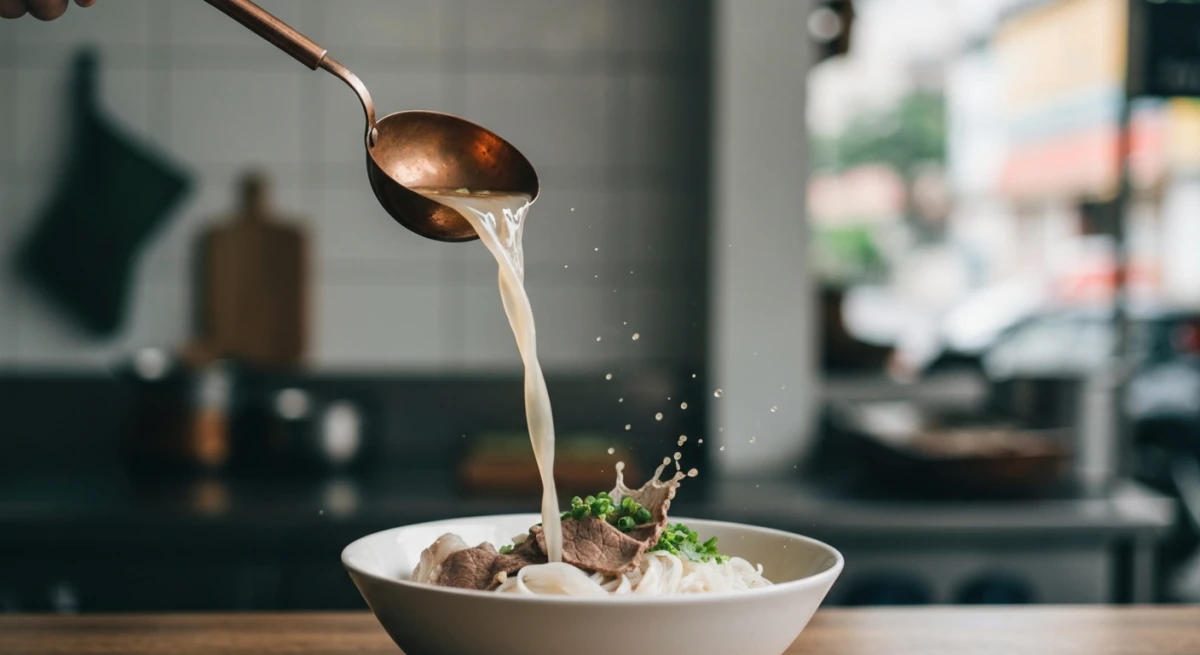
Saigon—officially known as Ho Chi Minh City—is a metropolis fueled by motorbikes, momentum, and above all, incredible culinary experiences. To truly understand this city, you have to leave the air-conditioned dining rooms behind and take a seat on a low plastic stool on the sidewalk. Seeking the most authentic, mouthwatering street food in saigon vietnam can feel overwhelming, but this comprehensive guide is designed to help you navigate the alleys like a seasoned local. From smoky charcoal grills to hidden culinary enclaves, we will show you exactly what to eat, where to find it, and how to conquer Saigon’s street food scene safely and with confidence.
Iconic Dishes: What to Eat on the Streets of Saigon
The sheer variety of street food in saigon vietnam is a testament to the city’s status as a cultural melting pot. Saigon has absorbed culinary influences from the Mekong Delta, Central Vietnam, Northern refugees, and French colonizers, transforming them into a fast-paced, high-flavor street culture. Here are the non-negotiable dishes you must try, along with the precise locations that do them best.
1. Bánh Mì: The World's Best Sandwich
Bánh mì is the ultimate symbol of Vietnamese culinary fusion. It takes the classic French baguette and transforms it with local ingredients: rich pork liver pâté, mayonnaise, various cold cuts (chả lụa), headcheese, grilled pork, pickled daikon and carrots, fresh cucumber, cilantro, and a fiery kick of fresh bird's eye chilies. The bread itself is incredibly light and crispy, thanks to a unique baking technique that often incorporates rice flour alongside wheat.
Where to eat it:
- Bánh Mì Huỳnh Hoa (26-30-32 Lê Thị Riêng, District 1): Often called the "heavyweight champion" of bánh mì, this local institution serves massive baguettes stuffed with up to 13 layers of meats, pâté, and floss. It is rich, indulgent, and easily feeds two people. (Expect to pay around 60,000–75,000 VND).
- Bánh Mì 37 Nguyễn Trãi (37 Nguyễn Trãi, District 1): If you prefer grilled flavors, head to this legendary street cart. The vendor grills juicy marinated pork patties over glowing charcoal, packing them into a crispy baguette drizzled with a secret sweet-savory sauce. (Expect to pay around 25,000–30,000 VND).
2. Cơm Tấm (Broken Rice): The Soul of Saigon
If there is one dish that belongs exclusively to Saigon's identity, it is cơm tấm. Originally a dish eaten by poor farmers who used the broken, unsellable rice grains damaged during harvesting, cơm tấm has become a beloved staple for people of all walks of life. The star of the dish is a thin, caramel-colored pork chop (sườn) marinated in fish sauce, lemongrass, and sugar, then grilled over open charcoal. It is accompanied by a fried egg (ốp la), shredded pork skin (bì), a savory steamed egg meatloaf (chả chưng), green onion oil (mỡ hành), and tangy pickles.
Where to eat it:
- Cơm Tấm Ba Ghiền (84 Đặng Văn Ngữ, Phú Nhuận District): Featured in the Michelin Guide, this spot is legendary for serving a pork chop so massive it completely covers the broken rice beneath it. The charcoal smoke from their sidewalk grill is a beacon for hungry diners. (Expect to pay 70,000–100,000 VND).
- Cơm Tấm Bãi Rác (73 Lê Văn Linh, District 4): Do not let the cheeky local name (which translates to "trash dump rice," a nod to its historical proximity to a market waste depot) deter you. This is some of the highest-quality, most flavorful cơm tấm in the city, beloved by night owls. (Expect to pay 60,000–90,000 VND).
3. Bánh Xèo: Sizzling Crispy Crepes
Bánh xèo translates to "sizzling cake," named after the loud hiss the rice batter makes when poured onto a searing hot pan. The Southern-style bánh xèo is massive, thin, and incredibly crispy. The batter is colored a bright yellow with turmeric and loaded with coconut milk, then filled with pork belly, shrimp, mung beans, and fresh bean sprouts. To eat it, you tear off a piece, wrap it in a large mustard leaf or lettuce leaf along with fresh herbs (mint, Thai basil), roll it up, and dip it in a sweet, sour, and spicy fish sauce (nước chấm).
Where to eat it:
- Bánh Xèo 46A (46A Đinh Công Tráng, District 1): Made famous internationally by late celebrity chef Anthony Bourdain, this bustling street-side eatery serves huge, extra-crispy crepes cooked over traditional charcoal stoves. (Expect to pay 90,000–150,000 VND).
4. Hủ Tiếu Nam Vang: The Southern Noodle Fusion
While Northern Vietnam is famous for phở, Saigon's noodle of choice is often hủ tiếu. Hủ tiếu Nam Vang is a Cambodian-Chinese-Vietnamese hybrid dish that features a rich pork bone broth sweet with dried squid and onions. The bowl is packed with chewy tapioca noodles, minced pork, sliced pork, shrimp, quail eggs, and fresh garlic chives. It can be ordered "ướt" (wet, with broth in the bowl) or "khô" (dry, where the noodles are tossed in a savory soy-based sauce and served with broth on the side).
Where to eat it:
- Hủ Tiếu Thanh Xuân (62 Tôn Thất Thiệp, District 1): Serving hungry patrons for over seven decades, this historic spot is famous for its artisanal crab sauce served with the dry version of the dish. (Expect to pay 50,000–70,000 VND).
The Best Neighborhoods for Authentic Street Food (Beyond Ben Thanh)
Many first-time visitors stick strictly to the central tourist hubs of District 1, like the Ben Thanh Street Food Market or Nguyễn Huệ Walking Street. While these spots are highly accessible, clean, and English-friendly, they often lack the authentic atmosphere, depth of flavor, and local prices found just a few kilometers away. To experience the real street food in saigon vietnam, you need to explore these legendary culinary enclaves.
District 4: The Street Food Kingdom
Once a rough-and-tumble port district, District 4 is now celebrated as the ultimate street food haven. It has some of the highest densities of food stalls in the city, squeezed into narrow residential alleys and along bustling canals.
- Vĩnh Khánh Street: As soon as the sun sets, this street becomes a roaring, chaotic paradise of seafood and snail stalls. Smoke from coal grills fills the air as hundreds of locals sit on plastic stools, peeling prawns, cracking crab claws, and drinking cold beer.
- Chợ 200 (Xóm Chiếu): This is a dedicated street food market alleyway. You can walk from one end to the other and graze on everything from phá lấu (a savory offal stew cooked in coconut milk) to súp cua (thick crab soup) and crispy banana fritters.
District 3: The Alleyways of Nguyễn Thiện Thuật
District 3 strikes a perfect balance between central convenience and local charm. The neighborhood around Nguyễn Thiện Thuật street is famous for its dense apartment blocks built in the mid-20th century.
- The narrow alleyways here are packed with generational vendors. It is the perfect place to hunt for bún thịt nướng (cold rice vermicelli topped with grilled pork, spring rolls, and fresh herbs) or bánh mì chảo (bread served with sizzling eggs, pâté, and sausage in a tiny cast-iron skillet).
District 10: Hồ Thị Kỷ Flower Market
Hồ Thị Kỷ is primarily known as Saigon's largest wholesale flower market, operating 24 hours a day. However, tucked inside its labyrinthine alleys is an incredible night food market that has exploded in popularity.
- Because of District 10's large Cambodian-Vietnamese population, this market offers unique culinary variations. You can try grilled beef skewers wrapped in wild betel leaves (bò lá lốt), Cambodian-style sweet soups (chè), and the incredibly popular bánh tráng nướng (often dubbed "Vietnamese pizza" – a grilled rice paper sheet topped with quail eggs, green onions, minced pork, and chili sauce).
Mastering "Nhậu": Saigon’s Lively Street Seafood & Beer Culture
To truly eat like a Saigonese, you must experience "nhậu." Nhậu does not have a direct English translation, but it refers to the social act of gathering with friends, drinking ice-cold beer, and feasting on shared plates of savory, spicy food. The undisputed king of nhậu culture is Ốc (which translates to "snails," but encompasses all varieties of freshwater and saltwater shellfish, clams, mud creepers, and scallops).
Eating snails in Saigon is not a fine-dining experience; it is an energetic, hands-on street ritual. The shellfish are prepared in dozens of different styles. You can have them:
- Xào bơ tỏi: Sautéed in a rich garlic-butter sauce (perfect for dipping pieces of crusty French bread).
- Rang muối ớt: Tossed in a fiery chili-salt crust.
- Hấp sả: Steamed simply with aromatic lemongrass and ginger.
- Xào trứng muối: Smothered in a rich, velvety salted egg yolk sauce.
Pair these plates with morning glory sautéed with garlic (rau muống xào tỏi) and plenty of local lager, and you have the quintessential Saigon night out.
Where to experience Nhậu:
- Ốc Đào (212B/C2 Nguyễn Trãi, District 1): Tucked deep in a residential alley, this massive, open-air courtyard is highly popular and serves an incredible variety of impeccably seasoned shellfish.
- Vĩnh Khánh Street (District 4): Simply pick any snail stall that is packed to the brim with locals, pull up a plastic stool, and point to what looks good on neighboring tables.
Safety, Etiquette, and Survival Tips for First-Timers
Conquering the street food in saigon vietnam requires a blend of adventurous spirit and practical street smarts. Follow these rules to ensure your culinary journey is memorable for all the right reasons:
1. How to Spot a Safe Vendor
The golden rule of street food safety is high turnover. Look for stalls that are crowded with local families, students, and office workers. A busy stall means the ingredients are constantly being replenished and do not sit out in the tropical heat. Additionally, look for vendors who assemble your dishes right in front of you.
2. The Ice Myth
Many travelers are terrified of the ice (đá) in Vietnam, fearing it will lead to stomach issues. In Saigon, almost all commercial food stalls buy their ice in bulk from factory purification plants. This ice is easily recognizable because it comes in uniform, hollow cylindrical tubes. Avoid crushed ice in rural areas, but the tube ice in Saigon's street stalls is generally perfectly safe to consume.
3. Sidewalk Etiquette
- The Garbage Bin: Look under your table. You will almost always find a small plastic basket or bin. This is where you toss used napkins, lime wedges, and chili stems. Do not leave them on the table.
- Sanitize Your Utensils: It is completely normal to grab a tissue from the table dispenser and give your chopsticks and spoon a quick wipe before eating.
- Wet Tissues (Khăn Ướt): Most street stalls will place a packaged wet tissue on your table. Be aware that these are not free; they usually cost around 2,000–3,000 VND each, which will be added to your final bill.
4. Cash is Absolute King
Do not expect to pay with credit cards at street food stalls. Always carry small denominations of Vietnamese Dong (VND), such as 10,000, 20,000, and 50,000 VND notes. Handing a street vendor a 500,000 VND note for a 20,000 VND bánh mì can be highly inconvenient as they may not have enough change.
Saigon Street Food FAQ
Is street food in Saigon safe for tourists?
Yes, street food in Saigon is remarkably safe if you use common sense. Stick to stalls with high local foot traffic, ensure hot dishes are served steaming hot, and stick to purified tube ice. Carrying hand sanitizer is also highly recommended.
How much does street food cost in Saigon?
Street food in Saigon is incredibly affordable. A standard bowl of noodles (like phở or hủ tiếu) or a plate of cơm tấm typically costs between 35,000 and 65,000 VND ($1.50 to $2.70 USD). A classic bánh mì ranges from 20,000 to 50,000 VND ($0.80 to $2.10 USD).
Can vegetarians find street food options in Ho Chi Minh City?
Absolutely. Look out for signs that say "Chay" (which means vegetarian/vegan in Vietnamese). Saigon has a rich Buddhist heritage, and many locals eat strictly vegetarian food on the 1st and 15th days of the lunar month. You can find "Bánh Mì Chay" (vegetarian baguettes with tofu and seitan) and "Cơm Chay" (vegetarian rice plates) all over the city.
What is the best time of day to eat street food?
Saigon's street food scene changes dynamically throughout the day. Early morning (6:00 AM – 9:00 AM) is best for fresh bánh mì, xôi (sticky rice), and breakfast noodle soups. Mid-day is quiet due to the heat, but the streets come alive again from 4:30 PM onwards, when night markets, snail stalls, and social "nhậu" spots open up.
Conclusion: Embracing the Chaos of Saigon's Streets
The street food in saigon vietnam is far more than just a cheap dining option—it is the beating heart and culinary soul of the city. Every smoky grill, steaming cauldron of broth, and crispy baguette tells a story of survival, adaptation, and passion. By stepping out of your comfort zone, embracing the roaring hum of motorbike traffic, and pulling up a tiny plastic stool, you are not just eating; you are participating in a daily cultural ritual. Pack your hand sanitizer, pocket some cash, and let your senses guide you through the wonderful, chaotic alleyways of Saigon.