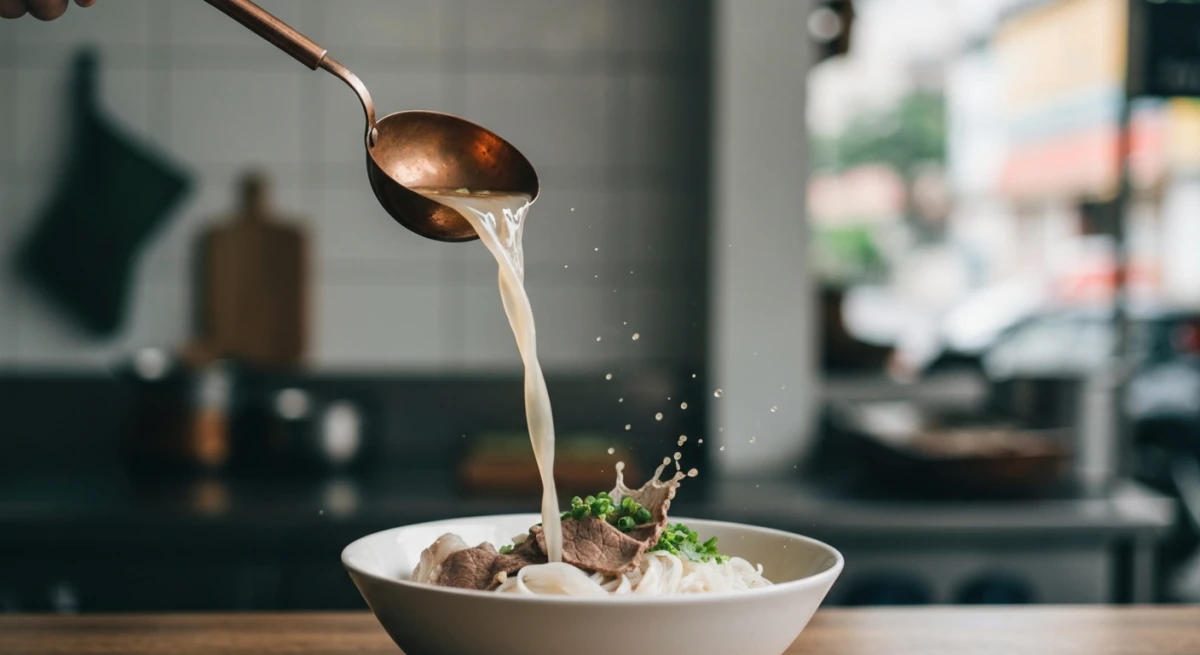
Hanoi is a city that does not hide its secrets; it cooks them right on the sidewalk. Step out of your hotel in the historic Old Quarter, and your senses are instantly assaulted by a dizzying symphony of sights, sounds, and, above all, smells. The sweet smoke of pork belly caramelizing over red-hot charcoal, the herbaceous steam rising from giant cauldrons of bone broth, and the clinking of glasses filled with iced green tea. This is streetfood hanoi in its purest, most raw form. It is not just a convenient dining option; it is the culinary heartbeat, the living room, and the social fabric of the Vietnamese capital.
In this definitive guide, we bypass the watered-down tourist recommendations to bring you the ultimate deep dive into Hanoi's street food universe. Whether you are searching for the perfect bowl of morning pho, navigating a labyrinth of hidden alleys, or wondering how to safely eat your way through the sidewalk scene, this guide has you covered. Pull up a tiny plastic stool, grab some chopsticks, and let's dive into the sensory wonderland of streetfood hanoi.
1. The Philosophy and Heritage of Hanoi's Street Food Culture
To truly understand the essence of streetfood hanoi, you must understand its history. Unlike Ho Chi Minh City in the south, which embraces bold, sweet, and fiery flavors influenced by Cambodian, Thai, and European trade, Hanoi's culinary philosophy is rooted in subtlety, balance, and a deep respect for natural ingredients.
Hanoi's cuisine is heavily shaped by its geography and climate. With distinct seasonal shifts, Hanoian food adapts to the weather—comforting, heavy broths in the damp winter months, and cooling, herb-laden noodle bowls in the sweltering heat of summer. Historically, the city has absorbed culinary influences from centuries of Chinese rule and nearly a century of French colonization, gracefully blending these foreign elements into something uniquely Vietnamese. The French brought beef and baguettes, paving the way for the invention of phở and bánh mì, while Chinese settlers introduced stir-frying techniques, soy sauce, and specific noodle styles.
However, the defining characteristic of Northern Vietnamese flavor is restraint. Hanoian chefs rarely overwhelm a dish with chili or sugar. Instead, they rely on a delicate harmony of salt, sourness, umami, and black pepper. Fresh herbs—such as coriander, Thai basil, perilla, and Vietnamese balm—are used as precision accents rather than mere garnishes. Monosodium glutamate (MSG) and slow-simmered bone broths provide the deep, savory backbones of local dishes.
To appreciate this food, you must embrace the physical environment. The sidewalk is the equalizer of Hanoi. Here, corporate executives in tailored suits sit knee-to-knee with construction workers and backpackers on plastic stools barely ten inches off the ground. These stools are not just furniture; they represent a democratic, unpretentious way of engaging with food and community. Dining here is fast-paced, loud, and incredibly intimate.
2. The Culinary Clock: How Hanoi Eats from Dawn to Dark
One of the most common mistakes visitors make when seeking out streetfood hanoi is ignoring the clock. Sidewalk vendors in Hanoi are specialists. They do not offer massive multi-page menus; instead, a single family might cook one specific dish, using a recipe passed down through three generations. Because of this hyper-specialization, the street food landscape shifts dramatically based on the time of day.
Morning (6:00 AM – 9:00 AM): The Breakfast Rush Hanoians rise early, and breakfast is considered the most important meal of the day. As the sun rises over Hoan Kiem Lake, the streets fill with steam. This is the prime window for hot noodle soups like phở bò (beef pho) or bún riêu (crab noodle soup). It is also when you will find bánh cuốn (steamed rice rolls) being freshly made on stretched cloth over boiling water, and vendors carrying heavy baskets of xôi (warm sticky rice wrapped in banana leaves) to feed workers on their commute.
Midday (11:30 AM – 1:30 PM): The Smoky Lunch As midday approaches, the sweet breakfast aromas give way to the unmistakable, heavy smell of charcoal smoke. Lunch in Hanoi is dominated by bún chả (grilled pork with rice noodles). Charcoal grills are set up directly on the sidewalks, billowing clouds of savory smoke that act as natural advertisements. This is also the time for cơm bình dân (literally "commoner's rice"), where local stalls display dozens of home-style dishes—like caramelized pork belly, stuffed tofu in tomato sauce, and stir-fried morning glory—for customers to build their own custom plates.
Afternoon (3:00 PM – 5:30 PM): Quà Chiều (The Afternoon Snack) Between lunch and dinner, Hanoians indulge in quà chiều, or afternoon snacks. This is a lighter, social eating period. Friends gather to share crispy bánh xèo (savory crepes), nem lụi (lemongrass pork skewers), or deep-fried pastries like bánh gối (pillow cakes). It is also the ideal hour to enjoy a cool glass of chè (sweet dessert soup with jelly, beans, and coconut milk) or a refreshing trà chanh (iced lime tea) while watching the traffic flow.
Dinner and Late-Night (6:00 PM – Midnight): The Social Feast When the sun sets, the dining style becomes more communal and leisurely. Sidewalks transform into open-air barbecue and hotpot joints. Families and friend groups gather around low tables to cook meats on tin-foil-covered griddles (đồ nướng) or simmer meats and vegetables in boiling communal pots of lẩu (hotpot). As night stretches on, night-shift workers and partygoers seek out late-night bowls of chicken porridge (cháo gà) or steaming bowls of noodles in designated night-food zones.
3. The Ultimate Hanoi Street Food Bucket List
Now that you understand the rhythm and philosophy of the city, let's explore the essential dishes that make streetfood hanoi a legendary culinary destination. For each dish, we have curated specific, highly authentic locations that avoid tourist-centric compromises.
1. Phở Bò (Beef Noodle Soup)
Phở is the undisputed ambassador of Vietnamese cuisine, but the northern version is highly distinct from its southern counterpart. In Hanoi, phở is elegant and minimalist. You will not find bean sprouts, hoisin sauce, or a mountain of Thai basil here. Instead, the focus is entirely on the clarity and depth of the beef broth, which is simmered for up to 24 hours with charred ginger, onions, star anise, cinnamon, and black cardamom.
- The Insider Secret: Always order a plate of quẩy (crispy, fried dough sticks). Dunk them into the hot broth until they soften slightly, absorbing the rich beef essence.
- Where to Try: Skip the highly commercialized chains and head to Phở Gia Truyền Bát Đàn (49 Bát Đàn, Hoàn Kiếm). You will have to queue up on the sidewalk, pay in cash, and carry your own piping hot bowl to a tiny wooden bench, but the intensely savory, ginger-forward broth is worth every second. For a slightly sweeter, deeply comforting alternative, try Phở Sướng (Trung Yên Alley, Hoàn Kiếm).
2. Bún Chả (Charcoal-Grilled Pork with Rice Noodles)
While phở is the national dish, bún chả is the true culinary darling of Hanoi. The dish consists of cold rice vermicelli noodles (bún) served alongside a bowl of warm, amber-colored dipping sauce. Submerged in this sweet-savory-sour fish-sauce broth are pieces of charcoal-grilled pork belly and minced pork patties, accompanied by crunchy slices of green papaya and carrot.
- The Insider Secret: To eat bún chả like a local, do not dump all your noodles into the broth at once. Take a small nest of noodles with your chopsticks, dip them into the broth, grab a piece of smoky pork and a fresh herb leaf, and eat them together in one glorious mouthful.
- Where to Try: While many tourists flock to Bún Chả Hương Liên (the famous "Obama Bun Cha" spot), locals often prefer the smoky intensity of Bún Chả Tuyết Hàng Than (34 Hàng Than, Ba Đình). The pork here is grilled to absolute caramelized perfection over open coals, and their crispy crab spring rolls (nem cua bể) make the perfect side dish.
3. Bánh Mì (The Vietnamese Baguette)
In Hanoi, the bánh mì is a lesson in savory simplicity. Unlike the southern versions, which are stuffed with a chaotic assortment of cold cuts, pickled daikon, and mayonnaise, Hanoi's traditional bánh mì focuses on the rich, earthy flavors of high-quality French-style liver pâté, salted pork floss (ruốc), thin slices of headcheese or ham, and a minimal garnish of fresh cucumber, cilantro, and a dash of local chili sauce.
- The Insider Secret: Look for spots that keep their baguettes in a warming oven or toast them briefly on a charcoal grill before assembly to guarantee a shatteringly crisp crust.
- Where to Try: Bánh Mì Bà Dần (34 Lò Sũ, Hoàn Kiếm) has been serving hungry Hanoians since the 1940s. Their pâté is legendary—smooth, buttery, and heavily spiced with black pepper. If you want a more modern, slightly decadent version, try Bánh Mì Chảo (pan-fried steak, eggs, and pâté served sizzling in a tiny skillet) at Vua Bánh Mì Chảo in the Old Quarter.
4. Bánh Cuốn (Steamed Rice Rolls)
Watching a skilled chef prepare bánh cuốn is like watching a culinary ballet. The chef pours a thin ladle of fermented rice batter onto a tightly stretched piece of cloth over a pot of boiling water. In seconds, the liquid solidifies into a translucent, paper-thin sheet. It is gently lifted off with a bamboo stick, filled with a mixture of seasoned minced pork and wood-ear mushrooms, rolled up, and sprinkled with crispy fried shallots.
- The Insider Secret: The magic lies in the dipping sauce, which is a warm blend of fish sauce, vinegar, and sugar. Some traditional stalls still offer a drop of cà cuống (the essence of a giant water bug), which adds a uniquely floral, slightly minty aroma to the sauce.
- Where to Try: Bánh Cuốn Gia Truyền Thanh Vân (14 Hàng Gà, Hoàn Kiếm). Watch the ladies steam the rolls at lightning speed right at the entrance, and make sure to order yours with a side of chả quế (cinnamon pork paste).
5. Bún Riêu Cua (Crab and Tomato Noodle Soup)
For a flavor profile that is completely different from the clean beef broth of phở, seek out bún riêu cua. This rustic, highly aromatic noodle soup features a vibrant, reddish-orange broth made from fresh freshwater crabs, stewed tomatoes, and tamarind. The soup is topped with fluffy mounds of pounded crab paste, fried tofu cubes that act as little broth sponges, and sometimes tender beef slices or snails (ốc).
- The Insider Secret: Bún riêu is served with a mountain of fresh herbs, including finely shredded banana flower and split water spinach. Push these raw greens deep into the hot broth to let them wilt slightly before eating.
- Where to Try: Bún Riêu Trang (23 Nguyễn Siêu, Hoàn Kiếm). It is a humble, busy stall where you can choose to add beef, snails, or pork sausage to your bowl of sour, sweet, and intensely savory crab broth.
6. Cà Phê Trứng (Egg Coffee)
No trip to Hanoi is complete without trying its most famous sweet creation: egg coffee. Invented in 1946 by Nguyen Giang during a wartime milk shortage, this drink features a rich, dark base of robusta espresso topped with a thick, velvety custard made by whipping fresh egg yolks with sweetened condensed milk and sugar.
- The Insider Secret: Do not stir the layers together immediately! Sip the rich, bitter coffee through the sweet, warm egg cream to experience the beautiful contrast in temperatures and textures.
- Where to Try: Go straight to the source at Café Giảng (39 Nguyễn Hữu Huân, Hoàn Kiếm). Tucked down a narrow, blink-and-you-miss-it corridor, this multi-level café is always packed with locals and travelers alike, sipping egg coffee from cups kept warm in small bowls of hot water.
4. Navigating the Secret Alleys (Ngõ) and Food Streets of Hanoi
Much of the best streetfood hanoi has to offer is hidden from plain sight. To find the true culinary gems, you must venture away from the main thoroughfares and step into Hanoi's famous ngõ—the incredibly narrow, maze-like alleys that snake behind the French colonial facades.
- Ngõ Đồng Xuân (The Dong Xuan Market Alley): Located right next to the historic Đồng Xuân Market, this narrow alley is a paradise for adventurous eaters. Stretching for just a few hundred meters, it is packed shoulder-to-shoulder with food stalls from morning until late afternoon. Here, you can sample everything from bún chả and bánh xèo to sweet desserts like chè and savory bone-marrow porridge (cháo sườn). Because competition is fierce and the clientele is primarily local market vendors and shoppers, the quality is exceptional, and the prices are remarkably low.
- Phố Tống Duy Tân (Hanoi's 24-Hour Food Street): If you find yourself hungry in the middle of the night, head straight to Tống Duy Tân Street in the Hoàn Kiếm district. This designated walking food street is famous for its late-night dining options. The star dish here is Cơm Đảo Gà Tần—fragrant, wok-fried rice served alongside a small tin can containing a whole black chicken slow-cooked in a rich, herbal broth with ginseng, mugwort, and goji berries. It is incredibly comforting and deeply nourishing.
- Ngõ Trung Yên (The Culinary Labyrinth): Hidden just off the busy streets near Hoan Kiem Lake, Ngõ Trung Yên is a residential alleyway that transforms into an open-air food hall during the day. This is where you will find some of the city's best noodle specialists, including legendary stalls serving bún cá (fish noodle soup) and bún dọc mùng (pork taro stem noodle soup). Walking through here is a sensory journey, with the sound of chopping knives and the steam of soup cauldrons filling the narrow air space.
5. The Unwritten Rules of the Sidewalk: Etiquette & Safety
Eating on the streets of Hanoi can feel intimidating for first-time travelers. The traffic is chaotic, the hygiene standards look vastly different from Western restaurants, and there are rarely any English menus. However, by understanding a few unwritten rules of sidewalk dining, you can navigate the scene safely and confidently like a true local.
How to Ensure Food Safety
Food poisoning is a primary concern for travelers exploring streetfood hanoi, but a few simple guidelines can keep your stomach perfectly happy:
- Follow the Crowds (and the Demographics): Do not eat at an empty street food stall. Look for places packed with local Vietnamese diners. A high volume of customers guarantees a rapid turnover of ingredients, meaning your meat and vegetables are fresh and have not been sitting out in the tropical heat.
- Stick to Piping Hot Foods: Heat is your best friend. Choose dishes that are freshly boiled, fried, or grilled right in front of you. Avoid raw salads or herbs if you have a highly sensitive stomach, though most busy stalls wash their greens thoroughly in clean water.
- The Chopstick Ritual: Before you eat, take a dry paper napkin (which you will find on every table, often in a small plastic container) and wipe down your chopsticks and metal spoon. Many locals also squeeze a fresh lime wedge over their utensils to use the natural citric acid as a quick disinfectant.
- Demystifying the Ice Myth: It is a common misconception that travelers should completely avoid ice in Vietnam. In Hanoi, almost all food stalls purchase mass-produced ice made from purified water. Look for cylindrical ice cubes with a hole through the middle—this indicates it was made in a professional, sanitary ice plant and is completely safe to consume.
Sidewalk Etiquette
- Ordering: Keep it simple. Pointing at what other diners are eating is highly effective. Most street food stalls only do one thing, so often you just need to hold up fingers to indicate how many portions you want.
- Where to Put Trash: You will notice that the ground around street food stalls is often littered with used tissues, lime wedges, and wooden skewers. In traditional Hanoian street dining, it is customary to drop your trash directly on the floor under your table. The staff sweep the entire floor clean once a rush hour ends. Attempting to pile trash on the tiny table just takes up valuable dining space.
- Paying: Cash is king on the streets of Hanoi. While mobile payment apps like GrabPay and banking QR codes are ubiquitous among locals, international tourists will need physical Vietnamese Đồng (VND). Try to carry small bills (10,000, 20,000, and 50,000 VND), as vendors may struggle to make change for a large 500,000 VND note on a small order.
6. Frequently Asked Questions about Streetfood Hanoi
Is streetfood hanoi safe for vegetarians?
While traditional Northern Vietnamese food relies heavily on fish sauce and bone broths, Hanoi's vegetarian scene has grown immensely. To find vegetarian street food, look for the words Chay (vegetarian) on signs. Many temples serve incredible vegetarian buffets on the 1st and 15th days of the lunar month. You can also find bánh mì chay (vegetarian baguettes with tofu, mushrooms, and mock meats) and bún riêu chay in specialized stalls across the Old Quarter.
How much does street food cost in Hanoi?
Hanoi is one of the most budget-friendly food capitals in the world. A standard bowl of street-side noodle soup (phở or bún riêu) or a plate of bún chả typically costs between 35,000 and 65,000 VND ($1.50 to $2.70 USD). A classic bánh mì or a cup of egg coffee costs around 25,000 to 45,000 VND ($1.00 to $1.90 USD). You can easily eat three fantastic, highly filling meals a day on the street for under $10 USD.
How do I avoid accidentally eating dog or cat meat?
It is highly unlikely you will accidentally consume dog (thịt chó) or cat (thịt mèo) meat in Hanoi. These meats are specialty items, are expensive, and are never served as cheap fillers in standard street food dishes like phở or bánh mì. Stalls that serve these meats are clearly labeled with signs displaying "Thịt Chó" or "Thịt Mèo" and are located in specific residential areas far from tourist hubs.
Should I take a guided Hanoi street food tour?
If you are a first-time visitor, have severe dietary restrictions, or feel overwhelmed by the chaotic streets, booking a guided street food tour is highly recommended. A local guide can take you deep into residential alleys, introduce you to hidden multi-generational vendors, explain the complex flavor profiles, and handle the ordering and payment for you.
Conclusion
To eat streetfood hanoi is to participate in a centuries-old cultural ritual. It is a sensory journey that requires you to step out of your comfort zone, embrace the hum of a thousand motorbikes, and trust the culinary expertise of a grandmother cooking over a charcoal stove on a concrete sidewalk. From the clean, aromatic steam of a morning bowl of phở to the rich, dessert-like indulgence of a late-night egg coffee, Hanoi’s streets offer an unmatched gastronomic adventure. So, leave your guidebooks behind, follow the scent of charcoal smoke down the nearest narrow alley, pull up a plastic stool, and let Hanoi feed your soul.