Ho Chi Minh City, still affectionately called Saigon by locals and travelers alike, is a city that lives and breathes through its culinary culture. In the heart of this sprawling metropolis lies District 1 (Quận 1), a high-octane neighborhood where French colonial architecture, glass skyscrapers, and historic wet markets stand side-by-side. For anyone seeking the best food in saigon district 1, this neighborhood offers an overwhelming, multi-layered culinary landscape. Here, the sensory overload of roaring motorbikes, sizzling street-side grills, and the aroma of roasted coffee forms the backdrop of an unforgettable culinary journey. Whether you are searching for a humble plastic-stool street cart serving 80-year-old family recipes or a contemporary Michelin-starred establishment pushing the boundaries of modern gastronomy, District 1 is the ultimate destination to satisfy your culinary curiosity.
The Architectural and Cultural Heart of Saigon's Food Scene
To truly appreciate the best food in saigon district 1, one must understand how the neighborhood's geography and history have shaped its culinary identity. District 1 is the civic and economic nucleus of Ho Chi Minh City. During the French colonial era, it was designed as the elegant center of "L'Indochine," a heritage still visible today in landmarks like the Saigon Opera House, the Notre-Dame Cathedral Basilica, and the central Post Office. This colonial legacy left an indelible mark on the local cuisine—most famously giving birth to the iconic bánh mì, a sublime fusion of French baguette, liver pâté, and mayonnaise with vibrant Vietnamese herbs, pickles, and cold cuts.
Yet, District 1 is far from a stagnant museum. It is a dynamic melting pot that has welcomed generations of migrants from the northern, central, and southern provinces of Vietnam. Each wave of newcomers brought their regional culinary traditions, adapting them to the bountiful ingredients of the Mekong Delta and the sweet, bold flavor preferences of the south. In the bustling neighborhoods around Ben Thanh Market, the lush green alleys of Da Kao, and the ancient trading streets of Ton That Dam, you can taste the entire nation of Vietnam on a single street block.
What makes the dining experience in District 1 so unique is its spatial hierarchy. A glittering, air-conditioned dining room serving elevated contemporary cuisine can share a wall with a narrow, dark alleyway (hẻm) where a grandmother sits over a bubbling cauldron of noodle soup, serving a recipe unchanged for half a century. Understanding this contrast is key to exploring the district. Rather than sticking solely to tourist-friendly main thoroughfares, the true epicurean must learn to look down the alleys, look up at the crumbling colonial-era apartment buildings, and follow the thick plumes of charcoal smoke that signal the city's finest culinary treasures.
Legendary Street Food in District 1: The Ultimate Slurp and Crunch Guide
For many travelers and locals, the absolute best food in saigon district 1 is found not behind glass doors, but right on the sidewalk. Street food is the heartbeat of Saigon, and District 1 features some of the country's most legendary stalls.
Bánh Mì Huỳnh Hoa: The Heavyweight Champion of Sandwiches
Located at 26 Lê Thị Riêng, Bánh Mì Huỳnh Hoa is widely considered by many to be the ultimate bánh mì experience in Saigon, often referred to as the "Rolls Royce of Banh Mi". Be prepared for a crowd: the queue here frequently spills onto the street, packed with delivery drivers and hungry patrons. What makes Huynh Hoa so special is its sheer scale and richness. Unlike the light, airy bánh mì found elsewhere, a single sandwich here weighs nearly half a kilogram.
The bakers slice open a warm, exceptionally crispy baguette and slather it with an incredibly thick layer of rich, savory pork liver pâté and a decadent spread of homemade egg mayonnaise (bơ). Next comes a mountain of meat: multiple varieties of Vietnamese cold cuts (chả lụa), cured ham, head cheese, and tender roasted pork. To balance this heavy, savory core, the sandwich is packed with fresh cucumbers, fragrant cilantro, fiery bird's eye chilies, and a generous handful of sweet-and-sour pickled white radishes and carrots (đồ chua). It is a masterclass in flavor and texture contrast—the shatteringly crisp crust giving way to the creamy pâté, the fatty meats, and the sharp, refreshing crunch of the pickles. While it is one of the most expensive bánh mì in the city (around 65,000 to 70,000 VND), it is easily large enough to share between two people.
Bánh Mì 37 Nguyễn Trãi: The Charcoal-Grilled Masterpiece
For a completely different but equally legendary sandwich, head to 37 Nguyễn Trãi in the late afternoon. Here, a humble street cart specializes in bánh mì thịt nướng—charcoal-grilled pork patty sandwiches. The sensory journey begins long before you reach the cart, as the sweet, smoky aroma of grilling pork marinated in lemongrass, garlic, honey, and fish sauce wafts through the alleyway.
Unlike the cold-cut variety, this bánh mì features hot, caramelized pork sliders straight from the charcoal grill. The vendor tucks these juicy, smoky patties into a crispy, toasted baguette, adds fresh herbs, cucumbers, and pickles, and finishes it with a generous drizzle of a secret, thick, dark-brown savory sauce. The result is a warm, deeply comforting sandwich bursting with sweet, savory, and smoky Southern Vietnamese flavors, all for a fraction of the price of Huynh Hoa (around 25,000 to 30,000 VND).
Phở Minh: A 1945 Time Capsule
To experience the elegance of Northern-style beef noodle soup, walk down the narrow alleyway at 63/6 Pasteur Street to find Phở Minh. Operating continuously since 1945, this family-run institution has resisted the urge to modernize, keeping its vintage wooden tables, rustic tiled floors, and traditional cooking methods intact.
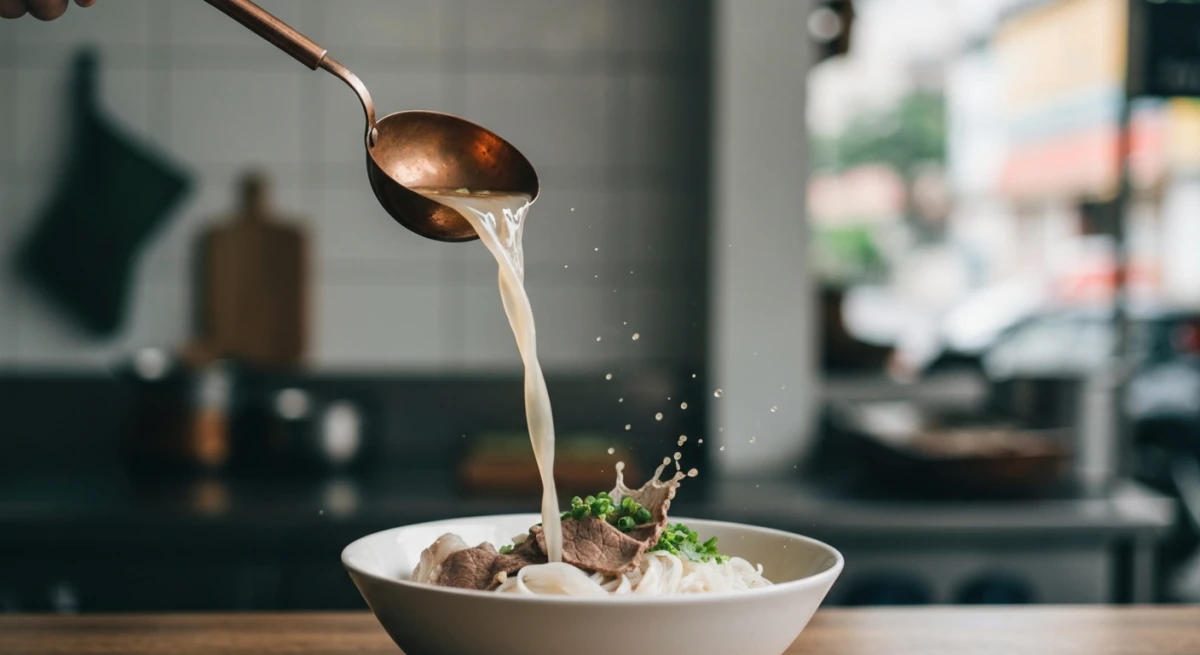
Northern pho is all about simplicity and purity. The broth at Pho Minh is a work of art—crystal-clear, light, yet incredibly deep and aromatic, simmered for over twelve hours with beef bones, charred ginger, onions, and delicate hints of cinnamon and star anise. Unlike Southern-style pho, you won't find a sweet broth or a table piled high with hoisin sauce and a forest of fresh herbs. Instead, the focus is entirely on the quality of the beef (choose from tender beef loin, brisket, or flank) and the pristine broth, garnished simply with fresh scallions and cilantro. An essential local insider tip: order a pâté chaud (a flaky, French-influenced puff pastry filled with savory minced pork) to enjoy alongside your steaming bowl of pho. Be sure to arrive early; Pho Minh opens at 7:00 AM and typically sells out of its best cuts by 10:00 AM.
Bún Riêu Gánh Bến Thành: The Royal Crab Noodle Soup
Located just outside the east gate of Ben Thanh Market at 4 Phan Bội Châu, Bún Riêu Gánh has been serving its famous tomato and crab noodle soup for over forty years. Originally a humble street vendor carrying her ingredients on a shoulder pole (gánh), the owner now operates from a simple, bustling storefront that still retains its street-side charm.
Bún riêu is a complex, deeply satisfying dish. The broth is made from pork bones and tomatoes, infused with fermented shrimp paste (mắm tôm) to create a rich, savory, and slightly tangy flavor profile. The star of the show is the crab paste—delicate, fluffy clouds of minced freshwater crab, egg, and pork. A standard bowl comes loaded with tender rice vermicelli, fried tofu blocks that absorb the flavorful broth, juicy tomatoes, blood pudding (huyết), and a large, savory pork meatball. Customize your bowl with a squeeze of fresh lime, a dollop of chili paste, and a handful of shredded banana blossoms and split morning glory stems. It is a vibrant, colorful, and comforting bowl that showcases the bold, complex flavors of Southern street food.
Iconic Plates: Finding the Best Com Tam (Broken Rice) in District 1
No culinary exploration of Ho Chi Minh City is complete without tasting cơm tấm, or broken rice. Originally a humble, economical dish eaten by working-class laborers and farmers who used the fractured rice grains damaged during the milling process, cơm tấm has evolved into the quintessential comfort food and culinary soul of Saigon. Today, it is enjoyed by every social class, from dawn until deep into the night, with the sweet, smoky aroma of grilling pork chops serving as the city's unofficial perfume.
Cơm Tấm Mực: The Thick-Cut Charcoal Sensation
If you are searching for the best com tam in Saigon District 1, look no further than Cơm Tấm Mực, located at 138 Nguyễn Văn Cừ. While many street-side com tam stalls serve thin, dry pork chops that have been pre-grilled and left to sit, Com Tam Muc has revolutionized the dish by focusing on premium ingredients and impeccable cooking techniques.
Their signature dish features a thick-cut pork chop (sườn nướng) marinated in a proprietary blend of honey, lemongrass, garlic, and premium fish sauce. The meat is grilled to order over live charcoal, ensuring that the pork retains its natural juices, resulting in an incredibly tender, caramelized, and smoky masterpiece. The pork chop is laid over a bed of warm, fragrant broken rice, which has a uniquely pleasant, slightly dry texture that perfectly absorbs the accompanying sauces. The plate is topped with a generous drizzle of scallion oil (mỡ hành), crispy pork lard pieces (tóp mỡ), and served with an exquisite, slightly sweet, and garlic-infused fish sauce. For the ultimate feast, order the full plate with chả trứng (a savory steamed egg, pork, and wood-ear mushroom meatloaf) and a perfectly fried egg with a runny yolk that cascades over the rice.
Cơm Tấm Dì Út: The Alleyway Heritage Spot
For a more nostalgic and deeply local dining experience, venture into the quiet alleyways near the city center to find Cơm Tấm Dì Út. This hidden gem represents the classic sidewalk com tam culture of Saigon. Here, you sit on low plastic stools just inches off the pavement while motorbikes zip past, giving you a front-row seat to the vibrant neighborhood life.
At Di Ut, the broken rice is steamed to perfection using traditional wooden steamers, giving it a light, fluffy texture. Their grilled pork chops are marinated using a recipe passed down through generations, leaning slightly sweeter in the classic Southern style. The star accompaniment here is their bì—shredded pork skin tossed with toasted rice powder (thính), which adds a wonderful nutty aroma and a chewy texture to the dish. Drizzle their house-made chili fish sauce over the entire plate, mix it all together, and savor the perfect harmony of sweet, savory, smoky, and spicy flavors that make this dish so addictive.
Historic Alleyway Eateries and Southern Clay Pots
Beyond the famous street-side stalls, some of the best food in Saigon District 1 is hidden away in historic establishments that have spent decades perfecting a single style of cooking. These spots offer a fascinating glimpse into the historical Chinese-Vietnamese culinary fusion that defines the city.
Hủ Tiếu Nam Lợi: The Master of Snakehead Fish Noodles
Tucked away at 43 Tôn Thất Đạm, Hủ Tiếu Nam Lợi is a legendary institution that has been serving exceptional Chinese-Vietnamese noodle soups for over seventy years. The restaurant's retro interior, characterized by high ceilings, wooden paneling, and antique mirrors, feels like a portal to 1950s Saigon.
Nam Loi is famous for its hủ tiếu cá (fish noodle soup). Unlike the thin, chewy tapioca noodles found in Southern-style hủ tiếu Nam Vang, Nam Loi uses wide, flat, and delicate rice noodles that have a velvety texture similar to Italian pappardelle. The broth is a culinary masterpiece—silky, clear, and intensely savory, brewed from sweet pork bones and dried squid. The bowl is topped with paper-thin slices of fresh snakehead fish, which cook instantly in the boiling broth, remaining incredibly tender and delicate. The soup is garnished simply with fresh chives, cilantro, and a dash of white pepper. If you prefer something heartier, order the hủ tiếu sườn, which features massive, fall-off-the-bone tender pork ribs that have been slow-braised to perfection. Be sure to order a plate of their crispy, deep-fried Chinese breadsticks (quẩy) to dip into the rich broth.
Tiệm Cơm Chuyên Ký: The Last of the Cantonese Clay Pots
Just a few steps away at 65 Tôn Thất Đạm, down a quiet alleyway, lies Tiệm Cơm Chuyên Ký. Operating since 1948, Chuyen Ky is one of the very last traditional Cantonese clay pot rice (cơm thố) restaurants in Ho Chi Minh City. Stepping inside is like walking into a classic Hong Kong cinema set, with vintage green tiles, wooden tables, and elderly servers who move with practiced efficiency.
The magic of Chuyen Ky lies in how the rice is cooked. Each portion of rice is steamed individually inside small, seasoned ceramic clay pots, which helps retain the natural moisture and aroma of the grains. You can choose from a wide variety of savory toppings that are steamed directly over the rice, allowing their juices and flavors to seep deep into the grains. The crowd favorites include the steamed chicken with Chinese sausage (lạp xưởng), braised beef brisket with tendon, and savory pork ribs in black bean sauce. The high heat of the clay pot creates a beautifully fragrant, piping-hot meal where the rice at the bottom becomes slightly crispy. It is a hearty, deeply nostalgic dining experience that honors the profound historical Chinese influence on Saigon's culinary landscape.
Bếp Mẹ Ỉn: Homestyle Comfort Food Near Ben Thanh
For travelers seeking a comprehensive introduction to traditional Vietnamese home-style cooking (cơm gia đình), Bếp Mẹ Ỉn is an absolute must-visit. Hidden down a colorful alleyway at 136/9 Lê Thánh Tôn, right next to the bustling Ben Thanh Market, this Bib Gourmand-recognized restaurant offers a warm, welcoming, and vibrant atmosphere. The walls are painted a cheerful banana yellow, decorated with blue shutters and rustic wooden stools to replicate the cozy feel of a traditional Vietnamese village home.
The menu at Bep Me In is a celebration of rustic, comforting flavors. A standout dish is their bánh xèo—a crispy, golden Southern-style sizzling crepe filled with plump shrimp, pork belly, and fresh bean sprouts. Unlike greasy street versions, their crepe is incredibly light, airy, and shatteringly crisp. To eat it, tear off a piece of the warm crepe, wrap it in a large mustard green or lettuce leaf along with fresh herbs like mint and fish mint, and dip it into their balanced sweet-and-sour fish sauce. Another must-order is their cơm chiên trái dừa—fragrant fried rice tossed with seafood, lotus seeds, and vegetables, served beautifully inside a fresh, hollowed-out coconut. The warmth of the rice coaxes out the subtle sweetness and coconut oil from the shell, creating a wonderfully fragrant and savory dish.
Contemporary Bites & Michelin Magic: Elevating District 1 Dining
While District 1 is deeply rooted in its street food heritage, it is also the epicenter of Vietnam's modern culinary revolution. Over the past decade, a new generation of innovative chefs—many of them returning Viet Kieu (overseas Vietnamese)—have returned to Saigon to redefine what Vietnamese cuisine can be. By blending traditional flavors and street food sensibilities with modern culinary techniques and premium global ingredients, they have put District 1 on the global fine-dining map.
Anan Saigon: Vietnam's First Michelin Star
No discussion of modern dining in District 1 is complete without mentioning Anan Saigon, located at 89 Tôn Thất Đạm. Founded by Chef Peter Cuong Franklin, Anan (which translates to "eat eat") made history in 2023 by earning Vietnam's first-ever Michelin star—an accolade it has proudly maintained.
The restaurant's location is a poetic statement in itself. It is situated inside a narrow, multi-story building in the middle of the Chợ Cũ wet market—the oldest active wet market in District 1. As you walk to the restaurant, you pass vendors selling fresh herbs, live seafood, and tropical fruits, experiencing the raw, chaotic energy of traditional Saigon before stepping into the sleek, intimate dining room.
Chef Peter's culinary philosophy, which he terms "Cuisine Mới" (Modern Vietnamese Cuisine), takes inspiration from the country's vibrant street food culture and elevates it through French culinary techniques. Anan famously gained global attention with its "$100 Bánh Mì"—a decadent creation featuring French foie gras, black truffles, mayonnaise, and premium pork belly inside a crusty baguette, served with a side of sweet potato fries and a bowl of rich truffle-infused broth. Beyond this headline-grabbing dish, the restaurant's tasting menus are a spectacular journey through elevated Vietnamese flavors. Standard street foods like bún chả, bún riêu, and chả cá lã vọng are deconstructed and reimagined with premium ingredients like Wagyu beef, Iberico pork, and local herbs sourced directly from Dalat. After dinner, head up to the restaurant's rooftop bar for a creative craft cocktail while enjoying a breathtaking view of the bustling market and the glowing Bitexco Financial Tower above.
ST25 by KOTO: Social Enterprise Meets Fine Dining
For an elevated dining experience that warms the soul, visit ST25 by KOTO, located within the luxurious Sofitel Saigon Plaza. ST25 is a collaboration with KOTO (Know One, Teach One), a pioneering social enterprise founded by Jimmy Pham that provides life-changing hospitality and culinary training to at-risk and disadvantaged youth in Vietnam.
The restaurant takes its name from ST25, the award-winning fragrant rice variety developed in Vietnam that was crowned the world's best rice. The menu is a gorgeous tribute to the diverse culinary regions of Vietnam, prepared using modern cooking techniques and beautifully presented. The kitchen team, comprised of talented KOTO graduates and seasoned chefs, sources the finest local ingredients to create dishes that are both creative and deeply comforting. Highlights include the slow-cooked beef short ribs served with an aromatic lemongrass and star anise glaze, pan-seared sea bass with a delicate ginger-scallion sauce, and, of course, their signature ST25 rice dishes cooked to fluffy perfection. Dining here is not only a world-class culinary experience but also a meaningful way to support the local community and the next generation of Vietnamese culinary talent.
Square One: The Pinnacle of Luxury Dining
For those seeking a sophisticated, classic dining experience, Square One at the Park Hyatt Saigon is the gold standard. The restaurant's design is an elegant blend of French colonial charm and contemporary Vietnamese art, featuring private dining rooms, open show kitchens, and a beautifully curated wine cellar.
Square One offers a unique dual-concept menu: one half showcases the finest of French bistronomy, while the other half presents authentic, traditional Vietnamese heritage dishes. This allows diners to experience the historical culinary relationship between France and Vietnam in a single sitting. On the Vietnamese side, the culinary team uses premium, sustainable ingredients to recreate home-style classics. Standout dishes include the clay pot braised caramelized pork belly with quail eggs, wok-fried black pepper beef tenderloin, and live seafood cooked to order. The service is impeccable, the atmosphere is refined yet welcoming, and the wine pairings are expertly curated, making it the perfect destination for a special occasion or a luxurious night out in District 1.
Insider Dining Tips: How to Eat in District 1 Like a Pro
Navigating the bustling food scene of District 1 can be intimidating for first-time visitors. To ensure you have the safest, most delicious, and most authentic experience, keep these expert tips in mind:
- Embrace the High Turnover Rule: When eating street food, look for stalls that are crowded with local patrons. A high turnover rate means that the ingredients are fresh, cooked continuously, and haven't been sitting out in the tropical heat. Avoid stalls that look empty or where the food has been pre-cooked and left uncovered.
- Don't Fear the Plastic Stool: Some of the most flavorful broth, the crispiest pork, and the most legendary recipes are served at sidewalk stalls where you sit on tiny plastic stools. Put aside any expectations of white-glove service and embrace the lively, chaotic energy of the sidewalk—it is an essential part of Saigon's food culture.
- Understand the Pricing: While District 1 is the most expensive district in Ho Chi Minh City, local street food remains incredibly affordable. A bowl of world-class pho or a plate of com tam typically costs between 40,000 to 90,000 VND ($1.60 to $3.60 USD). In mid-range, sit-down restaurants, expect to pay 150,000 to 300,000 VND ($6.00 to $12.00 USD) per person. High-end fine dining tasting menus, such as those at Anan Saigon, can range from 1,500,000 to 3,000,000 VND ($60 to $120 USD) or more.
- Hydrate Wisely: The Saigon heat can be intense, especially during the dry season. To stay refreshed, do as the locals do and order a trà đá (iced green tea) with your meal. It is incredibly cheap (often costing only 2,000 to 5,000 VND) and serves as the perfect palate cleanser. For a sweeter treat, try nước mía (freshly squeezed sugarcane juice with a hint of calamansi citrus).
- Use Grab for Food Hops: District 1 is large and walking in the heat can be exhausting, especially when navigating heavy motorbike traffic. Download the Grab app on your phone. It allows you to easily book cheap scooter rides (GrabBike) to zip between food stops, or order food directly to your hotel room if you want a relaxing night in.
Frequently Asked Questions About the Best Food in Saigon District 1
Where can I find the best food in Saigon District 1 late at night?
For late-night cravings, the areas around Bui Vien Walking Street and Ben Thanh Market are your best bets. You can find excellent late-night street food like bánh mì, hủ tiếu, and charcoal-grilled skewers operating until 2:00 AM or later. Another classic late-night option is cháo sườn (savory pork rib congee) or a hotpot (lẩu) gathering at local street-side restaurants.
Is street food in District 1 safe for tourists to eat?
Yes, street food in District 1 is generally very safe, provided you follow basic precautions. Stick to stalls with a high volume of local customers, as this guarantees fresh ingredients and fast turnover. Ensure that hot dishes like noodle soups are served boiling hot, and eat grilled meats that are cooked fresh to order over charcoal. Avoid tap water and opt for bottled water or ice made from purified water, which is standard in almost all established District 1 venues.
What is the difference between Northern and Southern Vietnamese food?
Northern Vietnamese cuisine (originated in Hanoi) tends to be more delicate, simple, and balanced, relying heavily on black pepper, salt, and MSG rather than sugar or heavy spices. Southern Vietnamese cuisine (centered in Saigon) is bolder, sweeter, and more vibrant, characterized by the heavy use of coconut milk, fresh herbs, garlic, lemongrass, sugar, and fiery chilies.
Are there good vegetarian options in District 1?
Absolutely. Vietnam has a deep Buddhist heritage, which has fostered a world-class vegetarian (chay) food culture. In District 1, you can find incredible vegetarian restaurants ranging from budget-friendly local eateries to upscale venues. Highly recommended spots include Chay Garden (a beautiful, tranquil villa serving elevated vegetarian dishes) and Hum Vegetarian (celebrated for its creative, organic, and health-focused vegetarian cuisine).
Do I need to tip at restaurants in District 1?
Tipping is not traditional or expected at casual street food stalls, local family-run joints, or coffee shops in District 1. However, if you receive exceptional service, leaving a small tip of 20,000 to 50,000 VND is highly appreciated by the staff. In high-end hotels, fine dining establishments, and modern cocktail bars, a 5% to 10% service charge and VAT are often automatically added to the bill, so tipping is at your discretion.
Savoring Every Bite
Ultimately, the best food in saigon district 1 is defined by its incredible diversity. It is a place where you can begin your morning slurping a light, delicate 1940s-style beef pho down a quiet alleyway, spend your afternoon munching on a crispy, rich street-side bánh mì as motorbikes roar past, and end your evening savoring a world-class, Michelin-starred tasting menu overlooking a bustling historic wet market. Each dish, each stall, and each restaurant tells a story of survival, innovation, and cultural fusion. By stepping out of your comfort zone, embracing the street food culture, and eating like a local, you will discover that District 1 is not just the heart of Saigon's commerce—it is the very soul of its culinary magic.