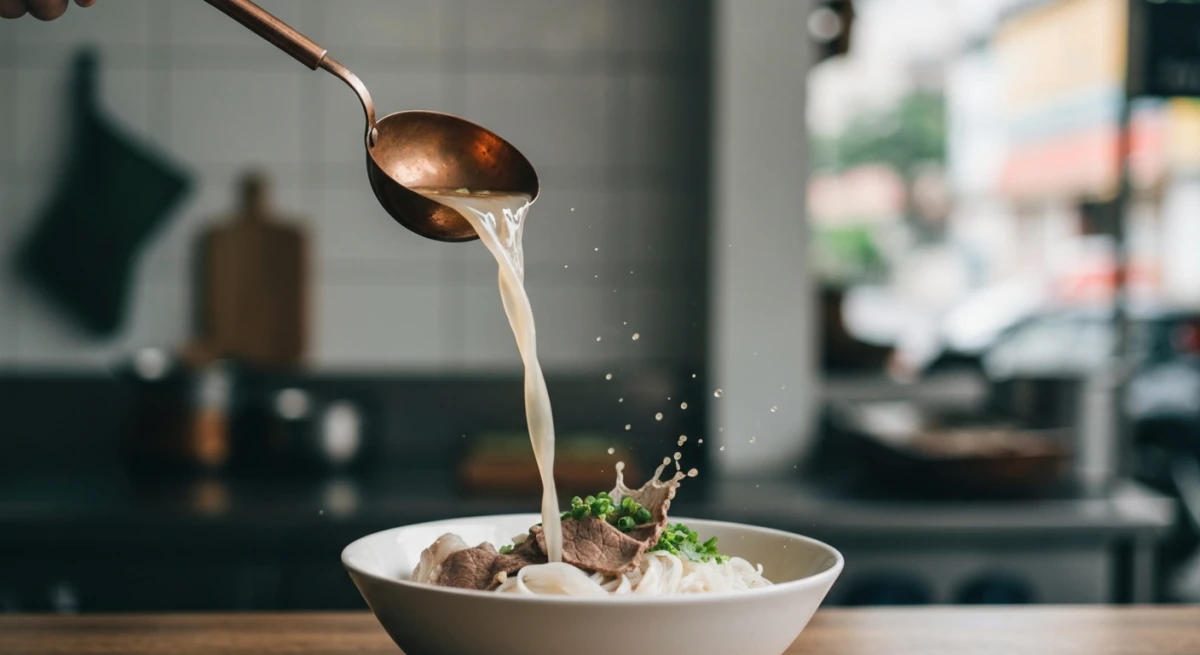
Ho Chi Minh City, colloquially known to locals as Saigon, is a sprawling, high-octane sensory overload. From the synchronized chaos of millions of flowing motorbikes to the sweet, smoky aroma of charcoal-grilled pork wafting through neon-lit alleys, it is a city that defines itself through food. If you are looking to truly understand Saigon's heartbeat, finding the best food market Ho Chi Minh has to offer is the ultimate culinary pilgrimage.
For travelers, navigating this landscape can be intimidating. While iconic landmarks like the historic Ben Thanh Market dominate tourist brochures, the true culinary magic of Saigon is scattered across various districts, hidden in narrow alleyways, local wet markets, and newly established modern food halls. The search for the ultimate dining experience isn't about finding the fanciest restaurant; it's about sliding onto a tiny blue plastic stool, breathing in the steam of a 24-hour simmering broth, and rubbing elbows with hungry locals.
This guide provides an exhaustive, boots-on-the-ground look at the best food markets in Ho Chi Minh City. We will move beyond the outdated online recommendations to give you fresh, accurate details on where to eat, what to order, and how to conquer Saigon’s food markets like a seasoned local.
1. Ben Nghe Street Food Market: The Modern Food Hall Evolution
Address: 134 Nam Ky Khoi Nghia, Ben Nghe Ward, District 1 Operating Hours: 9:00 AM – 11:00 PM (Peak vibe from 6:00 PM onwards) Best For: First-time travelers, hybrid dining, and a vibrant nightlife atmosphere
If you have been researching Saigon's culinary scene, you might have read about the famous "Ben Thanh Street Food Market." Here is a vital insider correction: that specific market was relocated, reimagined, and rebranded as the Ben Nghe Street Food Market. Located a short walk from the historic Independence Palace, this trendy, open-air food hall is the perfect starting point for visitors who want to ease into Vietnamese street food without immediately diving into the gritty chaos of local wet markets.
Ben Nghe Street Food Market acts as a curated, hygienic, and highly social culinary playground. Over 20 stylized food stalls line the perimeter, offering a fusion of traditional Vietnamese staples and international favorites. The center of the market is filled with long communal wooden tables under an expansive, decorated canopy adorned with glowing lanterns and street art murals. In the evenings, the atmosphere transforms with live acoustic bands, making it a popular spot for both travelers and young Saigoneers to gather, sip craft beer, and share plates.
Must-Eat Dishes at Ben Nghe:
- Charcoal-Grilled Seafood Skewers (Hải Sản Nướng): You will find stalls displaying fresh octopus, giant river prawns, and squid. They are brushed with a spicy chili-lemongrass glaze and grilled to order over glowing coals.
- Crispy Southern Pancakes (Bánh Xèo): Watch the cooks swirl a thin, turmeric-infused rice batter in hot woks to create paper-thin, incredibly crispy crepes filled with pork, shrimp, and bean sprouts. Wrap pieces of the crepe in mustard leaves and fresh herbs, then dip them into a sweet and tangy fish sauce (nước chấm).
- Gourmet Bánh Mì: While you can buy basic sandwiches on any street corner, the stalls here offer upgraded variations featuring slow-cooked pork belly, savory meatballs, and house-made pâté.
Why it’s a must-visit: It is clean, English-friendly, offers cold craft beer, and provides an effortless way for groups with diverse palates to dine together under one lively roof.
2. Ho Thi Ky Flower & Food Market: Flowers and Fusion Cuisine
Address: 52 Ho Thi Ky Street, Ward 1, District 10 Operating Hours: 4:00 PM – 11:00 PM (The food street thrives in the evening) Best For: Adventurous foodies, sweet tooths, and experiencing local youth culture
Located in District 10, Ho Thi Ky is famous throughout Vietnam as the city's largest overnight wholesale flower market. Truckloads of lilies, roses, chrysanthemums, and lotuses arrive from the highland city of Da Lat, filling the air with a sweet, floral perfume. However, as the sun begins to set, the parallel residential alleys of Ho Thi Ky transform into one of the most high-energy, crowded, and diverse street food markets in Saigon.
What sets Ho Thi Ky apart from any other "best food market Ho Chi Minh" list is its distinct Cambodian influence. Historically, this neighborhood became a haven for Khmer-Vietnamese families returning from Cambodia in the 1970s. As a result, the market offers an exceptional selection of fusion dishes and authentic Cambodian street eats that you simply cannot find anywhere else in the city.
Must-Eat Dishes at Ho Thi Ky:
- Cambodian Fish Noodle Soup (Bún Num Bo Choc): This legendary Khmer dish features a vibrant, yellow-green broth flavored with wild ginger, turmeric, lemongrass, and fermented fish paste. It is served with snakehead fish fillets and a mountain of fresh banana blossoms, water lilies, and herbs.
- Lemongrass Grilled Beef Skewers (Bò Nướng Bơ Campuchia): Beef skewers are heavily marinated in lemongrass, garlic, and kaffir lime, then grilled over open flames while being basted with rich Cambodian butter. They are served with pickled green papaya salad and tucked into warm, crusty bread.
- Cambodian Sweet Soup (Chè Campuchia): End your savory feast with a bowl of traditional sweet soup. The highlight is chè bí chưng (steamed pumpkin filled with rich egg custard), combined with chewy tamarind seeds, durian, and coconut milk over shaved ice.
- Grilled Rice Paper (Bánh Tráng Nướng): Often referred to as "Vietnamese pizza", this popular snack consists of a thin sheet of rice paper grilled over charcoal, topped with quail eggs, green onions, minced pork, dried shrimp, and a drizzle of sriracha and sweet mayonnaise.
Why it’s a must-visit: The sheer density of unique stalls makes Ho Thi Ky an exciting, fast-paced culinary safari. It is loud, packed, and represents the absolute peak of modern Saigon youth food culture.
3. Xom Chieu 200 Market: District 4's Raw Street Food Paradise
Address: 200 Xom Chieu Street, Ward 15, District 4 Operating Hours: 4:00 PM – Midnight (Peak hours are 6:00 PM to 10:00 PM) Best For: Zero-filter local immersion, incredibly cheap prices, and legendary seafood
For decades, District 4 had a reputation as Saigon’s gritty, working-class dockworkers' enclave. While those rough-and-tumble days are long gone, the district has retained its dense, maze-like street grid and an uncompromisingly local soul. Among Saigoneers, District 4 is widely regarded as the holy grail of street food. At the absolute heart of this culinary reputation is Xom Chieu 200 Market (commonly known as Chợ 200).
Stretching for about 250 meters along a narrow alleyway connecting Xom Chieu Street and Doan Van Bo Street, Cho 200 is a wet market by day and a dazzling street food corridor by night. Here, there are no tourists, no English menus, and no compromises on flavor. It is a dizzying, smoke-filled assault on the senses where food trucks, glass cabinets, and low plastic tables crowd the pavement.
Must-Eat Dishes at Xom Chieu 200:
- Pha Lau (Phá Lấu Cô Oanh): This is the quintessential Saigon street food experience. Pha Lau is a rich, comforting stew made of beef or pork offal simmered in a creamy, heavily spiced coconut-milk broth flavored with five-spice. It is served piping hot in a small bowl with a side of sweet chili-tamarind dipping sauce and a fresh, crusty baguette (bánh mì) to mop up every drop.
- Water-Waterfall Fried Chicken Rice (Cơm Gà Xối Mỡ Cô Chín): This stall is famous for its unique cooking method. Chicken thighs are placed under a literal waterfall of hot, recycling oil, creating an incredibly crispy skin while keeping the meat juicy. It is served alongside fragrant, red-tinted tomato rice and pickled cucumbers.
- Crab Tapioca Noodle Soup (Bánh Canh Cua): A thick, viscous broth loaded with sweet crab meat, chewy tapioca noodles, quail eggs, slices of pork roll, and cubes of rich blood pudding. It is incredibly hearty and comforting.
- Stir-fried Sea Snails (Ốc): You cannot visit District 4 without eating ốc. Pick a stall with trays of fresh shellfish and order Ốc Hương Sốt Trứng Muối (sweet snails stir-fried in a rich, velvety salted egg yolk sauce) or Ốc Móng Tay Xào Rau Răm (razor clams stir-fried with garlic and Vietnamese coriander).
Why it’s a must-visit: Xom Chieu 200 is the definition of authentic. The prices are incredibly low—you can easily feast on three or four dishes for less than $8 USD—and the food quality is extraordinarily high.
4. Tan Dinh Market: Late-Night Cravings and Historical Charm
Address: 336 Hai Ba Trung, Tan Dinh Ward, District 1 Operating Hours: 5:00 PM – 2:00 AM (The evening food stalls set up along the perimeter) Best For: Night owls, legendary single-dish stalls, and beautiful French architecture
Built in 1926 by the French colonial administration, Tan Dinh Market is one of Saigon’s oldest and most visually stunning heritage buildings. While the interior is famous for its massive fabric and textile wholesalers during the day, the exterior streets along Hai Ba Trung and Nguyen Huu Cau turn into a premier late-night dining hub as soon as the sun goes down.
Located right across the street from the vibrant, salmon-pink Tan Dinh Church (a massive tourist draw), Tan Dinh Market’s nighttime food scene caters heavily to local night owls, offering rich, heavy comfort dishes designed to satisfy late-night cravings. The stalls here are less about quick snacks and more about legendary, multi-generational single-dish eateries that have perfected their recipes over decades.
Must-Eat Dishes at Tan Dinh:
- Savoury Rib Porridge (Cháo Sườn Cô Giang): Forget everything you think you know about plain rice porridge. This stall serves a velvety, silky smooth congee made by slow-simmering broken rice in a rich pork-bone broth. It is loaded with tender, fall-off-the-bone pork ribs, savory pork floss (ruốc), minced pork, and served with sliced pieces of quẩy (crispy, fried Chinese dough sticks).
- Legendary Chicken Sticky Rice (Xôi Gà 310): A massive, bustling stall that has been feeding locals for decades. They serve steaming plates of chewy, savory sticky rice topped with deep-fried chicken thighs, shredded chicken breast, Chinese sausage (lạp xưởng), and fried shallots, all drizzled with a rich, house-secret savory soy sauce.
- Claypot Frog Porridge (Cháo Ếch): Tender frog meat is caramelized in a thick, dark, spicy soy-and-black-pepper sauce inside a piping-hot clay pot, served alongside a plain bowl of scallion-infused rice porridge.
Why it’s a must-visit: Tan Dinh offers a beautiful historic backdrop, unparalleled late-night dining options, and some of the most refined, comforting bowls of porridge and rice in the entire city.
5. Ba Chieu Market: Binh Thanh’s Round-The-Clock Culinary Hub
Address: Ward 1, Binh Thanh District (At the intersection of Bach Dang and Le Quang Dinh) Operating Hours: 24 Hours (The street food stalls peak from 5:00 PM to 2:00 AM) Best For: Off-the-beaten-path exploration, rich southern flavors, and late-night feasts
If you want to escape the gravitational pull of District 1 entirely, make your way northeast to Binh Thanh District to explore Ba Chieu Market. Originally established in 1942, this sprawling market serves as the commercial heart of Binh Thanh. While it operates around the clock as a traditional wet market and clothing bazaar, it is legendary among local foodies as a midnight dining destination.
Because Ba Chieu is located in a densely populated residential district with very few foreign tourists, the flavors here are bold, uncompromised, and lean toward the sweeter, richer profiles characteristic of southern Vietnamese home cooking. The market’s perimeter is packed with long-running food stalls that offer exceptionally large portions at highly competitive prices.
Must-Eat Dishes at Ba Chieu:
- Ba Chieu Chicken Sticky Rice (Xôi Gà Bà Chiểu): This is arguably the most famous sticky rice stall in the entire city. Tucked in an alleyway at the back of the market, this legendary spot serves hot sticky rice wrapped in banana leaves, topped with sweet-and-savory char siu pork (xá xíu) or a giant, crispy fried chicken thigh. The magic lies in their secret, sweet soy-chili sauce and a generous drizzle of green scallion oil (mỡ hành).
- Southern Style Clear Noodle Soup (Hủ Tiếu Mì Ba Chiểu): A comforting bowl of chewy rice noodles and thin egg noodles in a sweet, clear pork-bone broth, loaded with sliced pork, minced meat, quail eggs, and fresh chives.
- Sweet Dessert Soups (Chè Cô Mai): Treat yourself to traditional Southern Vietnamese chè. You can customize your bowl with a mix of sweet beans, grass jelly, water chestnut rubies, jackfruit, and pandan jelly, all drenched in freshly squeezed, rich coconut cream and shaved ice.
Why it’s a must-visit: It is an incredibly lively, raw, and non-touristy environment that offers some of the absolute best value-for-money comfort food in Saigon.
6. Binh Tay Market (Cho Lon): The Chinese-Vietnamese Melting Pot
Address: 57A Thap Muoi, Ward 2, District 6 Operating Hours: 6:00 AM – 7:00 PM (The food court and surrounding street stalls thrive during lunch hours) Best For: Wholesale shopping, historic Chinese-French architecture, and Hokkien-Cantonese fusion cuisine
No exploration of Saigon's market culture is complete without a journey into Cho Lon (District 5 and District 6), home to one of the largest and oldest Chinatowns in the world. At the absolute center of this historic neighborhood sits Binh Tay Market, a spectacular architectural masterpiece built in the 1920s by a wealthy Chinese merchant named Quach Dam. The market features a stunning central clock tower, yellow-tiled Chinese roofs, and a peaceful inner courtyard.
While Binh Tay is primarily a bustling wholesale market selling everything from dried spices to plastic goods, the outdoor food court located at the rear of the market, along with the surrounding street corners, is a culinary paradise. Here, the food tells the story of generations of Chinese immigrants who adapted their Hokkien, Cantonese, and Teochew recipes to local southern Vietnamese ingredients.
Must-Eat Dishes at Binh Tay:
- Hokkien Braised Duck Noodles (Mì Vịt Tiềm): A massive, deep-fried duck leg is braised in a dark, rich broth infused with five-spice, star anise, cinnamon, and Chinese medicinal herbs. It is served with chewy, fresh yellow egg noodles, dried shiitake mushrooms, and pickled bok choy to cut through the richness.
- Phnom Penh Noodle Soup (Hủ Tiếu Nam Vang): Originating from Cambodia but heavily influenced by Teochew immigrants, this popular dish features rice noodles served dry (tossed in a savory soy-garlic sauce) or wet (in a sweet pork-bone broth). It is piled high with minced pork, sliced pork, shrimp, liver, quail eggs, and crispy fried garlic.
- Plump Wonton Soup (Sủi Cảo): Delicate, hand-wrapped dumplings filled with minced pork and fresh shrimp, steamed to perfection and served in a delicate, sweet pork-and-radish broth.
Why it’s a must-visit: It is a fascinating cultural and culinary transition. The rich, herbal, and savory flavor profiles here offer a brilliant contrast to the sweeter, herb-heavy dishes of Southern Vietnam.
Survival Guide: How to Navigate Saigon's Food Markets Like a Pro
Conquering the bustling food markets of Ho Chi Minh City requires more than just an appetite. To ensure you have an incredible, stomach-safe adventure, keep these essential local tips in mind:
1. Cash is King (Carry Small Notes)
While digital banking, e-wallets (like MoMo), and VietQR codes have exploded across Vietnam’s retail shops and restaurants, local street food vendors and market stalls still heavily rely on physical cash. Always carry small bill denominations (10,000 VND, 20,000 VND, and 50,000 VND notes). Handing a vendor a 500,000 VND bill for a 20,000 VND bowl of porridge is highly discouraged, as they often do not have the change.
2. Follow the Crowds for Food Safety
Many travelers worry about "Saigon belly" when eating street food. The easiest way to guarantee freshness and safety is simple: follow the local crowds. Stalls that are packed with locals—especially families and students sitting on tiny plastic stools—have an incredibly fast turnover of ingredients. The food is cooked hot, served immediately, and never sits out.
3. Bring Your Own Sanitation Kit
Most traditional street stalls at wet markets do not have running water or hand-washing sinks. Always carry a travel-sized bottle of hand sanitizer and a pack of wet wipes. It is also good practice to use a tissue to wipe down your chopsticks and metal spoons before eating.
4. Know How to Deal with Motorbikes
At markets like Ho Thi Ky and Xom Chieu 200, the alleys are shared with active motorbike traffic. Do not panic when you hear a scooter horn behind you. Walk at a steady, predictable pace along the side of the alley, and do not make sudden, erratic sideways movements. The riders are highly skilled at navigating around pedestrians as long as your path is predictable.
FAQs: Your Saigon Food Market Questions Answered
What is the difference between Ben Thanh Market and Ben Nghe Street Food Market?
Ben Thanh Market is a historic, covered municipal market that operates primarily during the day, selling souvenirs, coffee, and fresh produce, with a traditional indoor food court that closes in the late afternoon. Ben Nghe Street Food Market (formerly Ben Thanh Street Food Market) is a modern, trendy, open-air evening food hall located a few blocks away at 134 Nam Ky Khoi Nghia, designed specifically for evening dining, social gatherings, and live music.
Is street food in Ho Chi Minh City safe for tourists?
Yes, street food in Ho Chi Minh City is generally very safe and hygienic, provided you use basic common sense. Look for busy stalls with high customer turnover, ensure your food is cooked fresh and served steaming hot, avoid raw vegetables if you have a sensitive stomach, and always drink bottled water.
What is the cheapest food market in Saigon?
Xom Chieu 200 Market in District 4 and Ba Chieu Market in Binh Thanh District offer the most budget-friendly dining experiences. Because they cater almost exclusively to local residents rather than tourists, a full meal including main dishes, drinks, and desserts can easily cost under $5 to $8 USD.
Are there vegetarian options at these food markets?
Yes. To find vegetarian food, look for stalls or banners displaying the word "Chay" (which denotes Buddhist vegetarian cuisine). Tan Dinh Market and Ben Nghe Street Food Market both offer excellent vegetarian options, including vegetarian noodle soups (hủ tiếu chay) and fresh spring rolls (gỏi cuốn chay).
Conclusion
Finding the best food market Ho Chi Minh has to offer isn't about finding a single, perfect destination; it is about embracing the incredible diversity of Saigon's distinct neighborhoods. Whether you prefer the clean, trendy, and social atmosphere of the modern Ben Nghe Street Food Market, the chaotic, Cambodian-influenced alleys of Ho Thi Ky, or the raw, unfiltered culinary paradise of District 4's Xom Chieu 200, each market offers a unique window into the soul of this magnificent city.
Pack your hand sanitizer, load up your pockets with small cash bills, hop on a Grab, and dive headfirst into the ultimate culinary adventure that is Saigon’s street food market scene. Your taste buds will thank you.