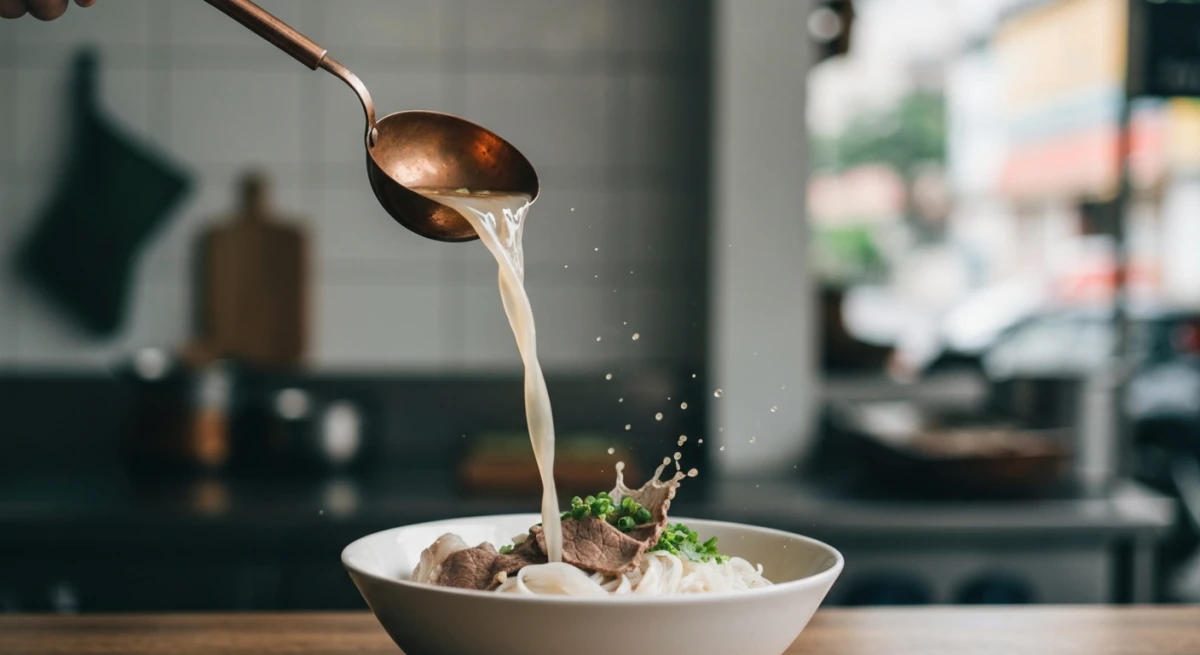
If you are searching for the best food to eat in ho chi minh, you are about to embark on one of the greatest culinary adventures of your life. Formerly known as Saigon, this bustling metropolis of southern Vietnam is a dizzying sensory storm. From the moment you step onto its chaotic streets, you are greeted by the roar of motorbikes, the warm hum of tropical humidity, and above all, the intoxicating aroma of sizzling charcoal, sweet lemongrass, and rich, simmering bone broths.
Saigon's food scene is a living, breathing map of cultural convergence. Unlike the minimalist, tradition-bound palate of northern Vietnam, southern Vietnamese cuisine is bold, unapologetic, and highly adaptable. Blessed with the fertile soils of the Mekong Delta, Saigon's cooks have access to an unparalleled bounty of fresh herbs, tropical fruits, and freshwater seafood. This abundance translates into a flavor profile that leans sweeter, spicier, and far more herb-heavy than the rest of the country. Furthermore, centuries of French colonization, Chinese migration, and trade with neighboring Cambodia have woven deep international threads into the local culinary tapestry.
To truly experience Ho Chi Minh City, you must leave the polished air-conditioned dining rooms behind and embrace the sidewalk. Pull up a low plastic stool, navigate the labyrinthine alleyways, and eat where the locals eat. In this comprehensive, expert-vetted 2026 guide, we will unpack the must-try dishes, reveal the hidden culinary spots that tourist maps miss, and give you the insider tips needed to navigate Saigon's street food like a seasoned pro.
1. The Holy Trinity of Saigon Street Food (With a Local Twist)
When people think of Vietnamese food, their minds instantly drift to classics like Pho and Bánh Mì. While these dishes are available nationwide, Saigon puts its own unmistakable stamp on them. Here is how to eat the city's three most iconic staples like a local.
Cơm Tấm (Broken Rice)
Originally considered a 'poor man's food', Cơm Tấm is the undisputed culinary mascot of Ho Chi Minh City. Historically, rice farmers in the Mekong Delta could not sell grains that fractured during the milling process, so they kept the 'broken rice' for their own consumption. Over the decades, these smaller, denser grains became prized for their unique texture—they absorb sauces and smoky meat juices far better than whole rice.
A classic plate of Cơm Tấm consists of a bed of broken rice topped with a charcoal-grilled pork chop (sườn nướng), which has been marinated in a sweet-savory mixture of garlic, lemongrass, honey, and fish sauce. This is accompanied by chả trứng (a steamed pork-and-egg meatloaf packed with glass noodles and wood-ear mushrooms) and bì (thinly shredded pork skin tossed in toasted rice powder). The entire plate is drizzled with mỡ hành (scallion oil) and served with a side of sweetened, garlicky nước chấm (fish sauce) and pickled daikon and carrots (đồ chua).
- Where to eat like a local:
- Cơm Tấm Ba Ghiền (84 Đặng Văn Ngữ, Phú Nhuận District): Famous for its massive, thick-cut pork chops that overflow the plate. It has earned a Michelin Bib Gourmand, so prepare for crowds, but the smoky flavor is unmatched.
- Cơm Tấm Nguyễn Văn Cừ (74 Nguyễn Văn Cừ, District 1): Considerably more expensive than standard street stalls, but locals swear by its premium cuts of melt-in-your-mouth pork and perfectly caramelized glaze.
Bánh Mì
The French introduced baguettes, liver pâté, and cold cuts to Vietnam during the colonial era, but it was the creative cooks of Saigon who transformed these elements into the Bánh Mì we know today. By adding rice flour to the wheat dough, they created a lighter, fluffier bread with a paper-thin, crispy crust that shatters beautifully when bitten. They replaced French butter with rich, creamy egg-yolk mayonnaise and stuffed the baguette with fresh cilantro, cucumber, pickled vegetables, and fiery bird's eye chilies to balance the heavy meats.
A proper Saigon-style Bánh Mì is a masterpiece of textures and temperatures: crispy warm bread, creamy cool pâté, savory meats, and tangy, crunchy pickles.
- Where to eat like a local:
- Bánh Mì Huỳnh Hoa (26 Lê Thị Riêng, District 1): Often called the 'heavyweight champion' of Bánh Mì. It is an absolute meat bomb, packed with layers of pork floss, headcheese, Vietnamese ham, and an incredibly decadent spread of house-made pâté and butter. One sandwich is easily large enough for two people.
- Bánh Mì Hồng Hoa (54 Nguyễn Văn Tráng, District 1): If Huỳnh Hoa feels too overwhelming, Hồng Hoa is the local favorite. The baguettes are baked fresh on-site, and the ratio of meat to fresh herbs and crispy pickles is perfectly balanced for a light, refreshing breakfast.
Phở Nam (Southern-Style Pho)
While Phở originated in Hanoi, the Southern version (Phở Nam) evolved into a completely different culinary beast. Northern Pho is minimalist, focusing on a crystal-clear, clean broth with a subtle, delicate beef aroma, eaten only with a squeeze of lime and a few slices of fresh chili.
In contrast, Southern Pho is a vibrant, chaotic celebration of flavor. The broth is simmered for up to 24 hours with charred onions, ginger, and a heavier hand of warming spices like star anise, cinnamon, black cardamom, and cloves, resulting in a sweeter, more aromatic profile. Most importantly, Southern Pho is served with a mountain of fresh table greens—including Thai basil, sawtooth herb (ngò gai), rice paddy herb, bean sprouts, and lime—along with bowls of sweet hoisin sauce and spicy chili sauce. It is up to you, the diner, to tear the herbs, squeeze the sauces, and customize your bowl into a personalized masterpiece.
- Where to eat like a local:
- Phở Lệ (413-415 Nguyễn Trãi, District 5): Located in the heart of Cholon (Chinatown), this legendary spot serves a deeply rich, slightly sweet beef broth that is the gold standard of Southern Pho.
- Phở Hòa Pasteur (260C Pasteur, District 3): A historic multi-generational restaurant that has been serving incredible bowls of Pho for decades. Don't forget to order quẩy (deep-fried dough sticks) to dip into your savory broth.
2. Beyond the Basics: Soul-Stirring Soups & Noodle Masterpieces
If you only eat Pho in Saigon, you are missing out on the vast majority of the city's noodle culture. The local culinary landscape is dominated by a dizzying array of soups and dry noodle dishes that showcase the city's multicultural history.
Hủ Tiếu Nam Vang (Cambodian-Chinese Pork Noodle Soup)
To understand Saigon's historical role as a trade hub, look no further than a bowl of Hủ Tiếu Nam Vang. 'Nam Vang' is the Vietnamese name for Phnom Penh, the capital of Cambodia. This dish was brought to Saigon by Cambodian-Chinese immigrants and adapted to suit local tastes.
The soul of this dish is its sweet, savory broth, which is brewed from pork bones, dried squid, and rock sugar. Unlike the soft rice noodles of Pho, Hủ Tiếu uses chewy, elastic tapioca noodles. A standard bowl is loaded with minced pork, sliced pork loin, whole shrimp, quail eggs, and occasionally tender pork liver and heart. It is topped with a heavy hand of crispy fried garlic, chives, and Chinese celery. You can order it wet (nước) with the broth in the bowl, or dry (khô), where the noodles are tossed in a rich, sweet-savory dark soy sauce glaze and served with the hot broth in a separate bowl on the side.
- Where to eat like a local:
- Hủ Tiếu Nhân Quán (122D Cách Mạng Tháng 8, District 3): A highly popular local chain that serves some of the best dry (khô) Hủ Tiếu in the city. The garlic oil aroma here is intoxicating.
- Hủ Tiếu Thanh Xuân (62 Tôn Thất Thiệp, District 1): Over 70 years old, this historic alleyway shop is famous for adding a unique, rich crab-claw gravy to their dry noodle bowls.
Bún Thịt Nướng (Cold Rice Noodles with Grilled Pork)
If the heat of Saigon makes a hot bowl of soup unappealing, Bún Thịt Nướng is your savior. This is a refreshing dry noodle dish that perfectly balances temperature, texture, and flavor.
The foundation is a bed of cold rice vermicelli noodles (bún) sitting on a layer of shredded lettuce, bean sprouts, fresh mint, and cucumber. Atop the noodles sits warm, smoky charcoal-grilled pork (thịt nướng), crushed roasted peanuts, scallion oil, and a crispy, deep-fried spring roll (chả giò). The entire bowl is dressed with a generous pour of light, tangy, sweet-and-sour nước chấm fish sauce. You toss everything together like a salad, creating a bite that is simultaneously crunchy, chewy, sweet, savory, and cool.
- Where to eat like a local:
- Bún Thịt Nướng Chị Tuyền (175 Cô Giang, District 1): This legendary street food stall is famous for its heavily marinated, thick-cut grilled pork and exceptionally crispy spring rolls. The lines can get long, but the reward is worth the wait.
Bún Riêu Cua (Crab and Tomato Noodle Soup)
Bún Riêu is a rustic, soul-satisfying noodle soup that boasts a vibrant reddish-orange color derived from fresh tomatoes and annatto seed oil. The broth is a culinary feat—made by simmering pork bones and fresh tomatoes with a delicate paste of freshwater crabs. During the cooking process, the crab shell paste forms soft, cloud-like rafts (riêu) on the surface of the soup, resembling a light crab soufflé.
A bowl of Bún Riêu is incredibly hearty, packed with thick rice vermicelli noodles, fried tofu puffs that absorb the rich broth, congealed pig's blood (huyết), tender pork ribs, and Vietnamese ham. To eat it like a local, you must add a small spoonful of fermented shrimp paste (mắm tôm) and a squeeze of lime to unleash the soup's deep umami flavors. It is served with a mountain of shredded banana blossoms and split water spinach.
- Where to eat like a local:
- Bún Riêu Gánh (4 Phan Bội Châu, District 1): Originally a simple street side stall next to Ben Thanh Market, this business has moved into a clean, modern storefront. It remains a beloved spot for both tourists and locals looking for a deeply flavorful, authentic crab broth.
3. The Ultimate Local Experience: Snail (Ốc) Culture & Crispy Bánh Xèo
To truly eat like a Saigonese, you must step away from individual bowls of noodles and dive into the communal dining experiences that define the city's social fabric.
The Art of Eating Ốc (Sea Snails & Shellfish)
In Saigon, eating snails (Ăn Ốc) is not just a culinary preference; it is a lifestyle. It is the cornerstone of nhậu—the local drinking and socializing culture. When the sun goes down, locals gather around low metal tables on the sidewalks, cracking open shells, sipping ice-cold local beers, and laughing late into the night.
Do not let the word 'snail' intimidate you. The term Ốc covers an incredibly diverse array of sea snails, sweetwater snails, clams, cockles, oysters, and crabs. Each variety is prepared using a range of cooking styles and rich, decadent sauces:
Sốt trứng muối (Salted Egg Yolk Sauce): A rich, creamy, buttery sauce that goes perfectly with Ốc hương (sweet snails). Save some bread to dip in this!
Xào me (Tamarind Stir-Fry): A thick, sweet, and tangy sauce often paired with Ốc móng tay (razor clams) or crab claws.
Nướng mỡ hành (Grilled with Scallion Oil and Peanuts): A smoky, savory preparation ideal for scallops (Sò điệp) or hairy cockles (Sò lông).
Hấp sả (Steamed with Lemongrass): A clean, aromatic broth used for sweet clams (Nghêu).
Where to eat like a local:
- Vĩnh Khánh Street (District 4): This street is the spiritual home of Saigon's snail culture. As evening falls, the entire road transforms into a bustling, smoky open-air seafood barbecue. Pull up a stool at any crowded stall and let your senses guide you.
- Ốc Đào (212B/C79 Nguyễn Trãi, District 1): Tucked deep inside a residential alley, this legendary courtyard restaurant is clean, highly organized, and famous for having some of the freshest shellfish and best sauces in the city.
Bánh Xèo (Southern-Style Sizzling Crepes)
Bánh Xèo literally translates to 'sizzling cake', named after the loud hiss the rice batter makes when poured onto a scorching hot, oiled skillet. While central Vietnam serves small, thick crepes, the southern Bánh Xèo of Saigon is massive—often the size of a hubcap.
The batter is a mixture of rice flour, coconut milk, and turmeric powder, which gives the crepe its vibrant yellow color and earthy aroma (contrary to popular belief, there are no eggs in the batter). The cook swirls the batter around the giant wok to create paper-thin, incredibly crispy edges, then fills the center with pork belly, fresh shrimp, mung beans, and bean sprouts before folding it in half.
Eating Bánh Xèo is a hands-on, interactive process. You tear off a piece of the hot, crispy crepe and wrap it inside a large, bitter mustard green leaf or lettuce leaf. You then stuff it with fresh herbs like Thai basil, mint, and perilla, roll it into a neat package, and dip it into a sweet, chili-flecked fish sauce (nước mắm chua ngọt). The contrast between the hot, crunchy, fatty crepe and the cool, bitter, herbaceous wrap is absolute perfection.
- Where to eat like a local:
- Bánh Xèo Đinh Công Tráng (46A Đinh Công Tráng, District 1): A historic alleyway restaurant that has been frying up these giant, crispy crepes for generations. It is arguably the most famous Bánh Xèo spot in Saigon.
- Bánh Xèo Ăn Là Ghiền (74 Sương Nguyệt Ánh, District 1): A comfortable, air-conditioned restaurant that specializes in high-quality, cleanly prepared Bánh Xèo with a wide variety of fillings, including mushrooms, seafood, and vegetarian options.
4. Sweet Treats, Historic Coffee, and Drinking Culture
No meal in Saigon is complete without exploring the city's legendary beverage and dessert scenes. From intense morning caffeine fixes to late-night sweet soups, here is how to satisfy your sweet tooth.
Cà Phê Sữa Đá & Cà Phê Vợt
Saigon is fueled by caffeine. The standard drink is Cà Phê Sữa Đá (Iced Milk Coffee), made using dark-roasted Robusta beans brewed through a slow-dripping metal filter (phin) directly over a thick layer of sweet condensed milk, then poured over a tall glass of crushed ice. It is sweet, intensely bitter, creamy, and strong enough to power you through a full day of sightseeing.
For an even more authentic historical experience, seek out Cà Phê Vợt (Racket Coffee). This traditional brewing method predates the metal filters. Coffee grounds are placed inside a long fabric filter (resembling a stocking or racket) and steeped in clay pots kept warm over hot coals. This results in a smoother, deeply aromatic, and incredibly rich cup of coffee.
- Where to experience it:
- Cheo Leo Cafe (109/36 Nguyễn Thiện Thuật, District 3): Operating since 1938, this is the oldest functional racket coffee shop in Saigon. Tucked inside a quiet alley, it offers a nostalgic glimpse into the city's past. Sip your coffee on vintage wooden chairs while listening to old Vietnamese music.
Chè (Traditional Sweet Desserts)
To cool down in the tropical heat, locals turn to Chè—a broad category of sweet dessert soups, puddings, and drinks. Chè can be served hot or cold and features a dazzling array of ingredients, including coconut milk, sweetened beans (mung, red, or white beans), jelly, glutinous rice, grass jelly, taro, and tropical fruits like durian and jackfruit.
- Where to experience it:
- Chè Hà Ký (138 Châu Văn Liêm, District 5): Located in Cholon, this legendary Chinese-Vietnamese dessert shop serves incredible traditional sweet soups. Try the hot black sesame paste (chè mè đen) or the refreshing cold ginkgo nut sweet soup.
5. Insider Tips for Navigating the Saigon Food Scene like a Pro
Eating street food in a bustling metropolis of over 9 million people can feel intimidating for first-time visitors. Follow these expert tips to ensure your culinary journey is safe, affordable, and incredibly delicious.
1. Look for the 'Plastic Stool' Crowd
The golden rule of street food is simple: follow the crowds. If you see a street cart surrounded by a sea of locals sitting on tiny plastic stools, eat there. High local turnover guarantees that the ingredients are fresh, the food hasn't been sitting around, and the flavors are highly authentic.
2. Understand the Districts
Saigon is divided into numbered and named districts, each with its own distinct culinary personality:
- District 1: The commercial heart of the city. While it has plenty of great, accessible eateries, prices are generally higher, and the flavors are sometimes toned down for tourist palates.
- District 3: Shady, tree-lined streets with a perfect mix of cool, trendy cafes, historical sites, and excellent local noodle shops.
- District 4: Formerly a rugged port area, now legendary as the ultimate street food district. Head here for affordable, high-quality seafood, snails, and street snacks.
- District 5 (Cholon): Chinatown. This is the place to go for Chinese-influenced dishes, roasted meats, dumplings, and herbal noodle soups.
3. Embrace the Sidewalk Etiquette
When eating at street side stalls, don't expect Western table service. Wipe down your chopsticks and spoons with a tissue before eating (a common local practice). If you notice used tissues and lime wedges on the ground beneath the tables, don't worry—in local street food joints, this is the norm. Keep the table clean, and the staff will sweep the floor periodically.
6. Frequently Asked Questions (FAQ)
Is street food in Ho Chi Minh City safe to eat?
Yes, street food in Saigon is generally very safe, provided you use common sense. Stick to stalls that are busy with high customer turnover. Choose hot, cooked-to-order dishes. The ice (đá) used in drinks in Saigon is almost always produced in purified ice factories and is safe to consume, but avoid drinking untreated tap water.
What is the difference between Northern and Southern Vietnamese food?
Northern Vietnamese food is minimalist, subtly seasoned, and relies on black pepper for heat. Southern Vietnamese food is bolder, sweeter, and spicier. The south makes extensive use of coconut milk, palm sugar, chili, and a massive variety of fresh, raw herbs.
How much does a typical meal cost in Saigon?
Street food meals like a bowl of Pho, a plate of Cơm Tấm, or a Bánh Mì typically cost between 35,000 VND and 75,000 VND ($1.50 to $3.00 USD). A sit-down meal at a casual, mid-range local restaurant will run between 150,000 VND and 300,000 VND ($6.00 to $12.00 USD) per person.
Can vegetarians easily find food in Ho Chi Minh City?
Absolutely! Look for signs or menus that display the word 'Chay' (vegetarian). Buddhist vegetarian cuisine is highly popular in Saigon, especially on the 1st and 15th days of the lunar calendar. You will find incredible vegetarian versions of Pho, Bánh Mì, and broken rice made with tofu, mushrooms, and creative plant-based mock meats.
Conclusion
Saigon's culinary landscape is not merely about sustenance; it is a living, breathing sensory journey that reflects the history, resilience, and warm hospitality of its people. Every crispy bite of Bánh Mì, smoky forkful of Cơm Tấm, and aromatic sip of Phở tells a story of cultural exchange and pure culinary passion.
The absolute best food to eat in ho chi minh is not found in high-end, sterile hotel dining rooms. It is found in the narrow, smoky alleyways, on the vibrating sidewalks, and around the low plastic tables where the city's heart beats loudest. Leave your food inhibitions at the door, grab a pair of chopsticks, pull up a plastic stool, and experience the magical flavors of Saigon for yourself.