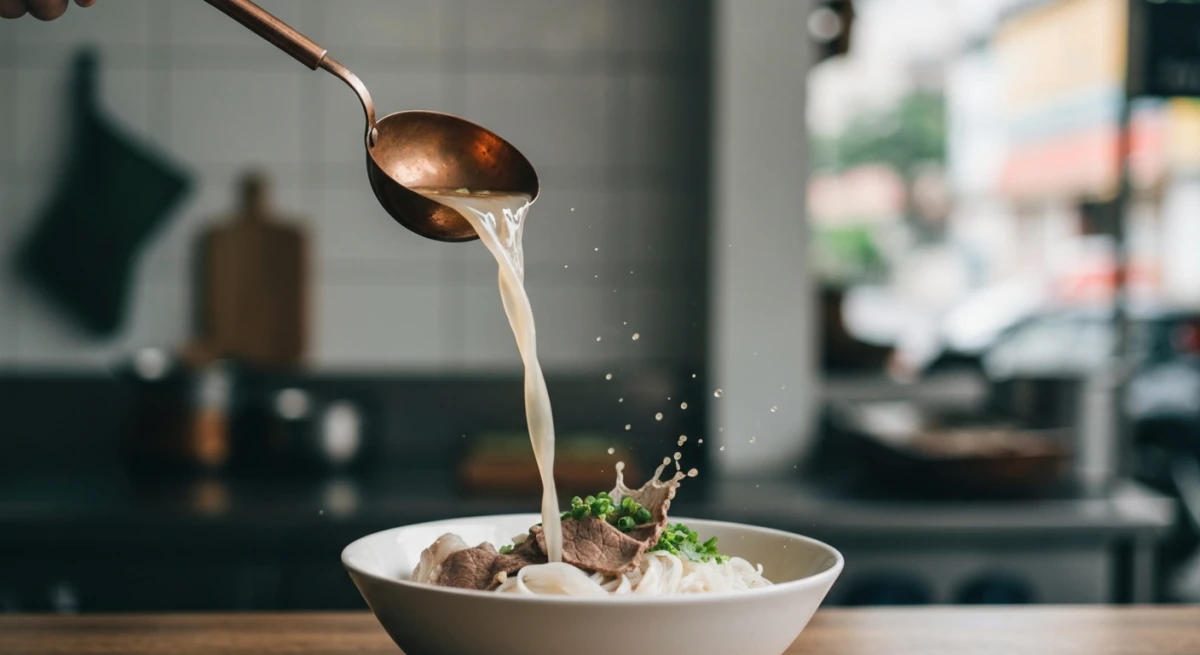
Ho Chi Minh City, colloquially known as Saigon, is globally celebrated as a culinary wonderland. For food enthusiasts, digital nomads, and expats alike, the city represents a unique intersection of incredibly low cost and world-class flavor profiles. Whether you want to enjoy a legendary bowl of Pho on a low-lying plastic stool by the roadside or dine at a Michelin-rated fusion restaurant overlooking the Saigon River, understanding the real food cost in ho chi minh city is essential for budgeting your stay.
As we navigate 2026, minor inflationary adjustments and shifting exchange rates have slightly modified local prices. However, Vietnam's commercial hub remains incredibly budget-friendly. This comprehensive guide breaks down exactly what you can expect to spend on street food, mid-range dining, high-end culinary experiences, groceries, and beverages, helping you craft a precise monthly or daily budget.
1. The Dining Tiers of Saigon: A Comprehensive Cost Overview
To get a realistic grasp of the food cost in Ho Chi Minh City, it helps to categorize your eating habits into three core tiers. The lifestyle you choose will be the biggest driver of your overall food budget.
Tier 1: The Local Explorer (Street Food & Hole-in-the-Wall Joints)
If your primary goal is to eat like a local, you will experience the absolute best of Saigon's food scene at a staggeringly low cost. This lifestyle relies heavily on local street carts, neighborhood wet markets, and simple "quán" (no-frills, open-air eateries).
- Average Daily Cost: 100,000 to 180,000 VND ($4.00 to $7.20 USD)
- Best Suited For: Backpackers, budget-conscious digital nomads, and cultural purists.
Tier 2: The Balanced Expat (Local Bistros, Cafes, and Casual Western Dining)
Many expats and visitors prefer a hybrid model: local breakfasts, a Western-style lunch, cozy specialty cafes for remote work, and comfortable air-conditioned restaurants for dinner.
- Average Daily Cost: 250,000 to 550,000 VND ($10.00 to $22.00 USD)
- Best Suited For: Mid-range travelers, long-term expats, and remote workers who enjoy comfort and variety.
Tier 3: The Luxury Connoisseur (Fine Dining, Upscale Cafes, and Imported Goods)
Saigon boasts an increasingly sophisticated high-end culinary scene, complete with Michelin-starred establishments, gorgeous rooftop bistros, imported steak houses, and premium artisan cocktail bars.
- Average Daily Cost: 1,000,000 to 2,500,000+ VND ($40.00 to $100.00+ USD)
- Best Suited For: Luxury travelers, high-income expats, and foodies seeking elite gastronomic experiences.
| Dining Tier | Average Cost Per Meal (VND) | Average Cost Per Meal (USD) | Estimated Monthly Food Budget |
|---|---|---|---|
| Tier 1 (Local) | 35,000 - 60,000 VND | $1.40 - $2.40 USD | 3,500,000 - 5,000,000 VND ($140 - $200 USD) |
| Tier 2 (Mid-Range) | 120,000 - 250,000 VND | $4.80 - $10.00 USD | 8,000,000 - 15,000,000 VND ($320 - $600 USD) |
| Tier 3 (High-End) | 600,000 - 1,500,000+ VND | $24.00 - $60.00+ USD | 25,000,000 - 45,000,000+ VND ($1,000 - $1,800+ USD) |
2. Demystifying Street Food Prices: Real 2026 Costs for Iconic Dishes
The heartbeat of Saigon is its street food. Far from just a "cheap" alternative, street dining is a way of life here. The ingredients are bought fresh from the market every morning, and recipes are often passed down through generations. Here is what you will actually pay for the city's most iconic dishes in 2026:
Phở (Beef or Chicken Noodle Soup)
- Local Street Stall: 45,000 - 65,000 VND ($1.80 - $2.60 USD)
- Air-Conditioned Chain (e.g., Pho Hung, Pho 24): 75,000 - 95,000 VND ($3.00 - $3.80 USD) The golden standard of Vietnamese cuisine. A massive bowl of steaming broth, fresh rice noodles, and tender cuts of beef (phở bò) or chicken (phở gà) served with a mountain of fresh herbs and lime wedges.
Bánh Mì (Vietnamese Baguette)
- Neighborhood Street Cart: 20,000 - 35,000 VND ($0.80 - $1.40 USD)
- Famous Institutions (e.g., Bánh Mì Huỳnh Hoa, Bánh Mì Hồng Hoa): 45,000 - 68,000 VND ($1.80 - $2.72 USD) The ultimate grab-and-go meal. A crispy French-style baguette stuffed with pate, mayonnaise, cucumber, pickled daikon and carrots, fresh cilantro, and various meats like pork belly, chả lụa (Vietnamese ham), or grilled pork. While premium shops charge more, their sandwiches are easily large enough to share or count as a heavy, satisfying meal.
Cơm Tấm (Broken Rice with Grilled Pork Chop)
- Local Lunch Spot: 35,000 - 55,000 VND ($1.40 - $2.20 USD)
- Premium Specialty Shops: 70,000 - 110,000 VND ($2.80 - $4.40 USD) Saigon's quintessential breakfast and lunch dish. Broken rice topped with a perfectly marinated, smoky grilled pork chop (sườn), savory steamed egg meatloaf (chả trứng), shredded pork skin (bì), and a fried egg (ốp la). Drizzle it with sweet and savory fish sauce (nước chấm) for the ultimate local flavor profile.
Bún Thịt Nướng (Cold Rice Noodles with Grilled Pork & Spring Rolls)
- Typical Street Vendor: 40,000 - 60,000 VND ($1.60 - $2.40 USD) An incredibly refreshing dish perfect for Saigon's tropical heat. Cold vermicelli noodles are layered with fresh herbs, crisp lettuce, bean sprouts, deeply charred grilled pork, chopped fried spring rolls, crushed peanuts, and scallion oil.
Hủ Tiếu (Southern Pork and Seafood Noodle Soup)
- Street Vendor: 35,000 - 50,000 VND ($1.40 - $2.00 USD) This dish is incredibly popular in Southern Vietnam, representing the Chinese and Cambodian culinary influence on Saigon. It features thin rice noodles or chewy tapioca noodles served with a savory pork bone broth, topped with sliced pork, minced meat, quail eggs, shrimp, and fresh herbs.
Bánh Xèo (Vietnamese Sizzling Crepe)
- Standard Spot: 40,000 - 70,000 VND ($1.60 - $2.80 USD) A crispy, turmeric-flavored rice batter crepe stuffed with pork, shrimp, mung beans, and bean sprouts. It is eaten wrapped in mustard leaves and lettuce, stuffed with herbs, and dipped in sweet chili fish sauce.
Gỏi Cuốn (Fresh Summer Rolls)
- Per Piece Price: 10,000 - 15,000 VND ($0.40 - $0.60 USD) Translucent rice paper wraps containing shrimp, pork slices, rice vermicelli, fresh herbs, and chives, served with a rich, savory peanut dipping sauce. Two or three make the perfect afternoon snack.
Chè (Sweet Dessert Soups)
- Per Cup: 15,000 - 25,000 VND ($0.60 - $1.00 USD) Perfect for cooling down, these desserts consist of shaved ice, coconut milk, jellies, sweet beans, and tropical fruits.
3. Groceries and Home Cooking: Wet Markets vs. Modern Supermarkets
For expats planning a long-term stay, cooking at home is an option to consider. However, a fascinating quirk of the food cost in ho chi minh city is that cooking Western-style dishes at home can actually be significantly more expensive than eating local street food. Where you shop heavily influences your grocery bill.
Wet Markets: The Budget Choice
Visiting a local wet market (Chợ) early in the morning is where you will find the lowest prices and the freshest ingredients. You buy your meat directly from the butcher and your vegetables from farmers who brought them in that night from the Mekong Delta or Da Lat. For many newcomers, a wet market can feel intimidating. The lack of English signage and rapid-fire transactions can make it feel like you are set up to pay a "foreigner tax." However, most local sellers are friendly and honest. To navigate this:
- Learn basic numbers in Vietnamese (một, hai, ba, bốn, năm...).
- Point and observe what locals are paying.
- Bring small bills. Handing over a 500,000 VND note for a 20,000 VND bunch of spinach will cause frustration. Instead, carry 10,000, 20,000, and 50,000 VND notes.
- Don't haggle aggressively over fresh food. Prices are usually already low, and a respectful smile goes a long way.
Modern Supermarkets: Convenience and Variety
For a more standardized experience, supermarkets like Co.opmart, WinMart, and Lotte Mart are highly popular. They offer fixed pricing, clean environments, and card payments. For imported Western comforts (like French cheeses, Italian olive oils, Australian beef, or specific baking ingredients), premium stores like Annam Gourmet or Market54 are the go-to choices, albeit at a steep premium. Annam Gourmet is highly popular in Thao Dien (D2) and District 1. Excellent selection of European wines, imported deli meats, artisanal cheeses, and organic vegetables. A single shopping trip here can easily cost 1,000,000 to 2,000,000 VND ($40 to $80 USD), which is comparable to high-end grocery shopping in the US or Europe. WinMart & Co.opmart are highly localized supermarket chains where prices are extremely reasonable. You'll find a massive assortment of Asian pantry staples, fresh local meats, seafood, and budget-friendly household goods.
Here is a realistic breakdown of typical grocery costs in Saigon for 2026:
| Grocery Item | Wet Market Price (VND) | Supermarket Price (VND) | Equivalent USD (Average) |
|---|---|---|---|
| White Rice (1 kg) | 15,000 - 20,000 VND | 22,000 - 30,000 VND | $0.60 - $1.20 |
| Chicken Fillet / Breast (1 kg) | 70,000 - 85,000 VND | 90,000 - 115,000 VND | $2.80 - $4.60 |
| Beef Sirloin / Round (1 kg) | 220,000 - 260,000 VND | 280,000 - 350,000 VND | $8.80 - $14.00 |
| Fresh Milk (1 Liter) | N/A | 38,000 - 46,000 VND | $1.52 - $1.84 |
| Large Chicken Eggs (Pack of 10) | 30,000 - 35,000 VND | 38,000 - 45,000 VND | $1.20 - $1.80 |
| Local Tomatoes (1 kg) | 18,000 - 25,000 VND | 28,000 - 38,000 VND | $0.72 - $1.52 |
| Potatoes (1 kg) | 20,000 - 28,000 VND | 30,000 - 40,000 VND | $0.80 - $1.60 |
| Bananas (1 kg) | 15,000 - 22,000 VND | 25,000 - 35,000 VND | $0.60 - $1.40 |
| Local Craft/Domestic Beer (Can) | N/A | 16,000 - 24,000 VND | $0.64 - $0.96 |
| Large Bottled Water (1.5 Liters) | N/A | 10,000 - 14,000 VND | $0.40 - $0.56 |
4. Drinks, Cafe Culture, and Nightlife Costs in Saigon
Saigon’s drink scene is legendary. The city is fueled by caffeine during the day and transitions seamlessly into a bustling beer and cocktail culture at night.
The Coffee Obsession: Robusta vs. Arabica
Vietnam is the world's second-largest exporter of coffee, and Saigon's cafe culture is second to none. Traditionally, Vietnamese coffee is brewed with high-caffeine Robusta beans using a metal drip filter called a "phin." This results in a thick, chocolatey brew designed to cut through thick sweetened condensed milk.
- Cà Phê Sữa Đá (Iced Coffee with Sweetened Condensed Milk): This classic kick-starter costs 15,000 to 25,000 VND ($0.60 to $1.00 USD) at a street cart. In a trendy local chain like Highlands Coffee, Cong Caphe, or Katinat, expect to pay 39,000 to 55,000 VND ($1.56 to $2.20 USD).
- Specialty Craft Coffee (Flat Whites, Cold Brews, Single-Origin Pourovers): Saigon has a massive third-wave coffee scene shifting toward specialty Arabica beans sourced from Da Lat (Cầu Đất region). Visiting aesthetically pleasing cafes in District 1 or Thao Dien will cost you 65,000 to 110,000 VND ($2.60 to $4.40 USD).
Nightlife, Alcohol, and the "Quán Nhậu" Culture
Whether you want to sit on a plastic stool with a cheap local lager or enjoy a panoramic view from a sophisticated sky lounge, Saigon has options for every wallet.
- Local Domestic Beer (Saigon Special, 333, Tiger): Extremely inexpensive. In a convenience store, a can is about 16,000 - 22,000 VND ($0.64 - $0.88 USD). At a local open-air restaurant, a cold bottle costs 25,000 to 45,000 VND ($1.00 to $1.80 USD).
- Craft Beer: Vietnam's craft beer scene is arguably the best in Southeast Asia. Pioneers like Pasteur Street Brewing, Heart of Darkness, and East West Brewing serve world-class IPAs and stouts. A pint of craft beer generally ranges from 90,000 to 145,000 VND ($3.60 to $5.80 USD).
- Cocktails at High-End Bars: Speakeasies and rooftop bars in District 1 serve cocktails on par with New York or London. Expect to pay 180,000 to 350,000+ VND ($7.20 to $14.00+ USD) per drink, often subject to service charges and VAT.
- The "Quán Nhậu" Experience: In Vietnam, drinking is almost always accompanied by food. "Quán Nhậu" are open-air street restaurants dedicated to drinking and eating. Here, you'll order plates of grilled squid, stir-fried morning glory with garlic (rau muống xào tỏi), fried chicken wings, and local beers on ice. It is a highly social, loud, and budget-friendly way to spend an evening. A full night of eating and drinking with friends at a Quán Nhậu rarely exceeds 200,000 to 300,000 VND ($8 to $12 USD) per person.
5. Location Matters: Neighborhood Cost Discrepancies
The city is vast, divided into numbered and named districts. Where you choose to eat—and live—will heavily dictate your food cost in Ho Chi Minh City.
District 1 & District 3: The Urban Center
This is the historical, commercial, and tourist heart of Saigon. Because rents are exceptionally high, restaurants and cafes here carry a premium. While you can still find pocket-friendly alleyway street food, most visible establishments target tourists and high-earning locals. Expect prices to be 20% to 50% higher than outer districts for identical items.
District 2 (Thao Dien & An Phu): The Expat Bubble
Located across the Saigon River, Thao Dien is home to a massive international community, leafy streets, and beautiful villas. It is heavily westernized. It features the city's highest concentration of gourmet pizza spots, organic bakeries, vegan cafes, French bistros, and high-end supermarkets. Eating out in Thao Dien frequently mirrors Western European prices, making it easy to run through a budget if you are not careful.
Binh Thanh & Phu Nhuan: The Cultural Sweet Spot
Bordering District 1, these highly dense local districts offer the perfect bridge between convenience and affordability. This is a paradise for food lovers. Streets like Phan Xich Long (Phu Nhuan) are lined with bubble tea shops, Korean BBQ, hotpot, and local snack shops. Meanwhile, Van Kiep and Pham Van Dong streets are legendary hubs for street food, seafood stalls, and cheap beer. This is where you get the ultimate value for your money.
District 7 (Phu My Hung): The Korean Hub
A modern, master-planned neighborhood in the south of the city, widely known for its clean air, wide streets, and massive Korean expat population. If you love Korean food, this is heaven. From authentic Korean BBQ and noodle shops to premium sushi bars and modern Western cafes, District 7 has a polished culinary layout. Prices are moderate—slightly cheaper than District 1, but more expensive than Binh Thanh or Phu Nhuan.
6. Budget Strategies: How to Eat Well on Any Budget in Saigon
With such a vast array of choices, it's easy for your food cost in ho chi minh city to climb if you aren't paying attention. Here are a few insider tips to ensure you eat exceptionally well while keeping your wallet happy:
1. Follow the Local Crowds (The Plastic Stool Rule)
The absolute best quality control in Vietnam is a crowded restaurant. If you see a street vendor with tiny plastic stools packed to the brim with locals, pull up a seat. High turnover ensures the ingredients are fresh, the food is sanitary, and the prices are strictly local.
2. Leverage Food Delivery Apps Strategically
Saigon's food delivery ecosystem is incredibly advanced. Apps like Grab and ShopeeFood are active 24/7. These apps run continuous promotions, discount codes, and free delivery options. It is often cheaper to order a meal via an app with a promo code than it is to walk to the physical restaurant and order.
3. Stick to Local Seasonal Produce
If you are cooking at home, adapt your diet to what grows locally. Tropical fruits like dragon fruit, mangoes, passionfruit, and pomelo are dirt cheap and delicious. Conversely, importing strawberries, apples, broccoli, or cheese will dramatically inflate your grocery bill.
4. Avoid the "Tourist Traps" Inside Major Markets
While Ben Thanh Market is a must-visit cultural icon, it is notoriously expensive for food. Vendors inside target tourists and charge double or triple the standard local rate. For a more authentic and affordable market food experience, head to Tan Dinh Market in District 1 or Ho Thi Ky Food Market in District 10.
7. Frequently Asked Questions (FAQ)
How much money do I need for food per day in Saigon?
For a budget traveler eating street food and drinking local coffee, $5 to $8 USD (125,000 to 200,000 VND) per day is highly realistic. For a comfortable expat lifestyle with a mix of Western and local food, plan for $15 to $25 USD (375,000 to 625,000 VND) per day.
Is street food in Ho Chi Minh City safe to eat?
Yes, street food in Saigon is generally very safe and hygienic, provided you exercise basic common sense. Look for stalls with high customer turnover, as this guarantees ingredients aren't sitting out. Watch how the food is prepared—ensure meats are cooked fresh to order and that the vendor uses clean ice (cylindrical ice with holes in the middle is industrially produced and safe).
Can I pay with a credit card for food in HCMC?
Cash is still absolutely mandatory for street food stalls, local markets, and small family-run shops. However, mid-range restaurants, western cafes, and supermarkets readily accept credit cards (Visa/Mastercard). Furthermore, mobile payments via QR codes (using local bank applications or digital wallets like MoMo and local bank transfers via VietQR) have become incredibly widespread in 2026.
Is it cheaper to cook at home or eat out in Ho Chi Minh City?
If you are eating local Vietnamese food, eating out is almost always cheaper (or equal in cost) and far more convenient than buying raw ingredients and cooking for one. However, if you crave a Western diet (e.g., pasta, steaks, salads, cheeses), cooking at home using supermarket ingredients is significantly cheaper than eating at Western restaurants.
Conclusion
Understanding the food cost in ho chi minh city highlights why Saigon remains a premier global destination for travelers and expats alike. It is a city where your budget can scale seamlessly. Whether you choose to live a frugal, culturally immersive lifestyle for under $150 USD a month in food costs, or choose to indulge in top-tier international gastronomy for $800 USD, Saigon delivers phenomenal culinary value at every single price point. Keep your eyes open, step out of your comfort zone, and enjoy one of the greatest food capitals of the world.