Exploring the vibrant culinary landscape of Vietnam's capital is an unforgettable sensory experience. As you weave through the chaotic, scooter-filled streets of the Old Quarter, the air is thick with the sweet aroma of caramelized pork, the savory steam of simmering bone broths, and the rich scent of roasting robusta coffee. To truly understand this historic city, diving headfirst into the food at hanoi is an absolute necessity.
Unlike the sweeter, herb-heavy flavors of southern Ho Chi Minh City, northern cuisine relies on clean, delicate, and deeply balanced flavors perfected over generations. In this ultimate guide, we will explore the legendary noodle bowls, crispy street eats, interactive tabletop feasts, and hidden alleyway gems that define the incredible food at hanoi. Whether you are a first-time traveler or a seasoned culinary adventurer, this guide will show you how to navigate like a local.
1. The Soul of Hanoi: Iconic Noodle Bowls
Northern Phở (Pho): Simplicity and Precision
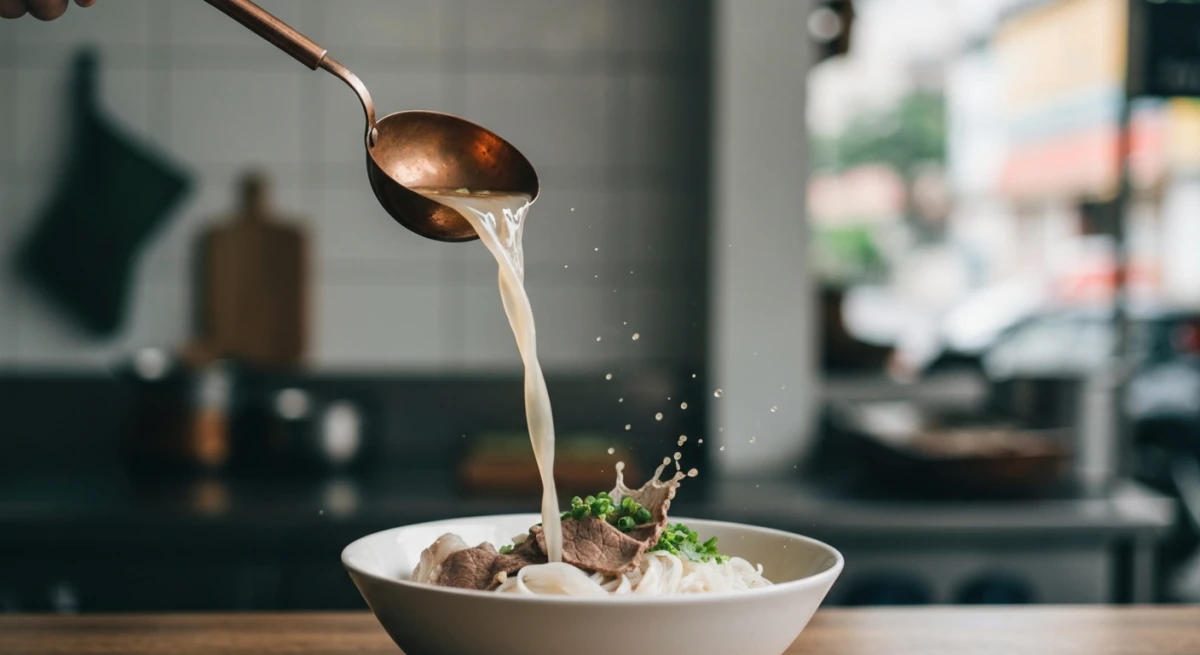
While Pho is famous worldwide, the northern style (Phở Bắc) is vastly different from its southern counterpart. In Hanoi, you won't find bean sprouts, sweet hoisin sauce, or fresh basil at your table. Instead, a bowl of food at hanoi is an exercise in elegance: a clear, fragrant beef or chicken broth, wide flat rice noodles, a generous serving of meat, and a simple garnish of scallions, cilantro, and garlic vinegar.
To experience this at its peak, visit Phở Gia Truyền Bát Đàn (49 Bát Đàn, Hoàn Kiếm). This legendary spot is famous for long queues of locals waiting for a steaming bowl of Phở Bò Tái (rare beef) or Phở Bò Chín (well-done brisket). The broth is incredibly deep, simmered with beef marrow bones, charred ginger, and star anise.
If you prefer chicken, head over to Phở Gà Nguyệt (5 Phủ Doãn, Hoàn Kiếm), a Michelin-selected street eatery that has perfected both soup and dry chicken noodles (Phở Gà Trộn). The dry version, tossed in a savory soy sauce with shredded chicken, crispy fried shallots, and crushed peanuts, is a refreshing alternative on a hot summer day.
Bún Chả: The Quintessential Charcoal-Grilled Lunch
If Pho is the king of Hanoi breakfast, Bún Chả rules the lunch hour. This dish consists of smoky, charcoal-grilled pork patties and caramelized pork belly slices served in a warm bowl of light dipping sauce (made from fish sauce, vinegar, sugar, water, and lime juice), accompanied by cold rice vermicelli noodles (bún) and fresh herbs like perilla, mint, and cilantro.
Many tourists flock to Bún Chả Hương Liên (24 Lê Văn Hưu, Hai Bà Trưng), famously dubbed the 'Obama Bun Cha' after President Barack Obama and culinary icon Anthony Bourdain shared a meal there on blue plastic stools. Ordering the 'Obama Combo' (a bowl of bun cha, a seafood spring roll, and a cold Hanoi beer) is a rite of passage.
For a hyper-local experience, try Tuyết Bún Chả 34 (34 Hàng Than, Ba Đình). Here, the pork is wrapped in wild betel leaves before grilling, giving it an incredibly fragrant, herbaceous depth. Sit on the tiny plastic stools on the pavement, dip your cold noodles into the warm, smoky broth, and experience pure Hanoian comfort.
Bún Cá: Hidden Alleyway Fish Noodles
Tucked away in the narrow labyrinth of Trung Yên Alley in the Old Quarter lies Bún Cá Sâm Cây Si (5 Ngõ Trung Yên, Hàng Bạc). This legendary hidden gem is famous for its unique fish noodle soup. Unlike other fish soups, the fish here is heavily battered and deep-fried to an unbelievable crunch before being placed into a sweet, sour broth infused with fresh tomatoes, pineapple, and plenty of fresh dill. It’s an incredibly comforting dish that showcases Hanoi's mastery of balancing textures.
2. Crispy, Rolled, and Savory Street Eats
Bánh Mì: Simple, Crusty, and Balanced
While southern Vietnam is known for oversized baguettes packed with every cold cut imaginable, Hanoi's Bánh Mì is simpler, prioritizing warm, ultra-crispy bread and rich, high-quality fillings. A classic northern Banh Mi is spread with smooth pork liver pate, home-churned butter, chili sauce, cucumber, and coriander, sometimes accompanied by grilled pork or fried eggs.
Bánh Mì 25 (25 Hàng Cá, Hoàn Kiếm) is a beloved favorite that serves clean, delicious baguettes with a variety of fillings (including vegetarian options). For a cheaper, no-frills local gem, check out Banh My Tun in the Old Quarter.
If you want a heavier meal, try Bánh Mì Chảo (skillet banh mi). This interactive dish features a small, sizzling cast-iron skillet filled with a fried egg, rich pate, sausage, and tomato gravy, served with a warm baguette on the side to scoop up the delicious sauce.
Bánh Cuốn: Delicate Steamed Rice Sheets
Bánh Cuốn is a popular breakfast dish made from a thin sheet of fermented rice batter steamed over a hot cloth. It is stuffed with seasoned minced pork and wood ear mushrooms, then rolled up and topped with crispy fried shallots. It is served with a bowl of warm, sweetened fish sauce, fresh herbs, and a slice of Vietnamese pork sausage (chả lụa).
At Bánh Cuốn Bà Xuân (16 dốc Hòe Nhai, Ba Đình), you can sit right next to the steaming pots and watch the chef effortlessly spread the paper-thin batter with a bamboo stick. The result is an incredibly light, velvety texture that melts in your mouth.
Phở Cuốn: The Truc Bach Rolling Sensation
Born in the scenic Truc Bach neighborhood, Phở Cuốn (rolled pho) is a creative spin on the traditional noodle soup. Instead of cutting the fresh sheets of rice noodles into strips, vendors keep them whole and wrap them around stir-fried beef, garlic, lettuce, and fresh herbs. Dip these rolls into a sweet, garlic-infused fish sauce for a refreshing, mess-free bite. The Truc Bach area is lined with dozens of Pho Cuon restaurants, making it the perfect spot for a lakeside evening dinner.
3. Interactive Tabletop Feasts and Café Culture
Chả Cá Lã Vọng: Sizzling Turmeric and Dill Fish
Perhaps the most famous interactive dish in the city is Chả Cá Lã Vọng. This dish is so historic that an entire street in the Old Quarter was renamed after it (Chả Cá Street). Big chunks of firm river fish (traditionally hemibagrus) are marinated in galangal, turmeric, and fermented rice, then brought to your table raw.
A portable gas stove is set up, and you pan-fry the fish in generous amounts of oil, tossing in massive handfuls of fresh dill and green scallions. Once the herbs wilt and the fish is sizzling, you scoop it into your bowl over rice vermicelli noodles, roasted peanuts, fresh herbs, and a splash of mắm tôm (pungent fermented shrimp paste) or fish sauce. While the original restaurant on Cha Ca street still exists, many locals and expats prefer Chả Cá Thăng Long (65 Đường Thành, Hoàn Kiếm) for its superior fish quality and cleaner environment.
Egg Coffee (Cà Phê Trứng): Hanoi's Velvety Masterpiece
You cannot explore the food at Hanoi without diving headfirst into its world-famous coffee culture. The undisputed crown jewel of this scene is Egg Coffee. Invented in the 1940s during a severe milk shortage caused by war, a bartender named Nguyen Van Giang decided to whip egg yolks with condensed milk and sugar to create a creamy froth that could mimic milk foam.
The result is a thick, velvety custard layer that sits on top of intense, hot Vietnamese robusta coffee, tasting like a warm, liquid tiramisu. To drink it, visit Giảng Café (39 Nguyễn Hữu Huân, Hoàn Kiếm), the original birthplace run by Giang's descendants. For a magical view, seek out Cà Phê Phố Cổ (11 Hàng Gai, Hoàn Kiếm). To find it, walk through a narrow silk shop, navigate a beautiful garden courtyard, and climb up winding spiral staircases to a rooftop terrace that offers sweeping, unobstructed views of Hoan Kiem Lake.
Coconut Coffee: Retro Vibes and Frozen Treats
If egg coffee is the traditional favorite, Coconut Coffee (Cà Phê Cốt Dừa) is the modern crowd-pleaser. Pioneered by Cộng Cà Phê—a highly successful, vintage-style coffee chain decorated with propaganda posters, military green furniture, and rustic enamel cups—this drink is a delicious blend of frozen coconut cream, condensed milk, and shaved ice poured over a rich shot of espresso. It is the ultimate refreshing pick-me-up during a humid day of sightseeing.
4. The Ultimate 3-Day Hanoi Culinary Itinerary
Day 1: Old Quarter Classics
- 8:00 AM: Start your trip with a classic bowl of beef pho at Phở Gia Truyền Bát Đàn. Get there early to avoid the longest lines.
- 10:30 AM: Sip on a warm, frothy egg coffee at Giảng Café on Nguyen Huu Huan street.
- 1:00 PM: For lunch, pull up a plastic stool at Tuyết Bún Chả 34 and enjoy the smoky, betel-leaf-infused grilled pork noodles.
- 4:00 PM: Grab a light afternoon snack of steamed rice rolls at Bánh Cuốn Bà Xuân.
- 7:00 PM: End your first day with an interactive culinary performance at Chả Cá Thăng Long, frying up turmeric-dill fish at your table.
Day 2: Hidden Alleys & Lake Views
- 8:30 AM: Head to West Lake (Hồ Tây) and enjoy a crispy, savory breakfast of Bánh Tôm (shrimp cakes) overlooking the water.
- 11:30 AM: Return to the Old Quarter and search for Trung Yên Alley to eat a bowl of deep-fried fish noodles at Bún Cá Sâm Cây Si.
- 3:00 PM: Wander down to Hoan Kiem Lake, find the hidden entrance of Cà Phê Phố Cổ, and enjoy an afternoon egg coffee with a spectacular panoramic view.
- 7:00 PM: Take a taxi up to Truc Bach Lake and indulge in a refreshing, modern dinner of Phở Cuốn (rolled pho) and crispy fried noodles (Phở Chiên Phồng).
Day 3: Porridge, Baguettes, and Fresh Beer
- 8:00 AM: Try a comforting, silky bowl of rib cartilage porridge (Cháo Sườn Sụn) at a local street corner stall.
- 12:00 PM: Grab a quick but deeply satisfying lunch at Bánh Mì 25 or Banh My Tun, pairing your baguette with a frozen coconut coffee from a nearby Cộng Cà Phê.
- 3:00 PM: Hunt down a sweet dessert of Kem Xôi (sticky rice ice cream)—a delicious combination of pandan-flavored sweet sticky rice topped with coconut ice cream and toasted coconut flakes.
- 6:30 PM: Immerse yourself in the chaotic nightlife of Tạ Hiện Street (Beer Street). Order a glass of light, fresh draft beer (Bia Hơi) for under 50 cents, and pair it with local finger foods like crispy fried fermented pork rolls (Nem Chua Rán).
5. Hygiene, Etiquette, and Vegetarian Gaps
Street Food Hygiene & Safety
Many travelers worry about 'Hanoi belly.' While your stomach might take a day or two to adjust to new spices and ingredients, real food poisoning is easily avoidable if you follow a few rules:
- Follow the Crowds: A busy stall with high turnover means the ingredients are fresh and haven't been sitting out in the heat.
- Look for Clean Workspaces: Observe if the vendor wears gloves when handling cooked meat or if they use separate utensils for raw and cooked ingredients.
- The Ice (Đá) Myth: The ice used in Hanoi's coffee shops and restaurants is generally safe, as it is manufactured in licensed factories. Avoid crushed ice from questionable, rural roadside stalls.
- Wipe Your Utensils: Grab a lime wedge or a clean tissue from the table dispenser and wipe down your chopsticks and spoon before eating.
Table Etiquette on Plastic Stools
When dining at street stalls, space is a premium. Do not be surprised if a vendor seats a stranger right next to you at your tiny table. It is perfectly normal and expected.
On the tables, you will always find condiment trays containing fresh lime wedges, sliced bird's eye chilies, chili sauce, garlic vinegar, and fish sauce. Always taste the broth first, then add lime for sourness, garlic vinegar for acidity, or chilies for heat.
Vegetarian and Vegan Survival Guide
Traditional northern Vietnamese food is heavily meat-centric. Beef and pork bones form the baseline for almost every noodle broth, meaning even a 'vegetable soup' might use a meat-based stock. However, Hanoi has a thriving Buddhist vegetarian community, and finding plant-based food at Hanoi is easier than you think if you know what to look for.
Search Google Maps for 'Quán Ăn Chay' (vegetarian eatery) or look for signs that say 'Cơm Chay'. You can order Đậu Phụ Sốt Cà Chua (crispy tofu braised in a savory, sweet tomato sauce), which is naturally vegan and served in almost every local rice tavern (Cơm Bình Dân). Additionally, specialized vegetarian restaurants like Ưu Đàm Chay offer high-end, stunningly delicious plant-based versions of Pho, Bun Rieu, and spring rolls using mushrooms, root vegetables, and tofu.
6. Frequently Asked Questions About Food at Hanoi
Is street food in Hanoi expensive?
No, Hanoi is one of the most budget-friendly food destinations in the world. A standard bowl of street-side noodle soup (like Pho or Bun Rieu) costs between 40,000 VND and 60,000 VND ($1.60 to $2.50 USD). A Banh Mi usually costs between 25,000 VND and 45,000 VND ($1.00 to $1.80 USD). Even a high-end, interactive meal like Cha Ca Thang Long will only cost around 150,000 VND to 200,000 VND ($6.00 to $8.00 USD) per person.
What is the difference between Hanoi food and Saigon (Ho Chi Minh City) food?
Northern Vietnamese food (Hanoi) is characterized by delicate, balanced, and savory flavors, with a heavy emphasis on black pepper, green scallions, and pure broths. Southern food (Saigon) is much sweeter, spicier, and uses a massive variety of fresh herbs, coconut milk, and sugar. For example, Southern Pho has a sweeter broth and is served with bean sprouts and hoisin sauce, which Hanoians consider a distraction from the pure beef broth.
When is the best time of day to eat street food in Hanoi?
Hanoi’s food scene operates on a strict schedule. Many of the best street stalls are only open during specific hours. Breakfast spots (serving Pho, Chao, or Banh Cuon) open from 6:00 AM to 9:30 AM. Lunch spots (serving Bun Cha) run from 11:00 AM to 2:00 PM. Dinner spots and interactive tabletop grills heat up from 6:00 PM to 10:00 PM. To experience the freshest food, try to align your meals with these local dining windows.
Can I drink tap water in Hanoi?
No, it is highly recommended that you do not drink tap water in Hanoi. Stick to bottled water, which is cheap and widely available at every convenience store and street stall. It is perfectly fine to brush your teeth with tap water, but drinking it directly should be avoided.
Conclusion
The food at Hanoi is more than just sustenance; it is a living history book, a sensory adventure, and a testament to the warmth of the Vietnamese people. From the first slurp of a 12-hour-simmered beef pho broth to the final sweet sip of a velvety egg coffee, every flavor tells a story of resilience, creativity, and cultural pride. By stepping out of your comfort zone, pulling up a tiny plastic stool on a crowded sidewalk, and embracing the beautiful chaos of Hanoi’s food scene, you will unlock one of the greatest culinary experiences on the planet. Pack your appetite, keep an open mind, and get ready to eat your way through the unforgettable capital of Vietnam.