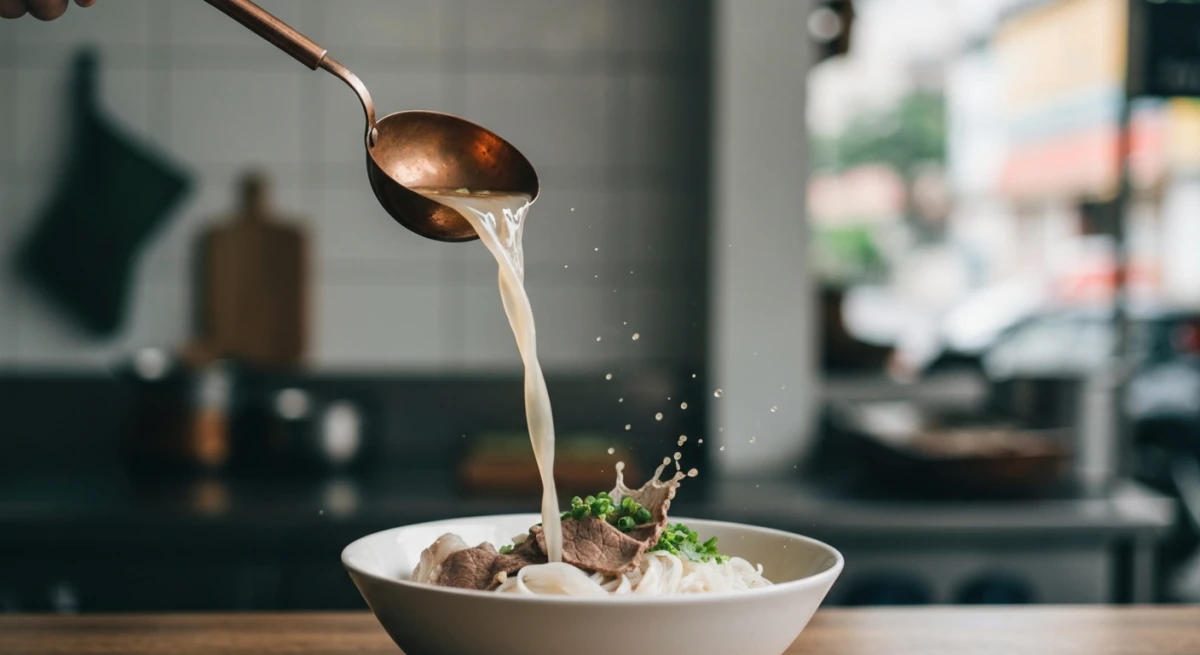
Hanoi is a city that doesn't just feed you; it consumes you. From the moment you step into the maze-like streets of the Old Quarter, your senses are bombarded with the smell of charring pork, the steam of slow-cooked bone broths, and the clinking of small glasses of fresh beer. If you are planning a culinary adventure, navigating the world of food ha noi requires more than just a list of restaurants—it requires an understanding of the city's rich history, its seasonal rhythms, and its local dining culture. This comprehensive guide will take you beyond the typical tourist traps and deep into the culinary heart of Vietnam’s capital, showcasing the absolute must-try dishes, hidden alleyway spots, and essential local etiquette.
The Soul of Northern Cuisine: Why Hanoi’s Food Scene is Unique
To truly appreciate the food ha noi offers, one must understand how it differs from the sweet, herb-heavy dishes of Southern Vietnam. Northern Vietnamese cuisine is characterized by subtlety, balance, and a deep respect for clean, clean-cut flavors. Here, black pepper takes the place of chili flakes, and the sweetness in broths comes from hours of simmering beef and pork bones rather than added sugar.
Hanoi’s food culture is deeply tied to its geography and history. Nestled in the Red River Delta, the region historically relied on freshwater fish, crabs, and rice. Centuries of Chinese influence left a mark on cooking techniques, visible in the stir-fries and noodle styles, while the French colonial era introduced baguettes, coffee culture, and the concept of beef-centric dishes like phở. Yet, what makes Hanoi's street food spectacular is how it has remained remarkably unpretentious. The city's best meals are still served on plastic stools that hover mere inches from the pavement, where the boundary between the kitchen, the dining room, and the chaotic street completely dissolves.
8 Iconic Dishes of Hanoi: What to Eat and Where to Find It
1. Phở (Beef or Chicken Noodle Soup)
Phở is the undisputed king of Vietnamese cuisine, but in Hanoi, it is treated with religious reverence. Unlike the Southern version, which is loaded with bean sprouts, basil, hoisin sauce, and sriracha, an authentic bowl of northern phở focuses entirely on the clarity and depth of its broth.
There are two main variations:
- Phở Bò (Beef Pho): The broth is simmered for up to 12 hours with beef marrow bones, charred ginger, onions, and warming spices like star anise, cinnamon, and cardamom.
- Phở Gà (Chicken Pho): A lighter, cleaner alternative utilizing free-range chicken, fragrant lime leaves, and a golden broth.
Where to eat it:
- Phở Gia Truyền Bát Đàn (49 Bát Đàn, Hoàn Kiếm): Famous for its rich, marrow-heavy beef broth and long morning queues. Don't let the line deter you; the system is highly efficient. Order the "Phở Tái Nạm" (half-done beef and flank).
- Phở Gà Nguyệt (5 Phủ Doãn, Hoàn Kiếm): A Michelin-selected gem specializing in both wet and dry chicken pho. The dry version (Phở Khô Gà), tossed in a sweet-savory soy glaze and topped with crispy fried shallots, is a revelation.
2. Bún Chả (Grilled Pork with Rice Vermicelli)
If phở is Hanoi's breakfast, bún chả is its lunch. Originating in the capital, this dish consists of charcoal-grilled pork patties (chả) and sliced pork belly submerged in a warm, sweet-and-sour dipping broth made from fish sauce, sugar, vinegar, and lime. It is served with a mountain of fresh herbs (mint, perilla, cilantro) and cold rice vermicelli (bún).
How to eat it: Plop a small handful of noodles and herbs directly into your bowl of dipping broth, grab a piece of pork, and eat them together. Be sure to order a side of nem cua bể (crab spring rolls) to dip in the broth as well.
Where to eat it:
- Bún Chả Hương Liên (24 Lê Văn Hưu, Hai Bà Trưng): Famously known as "Bun Cha Obama" after Anthony Bourdain and President Barack Obama dined here in 2016. The food is exceptionally delicious and lives up to the global hype.
- Tuyết Bún Chả 34 (34 Hàng Than, Ba Đình): A favorite among locals. The pork here is wrapped in wild betel leaves before grilling, giving it a smoky, herbaceous depth.
3. Chả Cá Lã Vọng (Sizzling Turmeric Fish with Dill)
Chả Cá is a culinary performance. It features firm chunks of freshwater fish (traditionally snakehead or catfish) marinated in turmeric, galangal, and shrimp paste. It is brought to your table raw and sizzled in oil on a small portable gas stove right in front of you, alongside massive heaps of fresh dill and scallions.
Where to eat it:
- Chả Cá Lã Vọng (14 Chả Cá, Hoàn Kiếm): The original birthplace of the dish, operating for over a century. It's historic, though some find the seating rustic.
- Chả Cá Thăng Long (6B Đường Thành, Hoàn Kiếm): Widely considered by contemporary food critics as the best all-around chả cá experience in the Old Quarter. It offers pristine hygiene, incredibly fresh fish, and a perfectly balanced mắm tôm (fermented shrimp paste) for dipping.
4. Bánh Cuốn (Steamed Rice Rolls)
Bánh cuốn is a delicate breakfast dish made from a fermented rice batter spread thinly over a cloth stretched over a pot of boiling water. Once steamed, the paper-thin sheet is filled with minced pork, wood ear mushrooms, and fried shallots, then rolled up. It is served warm with a sweet fish sauce dip, often accompanied by chả lụa (Vietnamese pork sausage) and fresh cilantro.
Where to eat it:
- Bánh Cuốn Bà Xuân (16 Dốc Hòe Nhai, Ba Đình): A legendary spot where the sheets are steamed to order. The texture is incredibly silky, and the filling is perfectly seasoned.
5. Bún Riêu Cua (Crab Noodle Soup)
Bún riêu is a rustic, comforting noodle soup featuring a tangy tomato broth cooked with pounded freshwater crab paste. The bowl is packed with fried tofu, congealed pig's blood (optional but traditional), snails (bún ốc), and meatballs, topped with a mountain of shredded banana blossoms and split water spinach. The acidity of the tomatoes and tamarind makes it the perfect antidote to Hanoi's humid summer days.
Where to eat it:
- Bún Riêu Trang (23 Nguyễn Siêu, Hoàn Kiếm): Located in the heart of the Old Quarter, this humble stall serves an intensely flavorful, crab-heavy broth that has kept locals coming back for decades.
6. Bánh Mì (Vietnamese Baguette)
While Central and Southern Vietnam are often credited with the most famous bánh mì variations, Hanoi has its own distinct, minimalist style. Rather than stacking dozens of cold cuts and heavy sauces, a classic Hanoian bánh mì focuses on the quality of a rich pork liver pâté, a smear of good butter, a sprinkle of pork floss, and crispy cucumbers, all housed within an exceptionally airy, warm baguette.
Where to eat it:
- Bánh Mì 25 (25 Hàng Cá, Hoàn Kiếm): A highly popular spot with excellent vegetarian options, though it leans slightly tourist-friendly.
- Bánh Mì Trâm (252 Cửa Nam, Hoàn Kiếm): For something truly decadent, try their bánh mì sốt vang—crispy bread served alongside a rich bowl of French-influenced beef stew slow-cooked in red wine.
7. Bún Đậu Mắm Tôm (Tofu, Vermicelli, and Fermented Shrimp Paste)
This is Hanoi’s ultimate "love-it-or-hate-it" street food. A large bamboo platter is lined with banana leaves and loaded with bite-sized blocks of crispy fried tofu, pressed rice noodles (bún lá), boiled pork belly, and fried rice patties (chả cốm). It is served with a bowl of mắm tôm—a thick, purple, violently pungent fermented shrimp paste.
The secret to enjoying it: Do not eat the shrimp paste raw. You must customize it at the table by adding freshly squeezed calamansi juice, a spoonful of sugar, and fresh chilies. Stir it vigorously with your chopsticks until it froths up. The resulting sauce is a perfect harmony of salty, sour, sweet, and umami.
Where to eat it:
- Bún Đậu Ngõ Trạm (1B Ngõ Trạm, Hoàn Kiếm): An excellent, hygienic spot to try this classic dish without feeling overwhelmed.
- Bún Đậu Hàng Khay (Ngõ 31 Hàng Khay, Hoàn Kiếm): Located in a narrow alley near Hoan Kiem Lake, this alley is packed with competing stalls, but Bún Đậu Cô Tuyến is the undisputed local champion.
8. Cà Phê Trứng (Egg Coffee)
Hanoi’s sweet tooth is perfectly encapsulated in its famous egg coffee. Invented during a milk shortage in the 1940s, this decadent drink consists of robust, dark-roasted Vietnamese robusta coffee topped with a thick, velvety custard made from egg yolks whipped with condensed milk and sugar. It tastes like liquid tiramisu and is best enjoyed hot, sitting in a bowl of warm water to maintain its temperature.
Where to eat/drink it:
- Café Giảng (39 Nguyễn Hữu Huân, Hoàn Kiếm): Founded by Nguyen Giang, the man who originally invented the drink in 1946. It remains the golden standard.
- Café Đinh (13 Đinh Tiên Hoàng, Hoàn Kiếm): Run by Giang's daughter, this hidden, second-floor cafe overlooking Hoan Kiem Lake offers a slightly stronger, less sweet version favored by local university students.
Secret Food Ha Noi: Hidden Alley Gems and Off-the-Beaten-Path Bites
While the iconic dishes mentioned above are well-documented, the true magic of food ha noi lies in the narrow alleyways (called ngõ or hẻm) and quiet neighborhoods where tourists rarely venture. If you want to elevate your culinary journey, seek out these hidden gems.
Phở Cuốn and Phở Chiên Phồng at Ngũ Xã Island
Located just off West Lake, the quiet peninsula of Ngũ Xã is the birthplace of two modern Hanoi classics:
- Phở Cuốn (Pho Rolls): Wide, uncut sheets of rice noodles rolled around stir-fried beef, fresh herbs, and lettuce, dipped in a sweet fish sauce. It's an incredibly fresh, light alternative to traditional noodle soup.
- Phở Chiên Phồng (Deep-Fried Pho): Squares of fresh rice noodle sheets deep-fried until they puff up into golden, crispy pillows. They are topped with a savory gravy of stir-fried beef and bok choy.
Where to try it: Head to Phở Cuốn Hương Mai (25 Ngũ Xã, Ba Đình), one of the pioneers of this style.
Miến Lươn (Eel Vermicelli)
For an ingredient you might not expect to love, seek out miến lươn. This dish features glass noodles served with deep-fried, incredibly crispy field eels that taste like savory, smoky chips. It can be ordered "dry" (mixed with a dark soy glaze and fresh laksa leaves) or "wet" (in a deeply comforting, ginger-infused bone broth).
Where to try it: Miến Lươn Đông Thịnh (87 Hàng Điếu, Hoàn Kiếm) has been perfecting this specialty for over half a century.
Bánh Trôi Tàu (Warm Sesame Dumplings)
If you visit Hanoi during the cooler autumn or winter months, nothing warms the soul like a bowl of bánh trôi tàu. These are glutinous rice dumplings stuffed with sweet black sesame paste or mung beans, submerged in a hot, viscous ginger syrup topped with crushed peanuts and shredded fresh coconut.
Where to try it: Look for small street-side carts in the Old Quarter, particularly along Hàng Giầy Street, operating late into the chilly evenings.
Dining Etiquette and Street Food Survival: Eat Like a True Hanoian
Eating on the streets of Hanoi is an art form. To ensure you have the best experience while staying healthy, keep these local guidelines in mind:
- Follow the Crowds (The Local Filter): If you see a street food stall packed with locals sitting on tiny blue plastic chairs, sit down immediately. High turnover guarantees that the ingredients are incredibly fresh and the hygiene standards meet local expectations.
- Master the Condiment Tray: Hanoians never eat their soup exactly as it is served. Always taste the broth first, then customize it. Add a squeeze of lime or calamansi for acidity, a dash of vinegar-soaked garlic slices for bite, and fresh chilies for heat.
- The Trash Rule: Do not be alarmed by paper napkins, lime wedges, and herb stems scattered on the floor beneath the tables. In traditional street food spots, this is normal. Stalls are swept clean frequently, and keeping the tabletop clear of trash is considered polite.
- Ordering Protocol: Many street vendors in Hanoi specialize in exactly one dish. When you sit down, you often don't need to look at a menu. Simply hold up fingers to indicate how many portions you want (e.g., "hai" for two).
- Hygiene Prep: Carry a small pack of wet wipes to clean your chopsticks and spoon before eating. While street food is generally very safe, this simple step eliminates any dust from the bustling streets.
Your Perfect 24-Hour Food Ha Noi Itinerary
Maximize your time in the capital with this curated, step-by-step culinary journey designed to show you the best of Hanoi's food scene in a single day.
- 08:00 AM — The Early Morning Slurp: Start your day at Phở Gia Truyền Bát Đàn. Beat the midday heat and join the locals for a steaming bowl of Phở Bò. Pair it with quẩy (deep-fried dough sticks) to dip in your broth.
- 10:00 AM — Morning Fuel: Walk over to Café Đinh. Climb the steep, dark alleyway stairs and order a hot egg coffee. Sit on the balcony if you can, and watch the traffic navigate around Hoan Kiem Lake.
- 12:30 PM — The Charcoal Lunch: Head over to Tuyết Bún Chả 34. Indulge in smoky, charcoal-grilled pork patties and crispy crab spring rolls.
- 03:00 PM — Afternoon Refreshment: Cool down with a bowl of Tào Phớ (silky tofu pudding with sweet jasmine syrup and grass jelly) from a passing street vendor or a local dessert shop.
- 06:30 PM — The Dinner Spectacle: Treat yourself to a table-side fry-up at Chả Cá Thăng Long. Enjoy the aromatic turmeric-infused fish sizzled with fresh dill and spring onions.
- 09:30 PM — Late-Night Nightcap: End your night at Bia Hơi Corner (Ta Hien Street). Grab a low-slung plastic stool and enjoy a cold glass of freshly brewed draft beer (Bia Hơi) alongside a plate of nem chua rán (fried fermented pork rolls)—the ultimate local drinking snack.
Frequently Asked Questions About Food in Hanoi
Is street food in Hanoi safe to eat?
Yes, street food in Hanoi is highly safe, provided you follow a few basic rules. Eat at busy stalls with high customer turnover, as this ensures the food is freshly cooked and hasn't been sitting out. Avoid drinking tap water; stick to bottled water or hot tea (trà nóng). Ice in Hanoi is generally industrially made and safe, but if you have a sensitive stomach, you can request your drinks without it.
What is the difference between Hanoi food and Ho Chi Minh City food?
Hanoi food (Northern cuisine) is generally more savory, subtle, and less sweet than food in Ho Chi Minh City (Southern cuisine). Southern dishes tend to use significantly more sugar, coconut milk, and a wider variety of fresh herbs and raw vegetables. While a Hanoi pho has a clear, clean broth, Southern pho is sweeter, cloudier, and accompanied by a platter of fresh basil, sawtooth herb, and bean sprouts.
How much does street food cost in Hanoi?
Street food in Hanoi is incredibly affordable. A standard bowl of pho or bun cha will cost between 40,000 to 60,000 VND (approximately $1.60 to $2.50 USD). A cup of egg coffee is around 30,000 to 45,000 VND ($1.20 to $1.80 USD). Even a high-end specialty meal like Chả Cá Lã Vọng will only cost around 150,000 to 180,000 VND ($6.00 to $7.50 USD) per person.
What are the vegetarian options like in Hanoi?
While Vietnamese cuisine uses a lot of fish sauce and pork broth, Hanoi has a thriving vegetarian and Buddhist culinary scene. Look for signs that say "Quán Chay" (Vegetarian Restaurant). You can find incredible meat-free versions of classics, including vegetarian pho with a rich mushroom broth, and tofu-based dishes. Bánh Mì 25 also offers a fantastic range of vegetarian baguettes.
Conclusion
Hanoi’s food scene is not merely a collection of recipes; it is a living history book written on the sidewalks and in the alleyways of this ancient city. Every bowl of steaming noodles and every cup of whipped egg coffee tells a story of adaptation, survival, and a deep-seated love for simple, perfect flavors. By stepping out of your comfort zone, embracing the tiny plastic stools, and diving into the world of food ha noi, you will discover why this city remains one of the world's absolute greatest culinary capitals. Travel hungry, be adventurous, and let Hanoi feed your soul.