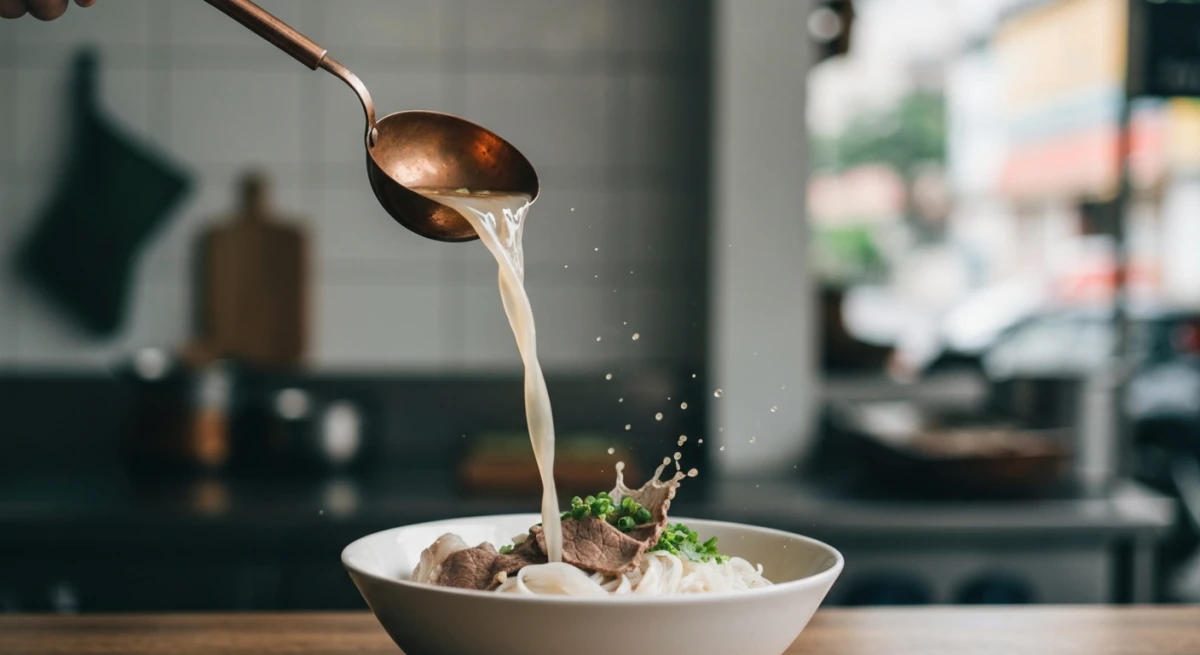
To truly understand Hanoi, you must eat it. If the capital of Vietnam is the beating heart of the country's culinary soul, then the historic 36 streets are its undisputed epicenter. Finding authentic food Hanoi Old Quarter style is more than just stumbling into a restaurant; it is an immersive, multi-sensory journey through smoke-filled alleys, clanging metal bowls, and the rich aromas of simmering bone broth. Whether you are a first-time traveler seeking the ultimate bowl of pho or a seasoned foodie hunting for the crispest banh mi, this comprehensive guide will help you navigate the winding alleys of the Old Quarter like a local, avoiding tourist traps and discovering the true flavors of Northern Vietnam.
The Living Culinary Museum of Hanoi: Why the Old Quarter Reigns Supreme
To understand the spectacular landscape of food Hanoi Old Quarter offers, one must look at the history of the neighborhood itself. Known historically as "36 Phố Phường" (36 Guild Streets), this area has been the commercial heart of Hanoi for over a thousand years. Historically, each narrow street was dedicated to a specific craft or guild—such as Hàng Bạc for silver, Hàng Chiếu for mats, and Hàng Gai for silk.
As workers and merchants flocked to these streets, small food stalls emerged to feed them. Over the centuries, these stalls evolved into highly specialized family operations. In the Old Quarter, you will rarely find a local restaurant with an extensive, multi-page menu. Instead, the golden rule of Hanoian dining is hyper-specialization. A family will dedicate themselves to mastering a single, legendary dish—whether it is steamed rice rolls or grilled pork—perfecting the recipe over three, four, or even five generations.
Furthermore, Northern Vietnamese cuisine is distinct from the sweeter, more tropical flavors of the South. Influenced by its cooler winters and historical proximity to China, the food here leans on delicate balance, clean broths, subtle black pepper, and fresh, aromatic herbs. The French colonial period also left an indelible mark, introducing baguettes, coffee culture, and the preparation of beef, which ultimately helped birth the iconic dish we know as Phở. This complex culinary heritage is alive on every corner, served from makeshift kitchens on tiny plastic stools right on the sidewalk.
7 Iconic Dishes of the Old Quarter (and Exactly Where to Find Them)
If you want to experience the absolute best of food Hanoi Old Quarter street culture, these seven dishes are non-negotiable. For each one, we have bypassed the generic tourist spots to bring you the exact locations where locals go.
1. Phở Bò (Beef Noodle Soup)
Phở is not just a meal in Hanoi; it is a sacred morning ritual. Northern-style Pho is defined by its simplicity and depth of flavor. The star of the dish is a pristine, golden broth, made by simmering beef bones for over twelve hours alongside charred ginger, shallots, cinnamon, star anise, and black cardamom. It is served over flat, artisanal rice noodles (bánh phở) and topped with tender cuts of beef, finished with a generous handful of green onions and cilantro. Unlike the Southern counterpart, you will not find bean sprouts, hoisin sauce, or fresh basil here; instead, Hanoians enhance their broth with a splash of garlic rice vinegar and a squeeze of fresh lime.
- Where to Try It: Phở Gia Truyền Bát Đàn (49 Bát Đàn Street). This legendary stall is famous for its long morning queues. The beef is sliced to order and the broth is incredibly rich and savory.
- Alternative Local Spot: Phở 10 Lý Quốc Sư (10 Lý Quốc Sư Street). Known for its highly consistent, fragrant broth and exceptionally tender beef, it is a great spot to pair your soup with "quẩy" (crisp fried dough sticks) to dip into the broth.
2. Bún Chả (Charcoal-Grilled Pork with Vermicelli)
While Southern Vietnam has its dry noodle bowls, Hanoi's premier lunch dish is Bún Chả. This dish consists of smoky, caramelized pork patties and slices of pork belly grilled over glowing red-hot charcoals. The grilled pork is served submerged in a warm, tangy dipping broth made from fish sauce, vinegar, sugar, and lime, packed with crunchy pickled green papaya and carrots. On the side, you receive a mountain of fresh cold rice vermicelli noodles (bún) and a basket of vibrant herbs, including perilla, Vietnamese balm, and mint.
- Where to Try It: Skip the heavily commercialized "Obama Bun Cha" and head to Bún Chả Hàng Quạt (74 Hàng Quạt Street). Hidden deep inside a narrow alleyway that is barely wide enough for one person to squeeze through, this local spot serves the smokiest, most caramelized pork in the city.
- Alternative Local Spot: Bún Chả Đắc Kim (1 Hàng Mành Street). Serving locals since the 1960s, this place offers a massive portion size and incredible crab spring rolls (nem cua bể) as a side dish.
3. Chả Cá Lăng (Turmeric Fish with Dill)
Chả Cá is a culinary experience so celebrated that the street where it was invented was officially renamed to Chả Cá Street. This dish features firm, succulent chunks of local hemibagrus catfish (cá lăng) marinated in turmeric, galangal, ginger, and fermented rice. The fish is pan-fried directly at your table on a small portable stove, buried under a massive mountain of fresh dill and green scallions. Once cooked, you assemble your bowl with cold rice noodles, roasted peanuts, fresh herbs, and a drizzle of fish sauce—or, if you want the truly authentic experience, a splash of pungent, fermented purple shrimp paste (mắm tôm) whipped with lime juice until frothy.
- Where to Try It: Chả Cá Thăng Long (6B Đường Thành Street). This restaurant offers an exceptional, high-quality interactive dining experience with perfectly seasoned fish and crispy, aromatic greens.
4. Bún Bò Nam Bộ (Lemongrass Beef Noodle Salad)
Despite "Nam Bộ" translating to "Southern Style," this dry noodle dish is an absolute staple of the Hanoi Old Quarter. Perfect for hot summer days, it features a base of fresh lettuce, herbs, and cold rice vermicelli noodles. This is topped with tender beef flash-fried with lemongrass and garlic, followed by crunchy raw bean sprouts, pickled papaya, roasted peanuts, and a heavy dusting of crispy fried shallots. The entire dish is brought together by a warm, sweet, and savory fish-sauce-based dressing poured at the bottom of the bowl, which you toss together before eating.
- Where to Try It: Bún Bò Nam Bộ Bách Phương (67 Hàng Điếu Street). This busy multi-story eatery has perfected the assembly line of this dish. Your bowl arrives within minutes of sitting down, bursting with texture and flavor.
5. Bánh Mì (The Classic Vietnamese Baguette)
The Hanoi style of Bánh Mì is beautifully understated compared to the loaded versions found in the south. The emphasis here is on the structural integrity of the bread—a warm, ultra-crispy, feather-light baguette—and the quality of the primary fillings. A classic Hanoi banh mi focuses on a generous smear of rich, savory pork liver pâté, homemade egg mayonnaise, thin slices of pork ham, a sprinkle of cilantro, cucumber, and a signature spicy chili sauce that ties the savory elements together.
- Where to Try It: Bánh Mì Lãn Ông (34 Lãn Ông Street). Famous among locals, this spot has been serving a traditional, no-frills pâté sandwich for decades. The pâté is remarkably buttery and smooth.
- Alternative Local Spot: Bánh Mì 25 (25 Hàng Cá Street). Highly popular with travelers, this clean shop offers a wide variety of modernized fillings, including delicious vegetarian and vegan options like sautéed mushrooms and avocado.
6. Bánh Cuốn (Steamed Rice Rolls)
Bánh Cuốn is a delicate, elegant breakfast dish that showcase incredible culinary skill. Vendors spread a thin, fermented rice batter over a tightly stretched fabric screen sitting on top of a pot of boiling water. Within seconds, a paper-thin rice sheet forms. This sheet is carefully lifted using a bamboo stick, filled with seasoned minced pork and wood ear mushrooms, and rolled up. It is brushed with fragrant shallot oil, topped with crispy fried shallots, and served with a warm, mild dipping sauce and slices of "chả lụa" (Vietnamese pork sausage).
- Where to Try It: Bánh Cuốn Thanh Vân (14 Hàng Gà Street). You can watch the masters steam and roll these delicate creations right at the entrance of the shop. They also offer fillings made with minced shrimp or chicken.
7. Cà Phê Trứng (The Famous Egg Coffee)
No food journey in Hanoi is complete without trying its most famous liquid invention: Egg Coffee. Created in 1946 by Nguyen Giang during a severe wartime milk shortage, this drink uses whisked egg yolk, sweetened condensed milk, and sugar to create a thick, velvety custard topping. This rich, sweet cream is poured over hot, bitter Vietnamese Robusta coffee, creating a drink that tastes remarkably like a liquid tiramisu or hot coffee custard.
- Where to Try It: Café Giảng (39 Nguyễn Hữu Huân Street). This is the birthplace of egg coffee, still run by the descendants of the inventor. The atmosphere is historic and cozy.
- Alternative Local Spot: Café Đinh (13 Đinh Tiên Hoàng Street). Located up a narrow, dimly lit staircase in an old French colonial building, this hidden gem offers a rustic vibe and a small balcony overlooking the bustling Hoan Kiem Lake.
Navigating the Alleys: Essential Street Food Etiquette & Safety
When exploring the vibrant scene of food Hanoi Old Quarter vendors offer, the pure energy and chaotic traffic can feel overwhelming. To eat like a seasoned local and keep your stomach happy, keep these essential rules of street food etiquette and safety in mind:
- Embrace the Plastic Stool: In Hanoi, the lower the stool, the better the food. Do not wait for a host to seat you. If you see an open blue or red plastic stool at a street stall, sit down. The staff will immediately know you want to order. Pointing at a dish or stating the number of portions is all it takes.
- The Condiment Tray is Your Canvas: Hanoian chefs pride themselves on balance, but they expect you to customize the final dish to your palate. Every table is equipped with a tray containing fresh bird's eye chilies, lime wedges, sliced garlic pickled in vinegar, and chili sauce. Take a sip of your broth first, then adjust the acidity, heat, and sweetness to your liking.
- Debunking the Food Safety Myth: Many travelers avoid street food out of fear of food poisoning, choosing westernized restaurants instead. However, because street food stalls in the Old Quarter serve hundreds of locals daily, their ingredient turnover is incredibly high. Meat and vegetables are purchased fresh from the wet markets early in the morning and are completely sold out by early afternoon. To stay safe, choose busy stalls with high local foot traffic and steam visibly rising from the cooking pots.
- Wipe Your Utensils: It is standard local practice to grab a dry tissue from the table dispenser and thoroughly wipe down your chopsticks and metal spoon before eating.
- The Floor is the Trash Can: You will notice that used napkins, lime wedges, and herb stems are thrown directly onto the floor beneath the tables. While this may feel counterintuitive to Western travelers, it is the cultural norm. It keeps the tiny tables clear of clutter, and the staff sweep the floors continuously throughout the day.
- Carry Small Cash Bills: Small street vendors do not accept credit cards. Always keep a stack of small cash notes (10,000 to 50,000 VND) handy. Handing a vendor a 500,000 VND bill for a 40,000 VND bowl of noodles is heavily frowned upon as it drains their change.
The Ultimate Self-Guided Old Quarter Food Walk (A Step-by-Step Route)
To make your food Hanoi Old Quarter adventure as seamless as possible, we have mapped out a perfect 4-hour evening walking itinerary. This route minimizes walking distance while maximizing your stomach capacity, transitioning beautifully from light appetizers to heavy mains, and finishing with dessert.
- 5:00 PM — Stop 1: Bánh Cuốn Thanh Vân (14 Hàng Gà Street) Start your evening light. Order a plate of delicate, warm steamed rice rolls filled with pork and mushrooms to share. It is the perfect savory starter that won't weigh you down.
- 5:45 PM — Stop 2: Phở Gia Truyền Bát Đàn (49 Bát Đàn Street) Walk five minutes south to Bát Đàn Street. The evening queue will just be starting to form. Order a bowl of "Phở Bò Tái Nạm" (half flash-cooked beef, half slow-cooked brisket) and a plate of "quẩy" (fried dough sticks). Sip the pristine broth slowly and appreciate the deep, savory beef flavor.
- 6:45 PM — Stop 3: Bún Chả Hàng Quạt (74 Hàng Quạt Street) Stroll through the historic lanes to Hàng Quạt. Head into the narrow alleyway and grab a plastic stool. The smoky smell of charcoal-grilled pork will guide you. Share a portion of Bún Chả to experience the quintessential Hanoian charcoal grill flavor.
- 7:45 PM — Stop 4: Nộm Bò Khô Long Vi Dung (23 Hồ Hoàn Kiếm Street) Walk east toward Hoan Kiem Lake. Sit down at this lively corner spot for a bowl of "Nộm Bò Khô" (Green Papaya Salad with Beef Jerky). The crisp, raw papaya, fresh herbs, and tangy sweet-and-sour dressing act as a wonderful palate cleanser after the rich, warm noodle dishes.
- 8:30 PM — Stop 5: Café Giảng (39 Nguyễn Hữu Huân Street) Conclude your culinary tour by heading to the birthplace of Egg Coffee. Order a hot egg coffee (cà phê trứng nóng), which is served in a small bowl of hot water to maintain its temperature. Stir the velvety custard into the robust coffee and savor the ultimate sweet ending to your food crawl.
FAQ: Navigating the Streets of Hanoi
How much does street food cost in the Hanoi Old Quarter?
Street food in the Old Quarter is incredibly budget-friendly. A bowl of Pho, a plate of Bun Cha, or a serving of Cha Ca generally costs between 40,000 VND and 80,000 VND (approximately $1.60 to $3.20 USD). A Banh Mi costs around 25,000 to 50,000 VND ($1.00 to $2.00 USD), and an Egg Coffee is typically 30,000 to 45,000 VND ($1.20 to $1.80 USD).
Are there vegetarian or vegan options in the Old Quarter?
Yes! While northern Vietnamese cuisine is traditionally meat-centric, the vegetarian ("chay") food scene has exploded. Look for signs that say "Quán Chay" or "Cơm Chay" which serve delicious plant-based dishes. Bánh Mì 25 has dedicated vegetarian and vegan sandwich options, and many temple-adjacent eateries offer incredible mock-meat buffets, especially on the 1st and 15th days of the lunar month.
Is the ice in street food drinks safe to consume?
Yes, the ice (đá) served in drinks throughout Hanoi's Old Quarter is generally safe. Almost all vendors purchase commercially manufactured ice tubes made from purified water, rather than freezing tap water themselves. If the ice has a uniform cylindrical shape with a hole through the center, it is safe to consume.
When is the best time of day to go on a food crawl?
The best times are early morning (6:00 AM to 9:00 AM) for breakfast dishes like Pho and Banh Cuon, and late afternoon to early evening (5:30 PM to 9:00 PM) when the street food stalls set up along the sidewalks and the night markets come alive. Keep in mind that many legendary stalls operate on strict schedules and will close their doors as soon as they run out of ingredients.
Conclusion: Savoring Every Bite
Eating your way through the Old Quarter of Hanoi is more than just a culinary checklist; it is an active engagement with the history, culture, and daily life of Vietnam's capital. By stepping out of your comfort zone, sitting on tiny plastic stools, and navigating the bustling street corners, you unlock an authentic sensory world that high-end restaurants simply cannot replicate. Let your nose guide you, look for the crowded alleys, and savor every bite of this extraordinary food paradise.