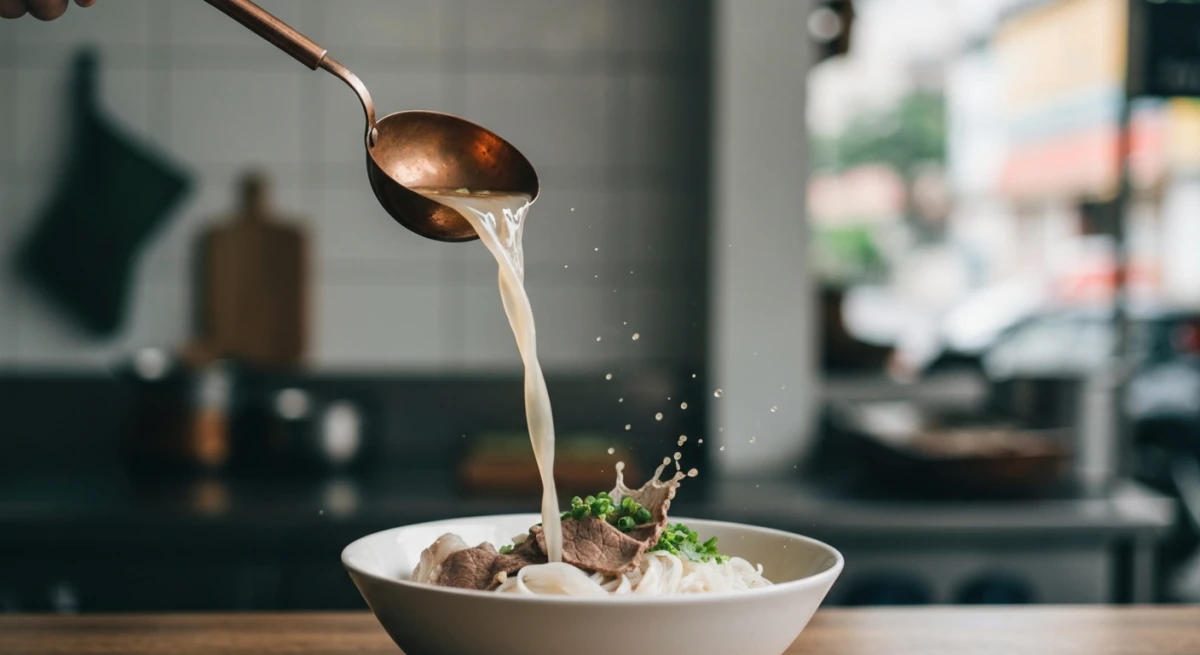
If you want to truly understand Ho Chi Minh City, you have to eat your way through it. The moment the sun dips below the horizon, Saigon undergoes a magical transformation. The humid daytime air cools slightly, and the city's labyrinth of back alleys, known as hems, bursts into a symphony of sizzling griddles, aromatic smoke, and the clinking of local beers. Booking a street food tour ho chi minh is not just an activity; it is a sensory rite of passage. In this comprehensive guide, we will dive deep into the heart of Saigonese culinary culture, comparing tour styles, mapping out the best food districts, uncovering must-try dishes, and sharing a self-guided itinerary for the adventurous traveler.
Why Ho Chi Minh City is a Street Food Paradise
Unlike the delicate, historically conservative flavors of Hanoi in the north, Ho Chi Minh City's street food is wild, sweet, bold, and incredibly diverse. As the commercial engine of Vietnam, Saigon has welcomed millions of migrants from every corner of the country. These newcomers brought their regional recipes with them, adapting them to the abundant agricultural wealth of the Mekong Delta.
Southern Vietnamese cuisine is characterized by several distinct factors:
- The Sweet & Savory Balance: Southerners love sugar. You will find a pronounced sweetness in broths, marinades, and dipping sauces compared to Northern variants.
- Abundant Herbs & Greens: Thanks to the fertile southern plains, dishes are accompanied by massive plates of fresh herbs, wild leaves, and lettuce used to wrap savory fried elements.
- Coconut Milk & Rice Flour: Influenced heavily by neighboring Khmer (Cambodian) culture, many southern snacks utilize rich coconut cream and crispy rice batter.
- Global Influences: Centuries of French colonization and Chinese migration have left indelible marks on the culinary landscape. From the crusty baguette of the banh mi to the wok-fried bot chien, Saigon is a global fusion hub on plastic stools.
To experience this complexity, you have to get out of the sterile air-conditioned restaurants of District 1 and head onto the streets, where generational vendors serve single, perfected dishes on low plastic stools.
Motorbike vs. Walking: Choosing Your Perfect Street Food Tour
When booking a street food tour ho chi minh, one of the first decisions you must make is your mode of transport. The city offers two primary formats: motorized tours and walking tours. Each caters to a completely different type of traveler.
The Motorbike Food Tour (The Classic Saigon Experience)
For the ultimate thrill, nothing beats weaving through Saigon's legendary traffic on the back of a scooter. On a motorbike food tour, you are paired with a licensed local driver (often university students or professional guides) who maneuvers the chaotic streets with practiced ease.
- The Pros: You can cover massive distances. A standard 3 to 4-hour motorbike tour will easily take you through five different districts (such as District 1, 3, 4, 10, and 5), allowing you to see how the local architecture and demographics shift. It is exhilarating, highly immersive, and exceptionally fun.
- The Cons: It can be intimidating for anxious travelers or families with very young children. Navigating Saigon's traffic flow is an art form, and while safe when done with professionals, it requires a leap of faith.
- The Insurance Trap (Critical Tip): This is a major gap that most blog posts ignore. Vietnam requires specialized driver's licenses for motorbikes over 50cc. If you book an unlicensed or informal tour operator, your travel insurance will likely not cover you in the event of an accident. Always choose a registered, fully licensed international tour operator (like Saigon Adventure, XO Tours, or Street Food Man) to ensure you are legally protected.
The Walking Food Tour (The Intimate Explorer)
If you prefer to keep your feet firmly on the ground, a walking tour is an excellent alternative. These tours generally focus on a single, high-density culinary neighborhood.
- The Pros: You get a much slower, highly detailed look at a specific neighborhood's history, architecture, and daily life. It is perfect for families, seniors, or anyone uncomfortable on a scooter.
- The Cons: You are geographically limited. You will likely spend your entire tour in one district (such as the narrow alleys of District 3 or District 4) and miss out on the sheer variety of dishes found across the wider city.
The Must-Try Dishes on a Saigon Street Food Tour
While every tour operator curates their own bespoke menu, there are several iconic dishes that define the Saigonese street food experience. Ensure that whatever tour you book includes at least a few of these culinary masterpieces:
1. Bot Chien (Fried Rice Cakes)
If you love crispy, savory comfort food, bot chien is a revelation. Originating from the Chinese-Vietnamese community in District 5 (Cholon), this dish consists of cubed rice flour cakes fried on a massive flat iron griddle until crispy on the outside and chewy on the inside. It is then bound together with whisked eggs, topped with a mountain of green onions, and served with a tangy, sweet soy dipping sauce and pickled green papaya.
2. Bo La Lot (Grilled Beef in Wild Betel Leaves)
Walking past a bo la lot stall is a sensory overload. Minced beef is mixed with garlic, shallots, and spices, tightly wrapped into cylindrical tubes using wild betel leaves (la lot), and grilled over hot charcoal. The heat releases the essential oils of the leaves, wrapping the juicy beef in a smoky, herbal aroma. To eat it, you wrap the beef rolls in rice paper along with lettuce, Vietnamese herbs, starfruit, and green banana, before dunking it in mam nem (a pungent, fermented pineapple-anchovy sauce).
3. Banh Xeo & Banh Khot (Sizzling Crepes & Mini Crispy Pancakes)
Banh xeo (literally "sizzling cake") is a massive, lacy, crispy crepe made from rice flour, turmeric, and coconut milk, stuffed with pork belly, shrimp, mung beans, and bean sprouts. Its bite-sized cousin, banh khot, consists of small, fluffy rice batter cups cooked in a dimpled cast-iron tray, topped with a single juicy shrimp and a splash of rich coconut cream. Both are wrapped in mustard leaves and herbs, then dipped in sweet fish sauce (nuoc cham).
4. Pha Lau (Offal Stew in Coconut Broth)
For the culinary adventurer, pha lau is a Saigon essential. It is a hearty, deeply flavorful stew made from beef or pork offal (tripe, stomach, intestines, and spleen) slow-cooked in a rich, five-spice and coconut milk broth. Served with a crusty French baguette or instant noodles, the rich, savory broth is balanced by a sweet-and-sour tamarind dipping sauce. Don't let the ingredients intimidate you; it is tender, sweet, and one of the most beloved after-school snacks for local youth.
5. Oc (Street Snails & Shellfish)
Eating oc is a cultural phenomenon in Saigon. It refers to a wide variety of sweet and saltwater snails, clams, and crabs prepared in an array of sauces. You might have mud creepers stir-fried in sweet coconut milk, sweet snails tossed in salted egg yolk sauce, or scallops grilled over charcoal with green onion oil and crushed peanuts. The experience is always accompanied by cold beers, lively chatter, and a mountain of discarded shells under the table.
Mapping the Best Food Districts (Off the Beaten Path)
Most tourists stay within the confines of District 1, but the real soul of Saigon's food scene lies in the surrounding neighborhoods. If your street food tour ho chi minh doesn't take you to these areas, you are missing out on the authentic local experience.
District 3: The Historic Alleys
Just a stone's throw from the city center, District 3 is a beautiful mix of colonial villas and bustling local neighborhoods. A highlight here is the Nguyen Thien Thuat Apartment Complex. Built in 1968, these historic apartment blocks feature narrow ground-floor alleys absolutely packed with food stalls. It is the premier destination for banh mi chao (baguettes served with a sizzling skillet of eggs, pate, and sausage) and banh trang nuong (Vietnamese rice paper pizzas).
District 4: The Street Food Capital
Once known as a gritty, rough-and-tumble dockworkers' district, District 4 has evolved into the culinary heart of Saigon. Hemmed in by canals, this high-density district features Xom Chieu Market and the legendary Vinh Khanh Street. Vinh Khanh is a neon-lit, high-energy boulevard dedicated entirely to oc (snails) and street seafood. Eating here is loud, chaotic, and utterly unforgettable.
District 10: The Floral Feast
District 10 is home to Ho Thi Ky Flower Market, Saigon's largest wholesale flower market. By day, it is a brilliant display of roses, lilies, and orchids. By night, the market's deep, narrow lanes transform into a massive street food market. Because of its proximity to local universities, the food here is highly inventive, budget-friendly, and heavily influenced by Cambodian and Thai cuisines.
How to Eat Safely (And Avoid 'Saigon Belly')
Many travelers hesitate to dive into Saigon's street food scene out of fear of food poisoning. While caution is wise, a few simple rules can keep your digestive system perfectly happy throughout your trip:
- Look for High Turnover: The best indicator of fresh food is a crowd of locals. A stall that constantly rotates its ingredients because of high demand is far safer than a quiet restaurant where ingredients might sit in a fridge for days.
- Observe the Prep Area: Watch the vendor. Do they use gloves? Is the raw meat kept separate from cooked items? Is there a clean water source for washing dishes?
- The Ice Myth: Many travelers avoid ice in Vietnam, but in Saigon, almost all commercial ice (da bi) is produced in hygienic factories and delivered daily in large bags. If the ice is cylindrical with a hole down the middle, it is safe factory ice. Avoid crushed, block ice, which is handled manually.
- Wipe Your Utensils: Do what the locals do: grab a lime wedge or a tissue from the table and wipe down your metal chopsticks and spoons before eating.
- Pack Charcoal Tablets: Sometimes, the sheer abundance of new spices, fish sauce, and oils can upset a sensitive stomach even if the food is perfectly clean. Pack activated charcoal tablets to quickly settle any mild discomfort.
The Ultimate Self-Guided Street Food Tour in Ho Chi Minh City
If you prefer to explore independently on a budget, you can execute a flawless self-guided street food tour in Ho Chi Minh City. Here is a curated 1-night itinerary that covers four distinct stops and iconic dishes, taking you from District 3 into the heart of District 4.
Stop 1 (5:30 PM): Sizzling Banh Xeo at Banh Xeo 46A
- Location: 46A Dinh Cong Trang, District 1
- The Dish: Kick off your evening at this legendary open-air restaurant. Order a massive, crispy banh xeo packed with pork, shrimp, and bean sprouts. Watch the chefs cook over roaring charcoal stoves. Wrap a piece of the crispy pancake in a mustard leaf, pack it with fresh herbs, and dip it in their sweet-savory nuoc cham sauce.
Stop 2 (6:45 PM): Historic Vibe and Bot Chien in District 3
- Location: Bot Chien Dat Thanh, 277 Vo Van Tan, District 3
- The Dish: Take a short taxi ride to District 3. Sit on the metal stools and order a plate of bot chien (fried rice cake with eggs). The contrast between the crunchy exterior and soft, pillowy interior of the rice cakes is addictive. Wash it down with a glass of cold nuoc mia (freshly squeezed sugarcane juice with a splash of calamansi citrus).
Stop 3 (8:00 PM): Seafood Feast on Vinh Khanh Street, District 4
- Location: Oc Oanh, 534 Vinh Khanh, District 4
- The Dish: Cross the bridge into District 4 and head to Vinh Khanh Street. Snag a table on the sidewalk at Oc Oanh, one of Saigon's most famous snail joints. Order the oc huong rang muoi ot (sweet snails tossed in chili-salted crust) and so diep nuong mo hanh (grilled scallops with green onion oil and peanuts). Order a couple of local Saigon Special beers, toast with a loud "Mot, Hai, Ba, Do!" (One, Two, Three, Cheers!), and soak in the electric atmosphere.
Stop 4 (9:30 PM): Sweet Dessert Finish in District 10
- Location: Che Thai Y Phuong, 382 Nguyen Tri Phuong, District 10
- The Dish: End your night with a sweet treat at this legendary dessert shop. Order a bowl of che thai, a vibrant, refreshing sweet soup filled with tropical fruits like jackfruit, longan, durian (optional but highly recommended), jelly, and rich coconut milk. It is the perfect, cooling antidote to a night of spicy, smoky street food.
Frequently Asked Questions (FAQ)
Should I book a private or group street food tour?
Group tours are highly social, budget-friendly, and perfect for solo travelers looking to make friends. However, if you have specific dietary restrictions (such as being vegetarian or gluten-free), a private tour is highly recommended. Private tours allow the guide to completely customize the food stops to suit your preferences and dietary needs.
Can vegetarians or vegans enjoy a street food tour in Ho Chi Minh City?
Yes, absolutely! Vietnam has a rich Buddhist tradition, meaning vegetarian food (an chay) is incredibly common and exceptionally delicious. Look for signs that say "Chay." While a standard street food tour might be heavy on pork, seafood, and fish sauce, a specialized vegetarian street food tour will take you to local quan chay spots where you can enjoy plant-based versions of pho, banh mi, and crispy spring rolls.
What should I wear on a street food tour?
Dress comfortably and practically. Wear lightweight, breathable clothing, as Saigon can remain quite warm and humid well into the night. If you are taking a motorbike tour, wear closed-toe shoes (no flip-flops) for safety, and avoid wearing short skirts or loose dresses that make sitting on a scooter difficult. Keep jewelry to a minimum and ensure your phone is securely tucked away to prevent opportunistic grab-and-run theft in busy areas.
How much do street food tours in Ho Chi Minh City cost?
Prices vary depending on the format. A basic walking tour or budget motorbike tour can range from $25 to $45 USD per person. Premium, all-inclusive motorbike food tours run by highly rated, licensed operators (which include professional drivers, unlimited food, drinks, and robust accident insurance) typically cost between $55 and $85 USD. While self-guided eating is cheaper, paying for a curated tour provides invaluable historical context, access to hidden alleys, and complete peace of mind.
Is tipping expected on food tours in Vietnam?
Tipping is not a deeply ingrained part of traditional Vietnamese culture, but it is highly appreciated in the tourism industry. If your tour guide and motorbike driver provided an exceptional, safe, and fun experience, a tip of 100,000 to 200,000 VND ($4 to $8 USD) per guide/driver is a wonderful way to show your gratitude.
Conclusion
There is no better way to connect with the beating heart of Saigon than through its vibrant street food culture. Whether you choose to ride pillion on a thrilling motorbike tour through five different districts, walk through the historic, narrow alleys of District 3, or carve out your own culinary path with a self-guided itinerary, you will leave Ho Chi Minh City with a full stomach and a deep appreciation for the warmth, creativity, and resilience of its people. Book your street food tour ho chi minh today, step out of your comfort zone, and prepare for the culinary adventure of a lifetime.