The Ultimate Food Guide Ho Chi Minh: What and Where to Eat
Welcome to Ho Chi Minh City—formerly and still affectionately known as Saigon—a hyper-energetic metropolis where the streets hum with motorbike traffic, neon signs, and the irresistible aromas of sizzling street food. In this city, dining isn't just a daily necessity; it's a social ritual, a living history, and a sensory explosion. To truly understand Saigon, you must eat your way through its narrow labyrinth of alleys and bustling wet markets.
Whether you are seeking the perfect bowl of Southern-style Pho, looking for the crispiest Bánh Xèo, or wanting to dive headfirst into the revolutionary modern dining scene of 2026, this comprehensive food guide Ho Chi Minh has you covered. Let's explore the essential flavors, hidden backstreets, and secret tips of Vietnam’s undisputed culinary capital.
1. The Pillars of Saigonese Cuisine: What to Eat and Where
Saigon is a melting pot of culinary influences. Heavy migration from Northern and Central Vietnam, combined with French colonial legacy and Chinese-Khmer traditions, has shaped a local food profile that leans sweet, heavily celebrates fresh herbs, and relies on the stark contrast of crispy and soft textures. Here are the must-eat iconic dishes that define the city.
Cơm Tấm (Broken Rice)
Historically, cơm tấm was a humble dish made from fractured rice grains that couldn't be sold commercially, eaten primarily by working-class farmers and laborers. Today, it has risen to become Saigon’s signature breakfast and late-night comfort food. A classic plate of Cơm Tấm Sườn Nướng features fragrant broken rice topped with a sweet-savory marinated grilled pork chop, chả trứng (a savory steamed pork and egg meatloaf stuffed with wood-ear mushrooms), and bì (shredded pork skin tossed in toasted rice powder). The plate is garnished with pickled daikon and carrot, a bowl of light pork-bone broth, and drizzled with a sweet, chili-flecked fish sauce mixed with scallion oil.
- Where to eat: Cơm Tấm Ba Ghiền (84 Dang Van Ngu, Phu Nhuan District). Famous for massive, charcoal-grilled pork chops that overflow the plate. It is smoky, chaotic, and an absolute rite of passage. For a cleaner, air-conditioned experience that still delivers incredible local flavors, try Cơm Tấm Kiều Giang.
Bánh Mì
While Hanoi's bánh mì is minimalist and focuses on the quality of a few cold cuts, Saigon’s version is a towering, heavy masterpiece of layered flavors. A crispy, airy French-style baguette is sliced open, smeared generously with rich chicken liver pâté and mayonnaise, and packed with pork char siu, headcheese, and Vietnamese sausage. It is balanced with fresh cucumber, cilantro, spring onions, pickled carrots and daikon, and finished with a dash of Maggi seasoning and sliced bird's eye chilies.
- Where to eat: Bánh Mì Huỳnh Hoa (26 Le Thi Rieng, District 1). Often called the heavyweight champion of bánh mì. The lines are legendary, but the speed of service and the sheer density of premium meats make it worth every minute. One sandwich can easily satisfy two people. For an exceptional, lighter alternative with baguettes baked fresh in-house, visit Bánh Mì Hồng Hoa.
Southern Phở (Phở Nam)
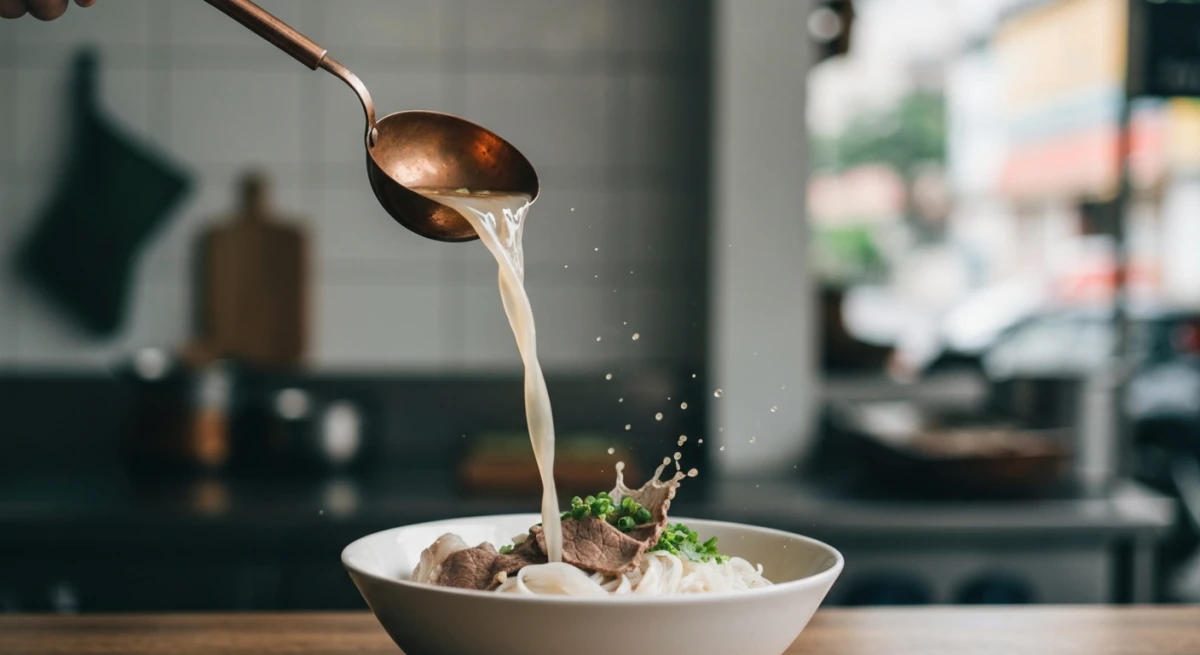
If you have only eaten Northern-style Pho, Southern Pho (Phở Nam) will feel like an entirely different creation. The broth is sweeter and slightly cloudier, deeply infused with cinnamon, star anise, cloves, and charred ginger. Most importantly, it is served with a massive basket of fresh herbs (including Thai basil, saw-tooth herb, and rice paddy herb), fresh lime, and sauces. Locals squeeze hoisin and Sriracha sauce directly into a small side dish to dip the meat, or swirl it straight into the broth to customize the taste.
- Where to eat: Phở Lệ (415 Nguyen Trai, District 5). Arguably the gold standard of Southern beef pho. The broth is rich, aromatic, and perfectly balanced, accompanied by incredibly tender cuts of rare beef and savory beef balls. Another superb option is Phở Phượng, tucked away on a lively local street in District 1, serving a comforting bowl with top-tier brisket.
Bún Thịt Nướng
For those hot, humid Saigonese afternoons when a boiling hot soup sounds too intense, bún thịt nướng is the perfect culinary savior. This cold rice vermicelli noodle bowl is layered with fresh herbs, shredded lettuce, cucumber, bean sprouts, and topped with hot, charcoal-grilled pork, crispy spring rolls (chả giò), roasted peanuts, and green scallion oil. You pour a generous amount of sweet, garlic-and-chili-infused fish sauce over the entire bowl, mix it thoroughly, and enjoy the perfect harmony of hot and cold, crunchy and soft textures.
- Where to eat: Bún Thịt Nướng Chị Tuyền (175/39 Co Giang, District 1). World-famous for its incredibly crispy, deep-fried spring rolls and heavily marinated, tender pork grilled right on the street corner.
Hủ Tiếu Nam Vang
Reflecting Saigon’s multicultural roots, Hủ Tiếu Nam Vang originated in Cambodia (Phnom Penh) and was adapted by Chinese and Vietnamese cooks. It features chewy tapioca noodles served either "dry" (mixed with a savory, sweet soy-based sauce and served with a bowl of broth on the side) or "wet" (in a sweet, rich pork-bone broth). It is loaded with sliced pork, minced pork, plump shrimp, quail eggs, and fresh herbs like celery and chives.
- Where to eat: Hủ Tiếu Nhân Quán (A25 Nguyen Chi Thanh, District 10). This is the local favorite for a late-night bowl of hủ tiếu. Be sure to order the dry version (hủ tiếu khô) for the best texture play and deep savory depth.
2. Navigating Saigon's Street Food Districts: A Crawl Route
Saigon is divided into numbered and named districts, each with its own distinct culinary personality. To truly experience the city, you must venture beyond the tourist-heavy zones of District 1. Here is a curated district-by-district food crawl guide.
District 1: The Central Hub and Hidden Alleys
District 1 is the heart of the city, home to historic French colonial landmarks. While it features plenty of high-end dining, authentic street food is hidden in plain sight.
- The Secret Alleys: Walk down the alley at 14 Ton That Dam (home to one of the last remaining traditional wet markets in the city center) or explore the historical apartment blocks at 42 Nguyen Hue. Here, tiny cafes and soup stalls operate out of former residential living rooms.
- Bếp Mẹ Ỉn: Hidden down an alley near Ben Thanh Market, this cozy restaurant serves elevated street food like Bánh Xèo (savory, crispy crepes stuffed with shrimp, pork, and bean sprouts) in a clean, nostalgic setting.
District 3: The Local Residential Vibe
Just a short drive from District 1, District 3 feels more residential and laid-back. The leafy streets are lined with colonial-era villas and incredible local food hubs.
- Bàn Cờ Market: This dense labyrinth of narrow alleys is one of the best places in Saigon to get lost. You’ll find stalls selling everything from bún mắm (fermented fish soup) to chè (sweet dessert soups).
- Nguyễn Thượng Hiền Street: Known as Saigon's street food runway, this narrow road is famous for its endless variety of bánh tráng trộn (shredded rice paper salad mixed with quail eggs, green mango, beef jerky, and chili oil).
District 4: The Street Food Kingdom
District 4 is geographically the smallest district, but it packs the biggest culinary punch. Once known as a rough port area, it has transformed into a paradise for adventurous eaters.
- Vĩnh Khánh Street: This is Saigon’s premier seafood (Ốc) street. As night falls, the sidewalks fill with plastic tables and chairs. Locals gather here to drink cheap lager and feast on sweet snails cooked in coconut milk, grilled scallops with green onion oil, and tamarind-glazed crab claws.
- Chợ 200 (Xóm Chiếu): A legendary local market market famous for street snacks. Try the phá lấu—a sweet and spicy coconut curry soup made with beef offal, eaten by dipping crusty French baguettes into the rich broth.
District 10: The Night Market Epicenter
For a concentrated, high-energy street food experience, head to District 10.
- Hồ Thị Kỷ Food Street: Located right next to the city’s largest wholesale flower market, this narrow alley becomes an absolute food festival every evening. You can sample Cambodian-style grilled beef skewers, grilled rice paper "pizzas" (bánh tráng nướng), and freshly pressed sugarcane juice surrounded by the sweet scent of millions of flowers.
3. Beyond Street Food: Coffee Culture and the Modern Dining Revolution
No food guide Ho Chi Minh would be complete without exploring Saigon's legendary coffee scene and its rapidly evolving modern culinary movement.
The Art of Cà Phê Sữa Đá
In Saigon, coffee is not a quick morning pick-me-up; it is a way of life. The classic drink is Cà Phê Sữa Đá (iced dark-roast Robusta coffee slowly dripped through a metal phin filter directly onto a thick layer of sweetened condensed milk, then poured over crushed ice). It is bold, incredibly sweet, and carries a caffeine punch that will keep you exploring for hours. For the ultimate local experience, try Cà phê bệt (sidewalk coffee), where you sit on a sheet of cardboard in the park outside the Notre-Dame Cathedral with a plastic cup of coffee bought from a mobile vendor. If you prefer a cozy indoor space, seek out the city's hidden apartment cafes, like those inside the 90 Nguyen Hue block, which offer stunning balcony views of the walking street below.
The Modern Fine Dining Explosion
While street food is the soul of Saigon, the city’s contemporary culinary scene is exploding. In 2026, Ho Chi Minh City stands as one of Asia's most dynamic fine-dining capitals.
- Anan Saigon (District 1): Located right inside the Chợ Cũ wet market, this Michelin-starred restaurant led by Chef Peter Cuong Franklin is famous for taking humble street dishes and elevating them with French culinary techniques. Don't miss their famous "one-bite Pho" or premium Bánh Mì interpretations.
- Lửa Wine Bar (Thảo Điền, District 2): A masterclass in how international culinary techniques meet hyper-local Vietnamese terroir. It features a farm-to-table menu and an exceptional selection of natural wines in a relaxed, chic atmosphere.
- ÚNU Cocktails & Eatery or NÚC Kitchen and Bar: Emerging favorites in the heart of Saigon that beautifully blend contemporary European culinary design with bold Vietnamese spices and local ingredients.
4. Crucial Dining Etiquette and Street Food Safety Secrets
Eating on the streets of Saigon can feel intimidating for first-time visitors, but following a few simple guidelines will help you eat safely and confidently like a local.
How to Clean Your Utensils
When you sit down at a metal street table, you’ll notice a container of chopsticks, spoons, and a bowl of fresh limes or a box of tissues. Before you eat, take a tissue, squeeze a bit of fresh lime juice onto it, and wipe down your chopsticks and spoon. Not only does this sanitize the utensils, but it's also a habit you will see almost every local do.
The Truth About Ice (Trà Đá)
A common travel myth is that you must avoid ice in Vietnam at all costs. In Ho Chi Minh City, this is generally untrue. The vast majority of restaurants and street vendors use industrially manufactured "tube ice" (đá bi), which is made with purified water and is perfectly safe. If the ice has a uniform cylindrical shape with a hole through the middle, it’s commercially produced and safe to drink. Feel free to enjoy that refreshing glass of Trà Đá (iced jasmine tea) or iced coffee!
Deciphering the Herbs
Every noodle soup or pancake you order will be accompanied by a mountain of fresh herbs. These are not merely a garnish—they are essential to the flavor balance of the dish.
- Tear and Toss: Don't put the whole stalks into your soup. Pluck the leaves off, tear them slightly to release the aromatic oils, and drop them into your broth.
- Wrap and Roll: For dishes like Bánh Xèo or Bơ Lá Lốt (beef wrapped in wild betel leaves), use the large mustard greens or lettuce leaves as a wrapper, pack them with herbs, place the crispy pancake or beef inside, roll it up, and dip it in the sauce.
Ordering and Paying
Street stalls usually specialize in just one or two dishes, so ordering is simple. Just point or hold up fingers to indicate how many portions you want. When you are ready to leave, catch the server's eye and say "Tính tiền" (pronounced "ting tee-en") to ask for the bill. It is customary to pay in cash at street stalls, so always keep small bills (10,000 to 50,000 VND) handy.
5. Frequently Asked Questions (FAQ)
Is street food in Ho Chi Minh City safe to eat?
Yes, street food in Saigon is generally very safe, provided you use common sense. Look for stalls that have a high turnover of local customers—this ensures the ingredients are fresh and don't sit out. Watch how the food is prepared: ingredients should be cooked fresh to order, and the stall should look generally clean and tidy.
How much does a meal cost in Ho Chi Minh City?
Saigon is incredibly budget-friendly. A bowl of street-side Pho or a plate of Cơm Tấm usually costs between 35,000 and 70,000 VND ($1.50 to $3.00 USD). A classic Bánh Mì ranges from 20,000 to 60,000 VND ($0.80 to $2.50 USD). Even in mid-range restaurants, a filling dinner for two rarely exceeds 400,000 VND ($16.00 USD).
What is the most famous food in Saigon?
While Phở and Bánh Mì are famous worldwide, the most iconic and distinctly Saigonese dish is Cơm Tấm (Broken Rice). It is the culinary soul of the city, representing its historical working-class roots and its love for sweet, smoky, grilled flavors.
Can vegetarians survive in Ho Chi Minh City?
Absolutely! Vietnam has a rich Buddhist tradition, which means vegetarian food (Ăn Chay) is widely available and delicious. Look for signs that say "Quán Chay" or "Cơm Chay". These spots serve amazing plant-based versions of classic dishes, using mushrooms, tofu, and gluten-based mock meats that taste remarkably like the real thing.
Conclusion: Let Your Appetite Guide You
Ho Chi Minh City is a culinary playground that rewards the curious and the brave. While this food guide Ho Chi Minh gives you a roadmap, the best culinary discoveries are often the ones you stumble upon by accident—a tiny soup cart on a dark corner, a busy alleyway table surrounded by laughing locals, or a hidden cafe down an unassuming residential entrance. Keep an open mind, carry a pocketful of small cash bills, and prepare yourself for one of the greatest food journeys of your life.