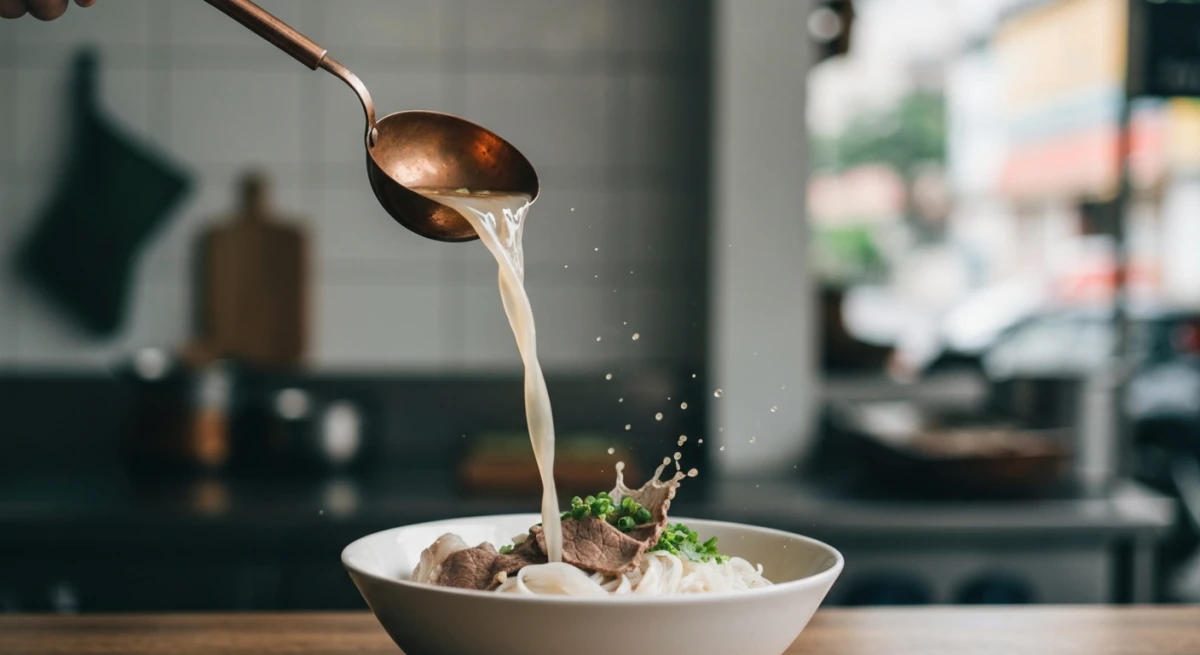
Hanoi, the ancient, rain-washed, and perpetually buzzing capital of Vietnam, is a city best understood through the palate. For over a millennium, this cultural hub has cultivated a food culture that is both intensely proud and remarkably adaptable. To walk the streets of Hanoi’s Old Quarter is to step into a sensory theater where the stage is set on cracked sidewalks and the actors are local vendors fanning charcoal grills, splashing boiling broth into porcelain bowls, and pouring frothy egg coffee into tiny cups.
In this definitive food guide Hanoi, we are skipping the superficial tourist checklists to dive deep into the true culinary soul of the city. We will explore the historical currents that shaped Hanoian cuisine, dissect the must-eat regional specialties, reveal the precise street addresses of hidden generational stalls, and provide you with the practical survival tools to dine like an absolute local. Pull up a tiny plastic stool, grab your chopsticks, and let us embark on a journey through the flavors of Hanoi.
The Historical Fabric of Hanoian Flavors
To truly appreciate Hanoian food, one must understand its geography and climate. Situated in the fertile delta of the Red River, Hanoi has historically relied on freshwater fish, rice, and fresh herbs. Unlike Southern Vietnam, where tropical abundance yields sweet, coconut-infused dishes and an array of fiery chilis, Northern Vietnamese cuisine is characterized by restraint, purity, and subtle balance.
Three major historical eras have deeply left their mark on the city's food culture:
Chinese Influence: For nearly a thousand years of imperial rule, Chinese dynasties introduced techniques like stir-frying, the use of soy sauce, and basic wheat-based noodles. You can see this legacy in dishes like phở xào (stir-fried noodles) and the widespread use of tofu.
French Colonialism: The French colonial era introduced baguettes, coffee, beef, and butter. Without the French, the world would not have the crispy crust of the bánh mì or the rich, slow-cooked beef broth of phở, which many culinary historians believe was influenced by the French classic, pot-au-feu.
The Subsidy Era (Thời Bao Cấp): Between 1976 and 1986, extreme food scarcity and state rationing forced Hanoians to become incredibly resourceful. Dishes were simplified, and mock ingredients were used. It was during this era that egg coffee (cà phê trứng) flourished due to a severe shortage of fresh milk, and phở không người lái (literally "pilotless pho"—pho served with no meat) became a staple of survival.
Today, this fusion of history, resilience, and culinary artistry has created a food landscape that is clean, savory, and incredibly sophisticated. Broths are crystal clear but deeply rich; sweetness is avoided in favor of clean salinity; and fresh herbs like dill, perilla, and Vietnamese mint act as natural seasonings rather than mere garnishes.
The Must-Try Dishes & Generational Eateries
This is the core of our food guide Hanoi. We have selected the most essential dishes and paired them with highly reputable, local-approved spots where you can taste the real thing, avoiding tourist-trap quality compromises.
1. Phở: The Masterpiece of Broth
Pho is Vietnam's national dish, and Hanoi is its undisputed spiritual home. In Hanoi, pho is characterized by its clean, cardamom-and-star-anise-infused broth and flat rice noodles. Unlike in the south, Hanoians rarely put hoisin sauce or bean sprouts in their pho, preferring to let the purity of the broth speak for itself.
- Phở Gia Truyền Bát Đàn (49 Bát Đàn, Hoàn Kiếm): For the quintessential clear-broth beef pho, head here. Be prepared to wait in line alongside locals for a bowl of tender, flash-poached beef (phở tái) in a broth that has been simmered with beef bones for over 12 hours. It is comforting, rich, and highly traditional.
- Phở Thìn Lò Đúc (13 Lò Đúc, Hai Bà Trưng): If you want a richer, smokier variation, visit this legendary shop. Here, the beef is quickly stir-fried with garlic before being added to the bowl, creating a rich, scallion-loaded broth that is famously decadent. It breaks the traditional "clear broth" rules but has won a massive global following.
- Phở Gà Nguyệt (5b Phủ Doãn, Hoàn Kiếm): If you prefer chicken pho, this Michelin-recommended spot is unparalleled. They serve both dry chicken pho (phở gà trộn), tossed in a savory soy-based sauce with crispy shallots and peanuts, and the classic soup version with perfectly shredded, free-range chicken.
- Phở Cuốn Hương Mai (25 Ngũ Xã, Ba Đình): For a refreshing summer twist, cross over to Truc Bach Lake. Here, you can feast on wide, uncut sheets of steamed pho noodle wrapped around stir-fried beef, lettuce, and fresh coriander, served with a sweet-and-sour dipping sauce.
2. Bún Chả: The Smokey Sidewalk Legend
Bún Chả is perhaps the ultimate Hanoi lunchtime feast. It consists of charcoal-grilled pork patties and pork belly swimming in a warm, diluted fish sauce dipping broth, accompanied by a plate of cold rice vermicelli noodles, fresh herbs, and a side of crispy sea crab spring rolls (nem cua bể).
- Bún Chả Hương Liên (24 Lê Văn Hưu, Hai Bà Trưng): Universally known as the "Obama Bun Cha" after Anthony Bourdain and President Barack Obama shared a meal here on plastic stools in 2016. While highly touristy, their pork remains excellently smoky, and the "Combo Obama" is a fun, delicious rite of passage.
- Bún Chả Đắc Kim (1 Hàng Mành, Hoàn Kiếm): An intense, heavy-duty alternative located right in the heart of the Old Quarter. The portions are massive, the dipping sauce is punchy, and the nem cua bể are exceptionally crispy.
- Bún Chả Tuyết (34 Hàng Than, Ba Đình): For a much more local, less commercialized experience, this spot serves arguably the most balanced dipping sauce in the city. The pork is grilled to smoky perfection on the sidewalk just steps from your low plastic table.
3. Chả Cá Lã Vọng: Turmeric-Dill Fish Sizzling at the Table
Chả Cá is a unique Hanoi specialty that dates back over a century. It features firm chunks of catfish (traditionally hemibagrus fish) marinated in turmeric, galangal, and fermented rice, then fried tableside on a sizzling pan with mountain-loads of fresh dill and spring onions. You eat it by combining the fish and greens with rice vermicelli, roasted peanuts, and a splash of pungent mắm tôm (fermented shrimp paste) or sweet-and-sour fish sauce.
- Chả Cá Lã Vọng (14 Chả Cá, Hoàn Kiếm): The historic birthplace of the dish. While some argue it has become a bit of a tourist trap due to its rigid pricing, the atmosphere of eating inside this historic, dark-timbered home is undeniable.
- Chả Cá Anh Vũ (120 K1 Giảng Võ, Ba Đình): This is where local Hanoian families go. The fish is incredibly fresh, the herbs are bountiful, and the service is fast and friendly. It offers a much more authentic, spacious, and relaxed environment.
4. Bánh Mì: Simple, Crispy, and Pâté-Forward
While Saigon is famous for its massive, everything-but-the-kitchen-sink bánh mì, Hanoi’s version is much more understated. It focuses on warm, incredibly crispy bread, spread with rich liver pâté, a smear of mayonnaise, simple pork charcuterie, cucumber, and a splash of homemade chili sauce.
- Bánh Mì Bà Dần (34 Lò Sũ, Hoàn Kiếm): Serving locals since the 1970s, this is the epitome of the classic Hanoi bánh mì. It is simple, no-nonsense, and focuses entirely on the exceptional quality of their homemade pâté.
- Bánh Mì 25 (25 Hàng Cá, Hoàn Kiếm): Extremely popular with travelers, this spot offers a cleaner, highly customizable modern menu with various meat and vegetarian fillings. It is a great gateway sandwich for those new to Vietnamese street food.
- Bánh Mì Trâm (30 Đình Ngang, Hoàn Kiếm): For a warming alternative, try their Bánh Mì Sốt Vang. Here, you dip your crispy baguette into a rich, red-wine beef stew heavily spiced with cinnamon and star anise—a beautiful culinary nod to French colonial influence.
5. Cà Phê Trứng: The Liquid Tiramisu
Egg coffee is Hanoi’s most famous sweet treat. Created in 1946 by a bartender at the Sofitel Legend Metropole during a wartime condensed milk shortage, it features robust robusta coffee topped with a thick, velvety whip of egg yolk, sugar, and condensed milk.
- Café Giảng (39 Nguyễn Hữu Huân, Hoàn Kiếm): This is where egg coffee was born. Tucked down a narrow, blink-and-you-miss-it alleyway, this historic spot serves egg coffee both hot (kept warm in a bowl of hot water) and cold (resembling a rich espresso ice cream).
- Café Đinh (13 Đinh Tiên Hoàng, Hoàn Kiếm): Run by the daughter of Café Giảng's founder, this spot is located on the second floor of a crumbling old building, behind a small bag shop. It offers a gritty, nostalgic vibe and a slightly stronger, less sweet egg coffee with a beautiful view of Hoan Kiem Lake.
6. Bún Riêu Cua & Bún Ốc: Deeply Savory Seafood Soups
If you want to move beyond pho, these noodle soups are where Hanoi's culinary complexity truly shines. Bún Riêu features a sour tomato broth enriched with pounded freshwater crab paste, topped with fried tofu, herbs, and occasionally beef or pork. Bún Ốc replaces the crab with plump, chewy land snails, providing an earthy, vinegar-sour flavor.
- Bún Cá Sâm Cây Si (5 Ngõ Trung Yên, Hoàn Kiếm): Tucked deep inside a hidden alley, this legendary spot is famous for its crispy fried fish noodle soup with tomatoes and dill. Be sure to order a side of their "nem cá" (fish spring rolls) to dip in the broth.
- Bún Rieu Cua Thanh Hồng (42 Hàng Bạc, Hoàn Kiếm): An outstanding spot for crab noodle soup, featuring an incredibly rich, sweet-sour broth made from real field crabs, served with fresh split banana blossoms.
- Bún Ốc Giang (36 Hàng Chiếu, Hoàn Kiếm): This tiny sidewalk stall is famous for serving some of the best snail noodle soup in the city. The broth is incredibly tangy, laced with local rice vinegar, and the snails are clean and plump.
Beyond the Mains: Hanoi's Street Snacks & Sweet Endings
Hanoian dining isn't just about three structured meals a day; it is about grazing. Between your bowls of noodles, make room for these incredible street snacks and desserts.
Bánh Gối & Bánh Tôm: The Crispy Afternoon Fry-Up
Around 3:00 PM, when Hanoians need an afternoon pick-me-up, the smell of frying dough begins to waft through the alleyways. Bánh Gối (pillow cakes) are crispy, deep-fried pastries shaped like half-moons, stuffed with minced pork, wood ear mushrooms, glass noodles, and a quail egg. Bánh Tôm (shrimp cakes) feature whole, sweet freshwater shrimps fried inside a sweet potato batter until shatteringly crisp.
- Where to Eat: Head to Bánh Gối Lý Quốc Sư (52 Lý Quốc Sư, Hoàn Kiếm) right next to the St. Joseph’s Cathedral for a legendary plate of hot, golden-brown pillow cakes.
Xôi Yến: The Ultimate Sticky Rice Comfort Food
Xôi (sticky rice) is a breakfast staple, but at Xôi Yến (35b Nguyễn Hữu Huân, Hoàn Kiếm), it is eaten at all hours of the day and night. Here, yellow, turmeric-infused glutinous rice is pressed into a bowl, topped with a thick smear of savory mung bean paste, a drizzle of liquid fat, fried shallots, and your choice of toppings like caramelized pork belly, Chinese sausage, or chicken. It is incredibly dense, heavy, and satisfying.
Kem Tràng Tiền: Historic Lakeside Ice Cream
Located near the Hanoi Opera House, Kem Tràng Tiền (35 Tràng Tiền, Hoàn Kiếm) is a true local institution that has been serving Hanoians since 1958. Unlike Western ice cream parlor experiences, here you walk into a massive, open-air garage-like space (designed historically so locals could ride their scooters right up to the counter). The ice cream popsicles are made with local ingredients like green bean (mung bean), taro, coconut, and green sticky rice. It is subtle, not too sweet, and eating a popsicle while walking around Hoan Kiem Lake is a beloved local tradition.
A Curated 24-Hour Itinerary for Food Lovers
If you only have one day in Hanoi, this step-by-step master itinerary ensures you taste the very best of the city from sunrise to late-night bia hơi.
- 07:00 AM — Sunrise Pho at Bát Đàn: Beat the heavy crowds. Walk to Phở Gia Truyền Bát Đàn and grab a seat. Order a bowl of phở tái nạm (half-done and well-done beef) and a plate of quẩy (deep-fried dough sticks) to dip into the boiling, spiced broth.
- 08:30 AM — Morning View and Egg Coffee: Take a quiet morning stroll around the mist-shrouded Hoan Kiem Lake. Then, navigate the narrow hallway of Café Đinh. Order a hot egg coffee and enjoy the retro, communal atmosphere before the city fully wakes up.
- 12:00 PM — Sidewalk Smoke at Tuyết: Head north to Bún Chả Tuyết on Hàng Than. Sit down on the sidewalk, listen to the sizzling pork fat dripping onto the hot coals, and assemble your perfect bite of charcoal-pork, herbs, and vermicelli noodles.
- 03:00 PM — Street Snacks and Sweet Sticky Rice: Walk off your lunch in the Old Quarter. Stop by Bánh Tôm Cô Ầm (in Ngõ Đồng Xuân) for a crispy shrimp cake, followed by a refreshing bowl of Kem Xôi (sweet sticky rice topped with coconut ice cream) on Đinh Liệt street.
- 07:00 PM — Sizzling Fish Dinner at Anh Vũ: Head to Chả Cá Anh Vũ in Ba Đình. Cook your turmeric fish tableside, pile on the fresh dill, and enjoy a communal, interactive dining experience.
- 09:30 PM — A Nightcap at Bia Hơi Corner: Conclude your culinary marathon at the intersection of Tạ Hiện and Lương Ngọc Quyến streets. Squeeze onto a tiny plastic stool, order a freshly brewed, light Bia Hơi (local draft beer) for under 15,000 VND, and snack on fried fermented pork rolls (nem chua rán) while soaking in the chaotic, energetic Hanoi nightlife.
Neighborhood-by-Neighborhood Food Map
To help you navigate Hanoi's expansive food landscape, here is how the dining scenes differ across the city’s major districts:
1. Hoàn Kiếm (The Old Quarter)
- The Vibe: Chaotic, historic, and incredibly concentrated.
- What it does best: Street food classics. Generational family stalls specializing in single dishes like Bún Chả, Pho, Bánh Mì, Egg Coffee, and various street snacks. This is where you will do 80% of your street food grazing.
- Key Streets: Hàng Bạc, Hàng Chiếu, Hàng Đường, Đinh Liệt.
2. Tây Hồ & Trúc Bạch
- The Vibe: Scenic, breezy, and significantly more relaxed.
- What it does best: Fresh lakeside seafood, Pho Cuon (rolled pho), and trendy specialty coffee shops. It is a fantastic escape from the dense, noisy streets of the Old Quarter.
3. Ba Đình
- The Vibe: Residential, tree-lined, and administrative.
- What it does best: Traditional Vietnamese family-style restaurants, high-quality Chả Cá, and exceptional local lunch joints that cater to government and office workers.
Sidewalk Survival Guide: Street Food Etiquette & Safety
For first-time visitors, dining on the busy pavements of Hanoi can feel intimidating. Use these practical, battle-tested rules to eat safely and confidently like a local.
1. The Art of the Sidewalk Sit-Down
Street food stalls are incredibly efficient operations. If a place is busy, don't wait for a host. Catch the eye of the vendor, point to what others are eating, and hold up fingers for how many people are in your group. They will quickly gesture you to an open stool. Space is tight—be prepared to rub shoulders with strangers.
2. Food Safety Rules of Thumb
- High Turnover is King: Always choose stalls that are packed with locals. A busy stall means ingredients are fresh and haven't been sitting out in the humid air.
- Watch the Cooking: Choose places where the cooking station is open and visible. You want to see your meat cooked hot and fresh right in front of you.
- The Ice Question: Many travelers worry about ice. In Hanoi, almost all commercial stalls use factory-produced ice, which is safe and easily recognizable by its neat, hollow cylindrical shape with a hole in the middle. Avoid crushed ice blocks if you have a highly sensitive stomach.
- Wipe Your Utensils: It is completely normal and expected to grab a tissue from the plastic container on your table and wipe your chopsticks and spoon before eating.
3. Payment Methods: The QR Code Shift
While cash remains highly useful for tiny street food stalls (always keep small notes like 10,000, 20,000, and 50,000 VND handy), Vietnam has undergone a massive digital payment revolution. Almost every vendor—even street-side fruit sellers—now displays a printed banking QR code. If you have a local bank account or a compatible digital wallet (like Momo), you can scan and pay instantly. Tipping is not customary in local street food stalls.
4. Navigating Dietary Restrictions (Vegetarian/Vegan)
Hanoi's food scene is highly meat-centric, but vegetarian eating (known as Chay) is deeply rooted in local Buddhist traditions.
- To find vegetarian food, look for the word "CHAY" on signs.
- To order a vegetarian bánh mì, ask for "Bánh mì chay" (which usually replaces the meat with fried egg, tofu, and mock meats).
- For high-end, dedicated plant-based dining, book a table at Ưu Đàm Chay (34 Hàng Bài) or Sadhu Vegetarian Restaurant (87 Lý Thường Kiệt) for an exceptional, multi-course vegetarian culinary experience.
Frequently Asked Questions
Is street food in Hanoi safe?
Yes, Hanoi street food is generally very safe, provided you follow basic food safety guidelines. Stick to busy stalls with high local turnover, drink bottled water, and make sure meats are freshly cooked.
How much does a typical street food meal cost in Hanoi?
Hanoi is an incredibly affordable city for food. A bowl of high-quality pho or a serving of bun cha will typically cost between 40,000 to 70,000 VND ($1.60 to $2.80 USD). A classic Bánh Mì usually costs between 20,000 to 40,000 VND ($0.80 to $1.60 USD).
Do I need to tip in Hanoi street food stalls?
No, tipping is not expected or customary at local street food stalls or casual restaurants in Vietnam. In high-end westernized establishments, a 5-10% service fee may be included in the bill.
What is the best time of year to visit Hanoi for a food trip?
The best time to visit is during the cooler, drier autumn months (September to November) or spring (March to April). Walking around and eating hot bowls of soup on the street is much more comfortable when the weather is pleasant rather than during the scorching, humid summer months.
What is the most famous food in Hanoi?
Pho (specifically Pho Bo) and Bun Cha are the two most famous dishes representing Hanoi's culinary heritage. Egg coffee (Ca Phe Trung) is the most famous local beverage.
Conclusion
Hanoi’s food scene is a vibrant, living theater of flavors, aromas, and community. From the first sip of clean, aromatic pho broth in the morning to the lively clinking of glasses at a roadside Bia Hơi at midnight, eating here is an immersive sensory journey. Don't be afraid of the chaotic streets, the tiny plastic chairs, or the unfamiliar smells. Lean in, follow the crowds of locals, and let this food guide Hanoi lead you to some of the most memorable culinary moments of your life.