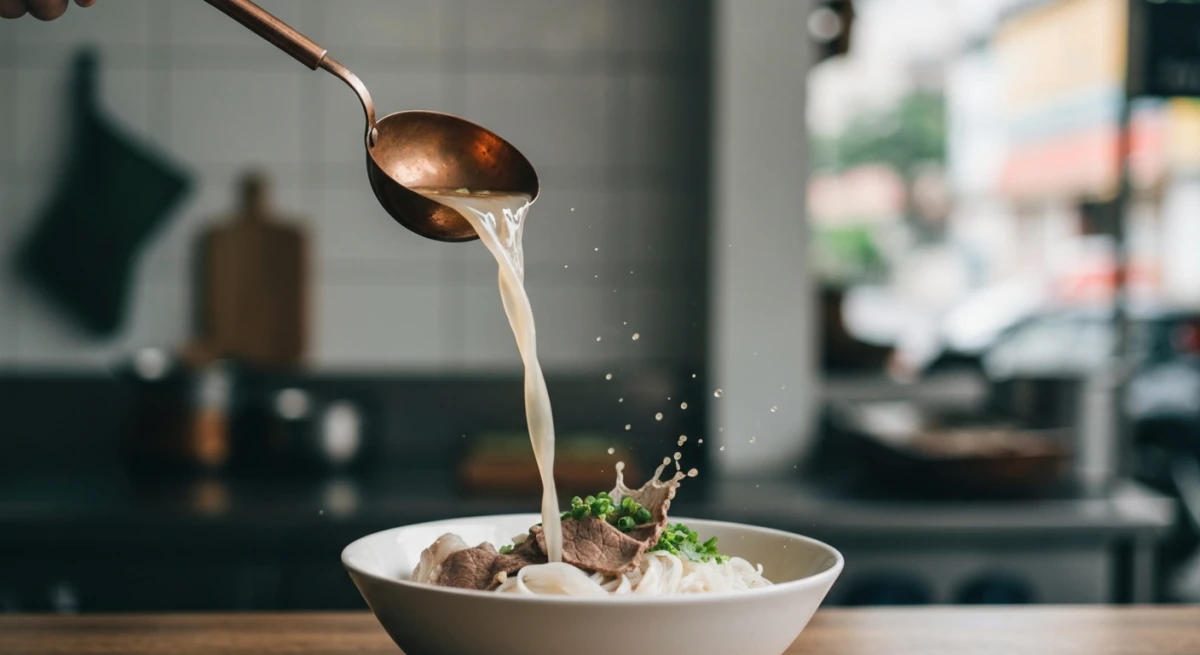
Imagine sitting on a tiny plastic stool, your knees practically touching a rusted steel railway track. In front of you, a steaming bowl of beef phở sends up fragrant plumes of star anise and cinnamon, while a cold glass of local beer sweats in the tropical humidity. Suddenly, a sharp whistle blows. Cafe owners scramble to tuck in low tables, and you press your back flat against the concrete wall. Within seconds, a massive, multi-ton locomotive roars past just inches from your face, sending a thrilling rush of wind and adrenaline down your spine.
Welcome to the iconic world of Hanoi train street food. This narrow residential alleyway, built during the French colonial era in 1902, has transformed from a quiet neighborhood corridor into one of the world's most famous culinary and sensory destinations. While many tourists visit solely for the dramatic photo-op, those in the know understand that the real magic of Train Street lies in its unique blend of high-octane excitement and exceptional Northern Vietnamese cuisine. This comprehensive guide covers everything you need to know to safely, legally, and deliciously experience Hanoi train street food.
The 2026 Access Reality Check: Is Hanoi Train Street Open?
Before diving into the menus, we must address the elephant in the room. Because of safety concerns and overcrowding, local authorities have established strict security checkpoints at the main entrances of the Phố Đường Tàu (Train Street). You cannot simply walk onto the tracks and wander around freely. However, in 2026, the trackside food scene is very much open and thriving—provided you understand the "Cafe-Owner Escort System."
To access the cafes and restaurants lining the tracks, you must be escorted past the police checkpoints by a local business owner. Here is how the system works in practice:
- The Invitation: As you approach the security barricades (typically at the intersection of Trần Phú and Phùng Hưng), local cafe owners or their family members will approach you. They will show you their menus and invite you to their establishment.
- The Escort: Once you agree to visit their cafe, the owner will guide you past the guards. There is no official entrance fee; your "ticket" is simply the commitment to buy a drink or a meal at their shop.
- Pre-booking: For a seamless experience, many travelers now message cafes on social media or WhatsApp a few hours in advance. The cafe owners will then meet you at a designated checkpoint at a specific time, ensuring you bypass the crowds and secure a prime trackside table.
Northern vs. Southern Train Street: Which Section is Best for Food?
Train Street is divided into two main geographical sections, each offering a distinct atmosphere and culinary experience:
- The Northern Section (Phùng Hưng / Trần Phú): This is the classic, highly photographed portion located close to the heart of the Old Quarter. It is packed with vibrant multi-story cafes, colorful murals, lanterns, and a bustling energy. It is also the most heavily policed, meaning you absolutely must use the cafe-owner escort system to enter. The food options here range from simple trackside snacks to full sit-down traditional restaurants.
- The Southern Section (Ngõ 224 Lê Duẩn): Located south of the Hanoi Railway Station, this section is significantly quieter, wider, and less touristy. It offers a much more authentic glimpse into local residential life. The security here is generally more relaxed, and the cafes tend to feel more like cozy family living rooms than commercial establishments. If you prefer a calmer, more rustic environment to enjoy your coffee and snacks, this is the section to choose.
The Ultimate Hanoi Train Street Food & Drink Menu
While the train is the main event, the culinary offerings along the tracks are spectacular. The menus here have evolved far beyond basic instant coffee. Today, you can find a diverse array of traditional drinks, savory street bites, and even full-course meals designed to keep you happily dining while you wait for the rails to rumble.
Iconic Trackside Drinks
- Vietnamese Egg Coffee (Cà Phê Trứng): This is the undisputed king of Hanoi's coffee culture. Invented in Hanoi during a dairy shortage in the 1940s, it consists of a rich, velvety custard layer made from egg yolks whipped with condensed milk, poured over a shot of strong, dark robusta espresso. Sipping this warm, sweet, and decadent beverage as the cool Hanoi evening rolls in is a rite of passage.
- Coconut Coffee (Cà Phê Dừa): Perfect for hot tropical afternoons, this refreshing drink blends sweet coconut cream and condensed milk into an icy slush, which is then poured into a bold black coffee base. It is the ultimate balance of bitter robusta and sweet, icy coconut flavor.
- "Hanoi Train Queen" Craft Beer: A relatively new addition to the trackside beverage lineup, this locally brewed craft beer by Train Street Legend Craft Beer has become a massive hit among international travelers. It offers a crisp, refreshing taste profile that pairs beautifully with savory street snacks.
- Bia Hà Nội and Bia Trúc Bạch: For a classic local experience, nothing beats a cold can of domestic Vietnamese lager. Priced at under $2 USD at most trackside bars, these light, easy-drinking beers are the perfect accompaniment to the warm, social atmosphere of Train Street.
Must-Try Trackside Street Food
- Bánh Mì: The quintessential Vietnamese sandwich. Trackside cafes serve these crispy, freshly toasted baguettes stuffed with a savory combination of pork paté, headcheese, sliced pork, pickled daikon and carrots, fresh cilantro, cucumber, and a drizzle of spicy chili sauce. Many cafes also offer vegetarian and vegan versions filled with fried tofu and avocado.
- Phở Cuốn (Fresh Pho Rolls): A refreshing alternative to hot noodle soup. This dish features wide, thin sheets of fresh rice noodles wrapped tightly around tender stir-fried beef, crisp lettuce, and fresh herbs (such as mint and cilantro). They are served cold alongside a bowl of tangy, sweet, and slightly spicy nước chấm dipping sauce.
- Bánh Tráng Nướng (Vietnamese Pizza): Originally a street food favorite from Dalat, this popular trackside snack is made by grilling a thin sheet of rice paper over hot charcoal. It is topped with minced pork, green onions, quail eggs, dried shrimp, and finished with a lattice of mayonnaise and sweet chili sauce. It is crispy, savory, smoky, and highly addictive.
- Nem Rán (Fried Spring Rolls): Crispy, golden-brown rolls filled with a mixture of minced pork, wood-ear mushrooms, glass noodles, and vegetables. They are served hot out of the fryer, offering a satisfying crunch with every bite.
- Nem Chua Rán (Fried Fermented Pork Rolls): A favorite snack among local youth, these small, slightly sour pork rolls are coated in breadcrumbs and deep-fried until crispy. They are chewy on the inside, crunchy on the outside, and best enjoyed dipped in sweet chili sauce.
Best Cafes & Restaurants on Train Street for Food Lovers
While almost every cafe along the tracks offers drinks, only a handful serve high-quality, authentic meals. If you are looking to enjoy a substantial dinner or lunch rather than just a quick beverage, seek out these highly rated establishments:
1. May Hanoi Train Street Restaurant & Coffee (No. 42 Duong Tau)
May Restaurant is widely regarded as the premier culinary destination on Train Street. Unlike the tiny drink stands that dominate the area, May offers a full, sophisticated menu of authentic Northern Vietnamese cuisine, prepared with high-quality ingredients.
- The Vibe: Cozy, traditional, and incredibly welcoming. The restaurant features comfortable multi-level seating, allowing you to dine safely on the second or third floors with an elevated view of the passing train, or sit right at the trackside tables on the ground floor.
- What to Order: Their deep-fried Hanoi-style spring rolls (Nem Rán Măng) are exceptionally crispy and flavorful. They also serve an outstanding bowl of traditional Phở with a rich, aromatic broth that has been simmered for hours, and an incredibly diverse vegan and vegetarian menu featuring braised tofu in tomato sauce and fresh mango salads.
2. Cat Coffee Restaurant 54
If you love animals, this unique spot is an absolute must-visit. Part cafe, part rescue sanctuary, Cat Coffee Restaurant 54 allows you to watch the trains while cuddling with friendly, well-cared-for local cats.
- The Vibe: Whimsical, warm, and highly social. The atmosphere is filled with the gentle purring of rescue cats, many of whom are dressed in cute little sweaters on chilly Hanoi afternoons.
- What to Order: Beyond their highly rated egg coffee, they offer a great selection of simple, comforting street bites, including crispy French fries, grilled sausages, and fresh fruit platters featuring ripe mangoes and dragon fruit.
3. Railway Cafe Tuan
Widely credited as one of the original establishments that kickstarted the Train Street phenomenon, Railway Cafe Tuan is an absolute classic.
- The Vibe: Nostalgic and rustic. The walls are adorned with vintage railway signs, photos, and local memorabilia, and the family who runs the cafe has lived along these tracks for generations.
- What to Order: Grab a cold bottle of Bia Hà Nội and pair it with a plate of fresh, crunchy spring rolls or a warm, toasted Bánh Mì. The service here is exceptionally friendly, and the staff are incredibly proactive about ensuring everyone is safely positioned well before the train arrives.
How to Combine Train Street with a DIY Old Quarter Street Food Tour
To truly experience the culinary soul of Hanoi, we highly recommend combining your visit to Train Street with a walking food tour through the surrounding historic Old Quarter. This allows you to graze on Hanoi's most legendary savory dishes before finishing your evening trackside with dessert and coffee.
Here is a highly optimized, easy-to-follow 3-hour culinary walking route:
Stop 1: Bánh Mì 25 (25 Hang Ca Street)
- The Dish: Start your journey with one of Hanoi’s most legendary sandwiches. Bánh Mì 25 is famous for its exceptionally light, airy, and crispy baguettes, stuffed with house-made pork liver paté, barbecued pork, and vibrant pickled vegetables.
- Walking Time to Next Stop: 5 minutes.
Stop 2: Bánh Cuốn Nóng Gia Truyền (14 Hang Ga Street)
- The Dish: Watch skilled chefs steam incredibly thin sheets of rice batter over hot water, fill them with minced wood-ear mushrooms and pork, and roll them up into delicate, savory pillows. It is served with fried shallots, fresh cilantro, and a sweet, savory dipping broth.
- Walking Time to Next Stop: 8 minutes.
Stop 3: Bún Chả Đắc Kim (1 Hang Manh Street)
- The Dish: Indulge in Hanoi’s signature lunch dish. Bún Chả consists of smoky, charcoal-grilled pork patties and pork belly swimming in a warm, tangy fish sauce broth, served alongside a mountain of fresh rice vermicelli noodles and fresh herbs.
- Walking Time to Next Stop: 12 minutes.
Stop 4: Hanoi Train Street (Trần Phú Entrance)
- The Experience: Conclude your walking tour by entering Train Street. Meet your pre-arranged cafe owner or select a host at the checkpoint, head to a cozy trackside seat, and order an indulgent cup of hot Vietnamese Egg Coffee or a bowl of traditional sweet soup (Chè) as the evening passenger train thunders past.
Hanoi Train Street Timetable (2026 Schedule)
Timing your visit is crucial. If you arrive when no trains are running, you will still enjoy a lovely meal, but you will miss out on the thrilling main event. While train schedules can occasionally change due to national railway adjustments, the following 2026 timetable serves as a highly reliable guide:
Weekday Schedule (Monday to Friday)
- Evening Trains: 7:00 PM, 7:45 PM, 8:30 PM, 9:30 PM, 10:00 PM.
Weekend Schedule (Saturday and Sunday)
Morning Trains: 8:30 AM, 9:30 AM, 11:30 AM.
Afternoon Trains: 3:30 PM, 5:30 PM, 6:00 PM.
Evening Trains: 7:00 PM, 7:45 PM, 8:30 PM, 9:30 PM, 10:00 PM.
Pro Tips for Timing Your Meal:
- Arrive Early: You should aim to arrive at your chosen cafe at least 30 to 45 minutes before the scheduled train time. This gives you plenty of time to bypass the security checkpoints, order your food and drinks, find a comfortable seat, and settle in before the tracks are cleared.
- Ask the Cafe Owners: As soon as you sit down, confirm the train's ETA with the cafe staff. They have direct communication with the railway workers and will know if a specific train is running slightly ahead of or behind schedule.
Crucial Safety Rules: Eating on an Active Railway
It is easy to forget that Train Street is not a theme park attraction—it is a highly dangerous, active railway corridor. The trains passing through are massive, heavy, and cannot stop quickly. To ensure a safe, enjoyable experience for yourself, the locals, and future travelers, you must strictly adhere to these safety rules:
- Never Stand on the Tracks when the Warning Whistle Blows: When you hear the sirens or the cafe owners whistling, immediately step off the tracks and retreat to your designated seating area. Do not try to snap "one last photo" as the train approaches.
- Keep All Belongings Inside the Safety Line: Ensure that your bags, cameras, phones, and even your feet are tucked safely behind the yellow safety lines painted on the ground. The physical body of the train wider than the metal tracks themselves.
- Do Not Stand Up as the Train Passes: The sheer physical force, wind, and noise of the train passing can cause you to lose your balance. Keep your seat, hold onto your drinks, and simply enjoy the spectacular view from your table.
- Be Respectful of the Local Residents: Remember that Train Street is a living, breathing neighborhood. Avoid shouting, do not litter, and always ask for permission before taking photos of local residents going about their daily lives.
FAQ (Frequently Asked Questions)
How do I get past the police barricades at Hanoi Train Street?
You cannot enter the train street past the police checkpoints alone. To get in, you must be invited and escorted by a local cafe or restaurant owner. Walk up to the security barriers, and a local business representative will approach you, show you their menu, and lead you past the guards directly to their establishment.
Can vegetarians and vegans find good food on Train Street?
Yes, absolutely. While many small cafe stalls only serve simple drinks, larger restaurants located directly on the tracks—such as May Hanoi Train Street Restaurant—offer incredibly diverse, fully dedicated vegetarian and vegan menus. You can easily enjoy plant-based versions of classic Vietnamese dishes like crispy spring rolls, fresh mango salad, and braised tofu.
What is the average price of food and drinks on Train Street?
Because of the prime location and the unique experience, prices along Train Street are slightly higher than in the rest of Hanoi's Old Quarter, but they remain highly affordable for international travelers. A cup of specialty egg coffee or a local beer typically costs between 40,000 and 60,000 VND ($1.60 to $2.40 USD), while a substantial meal costs between 80,000 and 150,000 VND ($3.20 to $6.00 USD).
Do I need to pay an entrance fee to get onto Train Street?
No, there is no official entrance fee or ticket required to access Hanoi Train Street. However, you are expected to order a drink or food at the cafe of the owner who escorted you past the security checkpoint.
Conclusion
Hanoi train street food is far more than just a fleeting social media trend. It is a brilliant, sensory-rich culinary adventure that perfectly captures the vibrant energy, adaptability, and historical depth of Vietnam's capital city. By savoring a rich cup of egg coffee or dining on crispy, golden-brown spring rolls as a massive locomotive thunders past, you are participating in a unique urban ritual that you will remember for a lifetime. Plan your visit carefully, respect the local safety guidelines, and prepare your taste buds for an unforgettable, high-adrenaline dining experience in the heart of Hanoi's historic Old Quarter.