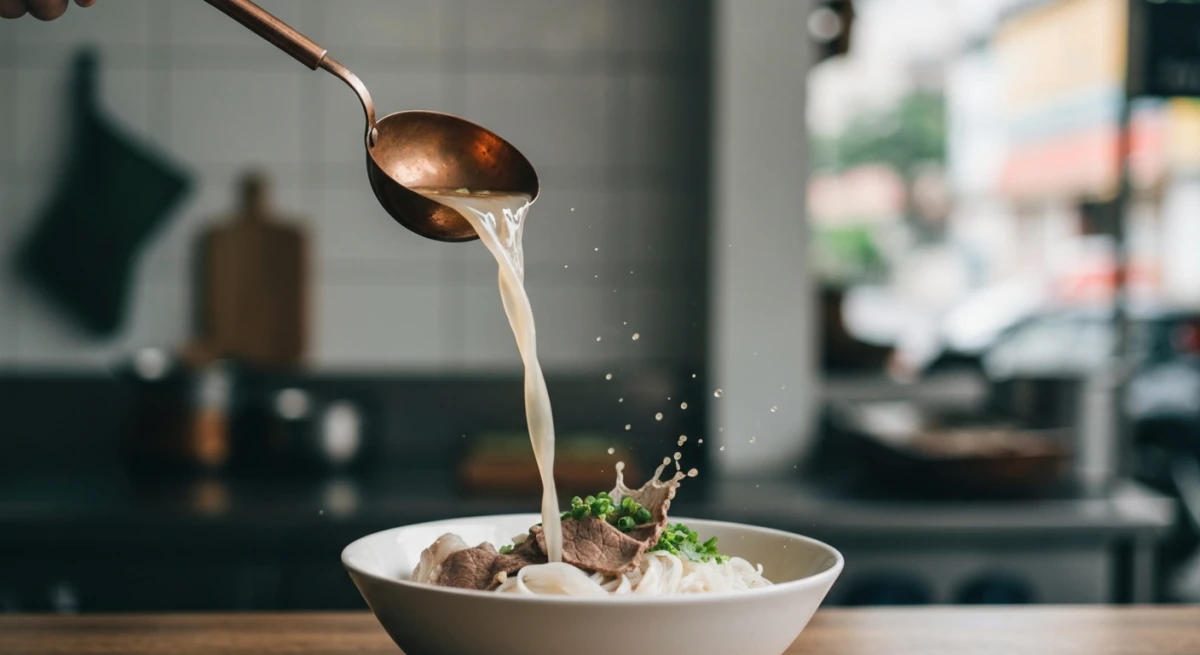
If you want to experience the true heartbeat of Vietnam’s capital, there is only one way to do it: dive headfirst into this ultimate hanoi street food guide. Walking through Hanoi is an assault on the senses. The air is thick with the sweet aroma of charcoal-grilled pork, the pungent fragrance of fresh coriander, and the rich, cinnamon-laced steam rising from giant, bubbling pots of bone broth. Motorbikes weave past on narrow sidewalks, while hungry locals and travelers sit knee-to-knee on tiny plastic stools, hunched over bowls of steaming noodles.
In Hanoi, food is not merely sustenance; it is a lifestyle, an art form, and a historical archive. The city’s complex culinary heritage reflects a blend of indigenous Vietnamese traditions, centuries of Chinese influence, and a touch of French colonial legacy. This comprehensive hanoi street food guide will help you navigate the chaotic alleys of the Old Quarter, master the local street food etiquette, identify safe stalls, and discover the most iconic dishes that define this culinary wonderland.
1. The Soul of Hanoi Street Food: How to Eat Like a Local
Before you grab your chopsticks, it helps to understand the philosophy of Northern Vietnamese dining. Unlike the sweeter, bolder flavors of Southern Vietnam (such as in Ho Chi Minh City), Hanoi’s cuisine is defined by balance, subtlety, and restraint. Northern cooks rely heavily on black pepper, fresh ginger, dill, and mild chilies rather than overwhelming sweeteners and heavy spices. The result is a clean, comforting flavor profile that lets the freshness of the ingredients shine.
The Low-Stool Philosophy
To eat like a Hanoian, you must lower your physical perspective. The city’s famous red and blue plastic stools (ghế nhựa) are the great social equalizer of Vietnam. On any given sidewalk, you will find high-powered business executives, trendy university students, and budget backpackers sitting side-by-side, sharing communal tables. There is no pretense here—only a shared obsession with good food. Embracing this street-level dining is essential; the best food in the city is rarely found behind closed, air-conditioned doors.
Hygiene and Safety: The Foodie Survival Rules
One of the most common worries for first-time visitors is food hygiene. While "Hanoi belly" can happen, you can dramatically lower your risks by following these proven rules:
- Follow the Crowds (Đông Khách): A high turnover of customers means the food is fresh and has not been sitting out. Look for stalls packed with local families and young people.
- The Rolling-Boil Rule: When ordering soups like Phở or Bún Riêu, ensure the broth is ladled from a pot that is actively boiling. High temperatures kill pathogens instantly.
- Sanitize Your Utensils: It is standard practice to wipe down your chopsticks and spoons with a paper napkin before eating. Many locals will also squeeze a fresh lime wedge over their utensils to disinfect them.
- Check the Ice: Ice is generally safe in Hanoi. If the ice consists of uniform, hollow, cylindrical tubes, it was produced in a commercial factory using purified water. Avoid crushed ice from large block blocks, which may have been transported hygienically unchecked.
Budget and Payments
Street food in Hanoi is incredibly affordable. Most classic dishes cost between 30,000 VND and 70,000 VND ($1.20 to $2.80 USD) per serving. Cash is absolutely mandatory on the streets. Always carry small bills (10,000, 20,000, 50,000, and 100,000 VND). Vendors will struggle to make change for a 500,000 VND note first thing in the morning.
2. The Ultimate Hanoi Street Food Bucket List: What to Eat & Where
Using a reliable hanoi street food guide is essential to avoiding the overpriced tourist traps and finding the generational stalls that specialize in doing just one dish perfectly. Here are the ten absolute must-try dishes you cannot miss, along with their authentic local addresses.
1. Phở Bò & Phở Gà (Beef & Chicken Noodle Soup)
- Phonetic: Fuh bo / Fuh gah
- The Dish: Phở is Vietnam's national dish, but Hanoi is its spiritual home. Unlike the Southern style, which is served with a sweeter broth, bean sprouts, and hoisin sauce, Northern phở is highly minimalist. The focus is entirely on the clarity of the beef bone broth (simmered for 12 to 18 hours with charred ginger, onions, star anise, and cinnamon), flat rice noodles, tender cuts of beef, and a generous handful of green spring onions. Customize your bowl with vinegar-pickled garlic, fresh lime juice, and a dash of local chili sauce.
- Where to Eat It:
- Phở Gia Truyền Bát Đàn (49 Bát Đàn, Hoàn Kiếm): Famous for its rich, aromatic beef broth and the long, orderly queue that forms every morning. Try the Phở Tái Nạm (half-done and beef flank).
- Phở Thìn Lò Đúc (13 Lò Đúc, Hai Bà Trưng): Known for its unconventional, intensely flavorful broth. Instead of poaching the beef, they flash-fry it with garlic before adding it to the bowl, resulting in a rich, slightly smoky flavor.
2. Bún Chả (Charcoal-Grilled Pork with Rice Vermicelli)
- Phonetic: Boon chah
- The Dish: This is arguably Hanoi’s most beloved lunchtime meal (gaining global fame after Anthony Bourdain and President Barack Obama shared a bowl in 2016). Bún chả consists of two types of pork—sliced pork belly and minced pork patties—grilled over glowing red charcoals until smoky and charred. The pork is served submerged in a warm, sweet-savory dipping sauce made of diluted fish sauce, sugar, lime juice, and vinegar, garnished with crunchy slices of green papaya and carrot. You eat it by dipping cold rice vermicelli noodles (bún) and fresh herbs (basil, perilla, mint) directly into the pork bowl.
- Where to Eat It:
- Bún Chả Đắc Kim (1 Hàng Mành, Hoàn Kiếm): A multi-story institution in the Old Quarter. The portions are massive, and their crab-filled spring rolls (nem cua bể) are incredibly crispy.
- Tuyet Bún Chả 34 (34 Hàng Than, Ba Đình): A favorite among locals who prefer a less touristy atmosphere. The pork is exceptionally juicy and beautifully caramelized.
3. Bánh Mì (The Vietnamese Baguette)
- Phonetic: Ban mee
- The Dish: A brilliant product of French colonial influence, the Vietnamese bánh mì features a crispy, airy baguette sliced open and smeared with rich pork liver pâté and homemade mayonnaise. In Hanoi, the filling focuses on high-quality cold cuts, pork floss, head cheese, cucumber, and cilantro, tied together with a spicy, savory chili sauce. It is lighter and less packed with vegetables than its Southern counterpart, emphasizing the texture of the bread and the savory depth of the pâté.
- Where to Eat It:
- Bánh Mì Mama (54 Lý Quốc Sư, Hoàn Kiếm): A small sidewalk cart operating near Saint Joseph’s Cathedral. Their toasted baguettes are incredibly fresh, and the balance of pâté, grilled pork, and chili is spectacular.
- Bánh Mì 25 (25 Hàng Cá, Hoàn Kiếm): A popular spot that offers clean, modern service with exceptional vegetarian options, such as sautéed mushroom and avocado fillings.
4. Cà Phê Trứng (Egg Coffee)
- Phonetic: Cah feh trung
- The Dish: Born out of necessity during the First Indochina War in 1946 when condensed milk was scarce, a clever bartender named Nguyen Van Giang whisked chicken egg yolks with sweetened condensed milk and sugar to create a thick, velvety custard topping to float over strong, bitter robusta coffee. The result is a liquid tiramisu—sweet, frothy, rich, and intensely caffeinated. It is served in a small bowl of hot water to keep the egg mixture warm and airy.
- Where to Eat It:
- Café Giảng (39 Nguyễn Hữu Huân, Hoàn Kiếm): The original birthplace of egg coffee. It is hidden down a narrow corridor that opens into a bustling, atmospheric multi-level cafe.
- Café Đinh (13 Đinh Tiên Hoàng, Hoàn Kiếm): Run by Giang’s daughter, this rustic, unpolished second-story cafe overlooks Hoan Kiem Lake. It offers a slightly stronger, less sweet version that locals love.
5. Phở Cuốn & Phở Chiên Phồng (Fresh Noodle Rolls & Crispy Fried Noodle Pillows)
- Phonetic: Fuh kuan / Fuh cheen fong
- The Dish: Around the year 2000, a phở vendor near Truc Bach Lake ran out of broth but had plenty of noodles and beef left. She decided to roll the wide, uncut sheets of rice noodles around stir-fried beef, lettuce, and cilantro. Thus, Phở Cuốn was born. It is served cold and dipped in a sweet-and-sour fish sauce mixture. Its cousin, Phở Chiên Phồng, consists of square sheets of fresh noodle dough deep-fried until puffing up into crispy "pillows," then drenched in a savory beef and bok choy gravy.
- Where to Eat It:
- Phở Cuốn Chinh Thắng (7 Mạc Đĩnh Chi, Trúc Bạch): Regarded as the original creator of this dish. The rolls are tight, fresh, and exceptionally fragrant.
- Phở Cuốn Hưng Bền (33 Nguyễn Khắc Hiếu, Ba Đình): A massive local hotspot with an extensive menu of fried noodle variations and a great view of the lake.
6. Chả Cá Lăng (Sizzling Turmeric Fish with Dill)
- Phonetic: Chah kah lang
- The Dish: This dish is so famous that Hanoi’s municipal government named an entire street after it (Phố Chả Cá). Chunks of firm, boneless catfish (cá lăng) are marinated in turmeric, galangal, and ginger, then pan-fried at your table on a portable gas burner. The server will dump a massive mountain of fresh dill and green spring onions into the sizzling oil. Once cooked, you assemble your bowl with rice vermicelli, roasted peanuts, fresh herbs, and a splash of mắm tôm (pungent, fermented purple shrimp paste mixed with sugar, lime, and chili until frothy).
- Where to Eat It:
- Chả Cá Thăng Long (6B Đường Thành, Hoàn Kiếm): A Michelin Bib Gourmand winner, set in a lovely century-old yellow townhouse. The service is incredibly helpful for first-timers, explaining exactly how to assemble each bite.
- Chả Cá Lã Vọng (14 Chả Cá, Hoàn Kiếm): The historic, original restaurant that started it all over a century ago, though it is slightly more expensive and tourist-heavy today.
7. Bún Riêu Cua (Crab and Tomato Noodle Soup)
- Phonetic: Boon ree-uh koo-ah
- The Dish: A rustic, deeply comforting peasant soup featuring a broth made from pounded freshwater paddy crabs, stewed tomatoes, and rice vinegar. The result is a vibrant, reddish-gold broth that is sweet, sour, and intensely savory. It is topped with fluffy mounds of crab paste (riêu cua), golden fried tofu blocks, a drizzle of scallion oil, and fresh banana blossom salad. You can optionally add beef, pork rolls (giò lụa), or snail (ốc).
- Where to Eat It:
- Bún Riêu Trang (23 Nguyễn Siêu, Hoàn Kiếm): A beloved morning-only spot in the Old Quarter. The broth is exceptionally tangy and balanced.
8. Bánh Cuốn (Steamed Rice Crepes)
- Phonetic: Ban kuan
- The Dish: These delicate, translucent crepes are made by pouring fermented rice batter onto a tightly stretched piece of cloth over a pot of boiling water. The chef peels the paper-thin sheet off with a bamboo stick, fills it with seasoned minced pork and finely chopped wood-ear mushrooms, and rolls it up. It is topped with crispy fried shallots and served with a warm sweet-savory dipping sauce, fresh herbs, and slices of chả lụa (Vietnamese pork roll).
- Where to Eat It:
- Bánh Cuốn Bà Hoành (66 Tô Hiến Thành, Hai Bà Trưng): Famous for its thin, silky crepes and legendary grilled pork served on the side.
9. Cháo Sườn Sụn (Pork Rib Cartilage Porridge)
- Phonetic: Chaow suern soon
- The Dish: Unlike Southern-style congee with visible rice grains, Hanoi’s cháo sườn is milled into a silky, velvety paste made from broken rice grains cooked in rich pork bone broth. It is served steaming hot, topped with shredded pork floss (ruốc), tender bits of slow-cooked pork rib cartilage, and chopped crispy fried dough sticks (quẩy). It is the ultimate Hanoi winter comfort food.
- Where to Eat It:
- Cháo Sườn Huyền Anh (14 Đồng Xuân, Hoàn Kiếm): Located right outside the historic Dong Xuan Market. This street stall opens late into the night and is always packed with locals seeking a warm midnight snack.
10. Bánh Tôm (Crispy West Lake Prawn Fritters)
- Phonetic: Ban tom
- The Dish: Originating along the shores of West Lake (Hồ Tây), this crispy snack consists of shredded sweet potatoes mixed with flour and turmeric batter, topped with fresh, head-on freshwater prawns. The entire fritter is deep-fried until deeply golden and crunchy. To eat, wrap a piece of the hot fritter in lettuce and herbs, and dip it into a sweet-and-sour papaya fish sauce.
- Where to Eat It:
- Bánh Tôm Thanh Tâm (43 Phủ Tây Hồ, Tây Hồ): Situated right near the historic Tây Hồ Temple. It is the perfect spot to sit with a cold beer and watch the sunset over the lake while enjoying these crispy treats.
3. Mapping the Old Quarter’s Top Street Food Alleys
If you prefer to wander without a strict destination, Hanoi’s historic Old Quarter (Phố Cổ) features several famous culinary micro-districts. Getting lost in these alleys is half the fun of any hanoi street food guide journey.
+-------------------------------------------------------------+
|                   HANOI STREET FOOD HOT ZONES               |
+-------------------------------------------------------------+
|  1. TẠ HIỆN (Beer Street)  |  Bia Hơi, grilled meats, and    |
|                             |  crunchy evening street snacks |
+-----------------------------+--------------------------------+
|  2. TỐNG DUY TÂN (Food St.) |  Gà tần (herbal claypot chicken)|
|                             |  and sizzling night-owl bites  |
+-----------------------------+--------------------------------+
|  3. NGÕ ĐỒNG XUÂN (Alley)   |  Bún ốc (snail soup), chè, and |
|                             |  cheap, fast lunchtime noodles |
+-------------------------------------------------------------+
Tạ Hiện Street (Beer Street)
As the sun sets, the narrow, colonial-era intersection of Tạ Hiện and Lương Ngọc Quyến transforms into a chaotic neon-lit party. Hundreds of low plastic stools spill into the street. Come here for Bia Hơi (freshly brewed draft beer served daily for around 10,000 to 15,000 VND / $0.50 USD) and pair it with street bites like fried fermented pork rolls (nem chua rán), roasted peanuts, and charcoal-grilled skewers.
Tống Duy Tân (Food Street)
Tống Duy Tân is Hanoi's officially designated 24-hour food street, offering a quieter, pedestrian-friendly environment. It is particularly famous for Gà Tần (tender black-chicken stewed in a claypot with traditional Chinese herbs, mugwort, and goji berries) and outstanding plates of Cơm Rang (crispy beef fried rice served with a rich melon pickle broth).
Ngõ Đồng Xuân (Dong Xuan Market Alley)
Running along the side of the massive Dong Xuan Market, this narrow, covered alley is a daytime food paradise. It is tightly packed with stalls selling traditional lunchtime items like Bún Ốc (lemongrass-scented snail noodle soup), Phở Tiếu (dry noodles with sweet-and-sour pork sauce), and sweet dessert soups (Chè) filled with colorful jellies, coconut milk, and lotus seeds.
4. DIY vs. Guided Hanoi Food Tour: Which is Best?
Deciding how to tackle Hanoi’s street food scene depends heavily on your budget, travel experience, and comfort levels. Both paths offer unique advantages.
The DIY Route: For the Adventurous Explorer
Creating your own itinerary using this hanoi street food guide is highly rewarding and incredibly cheap.
- Pros: You control your pace, spend less than $10 USD a day, and can linger at spots you love.
- Cons: Language barriers make ordering customized dishes difficult. You may struggle to find hidden entrances, and you risk ordering too much food at one stall, limiting how many different dishes you can try.
- Tip: Download Google Translate to read street signs and menus. Always point to what others are eating if you cannot explain your order verbally.
The Guided Street Food Tour: For Context and Access
Booking a local street food tour is highly recommended for first-time visitors to Vietnam.
- Pros: A local guide will navigate the complex labyrinth of Old Quarter alleys to take you into hidden residential courtyards and second-floor apartments that tourists never find. They will explain the history behind each dish, ensure strict food hygiene, and order smaller "tasting" portions so you can try 8 to 10 different items in a single evening without exploding.
- Cons: It is more expensive ($20 to $35 USD per person), and you are tied to a group schedule.
- Tip: Look for small-group walking tours rather than motorbike tours for the Old Quarter, as the narrow streets are best explored on foot.
5. Essential Hanoi Street Food Etiquette & Vocabulary
Navigating street food culture smoothly requires a basic understanding of local customs. Here are a few guidelines to ensure you respect the local vendors:
Dining Etiquette
- Never Leave Chopsticks Vertical: Avoid sticking your chopsticks upright in a bowl of rice. This mimics the burning of incense sticks at Buddhist altars for the deceased and is considered extremely bad luck.
- Embrace the Trash on the Floor: Do not be alarmed to see used napkins, lime rinds, and peanut shells thrown directly onto the concrete floor beneath tables. Street stalls have a continuous sweep-and-clean cycle; keeping trash on the floor keeps the small table space clear.
- Condiment Etiquette: Always taste your broth first before adding condiments. Hanoians are highly proud of their broths. Adding too much chili or garlic immediately without tasting is considered mildly impolite to the cook.
Essential Vietnamese Foodie Vocabulary
Learning even a few words of Vietnamese will bring smiles to the faces of street food vendors:
- "Một, Hai, Ba, Dô!" (Mote, Hi, Bah, Yo!): The universal Vietnamese drinking toast meaning "1, 2, 3, Cheers!"
- "Tính tiền" (Ting tee-en): "Calculate the bill, please."
- "Cảm ơn" (Gam-uhn): "Thank you."
- "Không cay" (Kom kai): "Not spicy."
- "Ngon quá" (Ngon kwah): "Delicious!"
6. Frequently Asked Questions (FAQ)
Is street food in Hanoi safe for children?
Yes, street food can be safe for children if you stick to highly cooked, hot dishes like Phở or Bún Chả. Avoid raw leafy greens and stick to peeled fruits. For pickier eaters, Bánh Mì (which is similar to a ham and cheese sandwich) and sweet egg coffee are usually massive hits.
Can vegetarians find good street food in Hanoi?
Absolutely. Look for the word "Chay" (which means vegetarian/vegan in Vietnamese). You can find vegetarian bánh mì (Bánh Mì Chay) filled with tofu, mock meats, and fresh herbs, as well as vegetarian noodle soups. Look for Buddhist vegetarian restaurants (Quán Cơm Chay) for incredible, affordable buffet-style street food.
How much cash should I carry for a day of street food?
For a full day of eating—including breakfast, lunch, dinner, coffees, and light snacks—200,000 VND to 300,000 VND ($8.00 to $12.00 USD) per person is more than enough to eat like a king.
What is the best time of day to eat street food in Hanoi?
Street food in Hanoi is highly seasonal and time-dependent. Many of the best Phở stalls open from 6:00 AM to 10:00 AM and close once they run out of broth. Bún Chả is traditionally eaten exclusively for lunch (11:00 AM to 2:00 PM). In the evening, the streets transition to hotpots (Lẩu) and grilled street skewers.
Final Words: Pull Up a Chair
At first glance, Hanoi can feel overwhelming. The constant honking of motorbikes, the dense humidity, and the maze-like streets can easily overstimulate even the most seasoned travelers. But the moment you sit down on a tiny blue plastic stool, order a cold beer, and receive a steaming bowl of noodles, the chaos of the city melts into the background. Hanoi’s street food is more than just a culinary journey—it is an invitation to slow down, connect with the locals, and experience one of the greatest food cultures on Earth. Grab your chopsticks and enjoy the feast!