The Soul of Northern Flavors: Why Hanoi's Food Scene is Unique
When you step into Hanoi, you do not just visit a historic city—you taste its living heritage. The narrow, sensory-rich streets of the Old Quarter are thick with the aromas of charcoal-grilled pork, bone-simmering broths, and robust roasted coffee. For any traveler or epicurean, diving into hanoi top food is nothing short of a culinary pilgrimage.
Unlike the sweeter, herb-heavy dishes of Southern Vietnam, Hanoi's cuisine is defined by restraint, balance, and pure flavors. Influenced by centuries of imperial history and a touch of French culinary technique, Hanoian cooks focus on coaxing deep, clean flavors from fresh, local ingredients rather than masking them with heavy spices or sugars. In Hanoi, a dish is perfect not because of what has been added, but because nothing can be stripped away.
From bustling sidewalk stalls balanced on tiny plastic stools to multi-generational family institutions, this comprehensive culinary guide will show you where to go, what to order, and how to eat like a true local in the Vietnamese capital.
1. Phở (Pho): The Definitive Broth of the Capital
No discussion of hanoi top food can begin anywhere but with a bowl of Phở. Born in Northern Vietnam in the late 19th century, Phở is more than just a noodle soup; it is the national soul in a bowl.
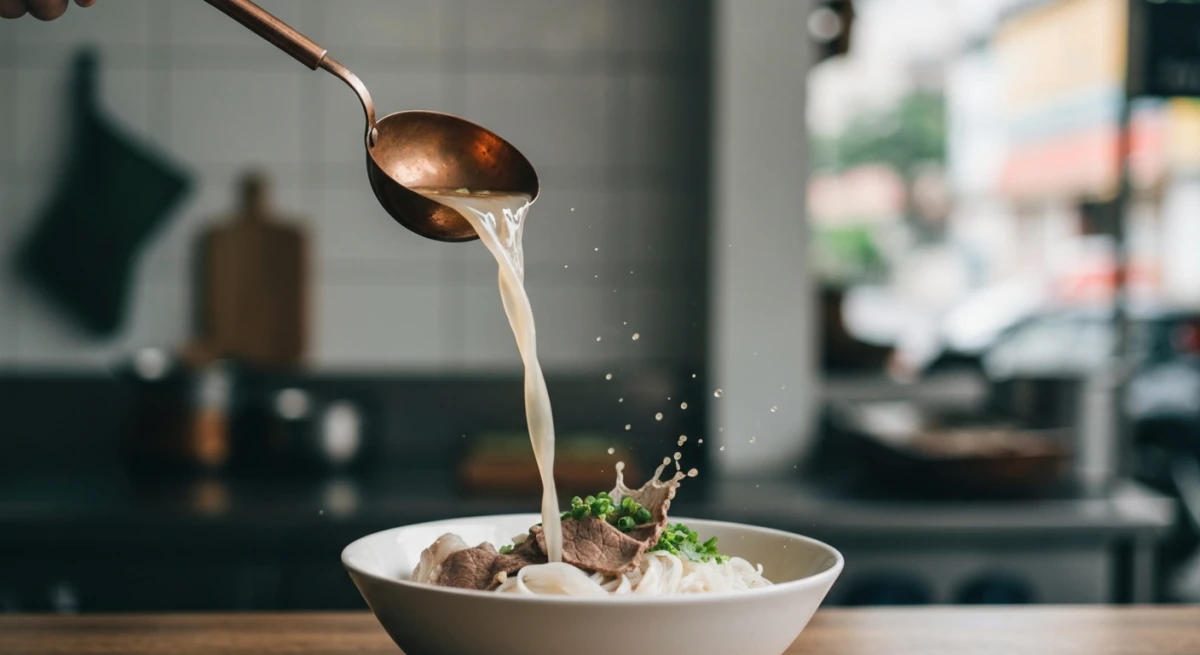
The secret to Hanoian Phở lies in the broth. Unlike its sweeter, cloudier Southern cousin, Northern Phở broth is crystal clear, delicate, and deeply fragrant, flavored subtly with charred ginger, onions, cinnamon, star anise, and black cardamom. It is traditionally served with flat, tender rice noodles (bánh phở) and garnished simply with fresh scallions and cilantro. You will not find mountains of basil, bean sprouts, or sweet hoisin sauce on a Hanoian table—only fresh chilies, lime wedges, and garlic-infused vinegar to tailor the bowl to your taste.
Phở Bò (Beef Pho)
This is the classic, beef-centric variety. You can order it with tái (rare beef that cooks in the hot broth), chín (well-done beef brisket), or tái lăn (stir-fried beef with garlic).
- Where to Try It: Phở Gia Truyền Bát Đàn (49 Bát Đàn, Old Quarter). Be prepared to line up, grab your own bowl, and find a seat. For a legendary, slightly sweet stir-fried beef version, head to Phở Thìn Lò Đúc (13 Lò Đúc).
Phở Gà (Chicken Pho)
For a lighter but equally complex alternative, chicken pho offers shredded, succulent poultry in a golden, clear chicken broth flavored with subtle hints of lemon leaf.
- Where to Try It: Phở Gà Nguyệt (5b Phủ Doãn, Old Quarter). This Michelin Bib Gourmand-recognized spot serves incredibly moist chicken with the option of a classic soup or a savory dry mixed version (phở gà trộn).
2. Bún Chả (Bun Cha): Smoky Charcoal-Grilled Perfection
If Phở is the breakfast king, Bún Chả owns the lunchtime rush. This dish is a glorious sensory explosion of cold, warm, sweet, savory, and smoky flavors.
A standard serving of Bún Chả consists of three main components: a bowl of warm, sweet-and-sour fish sauce dipping broth packed with slices of green papaya and carrot; a platter of grilled pork belly and charcoal-caramelized pork patties (chả); and a mound of fresh rice vermicelli noodles (bún). A generous basket of fresh herbs (including shiso, coriander, lettuce, and Vietnamese balm) accompanies the dish.
How to Eat Bún Chả Like a Local
Do not pour the broth over your noodles. Instead, grab a small bundle of noodles with your chopsticks, dip them directly into the warm broth with a piece of grilled pork and pickled papaya, add a pinch of fresh herbs, and eat everything in one mouthful.
- Where to Try It: While Bún Chả Hương Liên (24 Lê Văn Hưu) gained global fame after Anthony Bourdain and President Barack Obama dined there, locals also rave about Bún Chả Tuyết 34 (34 Hàng Than) for its smoky, perfectly charred patties and vibrant, local alleyway atmosphere.
3. Bánh Mì (Banh Mi): The Crispy Street Staple
While you can find Bánh Mì across every corner of Vietnam, Hanoi's version is highly distinct. Southern baguettes tend to be oversized and overloaded with a dizzying array of cold cuts, pickled vegetables, and fresh herbs. The Hanoian Bánh Mì, by contrast, is a masterclass in minimalist balance.
Hanoian baguettes are smaller, narrower, and incredibly light and crispy. The fillings are simple but high-quality: a rich layer of smooth pork liver pâté, salted butter, a sprinkle of pork floss, Chinese-style barbecued pork or fried eggs, a few slices of fresh cucumber, coriander, and a drizzle of sharp, homemade chili sauce.
Where to Try It:
- For the Traveler's Favorite: Bánh Mì 25 (25 Hàng Cá). Famous for a reason, they serve wonderfully crispy baguettes with a wide range of fillings, including modern vegetarian options.
- For a Savory Twist: Bánh Mì Trâm (30 Đình Ngang). Try their legendary Bánh Mì Sốt Vang—warm, crispy bread served alongside a rich, red wine beef stew fusing French and Vietnamese flavors.
- For the Local Pâté Purist: Bánh Mì Phố Cổ (38 Đinh Liệt). Unpretentious, incredibly crisp, and loaded with rich, melt-in-the-mouth house-made pâté.
4. Chả Cá (Cha Ca): Turmeric Fish Sizzled with Dill
Chả Cá is so beloved in Hanoi that there is an entire street in the Old Quarter named after it. This is not just a meal; it is an engaging, interactive culinary experience.
The dish features chunks of firm, local catfish (traditionally hemibagrus, or cá lăng) marinated in turmeric, galangal, and garlic. The fish is partially grilled over charcoal before being brought to your table in a sizzling, dill-strewn cast-iron skillet over a small portable burner. The server will dump mountain-loads of fresh dill and green scallions directly into the hot oil with the fish.
Once the herbs wilt, you assemble your bowl: start with a base of cold rice vermicelli, add a piece of the sizzling golden fish, top it with the fragrant wilted dill and spring onions, sprinkle with roasted peanuts, and drizzle with a splash of mắm tôm (a pungent, purple fermented shrimp paste whisked with lime juice and sugar until frothy). If mắm tôm is too adventurous for you, high-quality fish sauce (nước mắm) works beautifully too.
Where to Try It:
- The Historic Pioneer: Chả Cá Lã Vọng (14 Chả Cá). This multi-generational restaurant is the birthplace of the dish, operating since 1871.
- The Modern Local Favorite: Chả Cá Anh Vũ (120 K1 Giảng Võ). Known for incredibly fresh fish, pristine ingredients, and a slightly more spacious dining setting.
5. Bánh Cuốn (Banh Cuon): Delicate Steamed Rice Rolls
For a light, silky breakfast or mid-afternoon snack, Bánh Cuốn is unmatched. Watching a skilled vendor make Bánh Cuốn is like watching a culinary dance.
The cook ladles a thin batter of fermented rice flour onto a tightly stretched piece of fabric over a steaming pot of water. Within seconds, a paper-thin, translucent sheet is formed. Using a long bamboo stick, the cook lifts the delicate sheet, places it on a tray, fills it with seasoned minced pork and wood-ear mushrooms, and rolls it up. It is brushed with a glistening layer of shallot oil and topped with a generous handful of crunchy, golden fried shallots.
Bánh Cuốn is served warm with chả lụa (Vietnamese pork sausage) and a light, sweet dipping sauce made of diluted fish sauce, lime juice, sugar, and fresh chilies. Some traditional spots even offer a drop of cà cuống (giant water bug essence) in the dipping sauce for a unique, floral-anise aroma.
Where to Try It:
- Bếp Tuệ An (Hanoi Old Quarter). A fantastic family-run spot famed for silky-smooth rolls made fresh right in front of you.
- Bánh Cuốn Bà Hoành (66 Tô Hiến Thành). Legendary for its exceptionally thin rice sheets and rich, smoky dipping sauce.
6. Cà Phê Trứng (Egg Coffee): Liquid Tiramisu of the Old Quarter
You cannot explore hanoi top food without diving into the city's legendary coffee culture. Hanoi's most famous drinkable export is Cà Phê Trứng (Egg Coffee), a decadent beverage born out of resourcefulness.
In 1946, during the First Indochina War, fresh milk was scarce in Hanoi. Nguyen Van Giang, a bartender at the historic Sofitel Legend Metropole Hotel, had a stroke of genius. He whisked raw egg yolks with sugar, condensed milk, and a touch of cheese to create a thick, velvety meringue-like foam, which he layered over hot, robust Vietnamese robusta coffee. The result is a warm, rich drink that tastes exactly like liquid tiramisu or liquid custard.
Where to Try It:
- The Original Birthplace: Café Giảng (39 Nguyễn Hữu Huân). Tucked deep down a narrow, unassuming alleyway, this iconic multi-level cafe is run by Nguyen Van Giang's descendants. Order the hot egg coffee, which is served sitting in a bowl of warm water to keep the egg foam silky and warm.
- The Rooftop View: Café Đinh (13 Đinh Tiên Hoàng). Located on the second floor of a classic old Hanoian house overlooking Hoàn Kiếm Lake, this spot serves a slightly stronger, punchier version favored by local artists and students.
7. Beyond the Classics: Hidden Gems and Lesser-Known Delicacies
While Pho and Bun Cha grab all the international headlines, Hanoi's true food lovers know that some of the most satisfying flavors are found in the lesser-known, specialized street stalls.
Bún Riêu Cua (Crab Noodle Soup)
This tangy, tomato-based noodle soup is a marvel of rustic culinary design. The broth is simmered with pounded freshwater field crabs, tomatoes, and tamarind, yielding a sour, deeply umami base. It is loaded with rice vermicelli, fried tofu puffs, a soft crab paste cake (riêu cua), and sometimes thin slices of beef or snails (ốc).
- Where to Try It: Bún Riêu Trang (11 Hàng Bạc). A classic sidewalk spot where you can watch the world go by.
Phở Trộn (Dry Mixed Pho)
When the summer humidity of Northern Vietnam hits, Hanoians trade their steaming bowls of soup for Phở Trộn. This dish features cold pho noodles tossed with succulent shredded chicken or beef, fresh herbs, julienned cucumber, roasted peanuts, crispy fried shallots, and a sweet, savory soy-based dressing.
- Where to Try It: Phở Hạnh (65 Lãn Ông). They open in the evening and serve some of the best dry chicken pho in the city.
Nem Chua Rán (Fried Fermented Pork Skewers)
A staple snack for Hanoi's youth, Nem Chua Rán consists of fermented pork skewers rolled in breadcrumbs and deep-fried until golden and crunchy. It is gelatinous, sweet, savory, and spicy when dipped in sweet chili sauce.
- Where to Try It: Tạm Thương Alley (Hàng Bông). This narrow alley is affectionately known as "Nem Chua Rán Street," lined with stalls serving this addictive snack on plastic trays.
Inside the Culture: Street Food Etiquette & Finding Local Spots
Eating street food in Hanoi is not just about the consumption of calories; it is an active participation in local culture. To have the best experience, keep these insider tips in mind:
- Embrace the Plastic Stools: Do not let the tiny, low-to-the-ground blue and red plastic chairs intimidate you. Sidewalk dining is the great equalizer of Hanoian society. From businessmen in tailor-made suits to local grandmothers and foreign backpackers, everyone sits shoulder-to-shoulder on these tiny stools.
- Follow the Crowds, Especially the Multi-Generational Ones: The golden rule of street food safety and flavor is high turnover. Look for stalls crowded with local families and young Vietnamese locals. If a place is packed, the ingredients are guaranteed to be fresh and the recipe is highly likely to be a local favorite.
- Understand the Monotasking Stall: Unlike Western restaurants with multi-page menus, the best street food stalls in Hanoi do exactly one thing, and they have been perfecting it for generations. Do not walk into a Pho shop and ask for fried rice. Sit down, signal the number of portions you want, and let the specialists do what they do best.
- Master the Condiment Station: Hanoians take their table condiments very seriously. Taste your broth first, then add. Use quất (local calamansi limes) for bright acidity, garlic vinegar for a sharp, savory kick, or fresh bird's eye chilies for heat.
Frequently Asked Questions (FAQ)
Is street food in Hanoi safe to eat?
Yes, Hanoi's street food is generally very safe, provided you follow a few basic rules. Eat at busy stalls with a high turnover of customers, as this ensures the food hasn't been sitting out. Opt for hot, fully cooked dishes. Drink bottled water, although the ice (đá) used in busy city cafes is typically made from purified factory-made ice tubes and is safe for most travelers.
What is the main difference between Northern and Southern Vietnamese food?
Northern Vietnamese food (Hanoi style) is more subtle, balanced, and clean, leaning on black pepper, fresh herbs, and savory broths. Southern Vietnamese food (Saigon style) is sweeter, spicier, and uses a much wider variety of fresh herbs, coconut milk, and sweet hoisin or chili sauces.
How much does a typical street food meal cost in Hanoi?
Hanoi is incredibly budget-friendly. A hearty bowl of Phở or a plate of Bún Chả at a local street food stall will typically cost between 40,000 VND and 70,000 VND (approximately $1.60 to $2.80 USD).
Are there vegetarian options in Hanoi?
While traditional Hanoian food relies heavily on pork and beef broths, Hanoi has a flourishing Buddhist vegetarian culture. Look for signs that say "Chay" (Vegetarian). Spots like CỌ Restaurant offer incredible plant-based takes on classics, and upscale restaurants like Ưu Đàm Chay serve exquisite, fine-dining vegetarian dishes.
Conclusion
Hanoi is a city that rewards the curious and the hungry. By stepping out of your culinary comfort zone and onto the energetic, scooter-lined sidewalks, you will discover why Hanoi is repeatedly voted one of the world's absolute best food destinations. From your very first slurp of clear beef Phở to your final sip of creamy Egg Coffee, the flavors of Hanoi will stay with you long after you fly home. Pack your bags, keep an open mind, and prepare for the food adventure of a lifetime.