Introduction: The Soul of Northern Vietnamese Gastronomy
Hanoi is not just the political capital of Vietnam; it is the spiritual and cultural heart of its cuisine. Unlike the sweet, herb-heavy dishes of Southern Vietnam or the fiery, spice-laden flavors of the Central region, hanoi special food is defined by subtlety, balance, and centuries of tradition. Northern Vietnamese cuisine values pure, clean flavors where every ingredient has a distinct purpose. Broths are slowly simmered to extract natural umami, sweet elements are derived from bone marrow and fresh seafood rather than added sugar, and heat comes from cracked black pepper or fresh bird’s eye chilies rather than heavy spice blends.
For travelers, navigating Hanoi’s culinary landscape is an adventure that unfolds on low plastic stools tucked into narrow alleyways. The steam rising from giant soup cauldrons, the aroma of pork patties grilling over open charcoal, and the clinking of glasses filled with cheap, fresh draft beer all paint a picture of a vibrant, deeply-rooted food culture. To help you truly understand this culinary paradise, we’ve put together the ultimate guide to the most iconic hanoi special food masterpieces, complete with the history, dining etiquette, and hidden spots that competitors often overlook.
1. The Golden Trio of Hanoi's Culinary Identity
To truly understand Hanoi’s culinary DNA, you must start with the three dishes that define the city's global reputation. These are not merely meals; they are historical institutions.
Phở Hà Nội (Hanoi Beef & Chicken Noodle Soup)
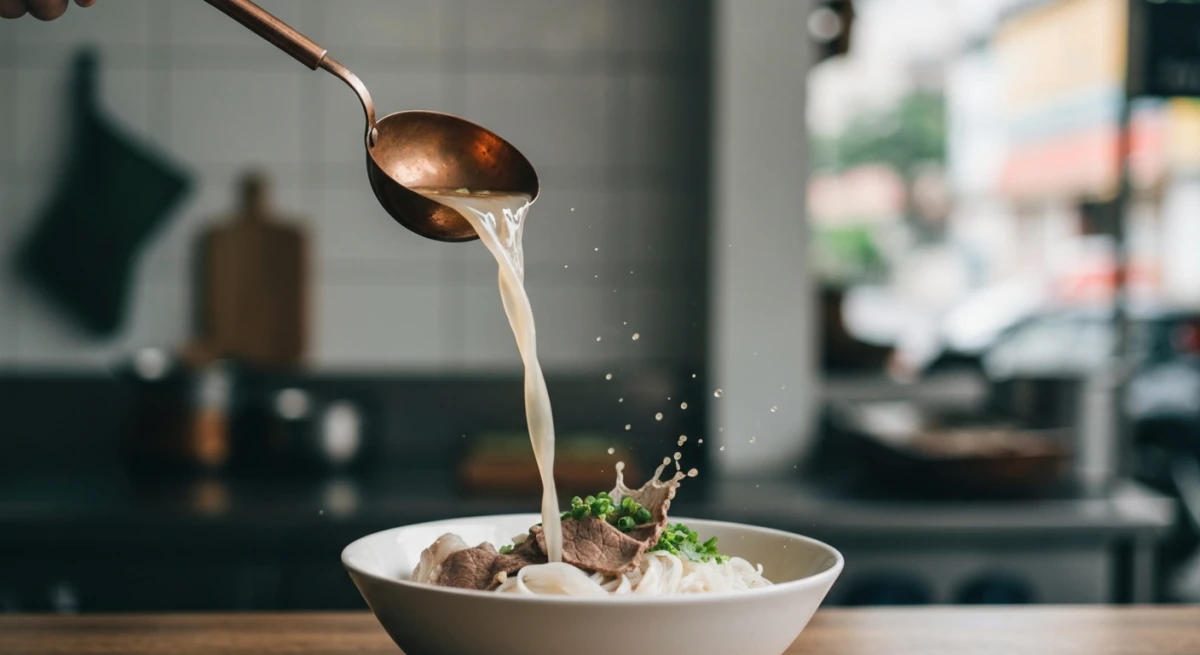
While phở is celebrated globally, its spiritual home is Hanoi. Unlike the Southern version, which is characterized by a sweeter broth, thick rice noodles, and an abundance of bean sprouts and hoisin sauce, authentic Hanoi Pho (Phở Bắc) is minimalist and deeply elegant.
- The Broth Secrets: The soul of Hanoi Pho lies in its crystal-clear broth. Chefs simmer beef marrow bones, charred ginger, onions, and dry spices (star anise, cinnamon, cloves, cardamom, and coriander seeds) for upwards of 12 to 18 hours. A closely guarded secret among heritage stalls is the addition of toasted sá sùng (dried sandworms) to the stockpot, which imparts an unparalleled, natural umami depth.
- The Assembly: Thinly sliced raw beef (phở tái), cooked brisket (phở chín), or tender flank is laid over flat, hand-cut rice noodles. It is garnished solely with a generous handful of green scallions and cilantro.
- The Etiquette Controversy: Traditionalists argue that beef Pho should only be seasoned with garlic-infused rice vinegar (dấm tỏi) rather than fresh lime. The citric acid of lime can disrupt the delicate, earthy aroma of the beef broth, whereas vinegar elevates it. For chicken Pho (Phở Gà), however, lime is highly encouraged. Order a plate of quẩy (savory fried dough sticks) to dip into the broth, letting them absorb the savory liquid like a sponge.
Bún Chả (Charcoal-Grilled Pork with Vermicelli)
If Pho is Hanoi’s morning ritual, bún chả is its lunchtime obsession. This dish captured the world's attention when Anthony Bourdain and President Barack Obama shared a table over cold beers in Hanoi, but locals have been eating it for generations.
- The Components: The star is pork prepared two ways—savory minced pork patties (chả viên) and caramelized pork belly slices (chả miếng)—marinated in fish sauce, caramel sugar, and shallots, then grilled over hot charcoal until smoky and charred. The warm grilled meat is submerged in a bowl of warm, diluted dipping sauce made from fish sauce, sugar, vinegar, lime juice, garlic, chili, and crunchy slices of pickled green papaya and carrot.
- The Herbs: It is served alongside a plate of cold bún (thin rice vermicelli noodles) and a massive basket of fresh herbs, specifically including kinh giới (Vietnamese balm) and tía tô (perilla), which chemically cut through the richness of the grilled pork fat.
- How to Eat it: Do not dump everything into one bowl. Grab a small bunch of noodles, dip them into the warm broth containing the pork, add some herbs, and eat them together in a single bite.
Chả Cá Lả Vọng (Turmeric Fish Sizzling with Dill)
This unique hanoi special food is so famous that an entire street in the Old Quarter was renamed in its honor (Cha Ca Street). Created by the Doan family in the late 19th century to feed anti-colonial activists, Chả Cá Lả Vọng is an interactive cooking experience.
- The Sizzle: A small charcoal burner is placed in the center of your table with a sizzling cast-iron skillet. Firm chunks of hemibagrus fish (cá lăng), marinated in turmeric, galangal, and shrimp paste, are fried in oil right before your eyes.
- The Greenery: As the fish sizzles, the waiter will dump huge mounds of fresh dill (thì là) and green scallions into the pan. The herbs wilt in the hot oil, absorbing the fish's spices and fat.
- The Assembly: To eat, place rice vermicelli in your bowl, top it with a piece of fish, wilted dill, and scallions. Drizzle with a spoonful of pungent mắm tôm (fermented shrimp paste whipped with lime juice, sugar, and chili until frothy) and scatter roasted peanuts on top.
2. Delicate and Under-the-Radar Noodle Masterpieces
Hanoi’s noodle soup game extends far beyond Pho. The city has developed specialized noodle dishes designed for specific times of day, seasons, and moods.
Bún Thang (The Sophisticated Rainbow Noodle Soup)
Often referred to as the most elegant soup in Hanoi, bún thang is a traditional dish originally prepared to utilize leftovers during the Lunar New Year (Tết) holiday. It represents the pinnacle of Hanoi culinary precision.
- The Craftsmanship: This dish is all about visual symmetry and delicate preparation. The ingredients must be shredded into paper-thin, matchstick-sized strips.
- The Toppings: A steaming bowl of thin vermicelli is carefully arranged with concentric sections of shredded chicken breast, razor-thin strips of fried egg crepe, julienned giò lụa (Vietnamese pork roll), and aromatic herbs.
- The Broth: The broth is made by boiling chicken bones and dried shrimp, resulting in a sweet, clear, marine-kissed liquid. A tiny drop of cà cuống (giant water bug pheromone extract) is traditionally added for a unique, aromatic, pear-like finish, alongside a dollop of pungent shrimp paste.
Bún Ốc (Snail Noodle Soup)
Do not let the word "snail" deter you. Bún ốc is one of the most beloved street foods in Hanoi, representing the culinary ingenuity of the Red River Delta farmers.
- The Snails: Fresh freshwater snails (ốc nhồi or ốc vặn), purged in rice water to ensure cleanliness, are boiled until tender and rubbery-crisp.
- The Broth: The soup broth is a sour-savory revelation. It is brewed from tomatoes, wine dregs (giấm bỗng), and pork bones, giving it a vibrant reddish hue and a tangy, refreshing finish that cuts through the humidity of Hanoi.
- The Experience: Slurping down a bowl of piping hot, sour snail soup on a cold winter afternoon in Hanoi is a rite of passage. It is often customized with fried tofu, beef slices, and banana flower blossoms.
Bún Riêu Cua (Crab Vermicelli Soup)
Similar to bún ốc, bún riêu is a celebration of freshwater ingredients from the local rice paddies.
- The Crab Paste: The defining feature of this soup is the crab paste, made from pounding fresh river crabs into a fine paste, straining the liquid, and cooking it until it forms soft, pillowy clouds of crab meat on the surface of the broth.
- The Flavor Profile: Cooked with tomatoes, tamarind, and fried tofu, the broth is sweet, sour, and deeply comforting. It is served with a mountain of finely shredded banana flower, mint, and perilla.
3. Morning Rituals and Crispy Delights
Hanoi starts its days early, and the city’s breakfast and snack cultures are unmatched in their variety of textures and techniques.
Bánh Cuốn (Steamed Rice Crepes)
Watching a bánh cuốn vendor work is like watching an artisan at a loom.
- The Technique: The cook spreads a thin ladle of fermented rice batter over a tightly stretched cloth steam-pot. In seconds, the steam solidifies the batter into a delicate, translucent sheet.
- The Filling: Using a thin bamboo stick, the cook lifts the sheet, fills it with a mixture of seasoned minced pork and wood ear mushrooms, and rolls it up.
- The Serving: The hot rolls are topped with crispy fried shallots (hành phi) and served with a bowl of warm, sweet-savory dipping sauce (sometimes flavored with a drop of cà cuống), fresh coriander, and slices of chả quế (cinnamon pork paste).
Bánh Mì Chảo (Sizzling Pan Bread)
While the classic French-influenced baguette (bánh mì) is eaten everywhere, Hanoi put its own spin on it with bánh mì chảo (pan bread).
- The Sizzle: Rather than stuffing the ingredients inside the bread, they are served sizzling hot in a small, cast-iron skillet.
- The Cast of Characters: A typical pan includes a fried egg, a slab of rich pork liver pâté, a small sausage, caramelized onions, and a rich, sweet tomato-based gravy.
- The Method: You are given a warm, crispy baguette on the side. Tear off pieces of the bread, smear them with the melting pâté and egg yolk, and scoop up the savory sauce straight from the pan.
4. Hanoi's Liquid Gold and Sweet Finishes
No exploration of hanoi special food is complete without diving into the city’s unique beverage and dessert culture. Hanoi is a city of cafes and street-side socializing.
Cà Phê Trứng (Hanoi Egg Coffee)
Hanoi's egg coffee is legendary, born out of necessity during the French War when fresh milk was scarce.
- The Innovation: In 1946, Nguyen Van Giang, a bartender at the Sofitel Legend Metropole Hanoi, decided to whisk egg yolks with condensed milk and sugar to create a creamy substitute for milk foam.
- The Result: Today, Cà Phê Trứng is a beloved specialty. It consists of a shot of dark, intense Vietnamese robusta coffee topped with a thick, velvety custard-like foam. It tastes like a warm, liquid tiramisu or coffee custard.
- How to Enjoy It: Keep the cup inside a bowl of hot water (which is always served with it to keep the egg warm and prevent it from smelling fishy). Use a small spoon to taste the creamy egg foam first, then slowly stir the dark coffee from the bottom to create a perfect balance of bitter and sweet.
Bia Hơi Culture (Fresh Draft Beer)
While not technically a "food," Bia Hơi is an essential part of Hanoi's culinary and social fabric.
- The Beer: Brewed daily and delivered in metal kegs each morning, Bia Hơi is a light, unpasteurized lager with an alcohol content of around 3-4%. It is incredibly cheap, crisp, and refreshing.
- The Social Hub: Head to the famous "Bia Hoi Junction" in the Old Quarter or any neighborhood street corner. You’ll sit on low plastic stools on the sidewalk, drinking ice-cold beer served in heavy, recycled green glass mugs.
- The Bar Food: Pair your beer with local drinking snacks (đồ nhắm), such as nem chua (fermented pork rolls wrapped in banana leaves), đậu lướt ván (deep-fried tofu), or roasted peanuts.
Bánh Cốm (Young Green Rice Cake)
For something sweet and historical, bánh cốm is the quintessential souvenir of Hanoi.
- The Ingredient: Made from young, fragrant green glutinous rice (cốm) harvested in autumn, particularly from the famous Vòng Village.
- The Texture: The rice is pounded and cooked into a bright green, sticky, and chewy cake, filled with a sweet paste made from mung beans and shredded coconut. It is traditionally used in engagement ceremonies and weddings as a symbol of fertility and sweet love.
5. The Science of the Sidewalk: How to Eat Like a Local
To maximize your enjoyment of hanoi special food, you need to understand the cultural mechanics of how Hanoians dine.
- Embrace the Plastic Stools: The best, most authentic food in Hanoi is not found in high-end, air-conditioned restaurants. It’s found on the streets, served by cooks who have perfected a single dish for decades. Sit on the low plastic stools; it’s an equalizer where billionaires and students sit side by side.
- Specialization is Key: If a restaurant has a 50-item menu spanning Pho, Bun Cha, Fried Rice, and Spring Rolls, avoid it. Authentic Hanoi spots do one thing and one thing only. A Pho stall only sells Pho. A Bun Cha stall only sells Bun Cha. This specialization guarantees fresh ingredients and decades of refined technique.
- Timing Matters: Many of Hanoi’s culinary gems are highly time-sensitive. Bánh cuốn and phở are traditionally breakfast foods (though you can find them later). Bún chả is almost exclusively a lunch food—many of the best stalls open at 11:00 AM and close by 2:00 PM once they run out of pork.
- Sanitation Tips: Look for crowded stalls. A high turnover rate means the ingredients are fresh and haven't been sitting out. Keep an eye out for how the broths are boiled (they should be piping hot). Wipe your chopsticks and spoon with a lime wedge or paper napkin before eating—a common practice even among locals.
Frequently Asked Questions About Hanoi Special Food
What makes Hanoi food different from Ho Chi Minh City (Saigon) food?
Hanoi food is more traditional, subtle, and balanced. It relies heavily on black pepper, salt, and natural umami from bone broths, whereas Saigon food is sweeter, uses more coconut milk, and incorporates a wider variety of fresh herbs, chili, and garlic due to southern tropical influences.
Is street food in Hanoi safe to eat?
Yes, street food in Hanoi is generally very safe if you follow simple rules. Choose busy stalls with high local turnover, ensure hot dishes are served steaming hot, and drink bottled water or ice from reputable establishments (most ice in Hanoi is purified tube ice, which is safe).
What is the most famous food in Hanoi?
Pho (specifically beef pho, Phở Bò) and Bun Cha (charcoal-grilled pork with rice noodles) are the two most famous dishes associated with Hanoi.
Why is egg coffee so popular in Hanoi?
Egg coffee (Cà Phê Trứng) was invented in Hanoi in 1946 during a milk shortage caused by the war. It has become a legendary local specialty because of its rich, dessert-like custard texture paired with strong Vietnamese robusta coffee.
When is the best time of year to visit Hanoi for a food tour?
Autumn (September to November) is the absolute best time. The weather is cool and pleasant, making it perfect for sitting outside on plastic stools, and it is the only season to harvest cốm (young green rice), which is used in many seasonal delicacies.
Conclusion: A Journey of a Thousand Simmers
Hanoi’s culinary scene is a living museum of Vietnamese history. From the Chinese influences on its noodle and soy techniques to the French imprint on its coffee and bread cultures, every bite of hanoi special food tells a story of resilience, adaptation, and pride. Whether you are slurping a hot bowl of Pho at dawn, enjoying sizzling Cha Ca at dinner, or sipping egg coffee while watching the chaotic traffic of the Old Quarter, you are participating in a daily culinary ritual that has remained unchanged for generations. Pack your appetite, leave your culinary reservations behind, and let the streets of Hanoi feed your soul.