Introduction
To step onto the bustling streets of Vietnam's capital is to enter a sensory wonderland where every alleyway whispers a century-old culinary secret. Hanoi traditional food is not just an array of meals; it is an intricate cultural tapestry woven from centuries of history, local philosophy, and a profound respect for seasonal ingredients. Unlike the bolder, sweeter dishes of Southern Vietnam, Hanoian cuisine is defined by its subtlety, balance, and clean, natural flavors.
Whether you are looking for the comforting steam of an early morning bowl of Pho, the smoky allure of charcoal-grilled Bun Cha, or the theatrical, herb-scented sizzle of Cha Ca, Hanoi offers a culinary journey unlike any other city on earth. With the recent arrival of the Michelin Guide highlighting both hidden street vendors and legendary family-run institutions, there has never been a better time to eat your way through this ancient capital. This ultimate guide will take you beyond the typical tourist traps, helping you discover the history, the etiquette, and the absolute best places to experience authentic traditional Hanoian food.
The Philosophical Pillars of Hanoian Cuisine
To fully appreciate Hanoi traditional food, one must understand the underlying philosophy that shapes every bowl and plate. Hanoian cuisine is deeply rooted in the concept of culinary balance, heavily influenced by the Eastern philosophy of Yin and Yang (âm dương) and the five elemental flavors (ngũ vị): sour, bitter, sweet, spicy, and salty.
The Art of Understated Elegance
Unlike the fiery chilis of Central Vietnam or the generous sugar and coconut milk found in Southern Vietnamese cooking, traditional Northern Vietnamese food favors delicate, nuanced flavor profiles. The goal is never to overwhelm the palate, but rather to highlight the natural sweetness of the primary ingredients—be it the purity of a beef bone broth or the natural freshness of river fish. Saltiness is gently introduced through artisanal fish sauce (nước mắm), while sourness comes from local fruits like dracontomelon (sấu) or calamansi, rather than harsh vinegars.
The Vital Role of Herbs (Rau Thơm)
In Hanoi, herbs are treated as essential ingredients rather than simple garnishes. Every traditional dish has a specific herbaceous partner designed to balance its temperature and properties. For example, warm, fiery ginger and green onions are paired with cooling beef in Pho. Sizzling, turmeric-marinated fish is famously paired with heaps of fresh dill and spring onions in Cha Ca. The use of unique local herbs like perilla (tía tô), Vietnamese balm (kinh giới), and fish mint (diếp cá) adds a layer of complex freshness that elevates the street food experience to fine-dining standards.
The Quintessential Masterpieces of Hanoi Traditional Food
If you only have a few days in the capital, these are the legendary, time-tested dishes that you absolutely cannot miss. These are the foundations of Hanoi's food identity, each carrying a rich history and a precise ritual of consumption.
1. Phở Bò & Phở Gà: The Soul of the City in a Bowl
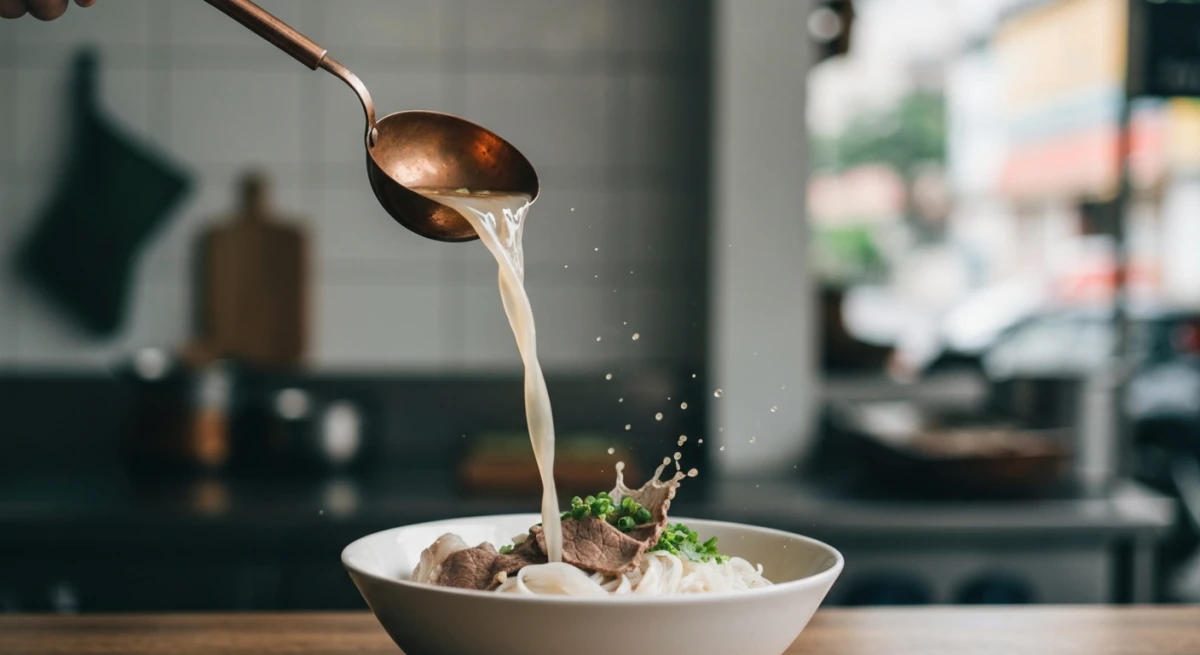
While Pho has become a global ambassador for Vietnamese cuisine, its spiritual home is Hanoi. Here, Pho is divided into two distinct classics: Phở Bò (beef noodle soup) and Phở Gà (chicken noodle soup).
Unlike Southern Pho, which features sweet broths and a forest of fresh basil, bean sprouts, and hoisin sauce, traditional Hanoian Pho is minimalist and pure. The broth is crystal clear, coaxed from beef bones simmered for up to 12 hours with charred ginger, onions, star anise, cinnamon, and black cardamom. The noodles (bánh phở) are thin, flat, and silkily delicate.
- How to Eat it Like a Local: Do not ruin the broth with hoisin sauce or sweet chili sauce! Taste the broth first. Then, add a squeeze of fresh lime, a few slices of fresh red chili, and a splash of garlic vinegar (dấm tỏi). Order a side of quẩy (crispy, fried dough sticks) to dip into the savory broth, letting them absorb the soup like a sponge.
- Where to Go:
- Phở Bò Ấu Triệu (34 Ấu Triệu): A Michelin Bib Gourmand recipient, famous for its rich, slightly murky, and intensely savory beef broth prepared by the daughter of the legendary Pho master, Pho Tu Lun.
- Phở Gia Truyền Bát Đàn (49 Bát Đàn): An iconic, long-standing institution where diners willingly queue up, pay in advance, and carry their own steaming bowls to small wooden tables.
- Phở Gà Nguyệt (5 Phủ Doãn): Another Bib Gourmand star, specializing in chicken noodle soup (both wet and dry versions) featuring tender, local free-range chicken.
2. Bún Chả: Charcoal-Grilled Perfection
Made famous globally when President Barack Obama dined with chef Anthony Bourdain on plastic stools, Bún Chả is the ultimate Hanoian lunchtime ritual. The dish consists of three main components: a bowl of warm, sweet-and-savory dipping sauce containing grilled pork patties (chả) and slices of marinated pork belly; a plate of cold, white rice vermicelli noodles (bún); and a mountain of fresh herbs and greens.
The magic of Bun Cha lies in the pork, which is marinated in fish sauce, sugar, garlic, and shallots, then clamped in bamboo skewers and grilled over red-hot charcoal, creating a smoky, caramelized crust.
- How to Eat it Like a Local: Take a pinch of rice noodles, submerge them entirely in the warm dipping sauce alongside the pork, add a spoonful of minced garlic, chili, and a handful of herbs, then lift the entire flavorful bite to your mouth.
- Where to Go:
- Tuyết Bún Chả 34 (34 Hàng Than): This Michelin Bib Gourmand spot is revered by locals for its exceptionally well-balanced dipping sauce and perfectly charred pork patties wrapped in wild betel leaves (chả xương sông).
- Bún Chả Hương Liên (24 Lê Văn Hưu): The iconic spot where Obama dined. While highly popular with tourists, it still serves up an incredibly delicious and nostalgic experience.
3. Chả Cá Lã Vọng: A Theatrical Culinary Legend
Dating back over a century, Chả Cá is so famous that the street it was born on in the Old Quarter was officially renamed Phố Chả Cá (Cha Ca Street). The dish features chunks of firm, local river fish (traditionally Hemibagrus, or cá lăng) marinated in turmeric, galangal, and fermented rice.
The dining experience is uniquely interactive: a portable gas stove is set up at your table, and a small cast-iron skillet is placed on top. The turmeric fish is sizzled in oil right in front of you, alongside overwhelming mounds of fresh dill and spring onions.
- How to Eat it Like a Local: Once the herbs have wilted, spoon a piece of fish and some herbs into your bowl. Add cold rice vermicelli, roasted peanuts, a sprinkle of fresh coriander, and a drizzle of mắm tôm (a pungent, fermented shrimp paste whipped with lime juice, sugar, and chili until frothy). If the shrimp paste is too strong for your palate, ask for regular fish sauce (nước mắm), but the shrimp paste is where the true soul of the dish resides.
- Where to Go:
- Chả Cá Thăng Long (65 Đường Thành): Awarded Michelin Bib Gourmand status, this spot offers a wonderfully clean, high-quality, and authentic Cha Ca experience with friendly service.
- Chả Cá Lã Vọng (14 Chả Cá): The original birthplace of the dish, managed by the Doan family for generations. It is rustic, historic, and incredibly atmospheric.
4. Bún Thang: The Sophisticated 'Multi-Thread' Noodle Soup
If Pho is the rustic soul of Hanoi, Bún Thang is its elegant, aristocratic cousin. Historically prepared during the Tet Lunar New Year to elegantly utilize leftovers, Bun Thang requires meticulous preparation and presentation.
The dish is a visually stunning mosaic: a hot bowl of rice noodles topped with mathematically precise, paper-thin shreds of chicken breast, pork sausage (giò lụa), thin egg crepes, dried shrimp, and pickled radish. The broth is a golden, crystal-clear masterpiece made from chicken bones, pork bones, and dried squid or shrimp, simmered to a state of oceanic sweetness.
- The Secret Ingredient: To experience Bun Thang in its most authentic form, ask for a tiny drop of cà cuống (the pheromone of a giant water bug), which imparts an incredibly unique, intensely floral, and fruity aroma to the steaming broth.
- Where to Go:
- Bún Thang Bà Đức (48 Cầu Gỗ): Tucked away in a quiet alley near Hoan Kiem Lake, this multi-generational shop serves one of the most balanced and comforting bowls of Bun Thang in the city.
5. Bánh Cuốn: Silky, Steamed Rice Rolls
For a light Hanoian breakfast, nothing beats Bánh Cuốn. These delicate rolls are made from a fermented rice batter poured over a taut fabric steam-bath, forming a paper-thin, translucent crepe. The cook expertly lifts the crepe using a bamboo stick, fills it with seasoned minced pork and wood-ear mushrooms, and rolls it up.
It is topped with a generous sprinkle of crispy fried shallots and served alongside a warm bowl of light fish sauce dipping broth, often accompanied by slices of chả quế (cinnamon pork sausage).
- Where to Go:
- Bánh Cuốn Bà Hoành (66 Tô Hiến Thành): A Michelin Selected legendary eatery famous for its incredibly thin, elastic rice sheets and rich, savory dipping sauce.
6. Cà Phê Trứng: Hanoi's Liquid Gold (Egg Coffee)
While not technically a 'food' in the traditional sense, Cà Phê Trứng is a monumental part of Hanoi's culinary culture. Invented in 1946 by Nguyen Van Giang, a bartender at the luxury Sofitel Legend Metropole Hotel, egg coffee was born out of a severe wartime milk shortage. Giang whipped egg yolks with sugar and condensed milk to create a rich, creamy froth that perfectly balanced the bitter intensity of dark, robusta Vietnamese coffee.
- How to Eat it: It is served in a small bowl of hot water to keep the beverage warm. Use a small spoon to taste the sweet, meringue-like egg foam first, then slowly stir the dark coffee from the bottom to create a harmonious, liquid-tiramisu experience.
- Where to Go:
- Cafe Giảng (39 Nguyễn Hữu Huân): The original birthplace of egg coffee. Tucked down a narrow, blink-and-you'll-miss-it alleyway, it remains the ultimate pilgrimage site for coffee lovers.
Beyond the Mains: Hanoi's Street Food Delicacies and Snacks
Hanoi's culinary narrative is not limited to sit-down meals. The city is a playground for snack lovers, with street vendors offering quick, satisfying bites on almost every corner.
Bánh Mỳ Sốt Vang: French-Vietnamese Fusion
While the classic crispy Bánh Mỳ sandwich filled with pâté and cold cuts is a national treasure, Hanoi has a unique winter favorite: Bánh Mỳ Sốt Vang. This dish features a rich, deeply savory beef stew cooked with red wine, cinnamon, star anise, and thick chunks of tender beef tendon, served with a hot, freshly baked, hollow baguette for dipping. It is the ultimate comfort food on a chilly, misty Hanoi evening.
- Where to Go: Bánh Mỳ Trâm (252 Cửa Nam) is a legendary local favorite that has been serving rich, steaming bowls of beef stew for decades.
Nem Chua Rán: The Ultimate Street Hangout Snack
Walk past any high school or university in Hanoi in the late afternoon, and you will smell the irresistible aroma of Nem Chua Rán (deep-fried fermented pork rolls). Coated in breadcrumbs and fried to a golden, bubbly crisp, these chewy, sweet, and savory sticks are served with cucumber slices and a sweet-spicy chili dipping sauce. It is best enjoyed with a glass of iced lime tea (trà chanh) while sitting on a low stool on the sidewalk.
Bánh Tôm Hồ Tây: West Lake Shrimp Cakes
Originating from the scenic banks of West Lake, Bánh Tôm consists of fresh, sweet-water shrimp battered with sweet potato strips and deep-fried to a vibrant orange crunch. Wrapped in fresh lettuce leaves and dipped in a sweet-sour fish sauce with pickled green papaya, it is a magnificent contrast of crispy, sweet, and savory textures.
The Ultimate 'Eat Like a Local' Itinerary
If you have 24 hours to explore the culinary landscape of Hanoi, here is a meticulously designed itinerary to optimize your stomach space and experience the city's food culture chronologically:
- 07:30 AM — Breakfast: Start your morning with a steaming, clear-broth bowl of beef Pho at Phở Bò Ấu Triệu. Pair it with three crispy quẩy and watch the city wake up under the shadow of St. Joseph's Cathedral.
- 09:00 AM — Mid-Morning Coffee: Walk over to Cafe Giảng for a hot, rich egg coffee to fuel your morning exploration of the Old Quarter's winding alleys.
- 12:30 PM — Lunch: Head north to Tuyết Bún Chả 34 on Hang Than Street. Enjoy the smoky, charcoal-kissed pork belly and patties submerged in warm, herb-scented broth.
- 03:00 PM — Afternoon Snack: Satisfy your sweet tooth or enjoy a light bite with a plate of silky Bánh Cuốn Bà Hoành or a crispy West Lake shrimp cake.
- 07:00 PM — Dinner: Gather around a sizzling skillet of turmeric-infused fish at Chả Cá Thăng Long. Celebrate the night with cold local beers (Bia Hanoi) and plenty of fresh dill.
- 09:30 PM — Late-Night Dessert: Cap off your culinary marathon with a bowl of Chè (sweet dessert soup featuring grass jelly, coconut milk, and lotus seeds) at a bustling street corner.
Street Food Etiquette and Safety Tips for Travelers
Navigating Hanoi's street food scene can be intimidating for first-time visitors, but following a few simple guidelines will ensure a safe, authentic, and unforgettable experience.
- Follow the Crowds: If you see a street food stall packed with locals sitting on tiny plastic stools, eat there. High turnover means the ingredients are exceptionally fresh, and the food hasn't been sitting around.
- Master the Table Condiments: Traditional Hanoian tables are always stocked with fresh limes, sliced bird's eye chilies, garlic vinegar, and chili sauce. Don't be afraid to customize your bowl, but always taste the original dish first out of respect for the cook.
- Hygiene and Ice: Modern Hanoi has excellent food safety standards, and the ice used in most established city eateries is made from purified water. However, if you have a sensitive stomach, stick to hot, cooked-to-order dishes and bottled water.
- Dispose of Trash Correctly: It is customary at many rustic street food stalls to drop used napkins and lime wedges directly onto the floor beneath your table. The staff sweeps up the floor periodically between rushes.
Frequently Asked Questions About Hanoi Traditional Food
Is Hanoi traditional food spicy?
Generally, no. Unlike Central Vietnamese food (which features heavy amounts of chili) or Southern food (which can be spicy and sweet), traditional Hanoian food focuses on delicate, savory, and clean flavors. However, fresh bird's eye chilies and chili sauces are always provided on the table, allowing you to add as much heat as you personally desire.
What is the main difference between Hanoi Pho and Saigon Pho?
Hanoi Pho (Northern style) features a clear, savory, and purer broth focused heavily on the deep aroma of beef bones and warm spices. It uses wider noodles, does not include bean sprouts, and is served with minimal garnishes like lime, fresh chili, and garlic vinegar. Saigon Pho (Southern style) has a sweeter, richer broth, thinner noodles, and is served with a mountain of fresh herbs (basil, saw-tooth herb), bean sprouts, and sweet hoisin and chili sauces.
Are there vegetarian options in Hanoi's traditional food scene?
While Hanoian food is historically meat-centric, the city has a vibrant Buddhist tradition that has given rise to incredible vegetarian (chay) cuisine. You can find vegetarian versions of Pho (Phở Chay) and Bun Cha (Bún Chả Chay using grilled tofu or mushrooms) at dedicated Buddhist restaurants. One highly recommended spot for traditional Vietnamese home-style dining with exceptional vegetarian options is the Michelin-starred Tầm Vị.
How much does street food cost in Hanoi?
Hanoi is one of the most affordable culinary destinations in the world. A steaming bowl of Michelin-recommended Pho or a satisfying plate of Bun Cha generally costs between 40,000 to 70,000 VND ($1.60 to $3.00 USD). Even a high-end, interactive meal like Cha Ca at a specialized restaurant will typically only cost around 150,000 to 200,000 VND ($6.00 to $8.00 USD) per person.
Conclusion
Hanoi traditional food is far more than a collection of recipes—it is a sensory portal into the history, soul, and resilient spirit of Vietnam's capital. From the delicate complexity of a golden bowl of Bun Thang to the smoky, charcoal-infused magic of Bun Cha, every single bite tells a story of cultural fusion, meticulous craftsmanship, and an enduring love for balance. Armed with this guide, step away from the polished hotel dining rooms, pull up a tiny blue plastic stool on a buzzing sidewalk, and dive headfirst into one of the greatest culinary adventures of your life. Your palate will thank you.