Ho Chi Minh City (still warmly known to locals as Saigon) is an electric, fast-paced culinary capital that never sleeps. While the historic capital of Hanoi in the north is celebrated for its subtle, delicate, and deeply traditional dishes, Saigon’s food culture is bold, sweet, herbal, and beautifully chaotic. It is a melting pot of regional Vietnamese styles shaped by historical migrations, French colonial design, and vibrant Chinese-Teochew, Khmer, and Western culinary influences. Here, the street side is your dining room, plastic stools are your thrones, and the passing motorbike traffic is the soundtrack to some of the most complex flavor profiles on Earth.
To truly understand this metropolis, you have to eat your way through its maze of alleyways. But with tens of thousands of vendors, finding the truly exceptional spots can be overwhelming. This expert guide breaks down every single must eat in ho chi minh city, complete with rich historical context, step-by-step local eating etiquette, and precise, vetted locations to save you from tourist traps.
1. The Iconic Trio: Saigon's Non-Negotiable Staples
If you only have 24 or 48 hours in the city, these three legendary dishes must be your top priority. They define the daily culinary rhythm of Southern Vietnam.
Cơm Tấm (Broken Rice)
Historically, Cơm Tấm was a clever working-class invention. During the rice milling process, fractured, broken grains were deemed unsellable to wealthy merchants and were kept by farmers for their own consumption. Today, it has transitioned from a poor man's breakfast to Saigon’s ultimate comfort food, enjoyed at any hour of the day or night.
The fractured rice grains have a unique, fluffy, and slightly dry texture that absorbs savory sauces beautifully. The dish is centered around a thin, deeply marinated pork chop (sườn nướng) grilled over open charcoal, accompanied by shredded pork skin tossed in toasted rice powder (bì), and a savory steamed egg-and-pork meatloaf (chả trứng). The entire dish is pulled together by a generous drizzle of sweet, garlicky fish sauce (nước chấm) and hot scallion oil (mỡ hành).
Where to Eat It:
- Cơm Tấm Ba Ghiền (84 Đặng Văn Ngữ, Phu Nhuan District): A Michelin Bib Gourmand destination world-renowned for its massive, sweet, and smoky marinated pork chops.
- Cơm Tấm Sà Bì Chưởng (179 Trần Bình Trọng, District 5): A highly popular local chain offering exceptionally clean, modern, and high-quality broken rice plates.
How to Eat Like a Local: Drizzle the sweet, slightly viscous fish sauce directly over your rice. Mix the scallion oil and pickled vegetables in, and slice the pork chop using your spoon and fork. Do not hesitate to use your hands to chew on the bone—it contains the most flavorful parts.
Phở (Southern Style / Phở Nam)
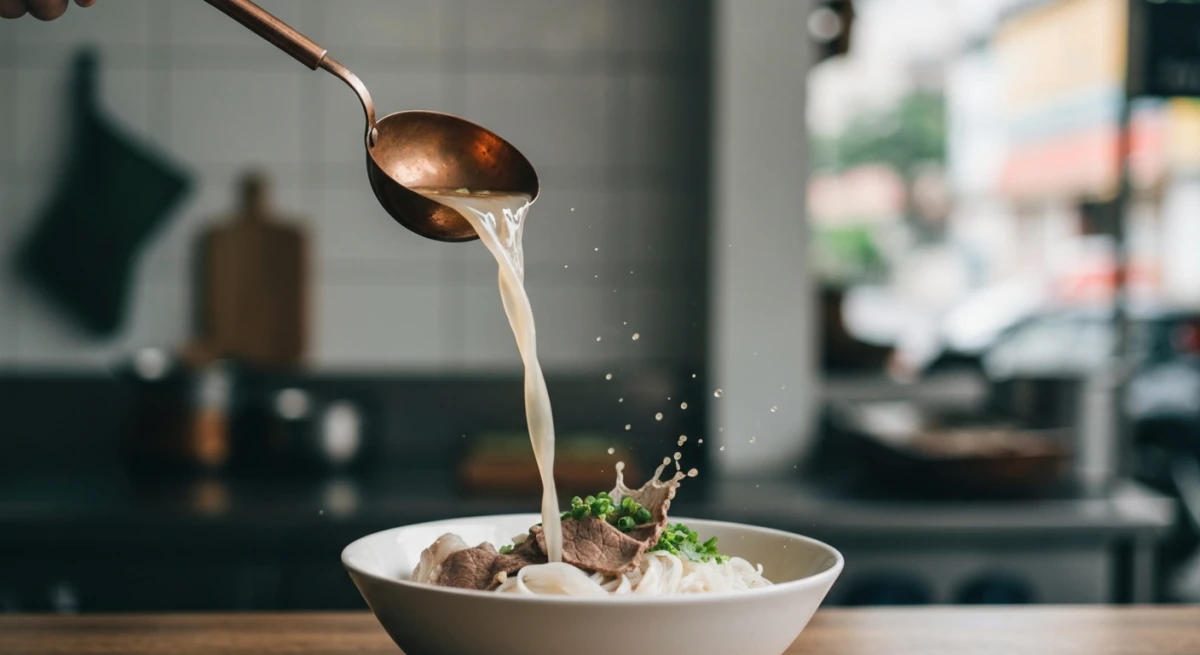
While Phở originated in Northern Vietnam, the Southern variation is a distinct creation. Northern Phở is celebrated for its clear, minimalist, savory beef broth and wide noodles. Southern Phở, on the other hand, features a sweeter, more heavily spiced broth (infusing clove, star anise, and cinnamon), thinner noodles, and an abundance of fresh green herbs like sweet basil, sawtooth herb, and rice paddy herb. It is also served with a wide range of meats, including brisket, tendon, meatballs, and tripe.
Where to Eat It:
- Phở Lệ (415 Nguyễn Trãi, District 5): Celebrated for its rich, slightly sweet beef broth and incredibly tender slices of beef. It is the gold standard for Southern-style Phở.
- Phở Hòa Pasteur (260C Pasteur, District 3): One of the city’s oldest and most historic Phở establishments, serving aromatic broth alongside towering plates of fresh herbs and savory Chinese fried dough sticks (quẩy).
How to Eat Like a Local: Taste the broth first to appreciate the master chef's seasoning. Then, rip several fresh basil and sawtooth herb leaves directly into the steaming bowl. Squeeze in a slice of fresh lime, add a few bird's eye chili slices, and prepare a small saucer of mixed hoisin and sriracha sauce on the side for dipping your beef slices.
Bánh Mì (The Ultimate Street Sandwich)
Though the French introduced the baguette, pâté, and mayonnaise to Vietnam during the colonial era, Saigon truly perfected the sandwich. A local Bánh Mì is a masterclass in contrasting textures and temperatures: a warm, incredibly crispy crust that shatters with every bite, a light-as-air interior, a rich smear of pork liver pâté, house-made egg yolk mayonnaise, various cold cuts (Vietnamese ham, roasted pork, pork roll), fresh cucumber slices, fresh cilantro, pickled daikon and carrots, and a splash of savory maggi seasoning or chili sauce.
Where to Eat It:
- Bánh Mì Huỳnh Hoa (26 Lê Thị Riêng, District 1): Known locally as the "heavyweight champion" of street food. It is packed to the brim with multiple layers of meat and decadent pâté. It is easily large enough to share between two people.
- Bánh Mì 37 Nguyễn Trãi (37 Nguyễn Trãi, District 1): A famous street cart specializing in a smoky, caramelized pork patty version, grilled fresh over charcoal and drizzled with a secret sweet-savory sauce.
How to Eat Like a Local: Eat it immediately. The residual steam from the hot meats can quickly soften the perfectly crispy crust, making a delayed bite lose its magical texture.
2. Interactive Street Food: The Art of the Roll and Wrap
In Ho Chi Minh City, dining is rarely a passive experience. Many of the most rewarding meals require you to assemble, wrap, and roll your own ingredients using fresh herbs, lettuce, and delicate sheets of rice paper.
Bò Lá Lốt (Grilled Beef in Wild Betel Leaves)
Bò Lá Lốt is an absolute culinary triumph. Ground beef is mixed with garlic, lemongrass, and local spices, then wrapped into finger-sized parcels using dark green wild betel leaves (lá lốt). These wraps are then threaded onto skewers and grilled over hot charcoal. The heat caramelizes the beef while gently charring the betel leaves, releasing an earthy, herbal, and slightly peppery aroma.
Where to Eat It:
- Bò Lá Lốt Thanh Vy (267 Minh Phụng, District 11): An incredible, high-energy sidewalk spot where you can sit among the locals and watch clouds of fragrant smoke rise from the grill.
- Bun Cha 145 (145 Bùi Viện, District 1): A cozy spot in the central district that serves a fantastic, visitor-friendly version of bò lá lốt alongside classic Northern bún chả.
How to Eat Like a Local: Take a sheet of dry rice paper, lay down a large mustard leaf or lettuce leaf, layer on fresh mint, perilla, and sweet basil, add a thin sheet of woven vermicelli noodles (bánh hỏi), place a grilled beef roll in the center, wrap it tightly, and dip it into mắm nêm (a deep, pungent sauce made from fermented anchovies and crushed pineapple).
Bánh Xèo (Sizzling Savory Pancake)
Named after the loud "sizzling" sound the batter makes when poured onto a scorching hot iron skillet, Bánh Xèo is a massive, paper-thin, crispy pancake. It is made from rice flour, water, coconut milk, and turmeric (which gives it its signature golden hue). It is generously stuffed with pork belly, fresh shrimp, mung beans, and steam-cooked bean sprouts.
Where to Eat It:
- Bếp Mẹ Ỉn (136/9 Lê Thánh Tôn, District 1): Hidden down an atmospheric alleyway right next to the Ben Thanh Market, this cozy eatery serves a beautifully crispy, authentic pancake in a clean, stylish environment.
- Bánh Xèo Đinh Công Tráng (46A Đinh Công Tráng, District 1): A legendary open-air kitchen that has spent decades perfecting the art of the ultra-thin, incredibly crispy crepe edges.
How to Eat Like a Local: Never tackle a Bánh Xèo with a fork and knife. Tear off a bite-sized piece of the warm pancake with your fingers, wrap it securely in a large mustard greens leaf along with fresh mint and basil, roll it up, and dip it in sweet, lime-infused fish sauce (nước mắm pha).
Bún Thịt Nướng (Cold Noodle Salad with Grilled Pork)
When the tropical midday heat of Saigon makes hot noodle soups sound exhausting, Bún Thịt Nướng is your savior. This refreshing bowl contains cold rice vermicelli noodles, fresh herbs, shredded cucumber, pickled vegetables, and crunchy bean sprouts, topped with sweet, lemongrass-marinated grilled pork, crispy fried spring rolls (chả giò), crushed roasted peanuts, and green scallion oil.
Where to Eat It:
- Bún Thịt Nướng Chị Tuyền (195 Cô Giang, District 1): Celebrated across the city for its tender, charcoal-kissed pork, crispy spring rolls, and incredibly balanced dressing.
How to Eat Like a Local: Pour the entire bowl of sweet-and-sour fish sauce directly over the dry ingredients, use your chopsticks to toss the warm grilled meats with the cold noodles and crisp greens, and enjoy the beautiful harmony of contrasting textures and temperatures.
3. Beyond Pho: Deep Flavor Soups and Modern Sips
Saigon’s liquid landscape extends far beyond the borders of Phở. To eat like a true local, you must dive into the rich, seafood-forward and complex broths of the South, washed down with legendary local coffee.
Hủ Tiếu (The Working-Class Noodle Soul)
If Phở belongs to the North, Hủ Tiếu is the undisputed darling of Saigon's working class. Bringing together historical Chinese, Khmer, and Southern Vietnamese influences, Hủ Tiếu Nam Vang (Phnom Penh-style noodle soup) features a sweet pork-bone broth, elastic tapioca noodles, and toppings like sliced pork, minced meat, quail eggs, boiled shrimp, liver, and fresh herbs. It can be ordered "wet" (as a comforting hot soup) or "dry" (where the noodles are tossed in a rich, savory soy-based sauce and the broth is served in a separate side bowl).
- Where to Eat It:
- Hủ Tiếu Thanh Xuân (62 Tôn Thất Thiệp, District 1): Serving hungry locals since 1946, this historic spot is famous for its unique crab sauce served over dry noodles.
- Hủ Tiếu Nhân Quán (122D Cách Mạng Tháng 8, District 3): A highly respected local chain that stays open 24 hours a day, serving a consistently fresh and incredibly rich pork broth.
Bún Riêu (Crab and Tomato Noodle Soup)
Bún Riêu is a visual and sensory masterpiece. The broth is prepared from a pork-bone stock simmered with fresh tomatoes, tamarind, and a generous amount of freshwater crab paste, resulting in a vibrant, reddish-orange, sweet-and-sour soup. It is loaded with round rice vermicelli noodles, airy tofu blocks that absorb the rich broth, pieces of pork blood pudding (huyết), and light, fluffy crab-and-egg cakes.
- Where to Eat It:
- Bún Riêu Gánh (4 Phan Bội Châu, District 1): Situated right outside the east gate of Ben Thanh Market, this humble spot has been serving a deeply comforting, sweet-and-sour bowl for more than 40 years.
Cà Phê Sữa Đá and Modern Coffee Culture
You cannot truly understand Saigon’s identity without participating in its daily coffee ritual. Cà Phê Sữa Đá is made by brewing dark, slow-roasted Robusta beans through a metal drip filter (phin) directly onto a thick layer of sweet condensed milk, then pouring the sweet, concentrated mixture over a tall glass of crushed ice. Additionally, modern variants like Cà Phê Muối (salted cream coffee) and Cà Phê Trứng (egg coffee) have captured the hearts of younger generations.
- Where to Drink It:
- Cheo Leo Cafe (109-36 Nguyễn Thiện Thuật, District 3): Operating continuously since 1938, this iconic cafe still brews coffee using traditional clay pots and cloth filter socks.
- Café Vy (277E Lê Thánh Tôn, District 1): Pull up a tiny plastic stool on the sidewalk, order a strong iced coffee, and enjoy a front-row seat to Saigon's endless street ballet.
4. Navigating Saigon's Food Neighborhoods: A Self-Guided Culinary Tour
To make your culinary journey seamless, we’ve structured this guide by key neighborhoods. Rather than running all over the city, spend a dedicated half-day or evening exploring the specific culinary identity of each district.
District 1: Central Heritage and Modern Twists
Start your morning in the historic heart of the city. Begin with a classic Southern-style breakfast of broken rice at Cơm Tấm Nguyễn Văn Cừ or a hearty bowl of noodles at Phở Hòa Pasteur. In the afternoon, escape the heat in a cozy, tucked-away restaurant like Bếp Mẹ Ỉn down an alley near Ben Thanh Market, where you can enjoy street food favorites in a comfortable, cooled setting. Finish your afternoon by grabbing a refreshing iced coffee on the sidewalk at Café Vy.
District 3: Residential Charm and Alleyway Finds
Directly bordering the central district, District 3 is filled with old colonial villas, shady tree-lined streets, and complex webs of narrow alleys (hẻm). Head to the historical residential block on Nguyễn Thiện Thuật street to try Cheo Leo Cafe's clay-pot coffee, or enjoy a spectacular, herbaceous plate of Bún Thịt Nướng Chị Tuyền just on the edge of the district. This area offers a slower, highly authentic look into how Saigonese families live and eat.
District 4: The Ultimate Street Food & Seafood Mecca
Historically a gritty port area, District 4 is now celebrated by locals as the undisputed street food capital of Ho Chi Minh City.
- Vĩnh Khánh Street: As twilight sets in, this long street transforms into a smoky, vibrant culinary playground. Vĩnh Khánh is famous for its endless array of seafood and sea snail stalls (Ốc). Eating snails cooked in lemongrass, garlic butter, chili-salt, or rich salted egg yolk sauce, while washing it down with cold local beers, is the ultimate Saigon late-night experience. Look for the bustling tables at Ốc Oanh or Ốc Thảo, order grilled scallops with scallion oil and peanuts (sò điệp nướng mỡ hành), and enjoy the roaring street energy.
5. Insider Etiquette and Safety Rules for Street Side Dining
Eating street food in Saigon is incredibly rewarding, but it can be intimidating for newcomers. Follow these insider tips to dine safely, confidently, and like a seasoned traveler:
- Follow the Crowds: The ultimate rule of street food safety is simple: high turnover. If a stall is packed with local families and young students, it means the ingredients are refreshed constantly throughout the day, and the food is guaranteed to be fresh and safe.
- The Chopstick Wipe: When you sit down at a metal street table, it is standard practice to grab a paper napkin from the dispenser and thoroughly wipe down your metal chopsticks and spoon before eating. Vendors expect this and won't be offended in the slightest.
- Ice is Safe in Saigon: Unlike in remote rural regions, almost all ice (đá) used in Ho Chi Minh City’s cafes and restaurants is produced commercially in clean water plants. This ice is easily recognizable by its hollow, tubular shape. It is perfectly safe to consume, so don't miss out on those cold drinks!
- Embrace the Sidewalk Trash Culture: At very busy, authentic street stalls, customers drop used napkins, lime wedges, and food wrappers directly onto the ground under the table. The staff sweep the entire floor clean periodically. Keeping trash on the tiny table will only clutter your dining space, so feel free to follow the local custom.
6. FAQ: Your Saigon Dining Questions Answered
Is street food safe in Ho Chi Minh City?
Yes, street food in Saigon is highly hygienic and generally very safe. Because dishes are prepared right in front of you and cooked at high temperatures (such as boiling noodle broths or sizzling charcoal grills), the risk of bacterial contamination is low. To minimize risks, stick to highly populated stalls and drink bottled water.
How much does street food cost in Saigon?
A standard bowl of noodle soup or broken rice ranges from 40,000 to 80,000 VND ($1.60 to $3.20 USD). A gourmet Bánh Mì costs between 25,000 and 65,000 VND ($1.00 to $2.60 USD). A large street food seafood feast with drinks in District 4 will rarely exceed $12 to $15 USD per person.
Do I need to leave a tip at restaurants in Vietnam?
Tipping is not a local custom in Vietnam. At casual street stalls and family-run restaurants, tips are not expected. However, at upscale Western establishments or luxury hotel bars in District 1, a small tip of 5-10% is highly appreciated for exceptional service.
Why is sweet taste so prominent in Southern Vietnamese dishes?
Southern Vietnamese cuisine incorporates sweet flavors due to the tropical abundance of sugar cane and coconuts in the Mekong Delta. Historically, trade with neighboring Cambodia and Thailand also introduced sweet and coconut-milk-heavy flavor profiles to the region.
Can vegetarians find good food in Ho Chi Minh City?
Absolutely! Look for signs that say "Chay" (which translates to vegetarian/vegan). Saigon has a massive Buddhist population, resulting in an incredible selection of vegetarian restaurants and street stalls serving plant-based versions of Phở, Bánh Mì, and Cơm Tấm.
Conclusion: Embrace the Sidewalk Chaos
The magic of Saigon's food scene doesn't just reside in the complexity of its flavor profiles; it lives in the shared human experience of eating. It is found in the smiles of the multi-generational stall owners, the rich aroma of lemongrass grilling over hot charcoal, and the collective energy of a neighborhood gathered on the sidewalk. Do not hesitate to step outside your comfort zone, pull up a tiny plastic stool, and experience every must eat in ho chi minh city first-hand. Your culinary perspective will be forever changed.