To step onto the streets of Ho Chi Minh City—still affectionately called Saigon by locals—is to enter a sensory theater where the main act is always food. From the sweet, caramelized smoke of charcoal-grilled pork wafting down narrow alleyways to the clatter of plastic stools on the pavement, the city's culinary landscape is mesmerizing. If you are planning a trip, discovering what is a must eat in ho chi minh is the key to unlocking the soul of this dynamic metropolis. Saigon does not just feed you; it sweeps you up in its chaotic, delicious rhythm.
Unlike the more subtle, delicate flavors of Northern Vietnam, Southern Vietnamese cuisine is a celebration of bold contrasts. It is sweet, spicy, herby, and heavily reliant on fresh seafood, coconut milk, and a staggering array of fresh greens. Whether you are a first-time traveler seeking the city's most famous delicacies or an adventurous foodie hunting for off-the-beaten-path culinary treasures, this comprehensive food guide will navigate you through the ultimate dining experiences Saigon has to offer.
1. The Holy Trinity of Saigon Street Food
To begin your culinary journey, you must understand the foundation of Saigon's street food culture. There are three iconic dishes that locals eat at any hour of the day: Cơm Tấm, Bánh Mì, and Phở. Master these, and you will understand the culinary DNA of the city.
Cơm Tấm (Broken Rice)
Historically, Cơm Tấm was a humble, working-class dish. During the rice milling process, fractured and imperfect grains that could not be sold were saved by farmers for their own meals. Over decades, this "broken rice" evolved into Saigon's definitive signature dish. The smaller, broken grains of rice have a unique, fluffy yet dry texture that absorbs marinades and sauces far more effectively than whole jasmine rice.
An authentic plate of Cơm Tấm Sườ n is a masterpiece of textures and flavors. It is comprised of:
- Sườ n Nướng: A bone-in pork chop marinated in a sweet-savory blend of lemongrass, garlic, shallots, soy sauce, honey, and fish sauce, grilled over open charcoal until beautifully charred and caramelized.
- Chả Trứng: A savory baked egg custard loaf mixed with ground pork, glass noodles, and wood-ear mushrooms.
- Bì: Shredded pork skin tossed in toasted, powdered rice flour, adding a subtle nutty flavor and chewy texture.
- Nướng Chấ m: A sweet, garlicky, chili-infused fish sauce drizzled generously over the entire plate.
Where to eat it:
- Cơm Tấm Ba Ghiề n (84 Đằng Văn Ngự, Phú Nhuận District): This legendary, Michelin Bib Gourmand-recognized spot serves pork chops so massive they practically spill off the plate. The aroma of their open-air street grill can be smelled from blocks away.
- Cơm Tấ m Nguyễn Văn Cừ (74 Nguyễn Văn Cừ, District 1): Frequented by loyal locals, this spot is famous for its thick-cut pork chops and incredibly rich marinade. It is slightly pricier than average, but worth every Vietnamese Dong.
Bánh Mì
No food tour in Saigon is complete without biting into a freshly assembled Bánh Mì. While the baguette was introduced by French colonists, the Vietnamese reimagined it by adding rice flour to the dough, creating a loaf that is light, airy, and shatteringly crispy on the outside.
A classic Saigon Bánh Mì Thập Cẩm (mixed sandwich) features a base layer of rich liver pâté and homemade egg mayonnaise, loaded with layers of cold cuts (such as cured pork belly and Vietnamese ham), pork floss, cucumber spears, pickled daikon and carrots, fresh cilantro, and fiery bird's eye chilies, all finished with a splash of savory seasoning sauce.
Where to eat it:
- Bánh Mì Huỳnh Hoa (26 Lê Thị Riêng, District 1): Known as the "meat monster" of Saigon, this is the most famous Bánh Mì shop in the city. Each sandwich is packed with nearly a dozen layers of cold cuts and heavy schmears of pâté. It is so substantial that many travelers share one.
- Bánh Mì Hồng Hoa (54 Nguyễn Văn Tráng, District 1): If you prefer a lighter, more balanced sandwich where the crispy bread takes center stage, this is a local favorite. Their crispy baguettes are baked fresh in-house throughout the day.
- Bánh Mì 37 Nguyễn Trãi (37 Nguyễn Trãi, District 1): This unassuming street cart specializes in a non-traditional version filled with charcoal-grilled pork patties, sweet-savory sauce, and refreshing pickles.
Phở (Southern Style)
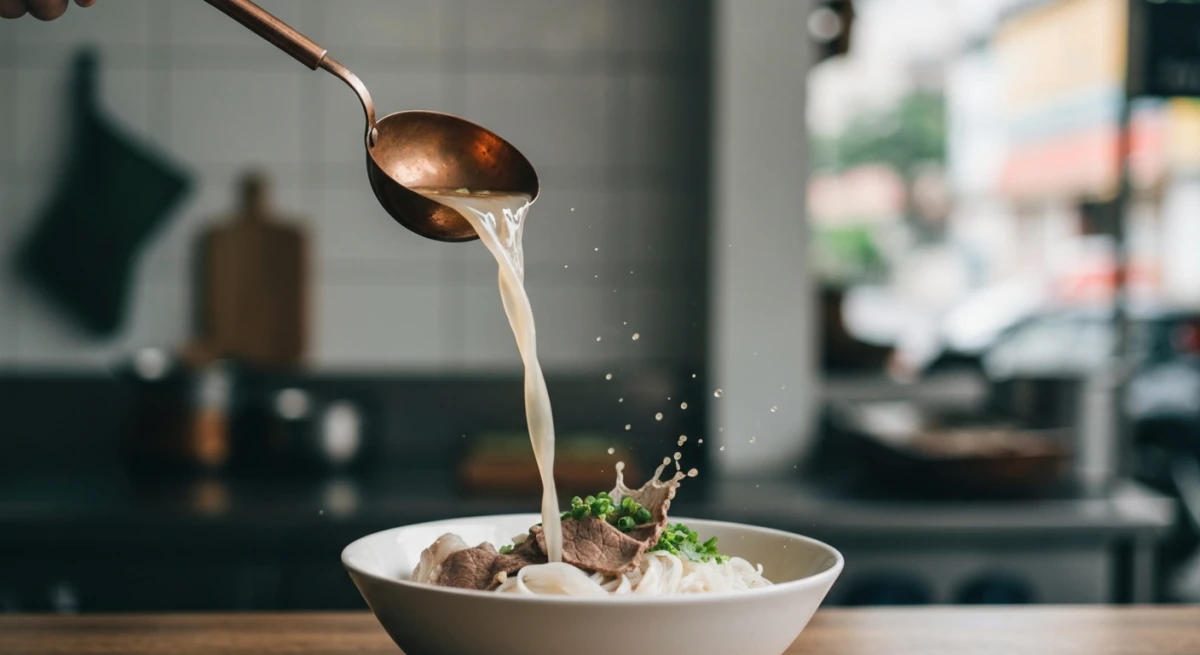
While Phở originated in Northern Vietnam, the Southern version (Phở Nam) evolved into its own distinct, maximalist beast. Where Northern Phở is defined by a clean, minimalist broth and a simple garnish of green onions, Southern Phở features a sweeter, more robustly spiced beef broth. It is served with a mountain of fresh table herbs (such as Thai basil, saw-tooth coriander, and bean sprouts), fresh lime wedges, sliced chilies, and squeeze bottles of hoisin and sriracha sauce for dipping the meats.
Where to eat it:
- Phở Lệ (302-304 Nguyễn Trãi, District 5): A temple of Southern Phở, famous for its intensely aromatic beef broth and incredibly tender cuts of rare beef (tái) and springy homemade beef meatballs (bò viên).
- Phở Hòa Pasteur (260C Pasteur, District 3): Operating for decades, this multi-generational restaurant serves exceptionally large bowls accompanied by stacks of crispy fried dough sticks (quẩy) to dip into the rich broth.
2. Southern Noodle Mastery: Going Beyond Phở
While Phở gets the global spotlight, locals know that Saigon's noodle repertoire is vast and incredibly diverse. If you want to eat like a true Saigonese, you must explore these regional noodle specialties.
Hủ Tiế u Nam Vang (Phnom Penh Noodle Soup)
Hủ Tiế u Nam Vang is a fascinating reflection of Saigon's multicultural history. The dish has roots in Cambodian and Chinese flavors ("Nam Vang" is the Vietnamese word for Phnom Penh) but has been heavily adapted to Southern Vietnamese tastes. It utilizes chewy, translucent tapioca glass noodles and a sweet, savory broth brewed for hours from pork bones, dried squid, and dried shrimp.
A standard bowl is packed with diverse toppings: minced pork, sliced pork loin, whole prawns, quail eggs, and occasionally pork offal like liver or heart. It can be ordered in two styles:
- Hủ Tiế u Nướ c (Wet): The noodles and toppings are served submerged in the piping hot broth.
- Hủ Tiế u Khô (Dry): The noodles are tossed in a rich, sweet-savory soy and oyster sauce reduction in one bowl, while the hot broth is served on the side with the offal and shrimp. This dry style is highly recommended as it highlights the chewy texture of the noodles.
Where to eat it:
- Hủ Tiế u Nhân Quán (122D Cách Mạng Tháng 8, District 3): A legendary name in Saigon, famous for its premium ingredients and intensely flavorful dry-style sauce.
- Hủ Tiế u Hồng Phát (389-391 Nguyễn Trãi, District 1): A historic establishment recognized by the Michelin Guide, offering an upscale dining environment and an exceptionally clean, traditional Khmer-style broth.
Bún Thịt Nướng (Grilled Pork Vermicelli Noodles)
When the tropical heat of Ho Chi Minh City makes hot noodle soups unappealing, Bún Thịt Nướng is the ultimate savior. This is a refreshing, dry, cold noodle salad served at room temperature.
At the bottom of the bowl sits a layer of shredded lettuce, fresh herbs, cucumber, and bean sprouts. This is topped with cold rice vermicelli noodles (bún), caramelized lemongrass-marinated grilled pork (thịt nướng), crispy deep-fried spring rolls (chả giò), pickled daikon and carrot, crushed roasted peanuts, and a generous spoonful of green onion oil (mỡ hành). To eat it, you pour sweet-savory fish sauce (nướng mắm) over the bowl and mix everything together, creating a bite that is sweet, salty, crispy, and fresh.
Where to eat it:
- Bún Thịt Nướng Chị Tuyền (175 Cô Giang, District 1): Renowned for its perfectly charred, juicy pork and ultra-crispy spring rolls. They also offer a version topped with stir-fried beef (bún bò xào) that is spectacular.
Bún Riêu Cua (Crab and Tomato Noodle Soup)
For a flavor profile that is beautifully complex, tangy, and savory, Bún Riêu is a must-try. The soup's distinct red color comes from tomatoes fried in annatto oil. The soul of the dish is the fluffy crab paste cake made from freshwater paddy crabs, pork, and eggs. It is accompanied by fried tofu puffs, blocks of pork blood pudding (huyết), and tender pork ribs. A small spoonful of fermented shrimp paste (mắ m tôm) is usually added at the table to deepen the savory, umami flavor.
Where to eat it:
- Bún Riêu Nguyễn Cảnh Chân (18 Nguyễn Cảnh Chân, District 1): A long-running local stall that consistently delivers a balanced, comforting broth with generous portions of crab cake.
3. The Art of Ố c: Decoding Saigon's Snail and Shellfish Culture
To truly experience Saigon's social and culinary life, you must participate in the nighttime ritual of eating Ốc (snails). In Vietnam, eating snails is more than just a meal; it is a lifestyle. It is the core of "Nhậu" culture—the act of gathering with friends on tiny plastic stools on the sidewalk, drinking ice-cold Saigon beer, and gossiping late into the night over plates of freshly cooked shellfish.
When you visit a local Ốc stall, you will see baskets of raw, fresh sea and freshwater snails, clams, scallops, razor clams, and cockles on display. You choose your shellfish, and then you choose your style of preparation. Some of the most popular styles include:
- Xà o Bơ Tỏi (Stir-fried in Garlic Butter): Rich, sweet, and incredibly garlicky. Ordering a fresh, warm Bánh Mì to dip into the leftover garlic butter sauce is a mandatory local move.
- Rang Muối Ốt (Sautéed in Chili Salt): The shells are coated in a spicy, salty, dry chili crust. You suck the flavorful seasoning off the shell before extracting the chewy meat inside.
- Xà o Dừa (Stir-fried in Sweet Coconut Milk): Creamy, sweet, and fragrant, usually prepared with small mud creepers.
- Nướng Mỡ Hành (Grilled with Scallion Oil and Roasted Peanuts): A classic preparation for larger scallops and clams, cooked directly over charcoal.
Key Varieties to Order
- Ốc Hương (Sweet Snail): Prized for its sweet flavor and firm, crunchy texture. Best enjoyed stir-fried in garlic butter or salted egg sauce.
- Ốc Mó ng Tay (Razor Clams): Long, thin clams that are incredibly tender. Best prepared stir-fried with water spinach (rau muống) and garlic.
- Sò Điệ p (Scallops): Small, sweet scallops grilled in their shells with fragrant green scallion oil and crushed roasted peanuts.
- Nghêu (Clams): Plump clams steamed in a fiery, sweet-and-sour lemongrass and chili broth.
Where to eat it:
- Ốc Đà o (212B/C79 Nguyễn Trãi, District 1): Hidden down a labyrinthine alleyway in District 1, this is one of the most famous and highly regarded snail spots in the city. The seafood is incredibly fresh, and the service is incredibly fast.
- Ốc Như (650/4/29D Điện Biên Phủ, District 10): A local powerhouse known for its rich, sweet dipping sauces and incredibly reasonable prices. Arrive early, as they sell out of the best varieties quickly.
- Quá n Ốc Nho (178 Đường số 4, District 4): Located in the famous street food hub of District 4, this place offers high-octane atmosphere and incredible salted egg yolk snails.
4. Hidden Gems, Street Snacks, and Saigon's Liquid Gold
Saigon's street food universe extends far beyond main course meals. The city is filled with delightful afternoon snacks and unique culinary creations that will surprise your palate.
Bột Chiên (Fried Rice Cakes with Egg)
Originally introduced by Chinese immigrants, Bột Chiên has become a beloved late-night street comfort food. Thick, square cubes of rice flour cake are fried on a massive, flat iron griddle until the outsides are incredibly crispy while the insides remain soft and chewy.
As they crisp, the vendor cracks eggs over the cakes, scattering green onions over the mixture. It is served with a generous pile of shredded green papaya to cut through the richness, and a bowl of sweet, tangy soy dipping sauce.
Where to eat it:
- Bột Chiên Đạt Thành (277 Võ Vă n Tần, District 3): This local institution has been serving perfectly crispy, golden-brown griddle cakes for generations.
Bò Lá Lốt (Beef Wrapped in Wild Betel Leaves)
This dish is a marvel of smoky flavor. Minced beef is mixed with garlic, shallots, lemongrass, and spices, rolled into small cylinders, and wrapped snugly in dark green wild betel leaves (lá lốt). These small parcels are skewered and grilled over charcoal. The heat of the grill releases the essential oils of the betel leaf, imparting a unique, peppery, herbaceous aroma to the juicy beef.
To eat Bò Lá Lốt, you take a sheet of dry rice paper, lay down lettuce, fresh herbs (including mint and perilla), slices of sour starfruit and green banana, cold vermicelli noodles, and place a grilled beef roll inside. You roll it up tightly and dip it into mắm nêm, a pungent, sweet, fermented anchovy sauce mixed with crushed pineapple.
Where to eat it:
- Bò Lá Lốt Thanh Vy (267 Minh Phụng, District 11): Well worth the short journey outside the main tourist zones, this spot serves some of the most aromatic and perfectly balanced rolls in the city.
Bánh Tráng Nướng (Saigon Pizza)
A relatively modern street food invention that originated in the cool highlands of Da Lat but quickly conquered the streets of Saigon. A sheet of thin rice paper serves as the crust. It is placed directly onto a small charcoal grill and topped with butter, quail eggs, scallions, dried shrimp, and minced pork.
The mixture is spread evenly as the egg cooks and crispifies the rice paper. It is finished with a drizzle of sweet chili sauce and mayonnaise, folded in half, wrapped in newspaper, and eaten hot.
Saigon's Liquid Gold: Cà Phê Sữa Đá
No guide to dining in Saigon would be complete without paying homage to its thriving coffee culture. Cà Phê Sữa Đá (Vietnamese iced coffee with condensed milk) is the fuel that powers the city.
Dark-roast Robusta beans are brewed slow-drip through a small metal filter (phin) directly into a glass containing a generous layer of thick, sweet condensed milk. Once the rich, chocolatey brew has finished dripping, it is stirred vigorously and poured over a glass packed with crushed ice. It is sweet, intensely strong, and incredibly refreshing in the humid tropical climate.
Where to experience it:
- Chèo Léo Cafe (109/36 Nguyễ n Thiện Thuật, District 3): Established in 1938, this is Saigon's oldest operating cafe. They still brew their coffee using traditional clay pots and cloth filters, preserving a vintage taste of old Saigon.
- The Café Apartments (90 Nguyễn Huệ, District 1): For a modern contrast, climb the stairs of this iconic nine-story historic apartment block on the pedestrian walking street, which has been entirely converted into trendy boutique cafes, tea houses, and vintage shops.
5. Practical Guide to Safe and Seamless Eating in Saigon
Navigating Saigon's bustling street food scene can be intimidating for newcomers. Use these practical insider tips to eat safely and confidently like a local.
The "Lower Stool" Rule
In Vietnam, the quality of the dining experience is often inversely proportional to the height of the dining stools. Do not fear small plastic stools on the sidewalk or deep inside dark alleyways. These are often family-run stalls that have been perfecting a single, specific dish for generations. If you see a crowd of locals parked on tiny stools, pull up a seat.
Street Food Hygiene Tips
Street food in Saigon is generally safe, fresh, and hygienic because of the incredibly high turnover. However, use these simple guidelines:
- Look for crowds: Busy stalls mean the ingredients are replenished continuously and never sit out long.
- Wipe your utensils: It is standard local practice to take a paper napkin, squeeze a slice of fresh lime juice onto it, and wipe your chopsticks and metal spoon before eating.
- Ice safety: The ice used in major street food stalls and restaurants is safe. It is manufactured in commercial factories as purified "tube ice" (ice with holes in the middle) and delivered daily.
Navigating the Districts
Saigon is divided into numbered districts, each with its own distinct culinary personality:
- District 1: The commercial center. Great for famous icons like Bánh Mì Huỳnh Hoa and upscale Vietnamese dining.
- District 3: A leafy, historic district filled with incredible local alleyway eateries, noodle shops, and traditional cafes.
- District 4: Traditionally a working-class port area, now famous as the street food capital of Saigon. Head here for incredible seafood, snails, and late-night snacks along Vĩnh Khánh street.
- Phú Nhuận & Bình Thạnh: Residential areas off the main tourist trail, perfect for finding completely authentic, un-touristy dining spots.
Frequently Asked Questions (FAQ)
What is the single most famous food to eat in Ho Chi Minh City?
While Phở is the national dish, Cơm Tấm (Broken Rice) is the definitive culinary soul of Ho Chi Minh City. If you only have time for one meal in Saigon, make it a steaming plate of broken rice topped with a lemongrass-grilled pork chop.
Is street food safe for foreigners in Saigon?
Yes, street food in Saigon is remarkably safe. Because dishes are prepared right in front of you and cooked at high heat, the risk of foodborne illness is minimal. Stick to busy stalls with high local turnover, drink bottled water, and use purified tube ice.
What is the difference between Northern and Southern Vietnamese food?
Northern Vietnamese food focuses on delicate, balanced flavors, using black pepper instead of chilies, and clear, clean broths. Southern Vietnamese food is much bolder, sweeter, and spicier. It utilizes massive amounts of fresh herbs, coconut milk, sugarcane, and fresh seafood.
How much does a typical street food meal cost in Ho Chi Minh City?
Street food in Saigon is exceptionally budget-friendly. A typical bowl of noodles, a plate of broken rice, or a hearty Bánh Mì will cost between 35,000 VND and 80,000 VND (approximately $1.50 to $3.50 USD).
Conclusion
Saigon is not a city where you dine in quiet, sterile environments; it is a city where you immerse yourself in the chaotic, high-energy theater of the streets. The true magic of finding a must eat in ho chi minh is found when you let go of your reservations, pull up a tiny plastic stool on a bustling sidewalk, and let the local flavors wash over you. From the first crunch of a warm baguette to the last savory spoonful of lemongrass snail broth, Ho Chi Minh City is a culinary playground that will stay in your memory long after your journey ends.