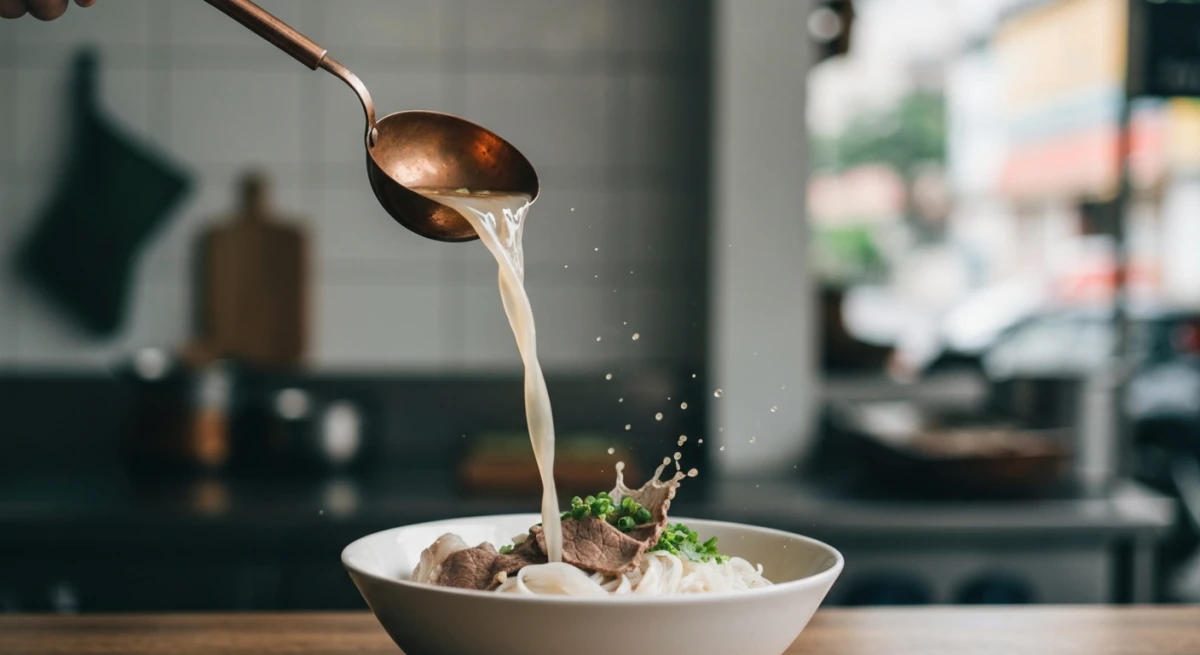
Hanoi is a sensory overload in the most beautiful way possible. The second you step onto the narrow pavements of the Old Quarter, your senses are greeted by a glorious symphony of sights, sounds, and smells: the deep, aromatic steam of 12-hour bone broths; the sharp, rhythmic hiss of charcoal-grilled pork; the chaotic, yet oddly poetic hum of a million motorbikes; and the sight of locals perched comfortably on tiny, colorful plastic stools.
For first-time visitors, Vietnam's capital can feel intimidating. But beneath the frenetic surface lies an incredibly rich, soul-stirring culture that rewards those willing to dive in. To truly experience this city, you have to eat, drink, and explore like a Hanoian. Whether you are looking for the absolute best street eats, iconic historical landmarks, or hidden alleyway cafes, this comprehensive guide covers everything that is an absolute must try in hanoi.
1. The Culinary Masterpieces: Must-Eat Hanoi Dishes
Northern Vietnamese cuisine is defined by balance, freshness, and delicate restraint. Unlike the sweeter, herb-heavy dishes of Southern Vietnam, Hanoi's food focuses on clean, subtle flavors that highlight the natural quality of the ingredients. To eat in Hanoi is to participate in an ancient, communal art form. Here are the culinary heavyweights you cannot miss.
Northern Pho: The Art of Minimalist Broth
While Pho is celebrated globally, the noodle soup you get in Hanoi is a far cry from what is served in Ho Chi Minh City or Western restaurants. Traditional Northern Pho (Pho Bac) is minimalist and elegant. It features a clear, intensely savory beef broth simmered for at least 12 to 18 hours with charred ginger, onions, star anise, cinnamon, and cardamon. You won't find basil, bean sprouts, or hoisin sauce here; instead, Hanoians garnish their bowls simply with fresh scallions, cilantro, a squeeze of fresh lime, and a few slices of bird's eye chili.
To eat it like a local, order a side of quay—golden, crispy, deep-fried dough sticks. Dip them directly into the hot soup until they absorb the rich broth, turning beautifully soft and savory.
- Where to try it:
- Pho Gia Truyen Bat Dan (49 Bat Dan, Hoan Kiem): A legendary institution where customers willingly line up at dawn. The beef is tender, sliced fresh, and the broth is incredibly pure.
- Pho Thin Bo Ho (61 Dinh Tien Hoang, Hoan Kiem): Tucked down a narrow alley near Hoan Kiem Lake, this historic stall has been serving comforting, classic bowls since the 1950s.
Bun Cha: Charcoal-Grilled Perfection
If Pho is Hanoi's soul, Bun Cha is its lunchtime heartbeat. Walking through the city streets around midday, you will inevitably find yourself enveloped in a thick, fragrant cloud of smoke rising from sidewalk charcoal grills. This dish consists of warm, sweet-savory fish sauce broth packed with tender grilled pork patties (cha vien) and slices of caramelized pork belly (cha mieng), served alongside a plate of cold bun (rice vermicelli noodles) and a massive mountain of fresh herbs.
To eat Bun Cha, grab a small bunch of noodles and herbs, plunge them into your bowl of dipping broth and pork, and take a big, multi-textured bite.
- Where to try it:
- Bun Cha Huong Lien (24 Le Van Huu, Hai Ba Trung): Famous worldwide as the "Obama Bun Cha," where Anthony Bourdain and President Barack Obama shared a meal on low blue plastic stools in 2016. The food is excellent, though it draws heavy tourist crowds.
- Bun Cha Dac Kim (1 Hang Manh, Hoan Kiem): A local favorite located right at the edge of the Old Quarter. The portions here are massive, and the nem cua be (crab spring rolls) are incredibly crispy and packed with flavor.
Cha Ca La Vong: Sizzling Turmeric and Dill Fish
Cha Ca is so legendary in Hanoi that there is an entire street in the Old Quarter named after it. This dish is as much an experience as it is a meal. When you sit down, a portable gas stove is set up at your table with a small sizzling skillet filled with turmeric-marinated fish.
As the fish sizzles, you or your server will throw generous handfuls of fresh dill, spring onions, and herbs into the hot pan. Once the greens wilt, you assemble your bowl: a layer of rice noodles, a piece of flavorful fish, the wilted dill and onions, roasted peanuts, and a drizzle of mam tom (fermented shrimp paste) or light fish sauce.
- Where to try it:
- Cha Ca Thang Long (6B Duong Thanh, Hoan Kiem): Highly regarded for its clean, modern space, attentive service, and perfectly seasoned fish.
- Cha Ca La Vong (14 Cha Ca, Hoan Kiem): The original birthplace of the dish, run by the same family for generations.
Bun Rieu Cua: The Ultimate Sour Crab Noodle Soup
For a complex explosion of sweet, sour, and savory flavors, Bun Rieu Cua is unparalleled. This comforting noodle soup features a vibrant, reddish broth made from tomato, tamarind, and fresh freshwater paddy crabs. The soup is topped with delicate crab paste cakes, fried tofu cubes, congealed pig's blood, and sometimes slices of beef. It is served with shredded banana blossoms, split morning glory stems, and fresh herbs. A splash of rice vinegar and a tiny dollop of shrimp paste elevate the broth to culinary perfection.
- Where to try it:
- Bun Rieu Trang (23 Nguyen Sieu, Hoan Kiem): A stellar street-side stall known for its rich, punchy crab broth and incredibly fresh toppings.
Banh Mi: The Crispy French-Vietnamese Fusion
You can find Banh Mi all over Vietnam, but Hanoi's version leans heavily on French culinary roots. Instead of the massive, veggie-stuffed sandwiches found in the south, Hanoi's Banh Mi focuses on high-quality, rich pork pate, a thin smear of mayonnaise, a few slices of head cheese, pork floss, and a light sprinkling of cucumber and cilantro inside an incredibly airy, ultra-crispy warm baguette.
For a completely unique Hanoi variation, try Banh Mi Sot Vang. Instead of a sandwich, you are served a basket of warm, crusty bread alongside a bowl of rich, aromatic red-wine beef stew heavily influenced by French Boeuf Bourguignon.
- Where to try it:
- Banh Mi 25 (25 Hang Ca, Hoan Kiem): Extremely popular with travelers, offering custom fillings (including excellent vegetarian options) and clean, fresh ingredients.
- Banh My Tram (252 Cua Nam, Hoan Kiem): A local legend for Banh Mi Sot Vang. The beef stew is melt-in-your-mouth tender, deeply spiced with star anise and cinnamon, and perfect for dipping.
2. The Legendary Coffee Culture: Liquid Gold
To travel to Hanoi and not dive headfirst into its coffee culture is an absolute tragedy. Vietnam is the world's second-largest exporter of coffee, and Hanoi is the epicenter of coffee creativity. Here, coffee is not a quick morning pick-me-up; it is a slow, cherished social ritual enjoyed at all hours of the day on low stools overlooking busy streets.
Ca Phe Trung: The Famous Egg Coffee
Egg coffee is Hanoi's signature beverage, and it tastes far better than its name suggests. Invented in 1946 by Mr. Nguyen Van Giang during the First Indochina War, egg coffee was born out of a severe milk shortage. To replicate the creaminess of condensed milk, Giang whipped egg yolks with sugar and a splash of rum into a thick, velvety meringue, pouring it over a base of hot, robust Vietnamese robusta coffee.
The result is essentially a liquid tiramisu—rich, sweet, custard-like foam perfectly balanced by the dark, bitter, chocolatey notes of the coffee beneath. You eat the top layer with a spoon before drinking the rest.
- Where to try it:
- Giang Cafe (39 Nguyen Huu Huan, Hoan Kiem): The original birthplace. Tucked down a long, unassuming alleyway, this busy two-story cafe serves the most iconic and velvety egg coffee in the city.
- Ca Phe Dinh (13 Dinh Tien Hoang, Hoan Kiem): Run by Mr. Giang's daughter. Located on the second floor of a historic building facing Hoan Kiem Lake, accessed via a narrow, rustic hallway behind a clothing shop.
Ca Phe Cot Dua: Coconut Coffee Slushy
If you find egg coffee a bit too heavy, coconut coffee is the ultimate refreshing alternative, especially during Hanoi's humid summer months. This drink combines intense, dark Vietnamese espresso with a generous pour of blended coconut milk, condensed milk, and ice, resulting in a smooth, creamy, slightly sweet slushy.
- Where to try it:
- Cong Caphe (Multiple locations): A beloved, highly stylized vintage Vietnamese coffee chain. The interiors are themed around Vietnam's 1970s and 80s "subsidy era," complete with olive-green decor, old books, propaganda posters, and rustic wooden furniture. Their coconut coffee is arguably the best in the country.
Ca Phe Muoi: The Rise of Salt Coffee
While originally originating from the imperial city of Hue, Ca Phe Muoi (Salt Coffee) has taken Hanoi by storm. This modern classic features bold robusta coffee poured over sweetened condensed milk, topped with a thick layer of salted cold cream. The salt cuts through the bitterness of the robusta and the intense sweetness of the condensed milk, creating an incredibly rich, salted-caramel flavor profile.
- Where to try it:
- Seek out boutique, specialty coffee shops in the Old Quarter or West Lake (Tay Ho) districts, where baristas meticulously craft modern interpretations of this sweet-and-salty delight.
3. Unforgettable Cultural and Spatial Experiences
Hanoi's magic isn't just found on your plate; it's woven into the fabric of its historical streets, serene lakes, and unique urban anomalies. To truly appreciate this ancient city (which celebrated its millennium in 2010), you must engage with its living history.
Wandering the 36 Streets of the Old Quarter
The Old Quarter is Hanoi's historic commercial heart. Dating back over a thousand years, this maze of narrow streets was originally built around 36 distinct merchant guilds. Each street was named after the specific trade or craft practiced there, beginning with the word Hang (meaning store or merchandise).
Even today, you can wander down Hang Bac (Silver Street) to find jewelers polishing gold, Hang Gai (Silk Street) for tailors and textiles, or Hang Ma (Paper Street) filled with colorful paper lanterns, votive offerings, and festive decorations. Walking through the Old Quarter is a masterclass in urban navigation—and an incredible opportunity to photograph local life, colonial French-era architecture, and traditional tube houses (narrow, deep buildings designed to minimize property taxes).
The Serenity of Hoan Kiem Lake & Ngoc Son Temple
Right on the edge of the chaotic Old Quarter lies Hoan Kiem Lake (Lake of the Restored Sword), the peaceful, green lungs of Hanoi. According to local legend, Emperor Le Loi was given a magical sword by a golden turtle god to defeat Chinese invaders; after his victory, the turtle returned the sword to the depths of this very lake.
In the center of the lake sits the iconic Thap Rua (Turtle Tower), and on a small northern islet, connected by the striking red-painted wooden The Huc Bridge, sits the tranquil Ngoc Son Temple (Temple of the Jade Mountain).
- Pro Tip: If you are in Hanoi over the weekend, the streets surrounding Hoan Kiem Lake are completely closed to motorized traffic from Friday at 7:00 PM until Sunday midnight. The area transforms into a massive, lively pedestrian plaza filled with street musicians, traditional Vietnamese games, portrait artists, and families taking evening strolls.
Hanoi Train Street: Navigating the Controversy and Safety Rules
You've undoubtedly seen photos on Instagram of the narrow residential alleyway where a massive speeding train passes just inches from homes and cafes. This is Hanoi's famous Train Street (located along Phung Hung and Dien Bien Phu streets).
While it remains an absolute must try in hanoi visual experience, local authorities frequently restrict access to the tracks due to obvious safety concerns. Police barricades are often set up at the entrances of the most popular sections to prevent tourists from wandering onto the tracks.
- How to visit safely and legally: You cannot simply walk onto the tracks alone if the barricades are active. However, cafe owners along the tracks are permitted to host guests. To enter, wait near the barricades; a local cafe owner will approach you and offer to guide you to their shop. Follow them, take a seat safely inside their cafe patio, order a drink, and wait for the train to pass.
- Train Schedule: The trains typically run multiple times on weekends (afternoons and evenings) and less frequently on weekdays. Always check the current schedule with your cafe host or hotel reception, as times are subject to change.
The Temple of Literature (Van Mieu)
Built in 1070 by Emperor Ly Thanh Tong, the Temple of Literature is a stunning, beautifully preserved example of traditional Vietnamese architecture. Dedicated to Confucius and the nation's finest scholars, it became the home of Vietnam's very first national university (Quoc Tu Giam).
As you wander through the five tranquil courtyards, you will see ancient trees, manicured gardens, and the famous Doctor's Steles—82 massive stone tablets mounted on the backs of carved stone turtles, inscribed with the names of students who passed the rigorous royal examinations. Today, local students still flock here before major exams to pray for good luck.
4. Insider Tips: How to Navigate Hanoi Like a Pro
To make your trip to Hanoi smooth and enjoyable, you need to understand the unwritten rules of the city.
- Mastering the Street Cross: Crossing the street in Hanoi is an exercise in trust. There are rarely pedestrian crossings, and traffic almost never stops. The secret is simple: walk slow, steady, and predictably. Do not run, do not stop mid-way, and do not make sudden movements. The sea of motorbikes will naturally calculate your trajectory and flow smoothly around you.
- Use Grab for Transportation: To avoid aggressive street vendors and taxi scams, download the Grab app before arriving. It allows you to book reliable, cheap motorbike taxis (GrabBike) or cars with fixed, upfront pricing. Riding on the back of a GrabBike is also one of the most thrilling ways to experience Hanoi's traffic.
- Cash is King: While high-end restaurants, hotels, and modern cafes accept credit cards, Hanoi's incredible street food stalls and local markets only accept cash. Always keep small denominations of Vietnamese Dong (VND) on hand, as vendors struggle to make change for large 500,000 VND bills.
- Seek Out the Alley Cafes: Some of Hanoi's coolest cafes are hidden in plain sight. They are often located on the upper floors of old apartment blocks, accessed through narrow, dark, and damp corridors that look like private residences. Don't be afraid to explore these alleyways—they often lead to breathtaking vintage spaces with rooftop views.
5. Frequently Asked Questions (FAQ)
What is the single absolute must try dish in Hanoi?
If you only have time for one meal, it has to be Bun Cha. While Pho is iconic throughout Vietnam, Bun Cha is uniquely Hanoian, perfectly capturing the city's love for smoky, charcoal-grilled meats, fresh herbs, and balanced dipping sauces. Pair it with a cold local beer (like Bia Ha Noi) for the ultimate lunch experience.
Is Train Street currently open to tourists?
Yes, but with strict safety regulations. You cannot walk freely on the tracks when the police checkpoints are active. To access the street, you must be escorted in by a local cafe owner to sit at their designated seating area. Remember to respect your host's safety instructions and stand clear of the yellow safety lines when the train approaches.
Are there vegetarian or vegan options for famous Hanoi dishes?
Absolutely! While traditional Northern Vietnamese cuisine is meat-heavy, Hanoi's Buddhist heritage means there is a vibrant vegetarian scene (An Chay). Many popular spots, like Banh Mi 25, offer fantastic vegetarian options using tofu or mushrooms. For authentic vegetarian versions of Vietnamese classics, visit dedicated vegetarian restaurants like Uu Dam Chay or Nha Hang Chay Sadhu.
When is the best time of year to visit Hanoi?
The best times to visit Hanoi are during the shoulder seasons: autumn (September to November) and spring (March to April). During these months, the weather is pleasantly cool, dry, and sunny. Avoid the summer months (June to August) if you dislike extreme heat and heavy monsoon rains, and be prepared for surprisingly cold, gray, and drizzly weather during winter (December to February).
Conclusion: Embrace the Chaos
Hanoi is not a city designed for passive observation. It is a destination that demands active participation. It asks you to sit on a six-inch-high plastic stool on a crowded sidewalk, to sip sweet egg coffee in a hidden attic, to step off the curb into oncoming traffic, and to let the rich, complex flavors of centuries-old recipes wash over you.
By stepping outside of your comfort zone and embracing the beautiful, vibrant chaos, you will discover why Hanoi remains one of the most intoxicating, deeply beloved cities in the world. Plan your itinerary, keep an open mind, and get ready to experience the ultimate Hanoi adventure.