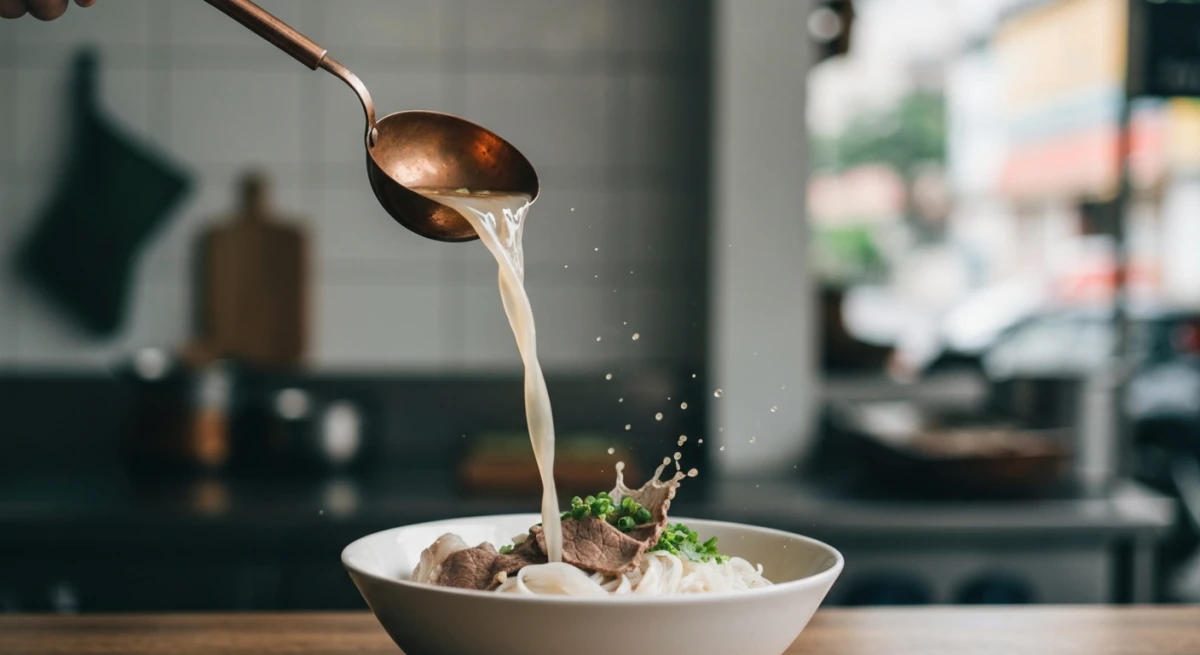
Finding the absolute best eats in Vietnam’s southern metropolis can be a dizzying adventure. With thousands of street-side stools, tucked-away alleyway vendors, and sleek modern eateries, narrowing down the definitive list of must try food Ho Chi Minh serves up is the key to unlocking the city’s heart. Formerly known as Saigon, this bustling urban landscape is a culinary pressure cooker. Here, the food is bolder, sweeter, and significantly more herb-forward than in the north—a direct reflection of the tropical abundance of the nearby Mekong Delta and decades of multicultural trade.
Whether you are a seasoned culinary traveler or a curious first-timer, this comprehensive food guide will take you beyond the standard backpacker recommendations. We will deep-dive into the rich history of Saigon's iconic dishes, share exact locations that locals swear by, and give you the insider knowledge needed to navigate the city’s legendary food scene like a seasoned pro.
The Soul of the South: What Makes Saigon's Food Scene Unique?
To truly appreciate the must try food Ho Chi Minh offers, you first have to understand the "Southern Palate." If you have traveled through Northern Vietnam, prepare for a fascinating culinary shift. While Hanoi’s cuisine is celebrated for its delicate, subtle, and strictly traditional flavors, Saigon is a town of bold creativity and unchecked innovation.
Historically, Southern Vietnamese cooking has been heavily shaped by Khmer, Chinese (Teochew and Cantonese), and French culinary traditions. The proximity to the Mekong Delta means that fresh produce, coconuts, and sugarcane are incredibly abundant. As a result, southern dishes feature a pronounced sweetness, a generous splash of rich coconut cream, and an absolute mountain of fresh, aromatic herbs (rau thơm) served alongside every single plate.
Moreover, Saigon’s food scene is defined by its architectural layout. The city's hẻm (dense networks of narrow alleyways) function as community living rooms and open-air food courts. Some of the most spectacular, complex broths and perfectly seasoned meats in the city are served from humble carts nestled deep within these residential corridors, lit by fluorescent bulbs and enjoyed on tiny, low-to-the-ground plastic chairs. In Ho Chi Minh City, dining is not just about sustenance; it is a lively, communal, and fast-paced performance.
The "Big Four" Iconic Classics Reimagined by Saigon
If you only have a few days in the city, your culinary mission is clear. These four dishes represent the essential must try food Ho Chi Minh locals eat daily. They form the core identity of Southern Vietnamese cuisine.
1. Cơm Tấm (Broken Rice)
What began as a humble peasant meal has transformed into Saigon’s absolute favorite comfort food. Historically, rice farmers in the Mekong Delta could not sell the fractured grains that broke during the milling process. Rather than wasting them, they ate them themselves, discovering that the smaller grains absorbed flavors and sauces exceptionally well.
A classic plate of Cơm Tấm features a fragrant bed of steamed broken rice topped with a masterfully marinated grilled pork chop (sườn nướng). The pork is typically bathed in a sticky mixture of lemongrass, garlic, fish sauce, and caramelized sugar before being chargrilled over open coals. Accompanying the pork are chả trứng (a savory steamed pork, egg, and glass noodle loaf), bì (thinly shredded pork skin tossed with toasted rice powder), a generous drizzle of mỡ hành (scallion oil), and crispy pork fat cracklings. The entire plate is tied together with a sweet, garlic-and-chili-infused fish sauce that you pour generously over the top.
- Where to try it:
- Cơm Tấm Ba Ghiền (84 Dang Van Ngu, Phu Nhuan District): Legendary for its massive, bone-in pork chops that literally drape over the sides of the plate. It is smoky, sweet, and incredibly satisfying.
- Cơm Tấm Nguyễn Văn Cừ (74 Nguyen Van Cu, District 1): Famed for its exceptional marinade and high-quality ingredients, though priced slightly higher than typical street stalls.
2. Hủ Tiếu Nam Vang (Phnom Penh Noodle Soup)
While Phở gets all the international glory, Hủ Tiếu Nam Vang is arguably the true soul of Saigon’s noodle scene. This dish is a glorious example of HCMC’s multicultural identity, tracing its roots back to Phnom Penh (Cambodia) and refined by Teochew Chinese immigrants before settling in Southern Vietnam.
The broth is a labor of love, simmered for hours using pork bones, dried shrimp, squid, and charred onions to create a clear, intensely savory, and slightly sweet flavor profile. What sets Hủ Tiếu Nam Vang apart is its chewy tapioca noodles and the dazzling array of toppings. A standard bowl comes loaded with minced pork, sliced pork loin, plump shrimp, quail eggs, pork liver, and heart.
When ordering, you must choose between two styles:
Hủ Tiếu Nước (Soup): The classic version, where the hot broth is poured directly over the noodles and toppings.
Hủ Tiếu Khô (Dry): The noodles are tossed in a rich, sweet soy-and-oyster-based sauce in one bowl, while the hot broth is served on the side. This is highly recommended as it highlights the unique, chewy texture of the noodles.
Where to try it:
- Hủ Tiếu Thanh Xuân (62 Ton That Thiep, District 1): Operating for decades, this spot is famous for its unique crab-claw toppings and incredible homemade sauce for the dry version.
- Hủ Tiếu Nhân Quán (122D Cach Mang Thang Tam, District 3): A bustling local institution open late into the night, serving incredibly fresh ingredients and a rich, deeply flavored broth.
3. Phở Nam (Southern-Style Phở)
Phở originated in Northern Vietnam, but when it migrated south in 1954, it underwent a dramatic evolution. While Northern Phở focuses on a minimalist, highly refined broth with few garnishes, Southern Phở (Phở Nam) is a celebratory explosion of color, herbs, and sauces.
The southern broth is bolder, sweeter, and more heavily spiced, simmered with charred ginger, star anise, cinnamon, black cardamom, coriander seeds, and cloves. It is served with a mountain of fresh bean sprouts, Thai basil (húng quế), sawtooth herb (ngò gai), and lime wedges. Furthermore, locals in Saigon always customize their soup with generous squirts of hoisin sauce (tương đen) and chili sauce (tương đỏ), often using them as a dipping sauce for the tender slices of beef (phở bò).
- Where to try it:
- Phở Lệ (415 Nguyen Trai, District 5): Located in the heart of District 5, this bustling restaurant is famous for its rich, slightly sweet broth and tender, generous portions of rare beef, beef balls, and brisket.
- Phở Hòa Pasteur (260C Pasteur, District 3): One of the oldest and most historic Phở establishments in the city, famous for its deep broth and the mountain of side dishes (including fried dough sticks, or quẩy) waiting on your table.
4. Bánh Mì (The Ultimate Baguette Sandwich)
The French introduced the baguette to Vietnam during the colonial era, but the Vietnamese completely revolutionized it. By adding rice flour to the dough to make the bread incredibly light, airy, and ultra-crisp, and stuffing it with bold local ingredients, they created what many consider the world's best sandwich.
An authentic Saigon-style Bánh Mì is a textural masterpiece. Inside the warm, crispy crust lies a generous smear of rich French-style chicken liver pâté, Vietnamese mayonnaise, a variety of cold cuts (including mortadella-like chả lụa and headcheese), pork floss, cucumber spears, cilantro, fresh red chilis, and a refreshing tangle of pickled daikon and carrots.
- Where to try it:
- Bánh Mì Huỳnh Hoa (26 Le Thi Rieng, District 1): Known as the "heavyweight champion" of baguettes. This sandwich is absolutely packed with layers of meats and pâté. It is easily large enough for two people to share. Expect a queue, but the assembly line moves incredibly fast.
- Bánh Mì Hồng Hoa (54 Nguyen Van Trai, District 1): A lighter, more traditional option. They bake their baguettes fresh on-site, ensuring an incredibly crispy shell and a perfect balance of fillings.
Deep-Dive into Southern Staples: Expanding Your Palate
Once you have mastered the classics, it is time to venture deeper into the culinary landscape. When searching for must try food Ho Chi Minh, you cannot overlook the city’s vibrant noodle, crepe, and skillet varieties that show off the sheer versatility of southern ingredients.
Bánh Xèo (Sizzling Southern Crepes)
The name Bánh Xèo translates literally to "sizzling cake," referencing the dramatic sound the wet batter makes when hit by a roaring hot, oil-slicked skillet. Unlike the smaller, thicker, and softer versions found in Central Vietnam, Southern-style Bánh Xèo is enormous, paper-thin, and incredibly crispy.
The batter is made from rice flour, water, coconut milk, and turmeric powder, which gives it a bright yellow color that is often mistaken for egg. It is ladled into a massive wok and swirled to create a thin, lacy edge. The crepe is then stuffed with pork belly, small shrimp, mung beans, and a handful of fresh bean sprouts.
Eating Bánh Xèo is an active, hands-on experience:
- Tear off a piece of the crispy crepe.
- Place it inside a large mustard green or lettuce leaf.
- Add a selection of wild herbs (like sweet basil, mint, and perilla).
- Roll it up tightly into a neat parcel.
- Dip the roll into nước chấm (sweet and tangy fish sauce) and enjoy the explosion of hot, crispy, cool, and herbaceous textures.
- Where to try it:
- Bánh Xèo Đinh Công Tráng (46A Dinh Cong Trang, District 1): Tucked away near the famous Pink Church, this open-air restaurant has been serving exceptionally crispy, giant crepes for generations.
Bún Thịt Nướng (Cold Rice Noodles with Grilled Pork)
For a refreshing yet incredibly hearty lunch that beats the relentless Saigon heat, nothing compares to Bún Thịt Nướng.
This dish is built in layers in a large bowl. At the base lies a bed of crisp, shredded lettuce, cucumber, and Vietnamese herbs. This is covered with cold, slippery rice vermicelli noodles (bún). Next comes the star: warm, charred pork slices marinated in lemongrass, garlic, and honey, fresh off the grill. To top it off, vendors add crispy, fried egg rolls (chả giò), a spoonful of roasted peanuts, pickled vegetables, and a generous splash of scallion oil. You pour the sweet-and-sour fish sauce over the entire bowl, toss it like a salad, and eat.
- Where to try it:
- Bún Thịt Nướng Chị Tuyền (175/9 Co Giang, District 1): Famed for its exceptionally tender grilled pork and massive, crispy egg rolls stuffed with savory fillings.
Bò Né (Sizzling Skillet Steak)
If you want to experience a truly unique Saigon breakfast, skip the noodles one morning and look for a vendor serving Bò Né (which translates to "dodging beef"—so named because you have to dodge the splattering oil when the dish arrives).
Served on a blazing-hot, cow-shaped cast-iron platter, this dish features marinated beef steaks sizzling in butter alongside a sunny-side-up egg, a thick slice of rich pâté, a small Vietnamese sausage, and occasionally laughing cow cheese. It is served with a pristine, crusty warm baguette to scoop up the runny yolk, melted butter, and savory pan juices.
- Where to try it:
- Bò Né Lệ Hồng (489/29/20 Huynh Van Banh, Phu Nhuan District): A beloved local favorite hidden deep in an alleyway, famous for its incredibly tender, melt-in-your-mouth beef marinated in a secret recipe.
The Streets After Dark: Snail, Beer, and Community Culture
In Ho Chi Minh City, "eating snails" (ăn ốc) is not just about the food; it is an entire social subculture. After the sun goes down, locals gather at lively open-air roadside stalls to drink cold beers and feast on a massive variety of fresh sweet and saltwater snails, clams, scallops, and crabs.
The preparation methods are incredibly diverse and packed with flavor. You can have your shellfish grilled over charcoal with green onions and peanuts, stir-fried in a rich salted egg yolk sauce, simmered in a sweet coconut milk broth, or tossed with garlic, chili, and lemongrass.
- Must-order snail dishes:
- Ốc Hương Xào Bơ Tỏi: Sweet snails stir-fried in a rich garlic butter sauce, served with bread to mop up the sauce.
- Nghêu Hấp Sả: Clams steamed in a fiery, sweet lemongrass broth that clears the sinuses and warms the stomach.
- Càng Ghẹ Rang Muối Ớt: Crab claws tossed in a spicy, savory chili-salt crust that you crack open with metal pliers.
- Where to try it:
- Ốc Đào (212B/C79 Nguyen Trai, District 1): A legendary spot with a massive menu. It is hidden in an alleyway but incredibly spacious and lively.
- Vĩnh Khánh Street (District 4): This entire street transforms into an open-air seafood extravaganza every evening. Pick any stall that is packed with locals, pull up a plastic chair, and enjoy the chaotic charm.
Modern Gastronomy: Saigon's New-Wave Dining Scene
While street food remains the beating heart of Saigon, the city’s culinary landscape has undergone a spectacular transformation. Today, a new wave of innovative chefs is taking traditional Vietnamese ingredients and elevated heritage recipes, presenting them through modern European techniques and creative curation.
If you want to balance your street food adventures with highly sophisticated dining experiences, Saigon has plenty of incredible options that prove the city is a world-class culinary capital:
- NÚC Kitchen and bar (District 1): Embodying the philosophy of "Gastronomy with Nature in Mind," this contemporary, ingredient-led restaurant interprets traditional Vietnamese kitchen culture (bếp núc) and heritage flavors using European-influenced techniques. The menu changes seasonally, prioritizing local produce and natural variation.
- ÚNU Cocktails & Eatery (District 1): Located within the artistic ANIMA Saigon space, this venue blends art, architecture, and luxury gastronomy. It is perfect for travelers looking for a creative, sensory dining experience where modern Vietnamese flavors meet expertly crafted, art-inspired cocktails.
- Anan Saigon (District 1): The city's famous Michelin-starred restaurant located inside a bustling wet market. Chef Peter Cuong Franklin famously crafts the "$100 Bánh Mì" and reimagines street food staples like beef carpaccio Phở and crispy pork belly Cơm Tấm into high-end, artistic culinary masterpieces.
Quenching Your Thirst: Saigon’s Iconic Beverage and Cafe Culture
No culinary exploration of Ho Chi Minh City is complete without diving into its world-famous beverage scene. The city runs on caffeine and refreshing, cold herbal concoctions designed to combat the tropical humidity.
Cà Phê Sữa Đá (Iced Coffee with Condensed Milk)
This is the undisputed lifeblood of Saigon. Heavy, bold, and incredibly sweet, Cà Phê Sữa Đá is made by slowly dripping dark-roasted Robusta coffee beans through a metal filter (phin) directly onto a thick layer of sweetened condensed milk. Once the slow drip is complete, the mixture is vigorously stirred and poured over a tall glass packed with crushed ice. It is a potent jumpstart to the heart and an absolute sensory delight.
- How to experience it: You can find this on literally every street corner. For a truly authentic experience, try Cà Phê Bệt (sidewalk coffee), where you sit on plastic sheets on the ground near the Notre Dame Cathedral and watch the city pass by.
Cà Phê Trứng (Egg Coffee)
Though originally a Northern Vietnamese invention born out of milk shortages in Hanoi, Saigon has embraced egg coffee with open arms, adding its own artistic flair. A shot of dark espresso is topped with an incredibly thick, velvety, and sweet custard whipped from egg yolks and condensed milk. It is dessert and coffee wrapped into one luxurious cup.
- Where to try it: Cà Phê Trứng 3T (multiple locations, including near the canal in District 1). Their egg coffee is exceptionally smooth, warm, and perfectly balanced without any metallic or egginess.
Rau Má (Pennywort Juice)
For a healthy, ultra-refreshing local drink, look out for the green signs advertising Rau Má. Made from pulverized pennywort leaves, this herbal, grassy juice is served ice-cold. For a modern twist popular among Saigon's youth, try a Rau Má Mix, which blends the herbal juice with sweet mung bean paste, coconut milk, and chewy grass jelly.
Pro Tips: How to Navigate Saigon’s Food Scene Like an Expert
Eating your way through Ho Chi Minh City is incredibly rewarding, but it can be intimidating for newcomers. Use these insider tips to ensure a safe, delicious, and seamless culinary adventure:
- Follow the Crowds: The gold standard of street food safety is high turnover. If you see a stall packed with locals sitting on tiny plastic stools, the food is guaranteed to be fresh, clean, and highly delicious.
- Embrace the Condiments: Vietnamese tables are lined with jars of pickled garlic, fresh chilis, lime wedges, fish sauce, and chili paste. Don't be afraid to use them! Watch how the locals adjust their bowls—a squeeze of lime or a spoonful of garlic vinegar can completely transform a broth.
- Carry Cash: While modern cafes and upscale restaurants in HCMC readily accept credit cards, almost all street food stalls and alleyway vendors are strictly cash-only. Keep small denominations of Vietnamese Dong (VND 10,000, 20,000, and 50,000 notes) handy.
- Mind the Ice: In major cities like Ho Chi Minh City, the ice (đá) used in commercial food stalls is produced in registered factories and delivered daily in large blocks. It is generally safe to consume. Look for hollow, cylindrical tube ice, which indicates it was factory-made.
- Download Grab: The Grab app is essential for any foodie in Saigon. Not only is it the easiest way to book cheap scooter rides to hard-to-reach districts, but its food delivery service (GrabFood) is also an incredible resource for ordering famous local dishes directly to your hotel when you want a quiet night in.
Frequently Asked Questions
What is the best area in Ho Chi Minh City for street food?
While District 1 has fantastic options, venture into District 3 and District 4 (specifically Vĩnh Khánh Street) for a more authentic, local-focused street food experience. For incredible Chinese-Vietnamese culinary fusion, head to Chợ Lớn (District 5), the city's vibrant Chinatown.
Is street food in Ho Chi Minh City safe to eat?
Yes, street food in Saigon is remarkably safe, provided you follow basic hygiene rules. Eat at busy stalls with high turnover, ensure your food is cooked hot and fresh to order, and drink bottled water or beverages served with factory-made tube ice.
How much does a meal cost in Ho Chi Minh City?
Ho Chi Minh City is a paradise for budget travelers. A hearty plate of Cơm Tấm or a steaming bowl of Hủ Tiếu at a street food stall typically costs between VND 35,000 and VND 70,000 (roughly USD $1.50 to $3.00). Even at mid-range sit-down restaurants, a full meal rarely exceeds USD $10.00 to $15.00 per person.
What is the difference between Northern and Southern Phở?
Southern Phở (the style served in Ho Chi Minh City) features a sweeter, more heavily spiced broth and thinner noodles. It is served with a massive plate of fresh herbs (like Thai basil and saw-tooth herb), fresh bean sprouts, and a selection of dipping sauces (like hoisin and sriracha) which locals use to customize their bowls. Northern Phở is much simpler, focusing strictly on a clear, delicate broth, wider noodles, and green onions.
Conclusion
Embarking on a culinary journey through Ho Chi Minh City is far more than just filling your stomach—it is an immersive dive into the history, resilience, and vibrant culture of Southern Vietnam. From the comforting, smoky charred meats of a morning plate of Cơm Tấm to the lively, beer-fueled laughter of a late-night snail feast, the flavors of Saigon will linger in your memory long after you have boarded your flight home. Grab a plastic stool, pick up your chopsticks, and prepare to fall in love with one of the greatest food capitals on Earth.