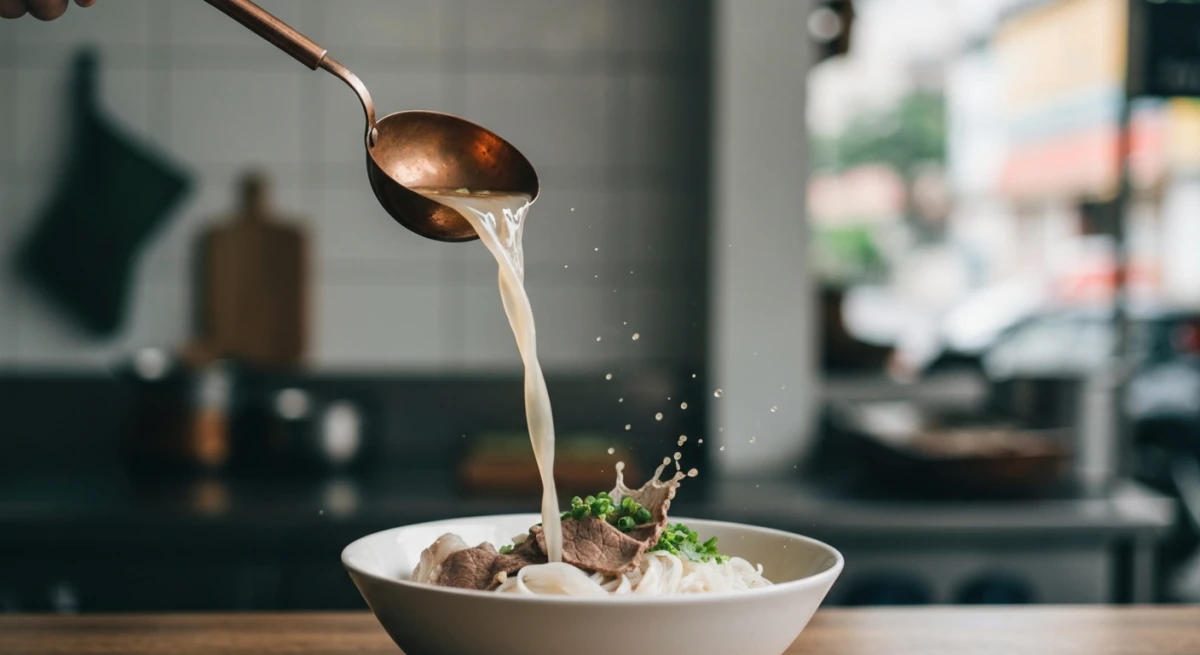
The Pulsing Culinary Heart of Southern Vietnam
There is no city on earth quite like Ho Chi Minh City. Known affectionately by locals as Saigon, this sprawling, high-octane metropolis is a living, breathing open-air kitchen. Here, the air is thick with the sweet aroma of simmering beef bone broth, the smoky allure of charcoal-grilled pork, and the rich, roasted scent of robusta coffee. In Saigon, eating is not merely a means of sustenance; it is a full sensory immersion, a core social ritual, and a way of life. The city's food scene is a beautiful, chaotic mosaic shaped by historical migrations, French colonial influences, Chinese-Cambodian trading routes, and the fertile abundance of the nearby Mekong Delta.
Whether you are a seasoned culinary adventurer or a first-time traveler, navigating this vast food landscape can be overwhelming. To help you dive straight into the authentic soul of the city, we have curated the ultimate must eat saigon field guide. This isn't just a list of tourist traps—it's a handpicked selection of legendary street food stalls, hidden alleyway gems, and neighborhood institutions where locals actually dine. We will explore the historical context of each dish, analyze the flavor profiles, and reveal the exact spots that will redefine your understanding of Vietnamese cuisine. Pull up a tiny plastic stool, grab your chopsticks, and let's explore the iconic flavors of Saigon.
1. The Holy Trinity of Saigon: Pho, Banh Mi, and Com Tam
To truly understand the culinary DNA of Ho Chi Minh City, you must start with the three pillars of Southern Vietnamese dining. While these dishes are available nationwide, Saigon has put its own bold, sweet, and intensely herbaceous stamp on each.
Pho: The Soulful Symphony of Broth and Beef
While Pho famously originated in the colder climes of Northern Vietnam, Saigon transformed it into an extravagant, customizable feast when millions of northerners migrated south in 1954. Northern Pho (Pho Bac) is minimalist, focusing purely on a clear, delicate, star anise-perfumed broth and tender beef. In contrast, Southern Pho (Pho Nam) is bold, robust, and slightly sweet.
Crucially, Southern Pho is served with an abundant forest of fresh table herbs. You will receive a plate piled high with saw-tooth herb (ngo gai), Thai basil (hung que), rice paddy herb (ngo om), and fresh culantro. Along with the herbs, locals customize their bowls with sweet hoisin sauce, spicy chili sauce, fresh lime, and bird's eye chilies. The magic of Southern Pho lies in this interactive, personalized flavor assembly.
- Pho Phu Vuong (339 Le Van Sy, Tan Binh District): Highly recommended by locals who want a robust, beef-forward broth that strikes the perfect balance of sweetness and depth without being cloying. The beef cuts here are top-tier—ranging from rare flank (tai) that cooks gently in the hot broth to fatty brisket (gau) and chewy, house-made beef balls (bo vien). It is a bustling, high-tempo local hall that captures the authentic energy of Saigon.
- Pho Minh (63/4 Pasteur, District 1): Operating since the 1940s, Pho Minh is hidden deep inside a narrow, quiet residential alleyway in District 1. The atmosphere here is a peaceful time capsule amidst the modern city. The broth is remarkably clear, light, and delicate, leaning closer to its Northern roots but subtly adjusted to Southern tastes. It is a nostalgic, quiet breakfast experience you cannot miss.
Banh Mi: A Masterclass in Culinary Contrast
Saigon's Banh Mi is perhaps the world's most perfect sandwich, representing a brilliant fusion of French colonial ingredients and Vietnamese culinary ingenuity. The French introduced the baguette, pâté, and mayonnaise, but the Vietnamese made it lighter, crispier, and packed it with vibrant, fresh ingredients.
To withstand Saigon's intense humidity, local bakers mix a portion of rice flour with wheat flour, resulting in a baguette with a paper-thin, ultra-crispy crust that shatters delightfully when bitten, yielding to an incredibly airy and fluffy interior. A classic Saigon Banh Mi is layered with rich, savory pork liver pâté, creamy house-made egg yolk mayonnaise, Vietnamese cold cuts, pickled daikon and carrot julienne, fresh cucumber strips, cilantro sprigs, and sliced bird's eye chilies.
- Banh Mi 37 Nguyen Trai (37 Nguyen Trai, District 1): Instead of a brick-and-mortar shop, this is a legendary street food cart that sets up in the late afternoon. They specialize in Banh Mi Thit Nuong—warm, smoky pork patties grilled over glowing charcoals on the sidewalk, basted in a sweet-savory soy glaze. Combined with the crispy baguette and tart pickled veggies, it is a revelation of flavors.
- Banh Mi Hong Hoa (62 Nguyen Van Trang, District 1): For a classic cold-cut sandwich, skip the massive, tourist-heavy Banh Mi Huynh Hoa (which is often criticized by locals for being too heavy and greasy) and head to Hong Hoa. Their baguettes are baked fresh on-site throughout the day. The balance of ingredients here is masterfully executed—never too heavy on the pâté, always fresh, light, and incredibly crisp.
Com Tam: The Working-Class Hero Turned Icon
Com Tam (literally "broken rice") is the definitive culinary signature of Saigon. Historically, farmers in the Mekong Delta could not sell rice grains that broke during the milling process, so they ate them themselves or sold them cheaply to working-class urban laborers. Over the decades, this humble dish transitioned from a cheap street meal into a beloved culinary icon enjoyed by all social classes.
Because the rice grains are fractured, they have a unique, fluffy texture that absorbs savory pork juices and dressings far better than whole rice. A standard plate of Com Tam consists of this fragrant broken rice topped with a grilled pork chop (suon nuong) marinated in lemongrass, garlic, shallots, and honey, then charred over charcoal. It is accompanied by cha trung (a savory steamed pork-and-egg custard loaf), bi (shredded pork skin coated in toasted rice powder), and a fried egg (op la). The entire dish is tied together by a generous drizzle of sweet, garlicky fish sauce (nuoc mam cham) and scallion oil (mo hanh).
- Com Tam Ba Ghien (84 Dang Van Ngu, Phu Nhuan District): This Michelin-recognized institution is famous for serving a pork chop so massive it practically covers the entire plate of rice. The meat is incredibly juicy, deeply marinated, and grilled to caramelized perfection on a massive sidewalk grill that fills the neighborhood with enticing smoke.
- Com Tam Nguyen Van Cu (74 Nguyen Van Cu, District 5): If you want a more refined, premium Com Tam experience, this is the place. It is significantly more expensive than standard stalls, but locals swear by the quality of their pork ribs. The meat is sweet, tender, and masterfully glazed, and their house-blended fish sauce is incredibly rich and savory.
2. Southern Staples: Snail Stalls (Quan Oc) and Crispy Pancakes (Banh Xeo)
Saigon’s culinary genius truly shines when the sun goes down. The city’s nightlife is fueled by communal dining experiences centered around fresh shellfish and sizzling pan-fried crepes.
Oc: The Quintessential Saigon Night Out
To experience Saigon like a true local, you must partake in "an oc" (eating snails). Snail stalls (quan oc) are bustling social hubs where groups of friends gather on low plastic stools on the sidewalk under bright fluorescent lights, cracking open cold beers, yelling "Mot, Hai, Ba, Dzo!" (One, Two, Three, Cheers!), and sharing a table piled high with small plates of seafood.
The snails are cooked to order using an array of incredible sauces and techniques. Popular preparations include rang muoi ot (roasted in a fiery, salty chili crust), xao bo toi (stir-fried in rich garlic butter), xao dua (simmered in sweet coconut cream), and hap sa (steamed with lemongrass and ginger). Eating oc is a tactile, messy, and incredibly social affair.
- Oc Dao (Alley 212B Nguyen Trai, District 1): Tucked deep in a labyrinth of residential alleyways, Oc Dao is a sprawling, high-energy sanctuary of seafood. Essential dishes to order include Oc Huong Rang Muoi Ot (sweet spotted babylon snails coated in a spicy chili-salt crust) and So Diep Nuong Mo Hanh (scallops grilled on charcoal, topped with green scallion oil and crushed peanuts). Make sure to order a warm baguette (banh mi) to mop up the decadent garlic-butter sauces.
- Oc Nhu (650/4/29D Dien Bien Phu, District 10): This is a legendary neighborhood spot where locals gather to avoid the tourist markup of District 1. The seafood here is exceptionally fresh, thoroughly cleaned (never gritty), and cooked with precision. Try their Oc Len Xao Dua (mud creepers in sweet coconut milk with Vietnamese coriander)—you suck the snails directly out of their shells, drawing in the sweet, rich coconut sauce along with the tender meat.
Banh Xeo: The Golden, Sizzling Crepe
Banh Xeo translates literally to "sizzling cake," named after the loud hiss the rice batter makes when it hits a roaring hot, oil-slicked skillet. Unlike the smaller, softer versions found in Central Vietnam, Southern-style Banh Xeo is massive—resembling a giant, paper-thin, crispy golden crepe.
The batter is made from rice flour, coconut milk, and turmeric powder (which provides its signature yellow color and earthy aroma, despite containing no eggs). The skillet is loaded with pork belly, sweet shrimp, whole mung beans, and fresh bean sprouts, which are cooked inside the crepe.
Eating Banh Xeo is an interactive art form. You do not use cutlery. Instead, you tear off a piece of the hot, crispy crepe, place it onto a large mustard green or lettuce leaf, pack it with fresh herbs (like perilla, mint, and Vietnamese basil), roll it tightly into a bundle, and dip it into a sweet, tangy fish sauce (nuoc mam chua ngot).
- Banh Xeo 46A (46A Dinh Cong Trang, District 1): Immortalized by travel chefs like Anthony Bourdain, 46A is an open-air restaurant that has been perfecting this dish for decades. Here, the crepes are cooked over traditional wood-fired stoves, giving the crispy edges a subtle smoky flavor. The crepes are huge, loaded with ingredients, and served with a mountain of fresh, crisp herbs.
3. Under-the-Radar Noodle Bowls: Hu Tieu and Bun Thit Nuong
While Pho takes the global spotlight, Hu Tieu and Bun Thit Nuong are the daily choices for many Saigonese, offering incredibly complex flavor profiles suited for the tropical climate.
Hu Tieu Nam Vang: The Multi-Cultural Masterpiece
If Pho is the national dish, Hu Tieu is the true daily fuel of Saigon. This noodle soup is a fascinating testament to cultural exchange: it originated in Cambodia (Nam Vang is the Vietnamese name for Phnom Penh) and was adapted by Teochew Chinese immigrants before being embraced by Southern Vietnamese cooks.
The broth of Hu Tieu is made by simmering pork bones, dried squid, and dried shrimp, which gives it a distinct, seafood-derived sweetness that sets it apart from beef-heavy Pho. The dish features springy, chewy tapioca-based noodles (hu tieu dai) and is piled high with sliced pork, minced pork, quail eggs, fresh shrimp, and sometimes pork offal (like heart and liver).
The connoisseur's way to eat this is "dry" (hu tieu kho). The noodles are served in a bowl tossed in a sweet, savory, dark soy-and-oyster-sauce glaze, topped with crispy fried shallots and garlic. A small bowl of the piping hot, intensely rich pork broth is served on the side, allowing you to sip the soup between bites of the seasoned noodles.
- Hu Tieu Nam Vang Trung Coi (80 Vo Van Tan, District 3): This is an outstanding local spot in District 3. Their dry-style Hu Tieu is legendary—the noodles have an incredible chew, the savory-sweet dressing is masterfully balanced, and the side broth is deeply flavorful and clear.
- Hu Tieu Nhan Quan (various locations, including District 1 and 3): A popular, high-volume local chain that maintains excellent quality. The seafood and pork elements are always fresh, and the broth has a wonderful depth of flavor from hours of simmering pork bones.
Bun Thit Nuong: The Ultimate Cold Noodle Salad
When the tropical heat of Saigon becomes intense, a steaming bowl of hot noodle soup can feel overwhelming. Enter Bun Thit Nuong—a refreshing, multi-textured cold noodle dish that is widely considered the ultimate Saigon lunch.
This dish is a masterclass in texture and temperature contrast. It begins with a base of cold rice vermicelli noodles (bun) resting on a bed of finely shredded lettuce, cucumber, sweet basil, mint, and pickled daikon and carrot. It is topped with warm, charcoal-grilled pork (thit nuong) that has been marinated in lemongrass, garlic, honey, and fish sauce. Added to the bowl are crispy, golden-fried spring rolls (cha gio), a spoonful of scallion oil (mo hanh), and toasted crushed peanuts. To eat, you pour a generous amount of light, sweet-and-sour garlic-chili fish sauce (nuoc mam pha) over the entire bowl and toss it thoroughly like a salad.
- Bun Thit Nuong Kieu Giang (139 De Tham, District 1): Conveniently located near the city center, Kieu Giang delivers consistently fantastic bowls. Their pork is sliced thin, tender, and beautifully charred, and their cha gio are fried to a golden bubble.
- Bun Thit Nuong Nguyen Trung Truc (Alley 26 Nguyen Trung Truc, District 1): An atmospheric alleyway stall where you can watch the pork being grilled right on the pavement. The smoke, the clattering bowls, and the fresh, herbaceous flavors make it an unforgettable local lunch experience.
4. Liquid Gold and Sweet Treats: Ca Phe Sua Da and Che
No culinary exploration of Saigon is complete without indulging in the city's sweet drinks and traditional desserts.
Ca Phe Sua Da: The Rocket Fuel of Saigon
Ca Phe Sua Da (Iced Coffee with Condensed Milk) is the lifeblood of the city. Brewed using dark roast robusta beans through a metal drip filter (phin), the coffee is thick, chocolaty, and intensely bitter. To balance the strength, it is poured over sweet, creamy condensed milk and a mountain of crushed ice. It is sweet, strong, and highly addictive.
- Cheo Leo Cafe (109-36 Nguyen Thien Thuat, District 3): Operating since 1938, Cheo Leo is Saigon’s oldest heritage coffee shop. Here, they still practice Ca Phe Vot (racket coffee), brewing the robusta beans in a fabric filter cloth resembling a racket inside traditional clay pots heated over charcoal. Sip your coffee in this nostalgic, mid-century shop while listening to old Vietnamese music.
- Ca Phe Vy (277 Le Thanh Ton, District 1): For a classic sidewalk experience. Pull up a tiny plastic stool right on the pavement, watch the chaotic flow of traffic, and enjoy one of the strongest, most authentic cups of coffee in District 1.
Che: The Sweet Conclusion
Vietnamese sweet soups (che) are the ultimate local dessert. They can be served hot or cold, incorporating ingredients like sweet beans, jelly, tapioca pearls, glutinous rice, fresh fruit, and rich coconut cream.
- Che Khanh Vy (Sujing Sweet Soup - 242B Su Van Hanh, District 10): A massive street-side stall famous for serving a tray of 16 different types of mini dessert cups. It is the perfect way to sample a variety of textures and flavors, from black-eyed pea sweet soup to banana coconut pudding.
5. Practical Insider Tips: How to Eat Safely and Like a Local in Saigon
To truly master the culinary landscape of Ho Chi Minh City, you must understand the unspoken rules of the streets.
- The Crowd Indicator: The absolute best gauge of food quality and safety is a crowd of locals. A high turnover of customers means the ingredients are exceptionally fresh and haven't been sitting out in the tropical heat.
- Embrace the Alleyways (Hems): Many of the absolute finest culinary treasures in Saigon are not on major roads but tucked inside narrow alleyways (hem). Don’t be afraid to wander deep into residential blocks where you see fluorescent lights and low stools.
- Mind the Wet Wipes: Most street food stalls will place a wet wipe (khan lanh) on your table. These are not free; they typically cost around 2,000 to 5,000 VND (about $0.10 to $0.20 USD). If you use them, they will be added to your bill. If you want to save, bring your own tissues.
- Understand the Chopstick Etiquette: Before eating at a local spot, it’s common practice to use a lime wedge or a tissue to wipe down your chopsticks and metal spoon. This ensures they are clean and dry before you dig in.
- Navigating with Grab: The easiest way to access these hard-to-find food spots is by using the Grab app (Southeast Asia's Uber). You can book a GrabBike, which allows you to zip through traffic and get dropped off directly in front of narrow alleys.
6. FAQs About Navigating Saigon's Food Scene
Is it safe to eat street food in Saigon? Yes, street food in Saigon is generally safe and highly hygienic if you choose the right spots. Look for stalls that are packed with locals, as this guarantees high ingredient turnover. Stick to cooked foods served piping hot, and ensure your juices or smoothies are prepared fresh.
Can I drink the water and ice in Ho Chi Minh City? While you should avoid drinking tap water, the ice (da) served in Saigon restaurants and street stalls is generally safe. Most establishments purchase commercially produced tube ice made from purified water. If the ice has a hollow center, it is factory-made and perfectly safe to consume.
Are there vegetarian options available? Absolutely. Look for signs that say "Chay" (which means vegetarian/Buddhist cuisine). Saigon has a rich Buddhist culture, and many locals eat vegetarian food on the 1st and 15th days of the lunar calendar. Stalls serving Com Chay or Pho Chay offer highly creative, plant-based versions of classic Vietnamese dishes.
How much does a typical meal cost on the street? Street food in Saigon is exceptionally affordable. A basic bowl of Pho, a plate of Com Tam, or a Banh Mi will typically cost between 30,000 to 70,000 VND ($1.20 to $2.80 USD). Fancier meals like an elaborate snail feast or high-end noodle shops might range from 100,000 to 200,000 VND ($4.00 to $8.00 USD) per person.
Ready to Start Your Saigon Food Adventure?
The culinary landscape of Ho Chi Minh City is a living, breathing entity. From the smoky sidewalk grills of District 5 to the bustling neon-lit street food stalls of District 1, every meal offers a window into the heart of Southern Vietnamese culture. By skipping the tourist traps and heading deep into the alleyways to seek out these legendary local spots, you will experience the true magic of the city's food scene. Pack your appetite, pull up a plastic stool, and prepare to embark on the ultimate culinary journey.