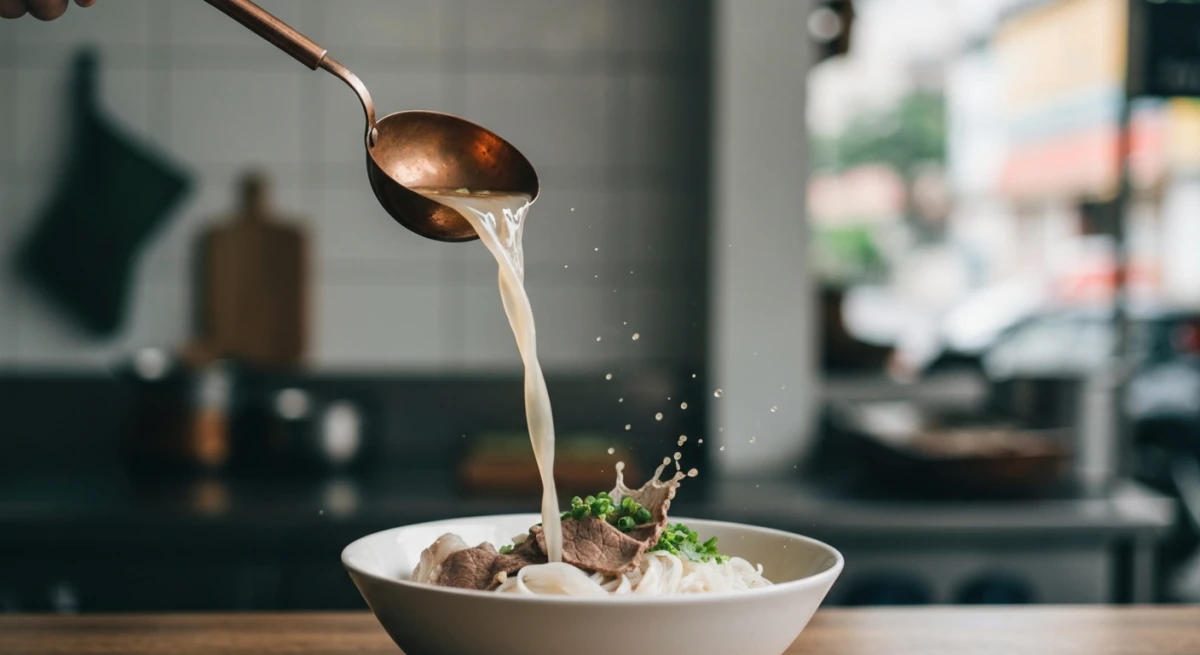
If you are planning a trip to Central Vietnam, discovering the absolute must try food in danang is likely at the very top of your itinerary. Often overshadowed by the historic imperial kitchens of Hue and the lantern-lit streets of Hoi An, Da Nang’s culinary scene is a powerhouse in its own right. The city stands as a vibrant coastal crossroads where rugged mountains meet the East Sea, resulting in a rich, deeply satisfying gastronomic identity. Here, traditional recipes are elevated by access to daily ocean catches, fertile soil from nearby river deltas, and bold, punchy central Vietnamese spices.
Whether you are looking for a quick bite from a steaming street-side cart or an extensive seafood feast at a lively beachside tavern, Da Nang has something to captivate every traveler. In this comprehensive guide, we will walk you through the iconic local specialties, hidden culinary corners, authentic food markets, and the best local joints that have been feeding generations of locals. Get ready to dive deep into a world of complex broths, crispy textures, and unforgettable dipping sauces.
1. The Hall of Fame: Da Nang’s Most Iconic Local Dishes
Unlike the subtler, black-pepper-forward dishes of Hanoi in the north or the sweeter profiles of Ho Chi Minh City in the south, Da Nang's food is intensely savory, beautifully textured, and relies heavily on aromatic herbs and fiery chilis. Here are the core dishes that represent the absolute best of local Da Nang cuisine.
Mì Quảng (Quang-Style Noodles)
If there is one single dish that defines Da Nang and the surrounding Quang Nam province, it is Mì Quảng. This is not your average noodle soup. Instead of a bowl brimming with broth, Mì Quảng consists of thick, wide, hand-cut rice noodles (often tinted a vibrant yellow with turmeric) nestled over a crisp bed of banana blossoms, lettuce, coriander, and mint. It is moistened with just a concentrated ladleful of highly savory, slow-simmered bone broth, then crowned with your choice of pork, shrimp, boiled quail eggs, chicken, or even braised frog. To finish, it is sprinkled with toasted peanuts, chopped scallions, and served with a crispy, sesame-flecked rice cracker (bánh tráng nướng).
- How to eat it: Break up the sesame rice cracker, toss it directly into the bowl, add a squeeze of fresh lime, and mix everything together. The magic lies in the interplay of the crunchy cracker, the chewy noodle, and the crisp, raw vegetables.
- Best spot to try: Mì Quảng Bà Vị (166 Lê Đình Dương St, Hải Châu District) or Nu Đồ (11/1 3 Tháng 2, Hải Châu District).
- Price: 30,000 to 55,000 VND ($1.20 – $2.20 USD) per bowl.
Bánh Xèo (Sizzling Crispy Crepes) & Nem Lụi (Lemongrass Pork Skewers)
While Bánh Xèo can be found throughout Vietnam, Central Vietnamese Bánh Xèo is distinctly smaller, thicker, and far crispier than its southern counterpart. The batter—made of rice flour, coconut milk, and turmeric—is poured into screaming-hot, small cast-iron pans, resulting in a blistered, golden crust. It is typically filled with bean sprouts, green onions, pork, and small river shrimp. It is almost always paired with Nem Lụi—succulent, finely minced pork skewers wrapped around lemongrass stalks and grilled over smoking charcoal.
- How to eat it: This is a hands-on experience. Place a sheet of dry rice paper on your hand, lay down leafy greens (mustard leaves, lettuce, and mint), add a slice of cucumber and green banana, place a piece of crispy Bánh Xèo (and a Nem Lụi skewer, sliding the meat off the stick), and roll it tightly. Dip it generously into the accompanying thick, warm dipping sauce made of peanuts, pork liver pâté, and soy sauce.
- Best spot to try: Bánh Xèo Bà Dưỡng (K280/23 Hoàng Diệu St, Hải Châu District—tucked away at the very end of a narrow, buzzing alleyway).
- Price: 25,000 to 80,000 VND ($1.00 – $3.25 USD) depending on the quantity ordered.
Bún Chả Cá (Fish Cake Noodle Soup)
Being a major maritime port, Da Nang excels at transforming the ocean’s bounty into comfort food. Bún Chả Cá is a classic breakfast and lunch option. The broth is light, sweet, and tangy, slow-cooked for hours with fish bones, pumpkin, pineapple, tomato, cabbage, and sweet bamboo shoots. The star of the dish is the variety of fish cakes (chả cá), which are made from minced mackerel, featherback fish, or catfish, seasoned with black pepper and garlic, and either steamed or deep-fried to a bouncy perfection.
- How to eat it: Elevate your bowl by adding a spoonful of fermented shrimp paste (mắm tôm), pickled red onions, a squeeze of lime, and a handful of raw herbs.
- Best spot to try: Bún Chả Cá Bà Hờn (113/3 Nguyễn Chí Thanh St, Hải Châu District) or Bún Chả Cá Bà Phiến (63 Lê Hồng Phong St, Hải Châu District).
- Price: 35,000 to 50,000 VND ($1.40 – $2.00 USD).
Bánh Tráng Cuốn Thịt Heo (Pork Belly Wrapped in Rice Paper)
This dish is a masterclass in simplicity and fresh ingredients. It features paper-thin slices of boiled pork belly that showcase an intriguing cut of meat: a layer of fat and meat bounded by skin on both sides (achieved by clever boiling techniques). It is served with a massive platter of fresh herbs, wild greens, cucumber slices, and green bananas, alongside a stack of dry rice paper and wet noodle sheets.
- How to eat it: Moisten the rice paper slightly if needed (often a thin, wet noodle sheet is placed on top of the dry rice paper first). Pile on the array of herbs, lay a slice of pork across, and roll it up. The defining element is the dipping sauce: mắm nêm, a pungent, thick fermented anchovy sauce balanced with crushed pineapple, lime juice, chili, and sugar. It is intense, funky, and absolutely delicious.
- Best spot to try: Quán Trần (04 Lê Duẩn St, Hải Châu District) or Quán Đại Lộc (97 Trưng Nữ Vương St, Hải Châu District).
- Price: 70,000 to 150,000 VND ($2.80 – $6.00 USD) per portion.
Cháo Vịt (Duck Porridge)
For a comforting evening meal, locals head straight for a steaming bowl of Cháo Vịt. Unlike standard rice porridges, the rice grains are often roasted dry before being slow-simmered in a rich broth boiled from local duck breeds (historically sourced from the nearby Cam Nam Island). This creates a velvety, nutty porridge infused with savory fat. It is typically served with a plate of tender, poached duck meat and a vibrant salad of shaved cabbage, banana flower, coriander, and sweet-and-sour ginger fish sauce (nước mắm gừng).
- Best spot to try: Quán Nhân (83 Phan Tứ St, Mỹ An Ward, Ngũ Hành Sơn District—a Michelin Guide Bib Gourmand winner).
- Price: 40,000 to 100,000 VND ($1.60 – $4.00 USD).
Bún Mắm Nêm (Noodles with Fermented Fish Sauce)
If you want to experience the boldest flavor profile Da Nang has to offer, Bún Mắm Nêm is an absolute necessity. A dry noodle dish, it features cold rice vermicelli, crispy roasted pork belly (heo quay), boiled pork ear, or beef jerky, layered with chopped herbs, young papaya strips, peanuts, and fried shallots. The entire dish is doused in a generous ladle of mắm nêm (fermented fish sauce). It is pungent, spicy, salty, and slightly sweet all at once.
- Best spot to try: Bún mắm nêm Bé Thui Cô Thảo (K21/11 Nguyễn Văn Thoại St, Ngũ Hành Sơn District) or Bún Mắm Nêm Bà Đông (141 Huỳnh Thúc Kháng St, Hải Châu District).
- Price: 30,000 to 45,000 VND ($1.20 – $1.80 USD).
Bánh Bèo, Bánh Nậm, & Bánh Lọc (Central Vietnamese Steamed Rice Cakes)
Influenced heavily by the imperial culinary traditions of nearby Hue, these delicate steamed rice cakes are local favorites for afternoon snacks.
- Bánh Bèo consists of small, shallow porcelain dishes containing steamed rice flour batter topped with savory minced shrimp, crispy pork skin (tóp mỡ), and scallion oil.
- Bánh Nậm is a flat rice flour paste spread thinly on banana leaves, topped with minced shrimp and pork, and steamed.
- Bánh Lọc is a chewy, translucent tapioca dumpling stuffed with whole caramelized shrimp and pork belly, wrapped in banana leaves and steamed.
- How to eat them: Drizzle a sweet, light, chili-infused fish sauce over the cakes and spoon them straight from the dish or banana leaf.
- Best spot to try: Quán Quê Hương (441 Núi Thành St, Hải Châu District).
- Price: 20,000 to 40,000 VND ($0.80 – $1.60 USD) per plate.
2. Ocean to Table: Mastering the Da Nang Seafood Experience
No trip to this coastal paradise is complete without experiencing the local "nhậu" culture—the Vietnamese art of drinking cold beer while grazing on incredibly fresh, highly seasoned seafood. The seafood restaurants in Da Nang range from massive, open-air beachside venues with fluorescent lights to hidden, hyper-local alleyway institutions.
At these spots, you won't find traditional menus. Instead, you walk up to massive rows of bubbling, aerated water tanks containing live clams, scallops, crabs, lobsters, octopuses, and reef fish. You point to what you want, specify the weight (usually priced per kilogram), and choose your preferred cooking method.
Crucial Cooking Styles to Know
- Nướng Mỡ Hành (Scallion Oil & Peanuts): Grilled over open charcoal with fragrant scallion oil and crushed roasted peanuts. This is phenomenal for scallops, oysters, and clams.
- Hấp Sả (Lemongrass Steaming): Steamed with bruised lemongrass stalks, ginger, and chili. This is perfect for keeping crabs, shrimp, and sweet snails fresh, juicy, and naturally sweet.
- Rang Me (Tamarind Sauté): Stir-fried in a thick, sticky, sweet, and sour tamarind sauce. It is highly recommended for mud crabs and small sea snails.
- Sốt Bơ Tỏi (Garlic Butter Sauce): Tossed in a rich garlic butter sauce, served with crispy Vietnamese baguettes (bánh mì) for dipping. This is great for sweet snails (ốc hương).
Where to Go
- Hải Sản Năm Đảnh (The Ultimate Local Alley Gem): Tucked deep within a labyrinth of residential alleyways near the Son Tra Peninsula (K139/H59/38 Trần Quang Khải St, Thọ Quang Ward), this chaotic, massive open-air venue is constantly packed with locals. It is famous for serving highly consistent, fresh, and deeply flavorful seafood with most standard dishes priced flatly at around 60,000 to 90,000 VND ($2.40 – $3.60 USD). Try their octopus in spicy sauce (bạch tuộc sốt cay) and sweet snails sautéed with garlic butter.
- Hải Sản Bé Mặn (The Coastal Powerhouse): Located right on the bustling beach strip (Lô 11 Võ Nguyên Giáp St, Mân Thái Ward), Bé Mặn is an absolute institution. It is loud, chaotic, and high-energy. While it is more expensive than the alleyway spots, the sheer turnover guarantees that your seafood was swimming in the ocean just hours prior. Choose live clams steamed with lemongrass or charcoal-grilled prawns.
3. Da Nang’s Bustling Food Markets: Where to Snack on a Budget
If you want to sample multiple dishes in one single setting without walking all over town, Da Nang's local markets are your ultimate playground. Each market has its own distinct personality, hours, and specialty stalls.
Con Market (Chợ Cồn) — The Street Food Capital
- Vibe: High-energy, chaotic, and local.
- When to go: 3:00 PM to 6:00 PM (when the street food lane opens).
- What to expect: Located in the heart of the city (at the intersection of Ông Ích Khiêm and Hùng Vương), Con Market is a sensory overload. The indoor food court is packed with tiny stalls, while the outdoor lanes host vendors carrying heavy baskets of food. Walk down the narrow paths and pull up a low plastic stool. Here, you can try sweet soup desserts (chè), savory steamed tapioca dumplings served in small porcelain dishes, grilled pork skewers, and spicy snails.
Han Market (Chợ Hàn) — Tourist-Friendly Center
- Vibe: Highly accessible, clean, and centrally located.
- When to go: 9:00 AM to 4:00 PM.
- What to expect: Situated near the Han River Bridge, this two-story French-era market is highly accessible. While the ground floor is known for dry goods, coffee, and souvenirs, it features a small, clean food court. It's a great, non-intimidating starting point for first-time visitors to try classic bowls of Mì Quảng, Bun Cha Ca, or crispy spring rolls at clearly marked prices.
Son Tra Night Market (Chợ Đêm Sơn Trà) — Vibrant Nightlife
- Vibe: Fun, lively, and tourist-heavy.
- When to go: 6:00 PM to 10:30 PM.
- What to expect: Located right at the foot of the iconic Dragon Bridge, this market lights up every evening. It is dominated by rows of stalls selling giant grilled seafood skewers, lobster halves slathered in cheese, rolled ice cream, and modern street snacks. It’s perfect for grazing before watching the Dragon Bridge breathe fire and water on weekend nights.
Helio Night Market (Chợ Đêm Helio) — Modern & Clean Food Park
- Vibe: Clean, family-friendly, organized, with live music.
- When to go: 5:30 PM to 10:30 PM.
- What to expect: Unlike traditional wet markets, Helio is a clean, sprawling food park with dedicated seating, live music stages, and a wide variety of domestic and international food stalls. It’s a great spot to grab local draft beers, skewered meats, grilled oysters, and traditional Vietnamese street foods in a highly hygienic, relaxed setting.
4. Culinary Etiquette: Food Safety, Ordering, and Local Customs
To truly enjoy eating like a local in Da Nang, it helps to understand some of the unwritten rules and cultural quirks of dining in Central Vietnam.
- The Herb Platter is Sacred: In Da Nang, fresh herbs are not just a garnish; they are an essential component of the meal. You will be served a massive bowl of lettuce, mint, perilla, fish mint, and banana blossoms with almost every savory dish. They are washed thoroughly, and they help balance out the rich, oily, or spicy elements of the food. Don't be shy about adding them directly to your noodles or wrapping them into your rolls.
- The Napkin Culture: Do not be shocked to find what looks like cut-up toilet paper rolls or rough, small square tissues on the tables. This is the standard napkin in casual local eateries. Furthermore, the floor under the tables is often littered with discarded tissues, lime wedges, and wooden chopsticks. While this might look messy, it is actually a sign of a high-volume, popular local spot—staff sweep the floor clean periodically, but during peak hours, it's just the local custom.
- Understanding "Trà Đá": When you sit down, you will often be offered a glass of light amber liquid with ice. This is trà đá (iced jasmine tea). It is extremely cheap (typically 2,000 to 5,000 VND, or sometimes free) and serves as the perfect, neutral palate cleanser between rich bites.
- Food Safety Tips: Worried about your stomach? The best rule of thumb is to look for high-turnover stalls. If a local vendor is surrounded by a sea of parked motorbikes and a crowd of hungry locals waiting to eat, the ingredients are guaranteed to be fresh and fully rotated daily. Stick to fully cooked dishes or piping hot broths, and opt for bottled water or ice from commercially produced cylindrical tubes (with holes in the middle), which are safe to consume.
- How to Pay: At casual street stalls, there are no printed bills. Simply catch the attention of the owner or head staff, gesture toward your table, and say "Tính tiền" (pronounced "ting tee-an"). They will tally up your dishes and give you a total. Keep cash on hand, preferably in smaller denominations (10,000, 20,000, and 50,000 VND notes), as street vendors often struggle to break large 500,000 VND bills.
5. Frequently Asked Questions (FAQ)
Is street food in Da Nang safe for tourists?
Yes, overall street food in Da Nang is highly hygienic and safe. Because the city has a high volume of local diners, food turnover is fast, meaning ingredients don't sit out for long. To be safe, eat at busy stalls, make sure hot dishes are served steaming, and drink bottled water.
What is the average cost of food per day in Da Nang?
Da Nang is incredibly budget-friendly. You can easily eat three delicious, filling meals at local street stalls and casual restaurants for 100,000 to 150,000 VND ($4.00 – $6.00 USD) per day. If you include a high-end seafood dinner, budget around 300,000 to 500,000 VND ($12.00 – $20.00 USD).
What is the single most famous dish I must try in Da Nang?
Without a doubt, it is Mì Quảng. This half-soup, half-salad noodle dish represents the absolute soul of Central Vietnamese culinary history and cannot be missed.
Are there vegetarian or vegan options available in Da Nang's local food scene?
Yes! Da Nang has a thriving Buddhist community, which means "chay" (vegetarian/vegan) restaurants are plentiful. Look for signs that say "Quán Chay." You can find incredible plant-based versions of Mì Quảng, Bún Huế, and crispy spring rolls at local spots like Loving Vegan or Chickpea Eatery. Additionally, many locals eat vegetarian food on the 1st and 15th of every lunar month, so street stalls will often offer special vegetarian menus on those days.
Do I need to tip at restaurants in Da Nang?
Tipping is not customary or expected at casual street food stalls or local restaurants in Da Nang. However, in mid-to-high-end Western restaurants or for exceptional service at a seafood joint, a tip of 5-10% is highly appreciated.
6. Conclusion
Eating your way through Da Nang is more than just satisfying your hunger—it is an immersion into the history, geography, and heart of Central Vietnam. From the complex, textured crunch of a fresh bowl of Mì Quảng to the chaotic fun of cracking open fresh crabs in a hidden alleyway seafood joint, the city's food scene is as diverse as it is delicious. Armed with this guide, you are ready to bypass the tourist traps, sit down on those iconic tiny plastic stools, and experience the incredible world of local flavors. Bon appétit, or as they say in Vietnam, Chúc ngon miệng!