Hanoi is a sensory whirlwind. It is a city where life is lived entirely on the sidewalks, backdropped by a chaotic symphony of motorbike honks, French colonial architecture, and the rich, irresistible aroma of charred meat wafting from roadside grills. If you are planning a trip to Vietnam’s capital, you are likely chasing its legendary culinary scene. To truly experience this historic city, you need a curated roadmap of the absolute must try food hanoi has to offer. Unlike the sweeter, herb-heavy dishes of Southern Vietnam, Northern Vietnamese cuisine is characterized by its refined balance, savory profiles, and a deep appreciation for purity of flavor. In this comprehensive guide, we will take you on an immersive culinary journey through the city’s historic streets, uncovering the essential dishes, the historic backstories, and the exact spots where locals—not just tourists—line up daily.
The Philosophy of Northern Vietnamese Cuisine
Before diving into the dishes, it is vital to understand what makes Hanoi’s food culture so unique. Hanoians are deeply proud of their culinary heritage. The flavors here are delicate and subtle, relying on fresh ingredients, black pepper, and fish sauce rather than heavy chilies or sugar. This is the birthplace of many of Vietnam's most famous national dishes, refined over centuries of domestic adaptation, Chinese sovereignty, and French colonization. Eating here is an active, communal ritual. You do not just sit and wait to be served; you squeeze onto a tiny blue plastic stool, customize your broth with garlic vinegar and fresh lime, and watch your meal being cooked inches from your knees.
1. The Legendary Noodle Bowls of the Capital
Noodles are the backbone of Hanoi’s daily diet, but a simple bowl of soup here is the result of decades of family recipe refinement.
Pho Bo & Pho Ga (Traditional Beef and Chicken Noodle Soup)
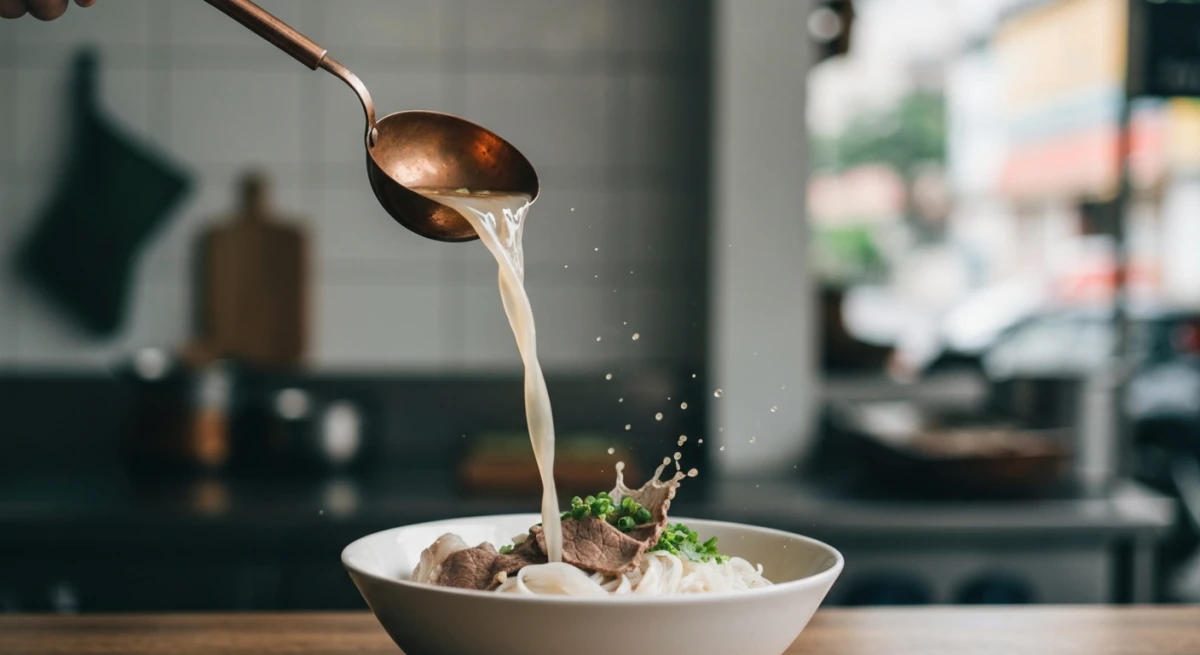
No culinary exploration of Hanoi can begin anywhere else. Pho is more than a dish; it is a national institution. In Hanoi, the broth is clear, pristine, and intensely aromatic, spiced lightly with charred ginger, star anise, cinnamon, and black cardamom. Unlike its southern counterpart, northern pho is served without bean sprouts or sweet hoisin sauce—doing so would mask the delicate clarity of the broth. Instead, locals opt for a squeeze of fresh lime, a few slices of bird’s eye chili, and a dash of homemade garlic vinegar.
To achieve this level of flavor, local chefs boil beef marrow bones for up to twelve hours, meticulously skimming the fat to keep the liquid transparent. The noodles are fresh, flat rice sheets (banh pho), topped with thin slices of raw beef that cook instantly in the boiling broth (pho tai), or slow-simmered brisket (pho chin).
- How to Eat It: Order a side of quay (savory fried dough sticks). Dip them into the hot broth until they soften slightly, allowing them to absorb the rich beef or chicken essence before taking a bite.
- Where to Get It:
- Pho Gia Truyen (49 Bat Dan, Hoan Kiem): Famous for its wood-fired broth and tender beef slices. Be prepared to stand in line; this spot has been a local legend for generations.
- Pho Ga Nguyet (5 Phu Doan, Hoan Kiem): If you prefer chicken, this Michelin-selected spot serves the finest shredded chicken pho in the city, available as a soup (pho nuoc) or mixed dry (pho tron).
Bun Cha (Grilled Pork Noodles)
If Pho is Hanoi's soul, Bun Cha is its lunchtime obsession. This dish features charcoal-grilled pork patties (cha vien) and caramelized pork belly slices (cha mieng) submerged in a warm, sweet-savory dipping broth made of fish sauce, vinegar, sugar, and lime. It is served with a mountain of cold rice vermicelli noodles (bun) and a basket of fresh herbs (perilla, mint, and lettuce).
The magic lies in the charcoal grilling process. Vendors fan the coals on the sidewalk, infusing the pork with a distinct smoky flavor that cuts through the sweet and sour broth. The broth itself is studded with thin, crunchy slices of pickled green papaya and kohlrabi.
- The Obama Connection: While many tourists flock to Bun Cha Huong Lien (where Anthony Bourdain and President Barack Obama famously dined), locals often prefer smaller, neighborhood joints where the charcoal smoke fills the air and the pork cheek is grilled to absolute caramelized perfection.
- How to Eat It: Grab a small bunch of noodles, dip them directly into the warm broth containing the pork, add a handful of herbs, and eat everything in one harmonious bite. Do not pour the broth over the noodles; the noodles must be dipped.
- Where to Get It:
- Tuyet Bun Cha 34 (34 Hang Than, Ba Dinh): Tucked away near the Old Quarter, this family-run gem serves incredibly juicy pork patties and a perfectly balanced dipping broth.
- Bun Cha Dac Kim (1 Hang Manh, Hoan Kiem): Known for its generous portions and crispy crab spring rolls (nem cua be) served alongside the pork.
Bun Rieu Cua (Crab and Tomato Noodle Soup)
For a complex, tangy flavor explosion, seek out Bun Rieu. This noodle soup features a vibrant reddish broth made from a tomato base and freshwater paddy crabs. The crabs are pounded shell-and-all to create a rich, savory paste that forms fluffy clouds of crab meat floaters in the soup. It is typically served with fried tofu, congealed pig's blood, beef slices, and banana flower shavings.
The broth's sourness is derived from giam bong (a local rice wine byproduct) or tamarind, giving it a bright, refreshing taste that is particularly popular during Hanoi’s humid summer months.
- Where to Get It:
- Bun Rieu Trang (40 Hang Tre, Hoan Kiem): A beloved street stall where the broth strikes the perfect balance between sour wine vinegar and savory crab shell depth.
2. Street Food Staples of the Old Quarter
Hanoi’s Old Quarter, with its maze of 36 historic streets, is a living, breathing food court. Here are the finger foods and light bites that define its culinary pulse.
Banh Cuon (Steamed Rice Rolls)
Banh Cuon is the ultimate Hanoian breakfast. Watch in awe as the vendor pours a thin ladle of fermented rice batter onto a tightly stretched cloth over a pot of boiling water. Within seconds, a delicate, translucent sheet forms. It is gently lifted off with a bamboo stick, filled with minced pork and crunchy wood ear mushrooms, rolled up, and topped with a generous handful of crispy fried shallots.
The texture of Banh Cuon should be silk-smooth and incredibly light. It requires incredible culinary dexterity to spread and lift the thin sheets without tearing them.
- How to Eat It: It is served with a side of warm fish sauce dipping liquid (sometimes flavored with a drop of ca cuong, a giant water bug essence that adds a unique floral aroma) and slices of Vietnamese pork sausage (cha lua). Dip the delicate rolls into the sauce before eating.
- Where to Get It:
- Banh Cuon Ba Xuan (16 Hoe Nhai, Ba Dinh): Renowned for the incredibly silk-like texture of its rice sheets and perfectly seasoned pork filling.
Banh Mi (The Vietnamese Baguette)
While Ho Chi Minh City is famous for its massive, meat-laden banh mi, Hanoi’s version is more minimalist and balanced, focusing on the quality of the warm, crispy baguette, house-made liver pâté, a smear of mayonnaise, cucumber slices, fresh coriander, and a drizzle of sweet-and-spicy chili sauce.
The bread itself is lighter and fluffier than a traditional French baguette, with an incredibly thin, crackly crust that shatters when you bite into it.
- Avoiding the Tourist Traps: Many travel blogs recommend Banh Mi 25, but it has adapted heavily to western palates, stripping away some of the traditional punchy flavors. For a deeply authentic experience, seek out spots that offer the classic northern style or the decadent Banh Mi Sot Vang (baguette dipped in a rich, French-inspired beef red wine stew).
- Where to Get It:
- Banh Mi Lan Ong (20 Lan Ong, Hoan Kiem): Famous for its incredibly rich, velvety liver pâté that melts into the warm bread.
- Banh Mi Tram (30 Dinh Liet, Hoan Kiem): Go here for the legendary Banh Mi Sot Vang, where you break off pieces of the crusty bread and dip it into a thick, warming beef stew.
Pho Cuon & Pho Chien Phong (The Truc Bach Specialties)
If you venture slightly north of the Old Quarter to Truc Bach Island, you will discover a completely different side of Hanoi's noodle culture. Here, chefs reinvented the classic pho ingredients into dry, street-style delicacies.
- Pho Cuon (Rolled Pho): Uncut sheets of fresh rice noodles are used like spring roll wrappers to encase stir-fried beef, garlic, and fresh herbs. They are served cold and dipped in a sweet-and-sour fish sauce.
- Pho Chien Phong (Deep-Fried Pho): Squares of fresh rice noodle sheets are deep-fried until they puff up into crispy, hollow golden pillows. They are then smothered in a rich, gravy-like stir-fry of beef, mustard greens, and carrots.
- Where to Get It:
3. The Legendary Northern Masterpieces
Some dishes in Hanoi are so legendary they require their own dedicated cookware, dining style, and sometimes even their own street names.
Cha Ca (Turmeric Dill Fish)
Cha Ca is so revered in Hanoi that an entire street in the Old Quarter (Pho Cha Ca) was renamed in its honor. This dish consists of chunks of firm white fish (traditionally hemibagrus, a type of catfish) marinated in turmeric, galangal, and garlic. The fish is brought to your table raw and pan-fried right in front of you in a sizzling skillet filled with a mountain of fresh dill and spring onions.
As the herbs wilt in the hot oil, they release an incredible aroma that infuses the fish. It is a interactive theatrical dining experience that you won't find anywhere else in Vietnam.
- The Shrimp Paste Dilemma: Authentic Cha Ca is eaten with mam tom (a pungent, fermented purple shrimp paste whipped with lime juice, sugar, and chili until frothy). If the smell is too intimidating, you can always ask for standard fish sauce (nuoc mam), though purists will argue you are missing half the magic.
- How to Eat It: Place a small nest of rice vermicelli in your bowl, add a piece of the sizzling, herb-coated fish, throw in some toasted peanuts, drizzle a spoonful of the hot turmeric oil from the pan, add a splash of shrimp paste, and mix.
- Where to Get It:
- Cha Ca Thang Long (6B Duong Thanh, Hoan Kiem): A fantastic establishment that maintains exceptional quality control, fresh herbs, and stellar service in a comfortable setting.
- Cha Ca La Vong (14 Cha Ca, Hoan Kiem): The historic birthplace of the dish, though some locals feel the service and consistency have slipped due to its extreme popularity.
Bun Ca (Fish Noodle Soup)
For a lesser-known but utterly delicious noodle experience, Bun Ca is a must. This soup features a golden, sour broth made from fish bones, tomatoes, and dill. It is loaded with crispy, deep-fried chunks of river fish, soft rice noodles, and a variety of seasonal greens like water spinach or mustard greens. The contrast between the crunchy fish skin and the steaming, tangy broth is unforgettable.
- Where to Get It:
- Bun Ca Sam Cay Si (5 Ngo Trung Yen, Hoan Kiem): Hidden deep within a narrow alleyway in the Old Quarter, this tiny spot serves a spectacular bowl of fish soup alongside crispy fish cakes (cha ca) wrapped in wild betel leaves.
4. The Sweet & Caffeinated Finish
No meal in Hanoi is complete without diving into the city's legendary coffee and dessert culture. Because of historical milk shortages, Hanoi became incredibly creative with its beverages.
Cafe Trung (Egg Coffee)
Egg coffee is a true liquid dessert and a non-negotiable must try food hanoi experience. Created in 1946 by Nguyen Van Giang, a bartender at the Sofitel Legend Metropole Hotel who ran out of fresh milk during the First Indochina War, this drink features a shot of intense Vietnamese robusta coffee topped with a thick, velvety custard made from whisked egg yolks, condensed milk, and honey.
The result is a rich, warm, and comforting beverage that tastes remarkably like liquid tiramisu or a warm sabayon.
- How to Eat It: It is typically served sitting in a bowl of warm water to keep the coffee hot. Use a spoon to taste the creamy custard top first, then slowly stir the dark, bitter coffee up from the bottom to create a rich harmony.
- Where to Get It:
- Cafe Giang (39 Nguyen Huu Huan, Hoan Kiem): The birthplace of the drink. Navigating the narrow, dim hallway leads to a bustling two-story cafe filled with low wooden stools and the sound of egg whisks.
- Cafe Dinh (13 Dinh Liet, Hoan Kiem): Run by Giang’s daughter, this hidden, rustic balcony cafe overlooking Hoan Kiem Lake offers a slightly stronger, less sweet version favored by local artists and students.
Caramen (Banh Flan / Caramel Custard)
A sweet relic of French colonial rule, Vietnamese caramen is a silky-smooth egg custard topped with a bitter-sweet dark caramel sauce. In Hanoi, locals put a tropical twist on this classic dessert by serving it on plates surrounded by jelly cubes, jackfruit slices, coconut milk, and crushed ice.
- Where to Get It:
- Minci Caramen (82 Nguyen Truong To, Ba Dinh): The absolute gold standard for caramel custard in Hanoi. Their classic caramen and coconut-infused variations are unmatched in silky texture.
5. Street Food Etiquette and Safety Secrets
Navigating Hanoi’s street food scene can be intimidating for first-time visitors. To eat like a seasoned local and keep your stomach happy, follow these expert rules of the road:
- Follow the Crowds (The 7:00 PM Rule): If a stall is packed with locals sitting elbow-to-elbow on plastic stools at peak dining hours, the food is safe. High customer turnover means the ingredients are bought fresh daily and have not been sitting out in the humid air.
- Inspect the Utensils: Hanoi can be dusty. It is customary to take a paper napkin from the table, squeeze a bit of fresh lime juice onto it, and wipe down your chopsticks and spoon before diving into your meal.
- Master the Condiment Tray: Do not eat your soup exactly as it arrives. Taste the broth first, then customize it. Add a splash of garlic vinegar (giam toi) for acidity, a squeeze of fresh lime for brightness, or a teaspoon of homemade chili sauce (tuong ot) for heat.
- Embrace the Plastic Stool: Yes, they are small, and yes, your knees will be near your chest. This sidewalk culture is an essential part of the dining experience. It is casual, fast, and brings you closer to the heartbeat of the city.
- Carry Small Cash: Most street food vendors do not accept credit cards. Keep a stack of small-denomination Vietnamese Dong (10,000, 20,000, and 50,000 VND notes) handy. Paying with a 500,000 VND bill at a small street stall is considered poor etiquette as they may not have change.
FAQ: Essential Questions About Eating in Hanoi
Q: Is street food in Hanoi safe to eat? A: Yes, street food in Hanoi is generally safe and highly hygienic compared to many other developing culinary destinations. Because dishes are prepared right in front of you and cooked at high temperatures (sizzling woks, boiling broths, hot grills), bacteria are destroyed. Stick to busy stalls with high local turnover, and avoid raw shellfish or unpeeled fruits from street carts.
Q: What is the most famous street food in Hanoi? A: While Pho is the most famous internationally, Bun Cha (grilled pork vermicelli) is arguably the most beloved must try food hanoi offers for lunch. It represents the quintessential Hanoian lunch experience.
Q: Do I need to tip at local restaurants in Hanoi? A: Tipping is not a traditional custom in Vietnam, especially at street food stalls or casual local eateries. However, in mid-to-high-end restaurants or if you receive exceptional service from a tour guide, a small tip (around 5-10%) is highly appreciated.
Q: How do I order food if I don't speak Vietnamese? A: Most street food stalls in Hanoi specialize in only one or two dishes. Often, there is no menu—you simply walk in, hold up your fingers to indicate how many portions you want, and sit down. Pointing at what other customers are eating is also a perfectly acceptable and effective way to order.
Conclusion
Hanoi is a city that reveals its true character through its plates. From the steam rising off a morning bowl of Pho on a cold winter day to the smoky aroma of Bun Cha grilling on a hot summer afternoon, the food here is an unforgettable journey of textures, temperatures, and flavors. Squeeze onto that plastic stool, raise a glass of local draft beer (bia hoi), and dive into the absolute best culinary treasures this historic city has to offer. Your appetite will thank you.


