The Beat of the Sidewalk: Saigon’s Street Food Revolution
To step onto the streets of Ho Chi Minh City—still affectionately known to locals and travelers alike as Saigon—is to enter one of the most vibrant, chaotic, and intoxicating culinary arenas on the planet. Here, the hum of millions of motorbikes serves as the background rhythm to a city-wide symphony of sizzling woks, bubbling cauldrons, and clinking glasses. In this southern metropolis, food is not merely nourishment; it is a shared public ritual, a testament to familial survival, and a deeply democratic art form practiced on low plastic stools.
When the netflix street food ho chi minh episode of the critically acclaimed docuseries Street Food: Asia (Season 1, Episode 7) originally aired, it captured the global imagination by shining a cinematic spotlight on this humble pavement culture. Rather than focusing on high-end, air-conditioned dining rooms, the show celebrated the "local heroes" who have spent decades perfecting a single, transcendent dish on the city's concrete pathways.
However, while the documentary beautifully captured the human struggles, emotional triumphs, and sensory beauty of Saigon's culinary scene, it notoriously left out the practical details. Travelers arrived in Vietnam eager to taste Mrs. Truoc's legendary snails or sink their teeth into a warm, crispy baguetted masterpiece, only to get lost in the labyrinth of Saigon's alleys (hẻm).
This comprehensive guide is designed to close those gaps. Whether you are planning a dedicated culinary pilgrimage or a casual weekend exploration, this is your updated, highly actionable roadmap to finding, ordering, and enjoying the legendary vendors featured on the netflix street food ho chi minh episode. We have verified the exact locations, operational hours, price ranges, and subtle local etiquette so you can eat like a seasoned local.
1. Mrs. Truoc’s Snail Stall (Ốc Trước): The Queen of District 1’s Alleyways
In Saigon, eating snails (ăn ốc) is not just a meal; it is an entire social subculture. When night falls, groups of friends gather around low tables to gossip, drink cold local beer, and discard mounds of shells onto the ground. The Netflix episode placed this beloved ritual front and center through the story of Thái Thị Kim Phượng, widely known as Mrs. Truoc (or the "Snail Lady").
The Story Behind the Stall
Mrs. Truoc’s story is the emotional heart of the Saigon episode. Faced with severe economic hardship and the daunting task of raising her children as a struggling mother, she turned to the only culinary legacy she possessed: a single recipe for mud creeper snails cooked in sweet coconut milk (ốc len xào dừa), taught to her by her father. Armed with nothing but a portable gas stove, a charcoal grill, and relentless determination, she established a tiny stall in a District 1 alleyway. Today, her business is a thriving local institution, proving that street food can be a powerful engine of upward mobility.
What to Order
While Mrs. Truoc started with just one dish, her menu has expanded significantly. Every morning, she and her husband head to the massive Bình Điền wholesale market to hand-select the freshest shellfish.
- Ốc Len Xào Dừa (Mud Creeper Snails in Coconut Sauce): This is the legendary dish that started it all. The small, spiral-shelled snails are simmered in a rich, sweet, and aromatic coconut cream infused with lemongrass and Vietnamese coriander (rau răm).
- Ốc Hương Rang Muối Ớt (Sweet Snails with Spicy Salt): Succulent sweet snails tossed in a dry, fiery coating of chili and sea salt.
- Nghêu Hấp Sả (Steamed Clams with Lemongrass): Plump, juicy clams steamed in a light, refreshing broth of lemongrass, ginger, and fresh chilies. It’s clean, spicy, and incredibly restorative.
Local Etiquette: How to Eat "Oc"
Eating small snails requires a bit of technique. For the ốc len xào dừa, you do not use utensils. Instead, you cover the opening with your lips, suck firmly from the bottom hole of the shell to break the vacuum, and then inhale from the top to slide the snail out, followed immediately by a spoonful of the sweet coconut sauce. For larger snails, the stall provides small safety pins or two-pronged metal forks to pry the sweet meat from its calcium home.
Location & Practical Details
- Address: Alley 171 (or 169) Cô Bắc, Phường Cô Giang, Quận 1, Ho Chi Minh City.
- Opening Hours: 10:00 AM – 2:00 PM, Monday to Friday (Closed Saturdays and Sundays).
- Crucial Insider Tip: Unlike 95% of snail stalls in Saigon which only open after sunset, Mrs. Truoc operates exclusively during the lunchtime window. Because she cooks in small, fresh batches, the most popular snail varieties often sell out by 12:30 PM. Arrive by 11:00 AM to guarantee a full menu selection.
- The Seating Deal: The small plastic tables and chairs are shared with an adjacent drink stall. It is expected local etiquette to order a fresh sugar cane juice (nước mía) or an iced green tea (trà đá) from the drink vendor in exchange for using the seating.
- Price: 35,000 VND to 60,000 VND ($1.50 - $2.50 USD) per plate.
2. Bánh Mì Bảy Hổ: A 90-Year-Old Legacy in a Single Baguette
Few dishes command global culinary reverence quite like the Vietnamese bánh mì. Born from the fusion of French colonial ingredients (baguettes, pâté, mayonnaise) and vibrant Vietnamese flavors (cilantro, pickled daikon, fresh chilies, savory meats), the perfect bánh mì is a masterclass in contrasting textures and balanced flavors.
Three Generations of Craft
Long before it was catapulted to international fame by Netflix, Bánh Mì Bảy Hổ was already a legend in Saigon's historic Đa Kao neighborhood. Founded in the 1930s by Mr. Tý, the humble street cart has been operating from the exact same street corner for over 90 years. Now managed by his grandson, Huỳnh Quốc Dũng, the stall remains fiercely loyal to the family’s original, closely guarded recipes.
The Secret to the Perfect Crunch
While tourist-heavy spots like Bánh Mì Huỳnh Hoa are famous for being heavily stuffed, meat-centric monsters, Bánh Mì Bảy Hổ is celebrated for its perfect balance and airy crunch.
- The Pâté: Unlike mass-produced commercial pâtés, Bảy Hổ’s pork liver pâté is homemade daily. It is steamed rather than baked, resulting in an incredibly smooth, velvety texture with a deeply savory, slightly sweet flavor profile that serves as the sandwich’s soul.
- The Bread: The baguettes are sourced from a neighborhood bakery and delivered warm multiple times an hour. They are characterized by an ultra-thin, crackly crust and an airy, feather-light interior.
- The Meat & Glaze: The cart features slow-cooked char siu pork, savory homemade meatballs (xíu mại), and seasoned pork floss. Instead of simple maggi seasoning, they brush the interior of the bread with a rich, caramelized soy-based reduction that ties all the elements together.
What to Order
Ask for the Bánh Mì Thịt Nguội (the classic mixed cold cut sandwich) with "đầy đủ" (everything). This ensures you get a perfect layer of pâté, homemade butter-mayonnaise, sliced pork meats, pickled cucumbers, fresh cilantro, long spears of green onion, and a kick of fiery bird's eye chili.
Location & Practical Details
- Address: 19 Huỳnh Khương Ninh, Phường Đa Kao, Quận 1, Ho Chi Minh City.
- Opening Hours: 1:30 PM – 8:00 PM daily.
- Crucial Insider Tip: There is virtually no seating here; it is a classic grab-and-go street cart. During the peak after-school and after-work rush (4:30 PM – 6:30 PM), the street corner becomes congested with motorbikes pulling up to order. If you want to avoid the chaos, order during the mid-afternoon (2:00 PM – 4:00 PM) or use the GrabFood mobile app to have it delivered directly to your hotel.
- Price: 15,000 VND to 25,000 VND ($0.60 - $1.00 USD) – making it one of the most affordable high-quality sandwiches in District 1.
3. Phở Miến Gà Kỳ Đồng: The Ultimate Chicken Noodle Symphony
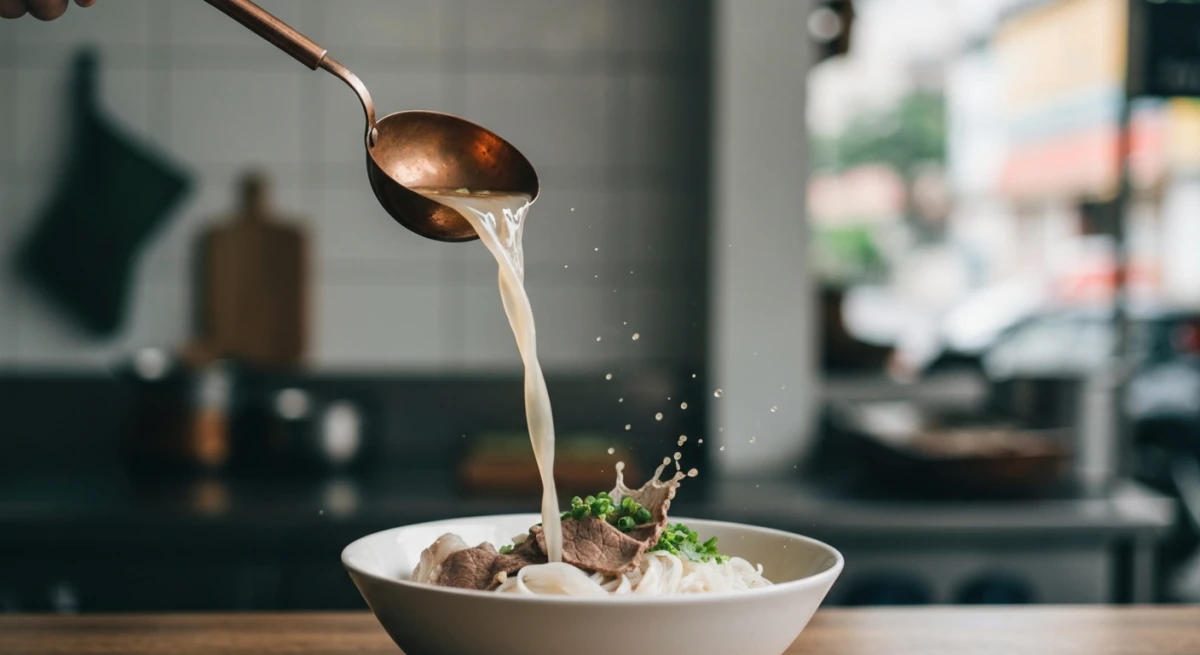
While beef pho (phở bò) often gets the lion's share of international attention, chicken pho (phở gà) is a delicate, aromatic masterpiece that showcases the absolute purity of Vietnamese broth-making.
A Northern Tradition in a Southern Landscape
Run by Anh Manh, Phở Miến Gà Kỳ Đồng represents a fascinating chapter in Vietnam’s culinary history. Following the end of the war in 1975, Manh's parents migrated from Northern Vietnam (Hanoi) to the South, bringing their treasured, clean-tasting Northern-style chicken broth recipes with them. They opened a humble stall on Kỳ Đồng street, which has since evolved into a massive, bustling dining hall that operates with the mechanical efficiency of a culinary factory.
The Science of the Broth
Southern-style beef pho is known for its heavy spices and sweet, robust profile. In contrast, the chicken broth at Kỳ Đồng is a masterclass in clarity and subtlety. Simmered for hours using massive quantities of chicken bones, charred ginger, and sweet shallots, the broth is skimmed constantly to ensure it remains crystal-clear, clean, and naturally sweet without relying on artificial flavorings.
What to Order
- Phở Gà (Chicken Pho): Flat, silky rice noodles bathed in steaming chicken broth, topped with a generous portion of shredded chicken. You can specify if you prefer lean breast meat (ức), juicy thigh meat (đùi), or a mix of both with the golden, crispy skin intact.
- Miến Gà (Chicken Glass Noodle Soup): A local favorite that utilizes slippery, translucent mung bean glass noodles (miến). The glass noodles absorb the delicate chicken broth beautifully, offering a completely different textural experience.
- Gỏi Gà (Chicken Cabbage Salad): If you are dining with a group, order a side of their shredded cabbage salad tossed with sweet-and-sour fish sauce, fresh herbs, and boiled chicken, topped with crushed peanuts.
How to Dress Your Bowl
Northern-style pho is traditionally eaten with minimal interference to appreciate the broth's purity. However, because this is Saigon, your table will be laden with a massive basket of fresh herbs (sawtooth herb, sweet basil, rice paddy herb), fresh lime wedges, sliced chilies, and hoisin sauce. The local way is to take a small side dish, mix hoisin and sriracha, and dip the pieces of chicken directly into the sauce rather than squirting the sauces directly into the delicate broth.
Location & Practical Details
- Address: 14/5Bis Kỳ Đồng, Phường 9, Quận 3, Ho Chi Minh City.
- Opening Hours: 5:00 AM – 10:00 PM daily.
- Crucial Insider Tip: The restaurant is tucked away in a quiet alley off the main Kỳ Đồng street, but it is massive and easy to find. Look for the large yellow sign and the army of staff wearing matching shirts. Despite having seating for well over a hundred diners, it gets incredibly crowded during breakfast (7:00 AM – 9:00 AM) and dinner (6:00 PM – 8:00 PM). Sit near the front prep counter to watch the chefs assemble bowls in seconds.
- Price: 50,000 VND to 75,000 VND ($2.00 - $3.00 USD) per bowl.
4. Cơm Tấm Kim Ngân: The Quintessential Soul Food of Saigon
If Hanoi is the spiritual home of pho, Saigon is undeniably the capital of cơm tấm (broken rice). To understand the soul of Ho Chi Minh City's working class, one must understand the history of this humble plate.
The Rags-to-Riches Story of Broken Rice
"Cơm" means rice, and "tấm" refers to the fractured, broken grains of rice that were historically rejected during the milling process. Because these broken grains could not be sold on the export market, poor farmers and blue-collar laborers in the Mekong Delta and Saigon began cooking them for their own meals. They discovered that the smaller, broken grains had a unique, soft texture that absorbed savory sauces far better than whole grains.
Over the decades, this survival food underwent a cultural migration. It moved from the rural fields onto the grimy street corners of Saigon, eventually finding its way into luxury restaurants. Today, it is beloved by everyone from billionaires to cyclo drivers.
The Anatomy of the Perfect Plate
Cơm Tấm Kim Ngân, located in District 10, is celebrated for keeping the traditional, no-frills spirit of the dish alive. A standard plate here is an edible work of art:
- The Charcoal-Grilled Pork Chop (Sườn Nướng): The undisputed star. Thin pork chops are marinated in a sweet, savory glaze of lemongrass, garlic, shallots, honey, and fish sauce, then grilled over open wood charcoal. The smoke infuses the meat with an irresistible char.
- The Steamed Egg Meatloaf (Chả Trứng): A dense, savory cake made of minced pork, wood-ear mushrooms, glass noodles, and eggs, steamed to perfection with a bright yellow egg-yolk glaze on top.
- The Shredded Pork Skin (Bì): Thinly sliced pork skin tossed with toasted rice powder (thính), providing a nutty aroma and a chewy, gelatinous texture contrast.
- The Toppings: A generous ladle of green scallion oil (mỡ hành) and crispy deep-fried pork lard pork fat, accompanied by sweet-and-sour pickled daikon and carrot.
- The Sauce (Nước Mắm Ngọt): The critical component. This is a thick, syrupy, garlic-and-chili-infused sweet fish sauce. Every vendor's sauce is a highly guarded secret.
How to Eat It Like a Saigonese
Do not eat the components separately. Spoon the sweet chili fish sauce generously over the entire plate of rice and pork. Cut the pork chop with your spoon and fork, mix a bit of the rice, egg cake, and pickle into a single bite, and enjoy the explosion of smoky, sweet, savory, and tangy flavors.
Location & Practical Details
- Address: 368 Lê Hồng Phong, Phường 1, Quận 10, Ho Chi Minh City.
- Opening Hours: 6:00 AM – 9:00 PM daily.
- Insider Tip: The sweet smell of caramelized pork fat dripping onto red-hot charcoal bills out onto the street, making this spot impossible to miss. If you want the absolute best experience, visit during the morning hours when the grill is at its busiest and the pork chops are served piping hot straight from the embers.
- Price: 40,000 VND to 65,000 VND ($1.60 - $2.60 USD) depending on the combination of toppings.
Navigating the Sidewalk: Practical Tips for Your Self-Guided Tour
Embarking on a self-guided netflix street food ho chi minh tour is one of the most rewarding adventures you can have in Vietnam, but it requires a bit of street smarts. Keep these practical tips in mind to ensure a seamless and delicious journey:
1. Master the Grab App
Do not try to walk between these four locations; Saigon’s heat, humidity, and lack of continuous sidewalks make walking long distances exhausting. Instead, download the Grab app (the Southeast Asian equivalent of Uber) before you arrive. You can easily book a "GrabBike" (riding on the back of a local's scooter, helmet provided) or a "GrabCar" (air-conditioned vehicle) for safe, incredibly cheap, and hassle-free navigation. Traveling by GrabBike is also the ultimate way to experience the city's pulsing energy.
2. Keep Cash in Small Denominations
None of the street food vendors featured on the Netflix show accept credit cards or international digital wallets. Always carry Vietnamese Dong (VND) in cash. Keep plenty of small bills—10,000 VND, 20,000 VND, and 50,000 VND—handy. If you try to pay for a 20,000 VND bánh mì with a 500,000 VND bill, the vendor may not have enough change.
3. Street Food Hygiene: Stay Safe
Many first-time visitors worry about "Saigon belly." However, the street vendors featured in this guide have incredibly high food turnover rates due to their immense popularity. Because the ingredients are prepared fresh daily and cooked at high temperatures (sizzling charcoal grills, boiling broth, high-heat woks) right in front of you, they are often safer than tourist-oriented restaurants where food sits in refrigerators. To be safe, drink bottled water, use the wet wipes (khăn lạnh) provided on the tables, and look for stalls crowded with local families.
4. Embrace the "Low Plastic Stool" Culture
Dining on the sidewalk means letting go of your personal space and dining expectations. Tables are often shared with strangers, the traffic rushes by just inches from your back, and the stools are incredibly low to the ground. Embrace it! This casual, unpretentious environment is where the real community of Saigon is built.
Netflix Street Food Ho Chi Minh: Frequently Asked Questions
Are the vendors from the Netflix show still open in 2026?
Yes, all four main vendors featured in the Ho Chi Minh City episode (Mrs. Truoc's Snails, Banh Mi Bay Ho, Pho Mien Ga Ky Dong, and Com Tam Kim Ngan) are still open and thriving. In fact, their inclusion in the docuseries has cemented their status as culinary landmarks, ensuring a steady stream of both locals and international travelers.
Is Mrs. Truoc's snail stall safe for foreigners who have never eaten snails?
Absolutely. Mrs. Truoc’s stall is exceptionally clean, and the seafood is sourced fresh from the market every single morning. If you are hesitant about eating snails, start with her steamed clams (nghêu hấp sả) or grilled scallops (sò điệp nướng mỡ hành), which have a highly familiar texture and flavor, before moving on to the spiral mud creeper snails.
Why are the hours for Mrs. Truoc's snail stall so short?
Unlike most snail stalls that operate as late-night drinking spots, Mrs. Truoc cooks out of a residential alley and serves the local office workers, market vendors, and residents during their lunch break. She opens from 10:00 AM to 2:00 PM on weekdays because she prepares everything fresh daily in limited quantities. Once her fresh catch for the day is gone, she closes up.
Which vendor is the easiest to visit for a first-time traveler?
Phở Miến Gà Kỳ Đồng is the most accessible for first-timers. It is a large, established indoor-outdoor dining hall with printed menus, plenty of seating, an English-friendly ordering process, and consistent daily hours (5:00 AM to 10:00 PM).
How does Southern-style street food differ from Northern-style?
Southern Vietnamese cuisine (native to Saigon and the Mekong Delta) tends to be sweeter, bolder, and heavily incorporates fresh coconut milk, sweet chili, and sugar cane. It is also characterized by a massive variety of fresh, raw herbs served on the side. Northern cuisine (from Hanoi) is much more delicate, prioritizing pure, clear broths, balanced saltiness, and minimal spice.
Conclusion: The Soul in the Bowl
What makes the netflix street food ho chi minh experience so unforgettable is that it offers more than just a delicious meal—it offers an intimate connection to the living history of Saigon. When you sit on a blue plastic stool at Banh Mi Bay Ho or navigate the narrow alley to find Mrs. Truoc, you are participating in a legacy of resilience, family, and culinary devotion that has survived decades of rapid modernization.
These street corners are the true equalizers of Ho Chi Minh City. Here, wealthy entrepreneurs park their luxury Vespas right next to delivery drivers, sitting shoulder-to-shoulder to enjoy the exact same bowl of chicken noodles or plate of broken rice. By escaping the polished tourist enclaves and diving headfirst into the chaotic, aromatic world of Saigon’s sidewalks, you will discover the real heartbeat of this magnificent city—one delicious, smoky, sweet-and-sour bite at a time.