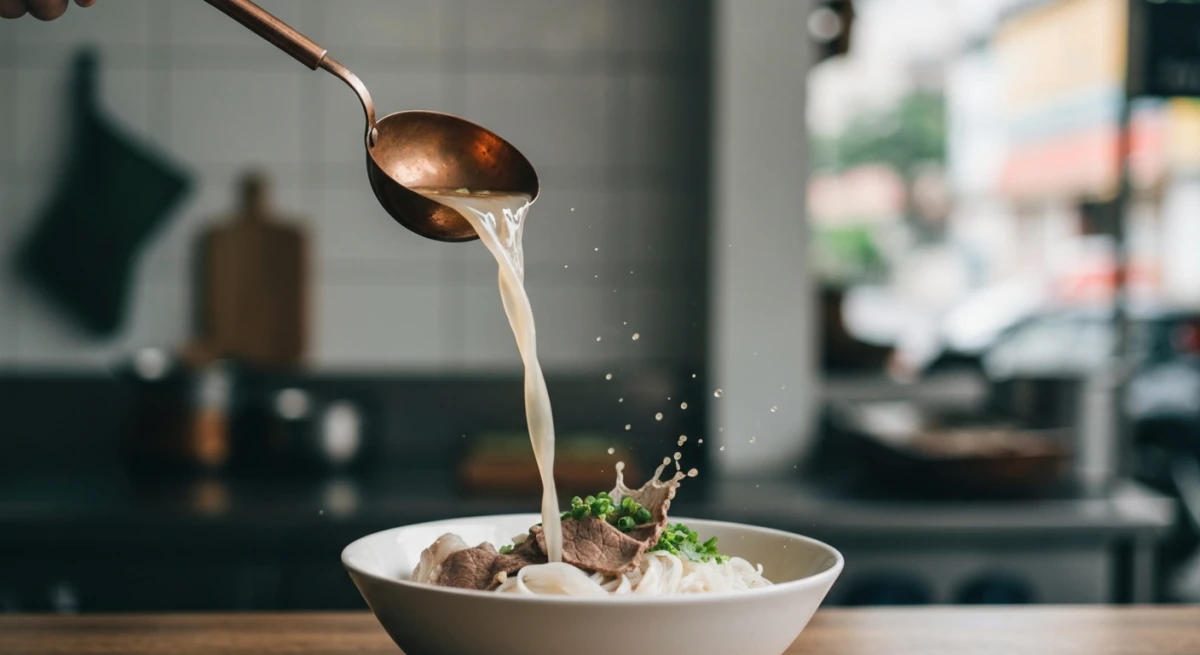
As the sun sets over the ancient city of Hanoi, a magical transformation occurs. The dense daytime heat gives way to a cooling breeze, the yellow-painted colonial facades glow under warm street lamps, and the city's legendary culinary underbelly wakes up. If you want to truly understand the heart of Vietnam's capital, you must experience it through your taste buds. A hanoi night food tour is the ultimate gateway to this world, pulling you away from sterile tourist restaurants and placing you onto the low plastic stools where culinary magic has been perfected over generations.
In this comprehensive guide, we will walk you through what makes Hanoi's evening food scene so iconic, compare guided experiences to DIY adventures, map out the perfect 5-stop self-guided itinerary, and share the local food safety secrets that will keep your stomach happy throughout your trip.
Why a Guided Hanoi Night Food Tour Beats Going Solo
For first-time visitors, stepping into the chaotic streets of Hanoi’s Old Quarter at 6:00 PM can feel like stepping onto a sensory battlefield. Hundreds of motorbikes weave through narrow lanes, street vendors shout their daily specials, and the intoxicating aroma of charcoal-grilled pork mixes with the humid evening air. It is thrilling, but it can also be incredibly overwhelming.
While you can certainly wander the streets and pick stalls at random, booking a guided hanoi night food tour offers distinct advantages that a solo traveler simply cannot replicate.
1. Access to the "Hidden" Alleyway Food Scene
Many of Hanoi's most famous culinary institutions are completely invisible from the main streets. They are tucked deep down dark, narrow alleys (called ngõ) that look like private residential entryways. A local guide knows exactly which alley to turn down to find a four-table stall operating out of a family's living room, serving a recipe that has remained unchanged since the French colonial era.
2. The Power of Curation and the "One-Dish" Specialist
In the West, we are used to restaurants with multi-page menus. In Hanoi, the best street food spots do exactly one thing, and they do it perfectly. One stall might only make bánh cuốn (steamed rice rolls), while another down the street only serves bún chả (grilled pork). On a guided tour, your itinerary is curated to sequence these dishes in a logical culinary progression—starting with light appetizers, moving to heavy savory mains, cleansing the palate with salads, and finishing with rich desserts.
3. Cultural Context and Storytelling
Do you know why Vietnamese street food stalls use tiny plastic stools that sit barely six inches off the ground? It isn't just a quirky aesthetic. Historically, these low stools allowed vendors to quickly pack up their entire setup and flee if municipal authorities came to clear the sidewalks. Sitting low to the ground also fosters an egalitarian dining culture where everyone—from high-earning businessmen to local construction workers—sits shoulder-to-shoulder. A guide brings these cultural nuances to life, turning a simple meal into an educational journey.
Here is a quick look at how a guided tour compares to a DIY night food crawl:
| Feature | Guided Hanoi Night Food Tour | DIY Street Food Crawl |
|---|---|---|
| Navigation | Effortless; follow your local expert guide through hidden shortcuts | Challenging; heavy reliance on Google Maps in narrow signal-blocking alleys |
| Language Barrier | None; the guide orders, explains ingredients, and customizes spice levels | High; ordering specialized dishes often requires hand gestures or translation apps |
| Hygiene Filtering | High; guides only visit vetted vendors with high ingredient turnover | Variable; risky if you do not know how to spot clean ice or fresh meat |
| Cost | Mid-range ($20 - $45 USD inclusive of all food and drinks) | Budget-friendly ($10 - $15 USD for individual dish payments) |
| Cultural Insights | Deep; learn the history of the families and dishes | Low; limited to visual observation |
The Ultimate 5-Stop Hanoi Night Food Tour Itinerary
If you do choose to forge your own path, or simply want to know what to expect on a professional tour, this curated 5-stop itinerary covers the essential flavors of Hanoi's night street food scene. It moves from delicate starters to smoky mains, refreshing sides, and a legendary liquid dessert.
Stop 1: Bánh Cuốn (Delicate Steamed Rice Rolls)
- What it is: Paper-thin sheets of fermented rice batter filled with minced wood ear mushrooms and seasoned ground pork, topped with a generous sprinkle of crispy fried shallots.
- The Experience: Watching the cook make bánh cuốn is half the joy of eating it. They sit before a massive, boiling metal pot over which a piece of white cloth is tightly stretched. With practiced ease, they ladle a thin layer of rice batter onto the cloth, cover it with a lid for precisely five seconds, and lift off a translucent, delicate crepe using a long bamboo stick.
- How to eat it: Dip the warm rolls into the accompanying bowl of warm, mild fish sauce (nước chấm), which is infused with lime, garlic, chili, and sometimes a drop of cà cuống (giant water bug essence, which adds a unique anise-like floral aroma). Eat it alongside slices of chả lụa (Vietnamese pork sausage).
Stop 2: Bún Chả (Charcoal-Grilled Pork with Rice Noodles)
- What it is: Hanoi's defining culinary masterpiece. It features smoky, caramelized pork patties and strips of fatty pork belly grilled over hot charcoal, served submerged in a warm, sweet-and-sour dipping broth alongside cold rice vermicelli noodles (bún) and a mountain of fresh herbs.
- The Experience: Long before you see the storefront, you will smell the sweet, savory smoke of pork fat dripping onto red-hot coals. This is the dish made internationally famous when the late Anthony Bourdain shared a meal of bún chả with former US President Barack Obama on a low blue plastic stool in Hanoi.
- How to eat it: Do not dump all your noodles into the broth at once, as they will get soggy. Instead, grab a bite-sized portion of noodles with your chopsticks, dip them into the warm pork-filled broth, grab a piece of smoky meat and a leaf of fresh perilla or mint, and enjoy the perfect contrast of hot, cold, sweet, savory, and herbaceous textures.
Stop 3: Nộm Bò Khô (Tangy Green Papaya Salad with Beef Jerky)
- What it is: A vibrant, crunchy salad of shredded green papaya and carrot, topped with chewy spiced beef jerky, sweet beef lung, fresh herbs (like purple perilla and Vietnamese balm), roasted peanuts, and a sweet-tangy dressing.
- The Experience: After the rich, fatty goodness of the bún chả, this salad acts as the ultimate palate cleanser. It is incredibly refreshing, balancing the heat of Hanoi's nights with its crisp texture and cool temperature.
- How to eat it: Use your chopsticks to thoroughly mix the salad from the bottom up, ensuring every shred of papaya is coated in the sweet-sour dressing and peanut crumble.
Stop 4: Nem Rán & Bia Hơi (Fried Spring Rolls and Fresh Draft Beer)
- What it is: Golden-brown, crispy fried spring rolls stuffed with minced pork, glass noodles, wood ear mushrooms, and bean sprouts (nem rán), washed down with a cold glass of Bia Hơi—the world's cheapest fresh draft beer.
- The Experience: Head to the iconic "Bia Hoi Corner" (at the intersection of Ta Hien and Luong Ngoc Quyen streets) as the night heats up. Locals and travelers sit on tiny plastic stools spilling out onto the tarmac. The beer is brewed fresh daily without preservatives, delivered in metal kegs each morning, and served ice-cold for about 8,000 to 11,000 VND (roughly 35 to 45 US cents) per glass.
- How to eat it: Order a plate of piping-hot fried spring rolls or some grilled pork skewers to share. Dip the crispy rolls into a sweet-chili dipping sauce, take a bite, and immediately follow it with a deep draught of the light, bubbly, refreshing Bia Hoi. It is the quintessential social experience of Hanoi.
Stop 5: Cà Phê Trứng (The Famous Egg Coffee)
- What it is: A thick, rich, velvet-smooth layer of sweetened egg yolk whipped with condensed milk, poured over a shot of intense, dark Vietnamese robusta coffee.
- The Experience: Often described as "liquid tiramisu" or "coffee custard," this legendary drink was invented in the 1940s by Mr. Nguyen Giang during a severe fresh milk shortage caused by the French war. He substituted whisked egg yolks for milk, creating a masterpiece that became a global phenomenon.
- How to eat it: Seek out a hidden cafe like Cafe Giảng (the birthplace of the drink down a long alley on Nguyen Huu Huan street) or Cafe Đinh. The coffee is served sitting in a bowl of warm water to maintain its temperature. Use a small spoon to taste the sweet, fluffy custard meringue on top first, then gently stir the dark coffee from the bottom to create a rich, balanced blend of bitter and sweet.
Navigating Dietary Restrictions and Food Safety
One of the biggest concerns travelers have when booking a hanoi night food tour is food safety and how to handle dietary restrictions. Street food has a reputation for being risky, but with a few professional strategies, you can indulge with absolute confidence.
Street Food Safety: The Local Rules of Thumb
- Look for High Turnover: The safest street food stalls are those packed with local families. High crowds mean the ingredients are flying out of the kitchen and onto plates, leaving no time for meats or seafood to sit in the warm air.
- Inspect the Ice: A common myth is that travelers should avoid all ice in Vietnam. Today, almost all urban stalls in Hanoi buy factory-made ice cubes that are perfectly safe. These cubes are cylindrical with a hollow hole in the center. Avoid crushed ice, ice chipped off large blocks on the ground, or ice in rural areas.
- Check the Cooking Station: Choose stalls where you can see the food being cooked right in front of you. Boiling broths (like pho) or foods cooked straight over hot coals (like bun cha) are naturally sterilized by the heat.
- Chopstick Etiquette: Before using the chopsticks at your table, wipe them down with a fresh paper napkin. Many locals also dip the tips of their chopsticks into a small squeeze of fresh lime juice at the table to sanitize them.
Dining with Dietary Restrictions in Hanoi
| Restriction | Level of Difficulty | Tips & Phrases to Know |
|---|---|---|
| Vegetarian / Vegan | Moderate | Look for the word "Chay" (which means vegetarian/Buddhist food). Standard tours are highly meat-centric, so booking a dedicated "Hanoi Vegetarian Street Food Tour" is highly recommended. Always clarify: "Tôi ăn chay" (I eat vegetarian) and "Không có nước mắm" (No fish sauce). |
| Gluten-Free | Easy to Moderate | Vietnamese cuisine is highly rice-based (rice noodles, rice papers, rice flour crepes). Dishes like phở, bánh cuốn, and bún are naturally gluten-free. However, be cautious of soy sauce used in marinades (especially for grilled meats) and fried items that may share oil with wheat-battered foods. Use the phrase: "Tôi không ăn bột mỳ" (I don't eat wheat flour). |
| Seafood Allergies | Hard | Fish sauce (nước chấm) is the salty backbone of almost every single dish in Hanoi, even those containing pork or beef. If you have a severe, anaphylactic fish or shellfish allergy, street food can be highly risky. You must communicate clearly: "Dị ứng hải sản" (Allergic to seafood) and "Dị ứng nước mắm" (Allergic to fish sauce). |
Seasonal Eating: Summer vs. Winter Food Scenes
Unlike southern Vietnam, which remains tropical year-round, Hanoi experiences four distinct seasons, including a cold, misty winter. The culinary landscape of the city shifts dramatically depending on the temperature, a detail that many general travel guides completely overlook.
The Sizzling Summer Scene (May to October)
During the hot, humid summer months, daytime temperatures can soar above 38°C (100°F). As a result, the night food scene is all about cooling down.
- What locals eat: Light, cold dishes dominate. You will see crowds flocking to stalls serving phở trộn (cold dry-mixed noodles with chicken, fresh herbs, and soy-based dressing) rather than hot noodle soups.
- The Vibe: Bia Hoi corners are packed to the brim, and sweet dessert soups called Chè (made with crushed ice, coconut milk, jelly, and sweet beans) are the go-to sweet treat to beat the tropical heat.
The Cozy Winter Scene (November to March)
When the Siberian winds sweep down into northern Vietnam, winter temperatures in Hanoi can drop to a chilly 10°C (50°F). Combined with high humidity and mist, the cold feels biting, and the street food scene adapts beautifully to keep people warm.
- What locals eat: This is the golden era for steaming, heavy broths. It is the perfect time to try Bánh Đúc Nóng—a thick, warm, savory rice pudding topped with minced pork, wood ear mushrooms, fragrant fried shallots, and fresh cilantro, served in a pool of hot sweet-savory fish sauce broth. Charcoal-grilled corn and sweet potato stalls pop up on every corner, and families gather around sidewalk hotpots (Lẩu), cooking meats and vegetables together over portable gas stoves.
- The Vibe: Sitting low to the ground next to a hot coal grill or a bubbling pot of pho broth feels incredibly comforting, making a winter food tour an exceptionally cozy experience.
Practical Tips for Your Evening Food Tour
To ensure your evening street food tour is nothing short of perfect, keep these highly practical, boots-on-the-ground tips in mind:
- Dress for Low Seating: Leave the tight jeans, short dresses, or restrictive skirts back at your hotel. You will be sitting on low plastic stools that require you to bend your knees fully. Opt for loose-fitting shorts, breathable pants, or comfortable midi/maxi dresses that allow for easy sitting.
- Wear Closed-Toe Walking Shoes: Hanoi's sidewalks are a chaotic mix of parked motorbikes, wet areas near cooking stations, and uneven paving stones. Flip-flops are risky; comfortable sneakers or sturdy walking sandals protect your feet and give you the stability you need to navigate the crowds.
- Carry Cash (Vietnamese Dong): Street food vendors do not accept credit cards, Apple Pay, or foreign currencies. Ensure you have small denominations of Vietnamese Dong (VND) on hand, such as 10,000, 20,000, and 50,000 VND bills. Handing a street vendor a 500,000 VND bill for a 20,000 VND dish is highly discouraged as they rarely have enough change.
- Skip Lunch: This is not a drill. A proper food tour will feature anywhere from 5 to 8 distinct stops. Even though the individual portions may look small, the cumulative effect of rice noodles, grilled meats, and sweet desserts will leave you incredibly full. Pace yourself and don't feel pressured to finish every single bite at the early stops.
- Embrace the Wet Wipes: Street food stalls rarely have running water or soap available for customers. Always pack a small travel pack of wet wipes and hand sanitizer in your pocket to clean your hands before and after eating.
Frequently Asked Questions
How much does a Hanoi night food tour cost?
A typical small-group guided hanoi night food tour ranges from $20 to $45 USD per person. This price is highly inclusive, covering all food dishes, drinks (including local beer and egg coffee), and the services of an English-speaking local guide. Private custom tours or vintage motorbike/Vespa food tours can range from $50 to $95 USD.
What time do evening street food tours typically start?
Most night food tours start between 5:30 PM and 6:00 PM and last for roughly 3 to 3.5 hours. This timing aligns perfectly with when local street vendors open their evening kitchens and when the streets of the Old Quarter begin to buzz with local life.
Is street food in Hanoi safe for kids?
Yes, but with planning. Stick to thoroughly cooked, hot dishes like fried spring rolls (nem rán), grilled meats, or hot noodle soups, which are very safe. Steer clear of raw vegetables, spicy chili pastes, and icy desserts for children with sensitive stomachs. A private food tour is highly recommended for families so you can set your own pace and select kid-friendly dishes.
Can I do a street food tour if I am vegetarian?
Absolutely, but you must be proactive. Standard Hanoi street food relies heavily on pork, beef, and fish sauce. If you want to experience the authentic vibe of street food without the meat, look specifically for a specialized "vegetarian street food tour" or use local apps like HappyCow to map out a DIY crawl of Hanoi's excellent Buddhist vegetarian (Chay) restaurants.
Conclusion
There is no better way to break down the cultural barriers of a new country than by sitting on a low plastic stool, surrounded by the hum of motorbikes, while sharing a bowl of smoky, sweet-and-sour grilled pork. A hanoi night food tour is far more than just a culinary tasting; it is an intimate window into the history, resilient spirit, and daily life of the Hanoian people. Whether you choose to follow an expert local guide into the hidden, winding alleys of the Old Quarter or craft your own evening tasting itinerary, the bold, contrasting flavors of Hanoi's street food are guaranteed to be the absolute highlight of your Vietnamese adventure. Pack your appetite, wear your walking shoes, and prepare to fall in love with Hanoi, one bite at a time.