The seductive aroma of charred meats drifting through Hanoi's ancient alleyways is an iconic part of the city's charm. But for vegetarian and vegan travelers, navigating this pork-and-beef-loving street food capital can feel intimidating. Many traditional Vietnamese dishes rely heavily on bone broths, fish sauce (nước mắm), pork fat (mỡ lợn), and shrimp paste (mắm tôm). However, hidden behind the smoky street-side grills lies one of the world's most sophisticated, ancient, and delicious plant-based food cultures.
A vegetarian food tour hanoi style is the ultimate key to unlocking this culinary treasure trove. In this comprehensive, expert-crafted guide, we will show you why a dedicated vegetarian street food tour is essential, explore the absolute best plant-based dishes you must try, and provide a complete self-guided itinerary to conquer Hanoi's food scene safely, ethically, and deliciously.
Why a Guided Vegetarian Food Tour in Hanoi is a Game Changer
For many travelers, traveling through Vietnam as a vegetarian means playing a frustrating game of culinary roulette. You might point to a menu, say the word "no meat," and receive a steaming bowl of soup that looks perfectly safe—only to find out later that the broth was simmered with beef bones for twelve hours, or that the savory dressing is loaded with fish sauce.
This is where a guided vegetarian food tour hanoi becomes indispensable. Here is why hiring a local expert is the single best decision you can make for your stomach and peace of mind:
1. Decoding Hidden Non-Vegetarian Ingredients
Vietnamese cuisine is famous for its balance of sweet, sour, salty, and savory flavors. Often, that savory depth (umami) is achieved through invisible animal products. Traditional cooks use chicken-flavor powder (bột nêm) to season vegetable stir-fries, fry everything in pork lard (mỡ lợn) rather than vegetable oil, and use fish sauce (nước mắm) as the baseline for almost every dipping sauce. A professional local food guide knows exactly which questions to ask, ensuring every single bite is prepared with soy sauce, mushroom-based seasonings, and pure vegetable oils.
2. Access to Authentic, Hidden "Quán Chay"
While trendy, modern vegan cafes are popping up across Hanoi's West Lake (Tây Hồ) district, the most authentic vegetarian street food is found in the narrow alleys of the Old Quarter. These spots, known as "quán chay" (vegetarian eateries), are often run by multi-generational families or Buddhist devotees. They rarely have English signs, website listings, or reviews on Western travel blogs. A guided tour bridges this gap, taking you down residential alleys to hidden street stalls where you can sit on tiny plastic stools and eat side-by-side with local Hanoians.
3. Cultural and Culinary Context
A great food tour isn't just about eating; it's about understanding. A local guide can explain the deep connections between Vietnamese Mahayana Buddhism and the local plant-based diet. They can share stories about Hanoi's history, the French colonial influences on Vietnamese cuisine (such as the baguette in bánh mì and the coffee culture), and how local families prepare traditional feasts. You will learn how to properly assemble your herbs, how to customize dishes to your spice preference, and how to eat like a true local.
The Ultimate Hanoi Vegetarian Street Food Checklist
If you are ready to explore, these are the essential dishes that must be included in any proper Hanoi vegetarian food itinerary. These plant-based masterworks prove that cutting out meat doesn't mean sacrificing flavor.
1. Phở Chay (Vegetarian Pho)
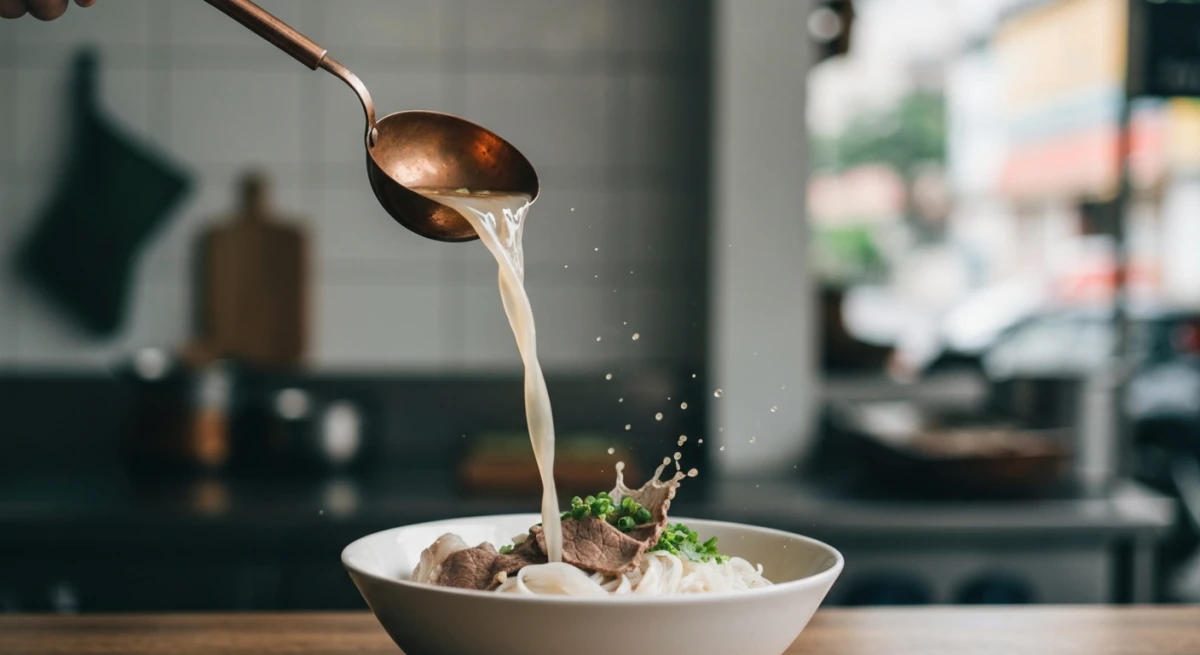
No trip to Vietnam is complete without pho, but traditional pho broth is highly meat-centric. To create phở chay, skilled vegetarian chefs must perform culinary magic. Instead of boiling beef or chicken bones, they simmer a rich, aromatic broth using charred onions, shallots, and fresh ginger, combined with cinnamon sticks, star anise, cloves, black cardamom, and coriander seeds. To give the broth natural sweetness and depth, they slow-boil vegetables like daikon, carrots, pears, apples, and sugarcane.
The resulting soup is light, fragrant, and incredibly complex. It is served over flat rice noodles, topped with thick slices of marinated braised tofu, fresh oyster mushrooms, wood ear mushrooms, and plant-based "mock meats" made from wheat gluten (mì căn). Finish it with a mountain of fresh cilantro, green onions, a squeeze of fresh lime, and a splash of spicy garlic vinegar.
Where to find it: Quán Phở Chay Anh Hai (located in a quiet alley near Hoan Kiem Lake) is legendary for its deep, flavorful broth, which many locals swear is better than the meat version.
2. Bánh Mì Chay (Vegetarian Baguette)
The iconic Vietnamese sandwich gets a spectacular plant-based makeover. Traditional bánh mì is layered with pork liver pâté, mayonnaise, cold cuts, and pork ham. To make it vegetarian-friendly, vendors substitute these heavy components with brilliant plant-based alternatives.
A great bánh mì chay starts with a warm, incredibly crispy baguette. It is spread with a savory, homemade mushroom-and-lentil-based pâté and a touch of vegan mayonnaise. It is then stuffed with marinated lemongrass tofu, seasoned seitan, fresh cucumber slices, cilantro, and a tangy pickle of daikon radish and carrots. The entire sandwich is finished with a drizzle of sweet-and-spicy soy sauce.
Where to find it: Head to Bánh Mì Chay Vegan in the Old Quarter for a 100% vegan street stall experience that serves multiple variations of this classic sandwich.
3. Bánh Cuốn Chay (Steamed Rice Rolls)
Bánh cuốn is a northern Vietnamese specialty that is famously difficult to make. The chef spreads a thin, fermented rice batter over a piece of tightly stretched fabric over a pot of boiling water. Within seconds, it steams into a delicate, paper-thin sheet.
While the classic version is rolled around minced pork, the vegetarian version (bánh cuốn chay) is filled with minced wood ear mushrooms, jicama, and fried tofu. The delicate rolls are slid onto a plate, cut into bite-sized pieces, and generously topped with crispy, golden-fried shallots. It is served with a sweet, tangy, and slightly spicy dipping sauce made of soy sauce, lime juice, vinegar, and fresh chili, perfectly replacing the traditional fish sauce dip.
4. Bún Riêu Chay (Vegetarian Sour Tomato & Noodle Soup)
Traditional bún riêu is a pungent crab-paste-based noodle soup. The vegetarian adaptation, bún riêu chay, is a masterclass in sour and savory balance. The vibrant orange broth is made by stewing ripe, juicy tomatoes, fresh tamarind, and rice vinegar (mẻ), creating a beautifully tart flavor profile.
To replicate the classic crab-paste texture, chefs create a mixture of mashed tofu, wood ear mushrooms, and soft soy protein. The soup is loaded with fried tofu puffs that soak up the sour broth like sponges. It is served with thin rice vermicelli noodles and a massive basket of fresh, raw herbs, including shredded banana blossoms, split water spinach, perilla leaves, and mint.
5. Nôm Đu Đủ Chay (Green Papaya Salad)
When the humid Hanoi heat gets intense, locals head to street-side stalls for a refreshing bowl of nôm đu đủ. This vibrant salad features finely shredded, crunchy green papaya and julienned carrots, tossed with fresh Vietnamese balm (kinh giới), mint, and coriander.
While the standard version is topped with sweet-and-savory dried beef jerky, the vegetarian version uses chewy, highly seasoned jerky strips made from dried mushrooms or soy protein. The salad is drizzled with a light, refreshing sweet-and-sour dressing made from soy sauce, vinegar, and sugar, and finished with a handful of roasted, crushed peanuts. It is the perfect balance of sweet, sour, spicy, salty, and crunchy.
6. Bánh Xèo Chay (Sizzling Crispy Pancake)
Bánh xèo translates literally to "sizzling cake," named after the dramatic sound the rice batter makes when poured onto a searing hot skillet. The batter, colored bright yellow with turmeric powder and enriched with coconut milk, is fried until incredibly thin and crispy.
In the vegetarian version, the pancake is folded over a healthy filling of bean sprouts, sweet mung beans, sautéed king oyster mushrooms, and thin slices of tofu. To eat it, you tear off a piece of the crispy pancake, wrap it in a fresh lettuce leaf or mustard green along with herbs like mint and perilla, and dip the entire roll into a sweet, garlicky soy dipping sauce.
7. Cà Phê Trứng (Egg Coffee) and Plant-Based Treats
No Hanoi food tour is complete without tasting the city's famous coffee culture. Cà Phê Trứng (Egg Coffee) is a Hanoian specialty created during the 1940s when milk was scarce. Robust, dark Vietnamese espresso is topped with a rich, velvety custard made by whipping raw egg yolks with condensed milk. It tastes like a warm tiramisu in a cup. While it is vegetarian-friendly (for those who consume eggs and dairy), vegans will want to seek out alternatives.
Fortunately, Hanoi is also famous for Cà Phê Cốt Dừa (Coconut Coffee)—a rich shot of black coffee poured over an icy, blended mixture of coconut cream and condensed coconut milk. It is sweet, cooling, and easily made 100% vegan.
The Cultural Pulse: "Ăn Chay" and the Lunar Calendar
To truly appreciate vegetarian food in Hanoi, it helps to understand the deep-rooted cultural tradition behind it. In Vietnam, eating vegetarian is not just a modern health trend; it is a sacred spiritual practice known as "Ăn Chay".
Most Vietnamese families practice Mahayana Buddhism to some degree. According to Buddhist tradition, eating vegetarian is an act of cultivating compassion, purifying the body, and generating positive spiritual merit (karma). Because of this, millions of local Vietnamese citizens eat strictly vegetarian food on the 1st day (new moon) and the 15th day (full moon) of every month according to the lunar calendar.
If you are in Hanoi during these lunar dates, you will witness a fascinating cultural phenomenon. Ordinary street corners turn into temporary buffet spaces, temples are flooded with people, and vegetarian restaurants operate at maximum capacity.
The "Chay" Vegan Connection
One crucial piece of good news for vegan travelers is that traditional Vietnamese Buddhist "Chay" food is historically 100% vegan. Traditional Buddhist monks do not eat meat, fish, eggs, or dairy products. Furthermore, strict Buddhist vegetarianism also forbids the use of the "five pungent roots"—garlic, onions, leeks, chives, and scallions—as they are believed to overexcite the senses and disrupt meditation.
Therefore, if you find a traditional restaurant run by Buddhist devotees (often located near historic pagodas like the Quan Su Pagoda), you can dine with absolute confidence that the food contains no hidden eggs, butter, or milk.
Build Your Own Self-Guided Hanoi Vegetarian Food Tour
If you prefer to explore at your own pace, you can easily design your own self-guided walking food tour. This carefully curated, step-by-step itinerary will take you through the heart of Hanoi's historic Old Quarter, offering a perfect blend of mouth-watering street eats, cultural sights, and caffeine boosts.
Phase 1: The Morning Awakening (8:00 AM — 10:30 AM)
- Step 1: The Breakfast Bowl. Start your morning early, just like the locals do. Head to a quiet street stall for a steaming bowl of Phở Chay. Sit on a low stool, listen to the morning traffic, and watch the city wake up as you sip the aromatic, cinnamon-spiced broth.
- Step 2: Walk around Hoan Kiem Lake. Walk off your breakfast with a stroll around the legendary "Lake of the Restored Sword." Watch elderly locals practicing Tai Chi, and cross the iconic red wooden Huc Bridge to visit the historic Ngoc Son Temple situated on a small island.
- Step 3: Mid-Morning Coffee. Walk north into the Old Quarter's narrow streets. Head to Nguyen Huu Huan Street, famously known as Hanoi's coffee hub. Find a historic cafe like Café Giảng to sample their legendary Egg Coffee, or opt for a refreshing, icy Coconut Coffee at a local boutique shop.
Phase 2: The Afternoon Street-Food Crawl (12:00 PM — 3:30 PM)
- Step 4: The Crispy Bánh Mì. Make your way to Hang Chieu Street. Here, grab a freshly toasted, crispy Bánh Mì Chay stuffed with savory lemongrass tofu, mushroom pâté, and fresh pickled vegetables.
- Step 5: Bánh Cuốn Steamed Rolls. Just a short walk away, locate a street vendor steaming delicate rice sheets over hot water. Order a plate of Bánh Cuốn Chay, watch the mesmerizing process of how they are rolled, and enjoy them topped with a mountain of crispy fried shallots.
- Step 6: Sweet Refreshment (Chè). For dessert, look for a traditional street cart selling Chè. This is a sweet, cold dessert soup made with layered ingredients like sweetened coconut milk, grass jelly, lotus seeds, red beans, and shaved ice. It is light, refreshing, and 100% plant-based.
Phase 3: The Evening Toast and Feast (5:00 PM — 8:00 PM)
- Step 7: Bia Hơi on Beer Street. As the sun begins to set, head to the bustling intersection of Ta Hien and Luong Ngoc Quyen streets, famously known as "Beer Corner." Grab a tiny plastic stool on the sidewalk and order a glass of Bia Hơi—Hanoi's famous, freshly brewed daily light draft beer. At roughly 50 cents a glass, it is incredibly cheap, highly refreshing, and naturally vegan. Pair it with a plate of roasted, salted peanuts.
- Step 8: The Grand Dinner. End your self-guided tour with a lavish meal at an established, peaceful vegetarian restaurant. Head to a boutique eatery like Chayfood or the upscale Ưu Đàm Chay for beautifully presented Vietnamese vegetarian dishes, ranging from wild mushroom hotpot to crispy spring rolls stuffed with lotus roots and taro.
Essential Vietnamese Phrases for Vegetarian & Vegan Travelers
While Hanoi is becoming increasingly international, many local street food vendors in the Old Quarter do not speak fluent English. Carrying these simple, written Vietnamese phrases on your phone will help you communicate your dietary needs clearly and avoid any culinary misunderstandings.
| English | Vietnamese | Phonetic Pronunciation |
|---|---|---|
| I eat vegetarian / vegan | Tôi ăn chay | Toy an chay |
| No meat (beef, pork, chicken) | Không ăn thịt | Khong an teet |
| No fish or seafood | Không ăn cá, hải sản | Khong an kah, hi san |
| No fish sauce | Không nước mắm | Khong nuoc mum |
| No lard / animal fat | Không mỡ động vật | Khong mo dong vat |
| No egg | Không trứng | Khong trung |
| No condensed milk | Không sữa đặc | Khong sua dac |
| Is this dish vegetarian? | Món này chay phải không? | Mon nay chay fai khong? |
Pro-Tip: If you are strictly vegan, the easiest way to ensure your food is prepared without any animal products is to say: "Tôi ăn chay trường" (pronounced: Toy an chay truong). This translates to "I am a lifetime/strict vegetarian," which signals to locals that you do not eat eggs, dairy, or fish sauce.
Frequently Asked Questions (FAQs)
Is Hanoi easy for vegetarians and vegans?
Yes, Hanoi is surprisingly vegetarian-friendly! While the mainstream street food scene is dominated by pork and beef, the deep-rooted Buddhist culture means there is an extensive network of dedicated vegetarian restaurants ("quán chay"). With a little bit of preparation and knowing the right phrases, you can easily find incredible, cheap plant-based meals throughout the city.
Is fish sauce used in vegetarian food in Hanoi?
At regular, non-vegetarian street stalls, yes—fish sauce is used in almost everything, including vegetable dishes and dipping sauces. However, at dedicated vegetarian restaurants (quán chay), they use soy sauce (nước tương) or fermented pineapple-based sauces instead of fish sauce. Always look for the word "Chay" on the storefront to ensure your meal is free from fish sauce.
Is Vietnamese "Chay" food 100% vegan?
Traditionally, yes. Vietnamese Buddhist chay food does not use meat, fish, eggs, dairy, or even pungent root vegetables like garlic and onions. However, modern commercial vegetarian restaurants in tourist areas may occasionally use eggs or condensed milk in drinks or desserts. If you are strictly vegan, always ask "không trứng, không sữa" (no eggs, no milk) to be absolutely safe.
How much does a guided vegetarian food tour in Hanoi cost?
On average, a high-quality, 3-to-4-hour guided vegetarian street food tour in Hanoi's Old Quarter costs between $20 and $45 USD per person. This price typically includes an expert English-speaking guide, all food and drink tastings, and hotel pick-up/drop-off. It is an incredibly cost-effective way to explore the culinary scene safely.
Can I find vegetarian hotpot in Hanoi?
Absolutely! Vegetarian hotpot (lẩu chay) is incredibly popular in Hanoi, especially during the cooler autumn and winter months. It features a boiling, fragrant vegetable-and-herb broth placed in the center of the table, accompanied by mountains of fresh mushrooms (enoki, oyster, shiitake), tofu, mock meats, green vegetables, and noodles. It is a highly social, delicious dining experience.
Embark on Your Hanoi Culinary Adventure
Hanoi's street food culture is a beautiful, chaotic sensory overload. While navigating the sizzling grills and aromatic broths as a vegetarian might seem daunting at first, the reward is an unparalleled culinary journey. From the complex, soul-warming depths of a perfect bowl of phở chay to the satisfying, crispy crunch of a fresh bánh mì chay, the flavors of Hanoi's plant-based scene are deeply satisfying, culturally rich, and completely unforgettable.
Whether you choose to book an expert-led vegetarian food tour hanoi to guide you through the historic maze of the Old Quarter or set off on your own self-guided street food safari, you will discover that Hanoi is truly a hidden paradise for plant-based food lovers. Pack your appetite, keep your translation app handy, and prepare to fall in love with the delicious world of Vietnamese chay cuisine.