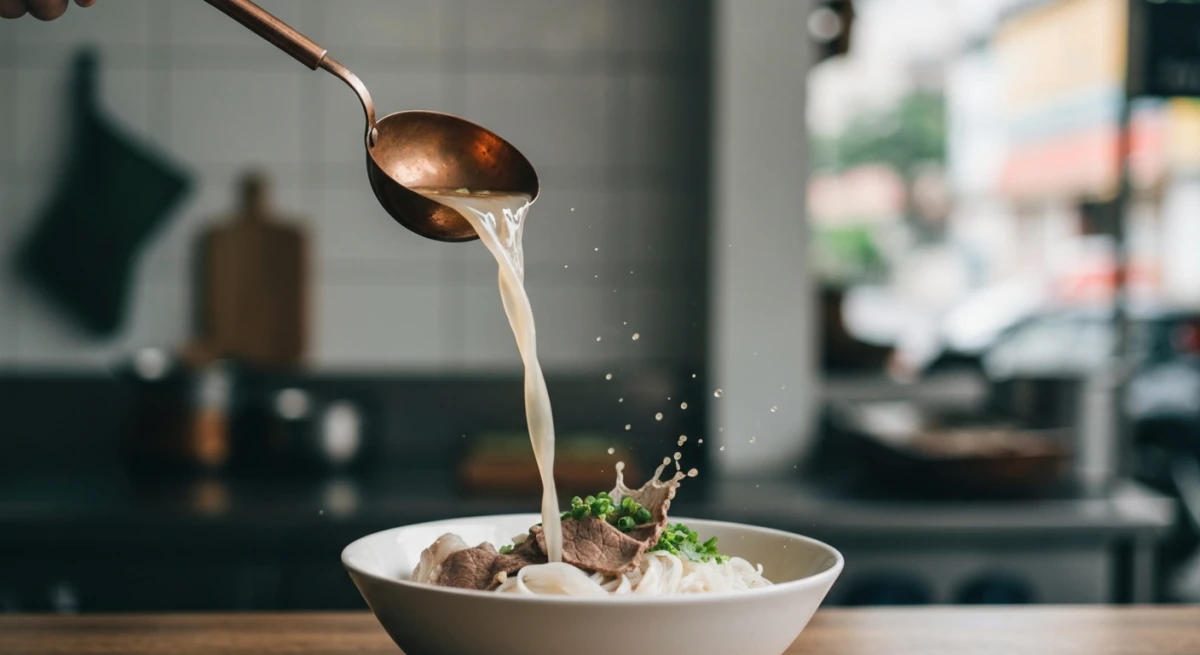
Ho Chi Minh City, still fondly known by locals as Saigon, is a sprawling metropolis that never truly sleeps, and nowhere is this restless energy more beautifully expressed than on its vibrant sidewalks. As dusk falls, the humid air fills with the sweet aroma of caramelized pork grilling over open charcoal, the sharp zest of freshly torn herbs, and the rich, savory depth of simmering broths. For the first-time visitor, Saigon's food landscape can be thrilling but completely overwhelming. With thousands of street vendors operating out of a labyrinth of narrow residential alleys ('hẻms'), knowing where to go, what to order, and how to eat like a local is an art form. This is why booking an HCMC food tour is the single best decision you can make for your trip. It is far more than just a series of meals; it is an immersive, high-octane cultural dive into the heart of Southern Vietnam. In this comprehensive guide, we will break down everything you need to know to navigate the city's legendary culinary scene, compare motorbike and walking tours, and help you select the ultimate, safest experience for your palate.
Why an HCMC Food Tour is Your Ultimate Culinary Hack
To truly appreciate the food of Ho Chi Minh City, you must first understand the spirit of the South. Unlike Northern Vietnamese cuisine, which favors subtle, delicate, and black-pepper-forward flavors, Southern cooking is a celebration of bold, sweet, spicy, and herbaceous notes. The tropical climate of the surrounding Mekong Delta yields an endless bounty of fresh coconut milk, lemongrass, sugarcane, and exotic herbs, all of which find their way into the local pots.
Furthermore, Saigon is a massive culinary melting pot. Over the past century, waves of migration from the Northern and Central provinces have transformed the city into a living museum of Vietnamese gastronomy. In a single evening, you can taste a Southern-style sweet broken rice, a central-style fiery beef noodle soup, and a northern-style delicate crab noodle dish. It is a city where regional recipes are proudly preserved yet constantly evolving.
However, the real magic of this food culture does not happen in sterile, air-conditioned tourist restaurants. It happens on the street, tucked inside the historic alleyways. These narrow residential lanes form the circulatory system of the city, too tight for cars to enter but perfectly scaled for motorbikes and plastic stools. Here, generation-old vendors set up tiny metal carts, serving recipes that have been meticulously refined and passed down through family lines.
Navigating these alleys alone can be challenging. Language barriers make it difficult to ask questions, and menu boards are often nonexistent. Furthermore, concerns about food hygiene—often referred to by travelers as 'Saigon belly'—can make visitors hesitant to try street food. Joining a curated HCMC food tour completely eliminates these hurdles. Local guides do not just act as translators; they are cultural ambassadors who know which vendors have been trusted by the neighborhood for decades. They know whose ingredients are prepped fresh daily, and they understand how to bridge the gap between adventurous international palates and authentic local flavors. By booking a tour, you gain instant access to the most pristine, high-turnover stalls where the food is as safe as it is spectacular.
Motorbike vs. Walking vs. Self-Guided: How to Conquer the Saigon Street Scene
When planning your HCMC food tour, you will generally have to choose between three primary formats: riding on the back of a motorbike, taking a walking tour, or setting out on a self-guided adventure. Each style offers a completely different rhythm and perspective on the city.
1. The Motorbike Food Tour: High-Octane and Thorough
For the ultimate, most authentic Saigonese experience, there is no substitute for a motorbike tour. With over eight million scooters registered in the city, the motorbike is the undisputed king of local transit. On a guided scooter tour, you will ride pillion (on the back) of a motorbike driven by a professional, English-speaking local guide.
- The Vibe: Exhilarating, fast-paced, and cinematic. Weaving through the synchronized chaos of Saigon’s intersections is a thrill that most travelers name as the absolute highlight of their trip.
- The Reach: Unmatched. Because you are on wheels, a motorbike tour can effortlessly transport you across four or five completely different districts in a four-hour window. You can start with appetizers in the tree-lined streets of District 3, head to District 4 for main dishes, zip over to District 10 for dessert, and finish with a craft beer in District 1.
- Safety Considerations: This is the most crucial aspect. Always choose a registered, licensed tour operator. Reputable agencies provide high-quality, full-face or three-quarter helmets, conduct safety briefings, and hold comprehensive passenger liability insurance. Never book with an unlicensed 'underground' provider just to save a few dollars.
2. The Walking Food Tour: Intimate and Relaxed
If the thought of diving headfirst into Saigon's legendary traffic makes you anxious, a walking food tour is a fantastic, grounded alternative.
- The Vibe: Conversational, relaxed, and highly immersive. Walking tours allow you to move at a slower pace, giving you plenty of opportunities to take photos, chat with your guide about local history, and observe the daily rhythms of local life up close.
- The Reach: Geographically restricted. Because you are on foot, these tours are typically confined to a single district—usually the historical core of District 1 or the dense, narrow residential blocks of District 3. While you will miss out on the outer-district food havens, you will gain a much deeper, microscopic appreciation for the specific neighborhood you explore.
- Best For: Families with young children, elderly travelers, photography enthusiasts, and anyone who prefers a highly personal, slower-paced cultural exchange.
- Pedestrian Safety Tip: When crossing the street on foot in HCMC, the golden rule is to walk at a slow, predictable, and steady pace. Do not make sudden stops or sudden runs. The oncoming sea of motorbikes will naturally calculate your trajectory and flow smoothly around you like water around a stone.
3. The Self-Guided Food Tour: For the Independent Explorer
For seasoned travelers who want complete freedom over their schedule and menu, a self-guided crawl is entirely possible. Armed with a ride-hailing app like Grab and a curated list of eateries, you can map out your own night.
- The Vibe: Unscripted and highly independent. You can stay at a spot for as long as you want, skip dishes you do not fancy, and go entirely at your own pace.
- The Downsides: You lose the rich historical and cultural storytelling that a local guide provides. You may also find it challenging to communicate dietary requirements, and you miss out on the hard-to-find, unnamed residential alley stalls that do not show up on Google Maps.
The Ultimate HCMC Street Food Bucket List: The 8 Dishes You Must Try
No matter which tour format you choose, a stellar HCMC food tour should introduce you to a balance of textures, temperatures, and flavor profiles. Here is the definitive bucket list of dishes that represent the very best of Saigon’s street food:
1. Bánh Mì (The Southern Masterpiece)
While Bánh Mì is celebrated globally, the Southern Vietnamese iteration is a distinct beast. Southern bakers use a high-yeast dough that yields an incredibly light, airy baguette with a paper-thin, shatteringly crisp crust. On a food tour, look for vendors who assemble their baguettes to order. The classic Southern Bánh Mì is layered with rich French-style pâté, house-made egg yolk mayonnaise, a variety of cold cuts (including cured pork belly and headcheese), fresh cucumber spear, sprigs of cilantro, pickled daikon and carrots, and a final, dangerous splash of fresh bird's eye chili.
2. Cơm Tấm (Broken Rice)
If Saigon had an official state dish, it would undoubtedly be Cơm Tấm. Originally, broken rice was a cheap, leftover product of the milling process that farmers could not sell. Because the fractured grains are small, they absorb sauces and marinades with incredible intensity. Today, it is a beloved staple eaten for breakfast, lunch, and late-night cravings. The broken rice is topped with a perfectly caramelized charcoal-grilled pork chop (sườn nướng), a slice of steamed egg meatloaf (chả trứng), shredded pork skin tossed in toasted rice powder (bì), a generous ladle of scallion oil (mỡ hành), and a side of sweet, garlic-chili fish sauce.
3. Bò Lá Lốt (Beef in Wild Betel Leaves)
Few culinary aromas are as intoxicating as the scent of Bò Lá Lốt grilling over natural lump charcoal on a Saigon sidewalk. Minced beef is seasoned with garlic, shallots, and lemongrass, wrapped tightly in wild betel leaves, and grilled. The betel leaves char slightly, releasing a unique herbaceous, peppery aroma while keeping the beef inside incredibly juicy. To eat it, you place the grilled beef roll inside a sheet of rice paper, stack it with fresh lettuce, mint, perilla, green banana, star fruit, and vermicelli noodles, roll it tightly, and dip it into mắm nêm—a pungent, savory dipping sauce made from fermented anchovies and crushed pineapple.
4. Ốc (The Social Street Snail Culture)
To truly eat like a Saigonese local, you must experience 'ăn ốc' (eating snails). In HCMC, going out for snails is not just a meal; it is a major social ritual, usually enjoyed late at night alongside cold local beers. Sidewalk snail stalls feature massive displays of fresh mud creepers, sweet snails, blood cockles, and clams. The magic lies in the preparations: sweet snails sautéed in rich salted egg yolk sauce, mud creepers simmered in sweet and spicy coconut milk, clams steamed with lemongrass and chili, and scallops grilled over open flames with green scallion oil and crushed peanuts. Do not be afraid—this is one of the cleanest, freshest, and most delicious street food experiences in the country.
5. Bánh Xèo (The Sizzling Savory Crepe)
'Bánh Xèo' translates literally to 'sizzling cake,' named after the loud hiss the turmeric-colored rice batter makes when poured onto a scorching hot iron skillet. The Southern version of this crepe is massive—thin, lacy, and incredibly crispy. The batter is filled with pork belly, fresh shrimp, mung beans, and a mountain of sweet bean sprouts. To eat it, you tear off a piece of the crispy crepe, wrap it inside a large, peppery mustard green leaf along with fresh mint and basil, roll it up, and dip it into nước chấm (sweet and tangy garlic-chili fish sauce).
6. Hủ Tiếu Nam Vang (Phnom Penh Noodle Soup)
While Pho is the darling of Northern Vietnam, Hủ Tiếu is the undisputed noodle king of Saigon. Highly influenced by Cambodian and Chinese migrations, this dish features a clear, intensely savory broth brewed from pork bones, dried squid, and rock sugar. The noodles used are thin, chewy tapioca noodles. A classic bowl of Hủ Tiếu Nam Vang is loaded with sliced pork, minced pork, whole shrimp, quail eggs, and fresh herbs. It can be served 'wet' (as a noodle soup) or 'dry' (where the noodles are tossed in a savory, dark soy-based sauce and the broth is served in a separate bowl on the side).
7. Bún Thịt Nướng (Cold Rice Noodles with Grilled Pork)
For a refreshing yet incredibly satisfying dish, Bún Thịt Nướng is a masterpiece of culinary balance. A bowl is assembled with a bed of fresh herbs and shredded lettuce, a layer of cold rice vermicelli noodles, and topped with warm, smoky grilled pork, crispy fried spring rolls (chả giò), pickled vegetables, crushed peanuts, and green scallion oil. You pour a generous amount of sweet chili fish sauce over the entire bowl, mix it thoroughly, and enjoy a brilliant contrast of hot and cold, crunchy and soft, sweet and savory.
8. Kem Bơ (Avocado Ice Cream)
To wrap up a fiery evening of street food, Saigon’s dessert culture offers a soothing balm. Kem Bơ is a legendary treat originating from the Central Highlands that has captured the hearts of Saigonese foodies. It consists of a rich, velvety puree of fresh local avocados topped with a scoop of sweet coconut ice cream, a drizzle of condensed milk, and a handful of toasted coconut flakes. The combination of rich, buttery avocado and sweet, icy coconut is pure tropical heaven.
A District-by-District Culinary Safari
To find the absolute best food on your HCMC food tour, you must understand that Saigon is divided into numbered districts, each with its own distinct culinary identity. Moving between these districts is like traveling between different culinary provinces.
- District 1 (The Historical Heart): While District 1 is highly commercialized, it still holds historic treasures. It is excellent for historic noodle shops, colonial-era markets, and Michelin Bib Gourmand-recognized establishments. However, prices are higher here, and the atmosphere can feel slightly manicured.
- District 3 (Tree-Lined Alleys & Hidden Cafes): Bordering District 1, District 3 offers a fantastic, local-yet-accessible neighborhood vibe. The district is famous for its massive residential alleys, morning markets, and historic apartment buildings that host hidden, trendy coffee shops and local street stalls.
- District 4 (The Street Food Mecca): Historically a rugged port district, District 4 is now celebrated as the street food capital of Saigon. It is a dense, high-energy labyrinth of narrow lanes and canals. Head straight to Vinh Khanh Street, a legendary stretch of asphalt that transforms every evening into a smoky, neon-lit paradise of street snail vendors, grilled meat stalls, and live street performers.
- District 10 (Local Residential Enclaves): If you want to escape tourism completely, District 10 is the place to go. This district is home to the famous Nguyen Thien Thuat apartment complex, built in the late 1960s. The ground floors of these historic, brutalist apartment blocks are packed with some of the most authentic, affordable, and high-quality food stalls in the city.
- District 5 (Cholon / Chinatown): Home to Vietnam's largest Chinese-Vietnamese community, Cholon is a vibrant neighborhood characterized by historic temples, Chinese medicine shops, and a fascinating culinary fusion. Here, you can taste classic Chinese-style roasted duck, herbal soups, handmade dumplings, and sweet dessert soups (chè).
How to Choose a Premium, Responsible Tour Operator
With hundreds of individual guides and companies offering tours in Saigon, selecting a high-quality operator requires a bit of research. Here are the core pillars to look for to ensure your tour is safe, ethical, and unforgettable:
- Legal Licensing and Insurance: This is the absolute priority, especially for motorbike tours. Legally registered tour operators are required to carry passenger liability insurance. If an operator cannot provide proof of their official travel license, do not book with them.
- Fair Compensation for Student Guides: Many motorbike tours employ local university students as drivers and guides. This is a wonderful initiative that helps students practice their English and earn an income. However, make sure you choose an ethical agency that pays their student guides fair, above-market wages.
- Small-Group or Private Options: Avoid massive tour caravans. Large groups of 15 to 20 people clog up narrow street stalls, slow down service, and ruin the intimate, local atmosphere. Opt for boutique tours that cap their group sizes at 6 to 8 guests, or book a private tour for a fully tailored experience.
- Dietary Flexibility: A truly professional tour operator will be highly accommodating of dietary restrictions. While traditional Vietnamese street food uses fish sauce and meat broths extensively, top-tier operators can seamlessly arrange delicious vegetarian, vegan, or gluten-free alternatives without compromising on the authentic street food experience.
Frequently Asked Questions (FAQ)
Is it safe to eat street food on an HCMC food tour?
Yes, street food on a guided HCMC food tour is incredibly safe. Local guides only take you to vetted, long-standing vendors who have built solid reputations for both flavor and hygiene. Because these stalls cater to a massive, steady stream of local neighborhood regulars, their ingredients are prepped fresh daily and do not sit around.
Can I drink the ice in Ho Chi Minh City?
Yes, you can. In HCMC, almost all restaurants, bars, and street food stalls use commercially manufactured tube ice (đá bi). This ice is made in dedicated factories using purified, filtered water and is completely safe for consumption. You can comfortably enjoy iced green tea (trà đá) and iced coffee (cà phê sữa đá) during your tour.
What should I wear on a motorbike food tour?
We highly recommend wearing comfortable, casual clothing. If you are taking a motorbike tour, wear long pants or longer shorts, a comfortable t-shirt, and closed-toe shoes (avoid flip-flops, as you want protection when mounting and dismounting the bike). Avoid wearing loose, dangling jewelry, and keep your smartphone and camera secured to prevent opportunistic bag snatching in heavy traffic.
How do I handle tipping on a food tour in Saigon?
Tipping is not officially mandatory in Vietnam, but it is deeply appreciated and has become customary in the tourism industry. If your driver and guide did an exceptional job navigating the traffic and sharing their local culture, a tip of 100,000 to 200,000 VND (approximately $4 to $8 USD) per guest is a generous and highly welcome gesture.
Can vegetarians or vegans join an HCMC food tour?
Yes, but you must inform your tour operator in advance. While traditional Vietnamese street food is heavily meat- and fish-sauce-centric, HCMC has a flourishing Buddhist vegetarian culture ('ăn chay'). A high-quality tour operator will easily customize the menu, taking you to dedicated vegetarian street stalls that serve incredible plant-based versions of classic noodle soups, crispy spring rolls, and savory crepes.
Conclusion
An HCMC food tour is far more than a simple culinary outing—it is a fast-track ticket into the very heart and soul of Saigon. By stepping out of your comfort zone, climbing onto the back of a scooter, and sitting on a tiny plastic stool in a neon-lit alleyway, you are participating in a beautiful, multi-generational ritual of community and flavor. Skip the sterile hotel dining rooms and tourist-trap restaurants. Embrace the beautiful chaos, pull up a plastic stool, and let the bold, unforgettable tastes of Saigon's street food redefine your understanding of travel.