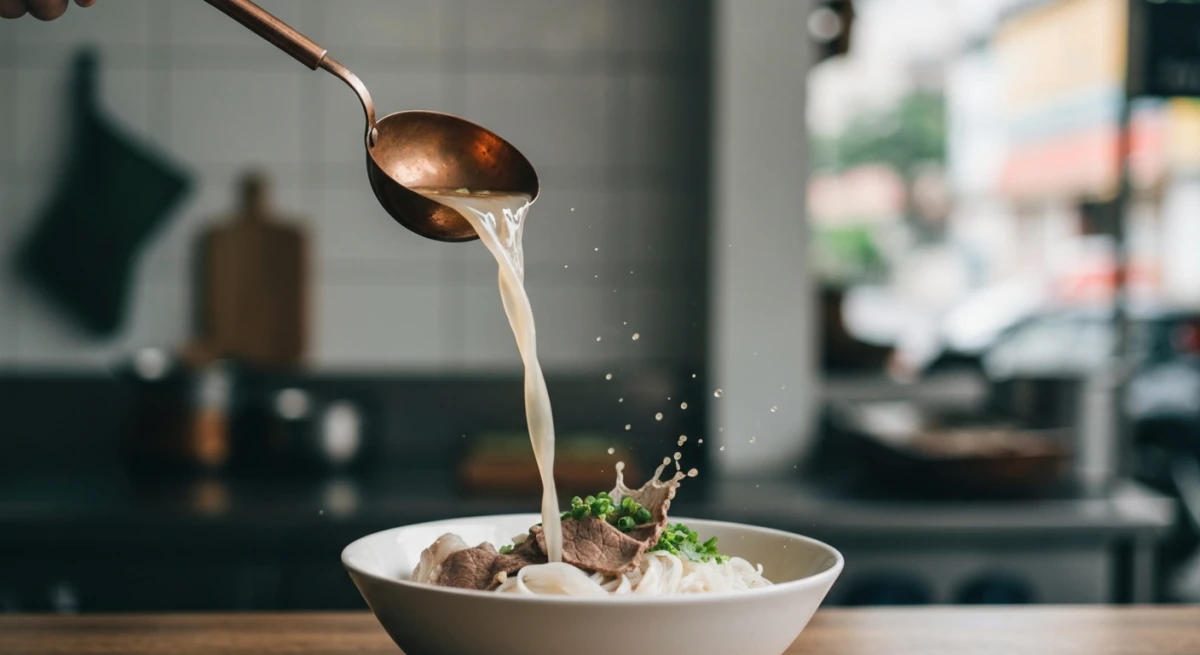
The Soul of Hanoi in a Bowl: An Introduction
As dawn breaks over Hanoi, a gentle, fragrant mist of steam rises from hundreds of street corners, carrying the scent of charred ginger, star anise, and slow-simmered beef bones. To step into Vietnam's capital is to embark on an olfactory journey where one dish reigns supreme. Finding the absolute best pho in hanoi is more than just a culinary quest; it is a rite of passage for travelers and a deeply cherished daily ritual for locals. Whether you are huddled on a low blue plastic stool on a bustling Old Quarter sidewalk or dining in a Michelin-recognized establishment, a bowl of Hanoi-style pho is a masterpiece of balance, history, and culinary soul.
But navigating Hanoi's crowded noodle landscape can be overwhelming. With thousands of street food stalls, family-run joints, and high-profile franchises claiming the crown, how do you separate the truly transcendent, slow-cooked broths from the lackluster, MSG-heavy tourist traps? This comprehensive guide is written from the perspective of local culinary experts and generational foodies to help you discover the ultimate bowls of pho in Hanoi. We will look beyond the standard tourist recommendations to uncover hidden culinary gems, explain the intricate local language of beef cuts, and break down the strict etiquette of northern condiments. By the end of this deep-dive guide, you will know exactly where to go, what to order, and how to eat pho like a true Hanoian.
Northern vs. Southern Pho: The Battle of the Broth
To truly appreciate the best pho in Hanoi, you must understand that Vietnamese pho is not a singular, uniform dish. Instead, it is divided by a fierce regional rivalry between the North (Phở Bắc) and the South (Phở Nam). While Southern-style pho has conquered the global culinary stage—popularized by the diaspora in Western countries—Hanoi is the undeniable ancestral birthplace of the dish. Here, the culinary philosophy is entirely different.
The Northern Philosophy: Elegance and Simplicity
Hanoi-style pho is defined by its restraint, clarity, and delicate balance. The broth (nước dùng) is the absolute star of the show. It is traditionally cooked by simmering beef marrow bones (and sometimes oxtail) for 10 to 12 hours, masterfully clarified to be as clean as consommé. The flavor profile is deeply savory and naturally sweet from the marrow, accented gently by charred ginger, grilled shallots, and a subtle blend of dry spices like star anise, cinnamon, black cardamom, coriander seeds, and cloves.
In Hanoi, you will find:
- Thicker, wider noodles: The rice noodles (bánh phở) are flat, soft, and hand-cut daily, designed to slip smoothly down the throat while carrying just enough broth.
- Minimal garnishes: An authentic bowl of Hanoi pho is topped only with a handful of fresh green scallions (hành hoa) and a sprinkling of fresh coriander.
- Absolutely NO bean sprouts or hoisin sauce: To a Hanoi purist, adding sweet, thick hoisin sauce or raw, watery bean sprouts is a cardinal sin. It masks the clarity of the broth and insults the chef who spent half a day perfecting its natural flavor.
The Southern Contrast: Intensity and Customization
In contrast, Southern-style pho (Phở Nam) is a bolder, sweeter, and more boisterous affair. The broth is heavily spiced and often sweetened with rock sugar or daikon radish. When you order pho in Ho Chi Minh City, it arrives with a virtual garden on the side: raw bean sprouts, Thai basil, culantro (sawtooth herb), rice paddy herb, lime wedges, fresh bird's eye chilies, and squeeze bottles of hoisin and sriracha. The diner is expected to tear the herbs, dump in the sprouts, and heavily customize the broth with sauces.
In Hanoi, the broth is served exactly how the chef intended it to be experienced. While you can add a squeeze of fresh lime, a dash of house-made garlic vinegar, or fresh red chilies, the fundamental integrity of the clear broth remains intact. If you want to experience the best pho in Hanoi, leave your expectations of sweet sauces at the door and embrace the sublime beauty of northern simplicity.
The Secret Language of Pho: Deciphering the Beef Cuts
Walk up to any local Hanoi pho stall, and you will see a glass display case filled with different textures of beef, and a menu board listing seemingly cryptic terms. Most travelers default to ordering a generic "beef pho," but knowing the specific cuts of meat is the secret to unlocking a bowl tailored perfectly to your culinary preferences.
Here is your cheat sheet to order beef pho (Phở Bò) like a seasoned local:
- Tái (Flash-Cooked Rare Beef): Thinly sliced raw beef fillet or eye of round placed directly into the bowl and instantly cooked by pouring the boiling-hot broth over it. It remains incredibly tender, juicy, and slightly pink.
- Chín (Well-Done Brisket): Slow-simmered beef brisket that has cooked in the broth for hours. It is sliced thin, offering a deep, traditional beefy flavor and a satisfyingly soft, chewable texture.
- Nạm (Flank/Flank Steak): A cut from the flank that contains a beautiful mix of lean meat, marbling, and small strips of tender tendon. It is juicy and packed with savory flavor.
- Gầu (Fatty Brisket): This is highly prized by Hanoians. Unlike greasy, soft fat, the fat strip on gầu is uniquely crunchy, dense, and rich. It adds a wonderful mouthfeel and depth to the bowl.
- Lõi Rùa (Flower Shank): The holy grail of beef cuts in Hanoi. This is a very specific muscle from the beef shank, characterized by an intricate, flower-like pattern of tender tendon running through the meat. It is highly limited, slightly more expensive, and offers a perfect, crisp-tender chew.
- Vè Giòn (Crunchy Flank): A tougher, textured cut of beef flank that is cooked long enough to become tender while retaining a distinct, crunchy cartilage-like texture.
- Tái Lăn (Stir-Fried Rare Beef): A legendary variation popularized by certain establishments. Instead of raw beef, the meat is quickly flash-fried in a roaring wok with garlic and a splash of cooking oil before being added to the bowl. This creates a smokier, richer, and significantly oilier broth.
- Trứng Chần (Poached Egg): A classic northern side dish. You can ask for a trứng chần, which is a soft-poached egg served in a small side bowl of piping-hot, seasoned broth. You eat it by breaking the yolk and sipping it down, or dipping your noodles directly into it.
By combining these terms, you can customize your order. For example, Phở Tái Nạm gives you the perfect balance of tender raw beef and savory, marbled flank, while Phở Tái Gầu combines tender rare beef with the crunchy richness of fatty brisket.
The 7 Best Pho Spots in Hanoi: From Michelin Gems to Local Street Legends
Now that you know the history and how to order, it is time to hit the streets. Hanoi's Old Quarter is a labyrinth of culinary wonders, but these seven establishments represent the absolute pinnacle of pho craftsmanship in the capital. Each has been carefully vetted for broth quality, meat sourcing, and local authenticity.
1. Phở Gia Truyền Bát Đàn (The Purist's Pilgrimage)
- Address: 49 Bát Đàn, Cửa Đông, Hoàn Kiếm, Hà Nội
- Opening Hours: 6:00 AM – 10:30 AM & 6:00 PM – 10:30 PM
- Vibe: Always packed, chaotic, historic, self-service.
If there is a single temple of traditional Hanoi beef pho, it is Phở Gia Truyền Bát Đàn. Operating for generations, this family-run spot is famous not only for its world-class noodles but also for its strict "tự phục vụ" (self-service) system. During peak breakfast hours, you will see a queue of dozens of locals stretching down Bát Đàn street. You wait in line, order and pay at the counter, carry your own steaming bowl to a tiny wooden table or plastic stool, and enjoy.
What makes it special: The broth here is cooked over traditional wood charcoal, resulting in a naturally sweet, clear, bone-deep flavor that is completely free of excessive modern MSG. The beef is sliced to order on a massive wooden tree-trunk chopping block. The Phở Tái Nạm (rare beef and flank) is spectacular here, featuring exceptionally tender meat and a fragrant broth accented by green onions and fresh ginger.
2. Phở Thìn Lò Đúc (The Garlic-Heavy Rebel)
- Address: 13 Lò Đúc, Ngô Thì Nhậm, Hai Bà Trưng, Hà Nội
- Opening Hours: 6:00 AM – 10:00 PM
- Vibe: Smoky, fast-paced, intensely aromatic, legendary.
Established in 1979 by Mr. Nguyen Trong Thin, Phở Thìn Lò Đúc is perhaps the most famous—and polarizing—pho shop in Vietnam. While purists argue that its heavy, fatty style departs from traditional Hanoi clarity, food lovers flock here for an unforgettable sensory explosion.
What makes it special: This shop serves only one dish: Phở Bò Tái Lăn (stir-fried rare beef pho). Instead of boiling the beef in the broth, the chef flash-fries thin slices of beef in a hot wok with massive amounts of fresh garlic and beef fat. This garlicky, caramelized beef is laid over silk noodles, drowned in a rich, opaque broth, and covered with a literal forest of finely chopped green scallions. It is rich, fatty, smoky, and absolutely addictive. Be sure to order quẩy (fried dough sticks) to soak up every last drop of the intense broth.
3. Phở 10 Lý Quốc Sư (The Gold Standard of Consistency)
- Address: 10 Lý Quốc Sư, Hàng Trống, Hoàn Kiếm, Hà Nội
- Opening Hours: 6:00 AM – 10:00 PM
- Vibe: Clean, air-conditioned, structured, highly professional.
Awarded a Michelin Bib Gourmand, Phở 10 Lý Quốc Sư is a beloved institution that perfectly bridges the gap between raw street-side dining and modern comfort. Located in the heart of the Old Quarter near St. Joseph's Cathedral, its bright orange facade is hard to miss, and the line moves quickly thanks to a highly organized kitchen.
What makes it special: This spot is renowned for its sheer consistency. Behind the glass partitions, chefs in clean uniforms assemble bowls with surgical precision. The broth is clean, deeply savory, and carries a classic, sweet bone marrow aroma. They offer a comprehensive menu of beef combinations, making it the perfect place for beginners to experiment with different cuts like tái (rare), chín (well-done), nạm (flank), and gầu (fatty brisket).
4. Phở Gà Nguyệt (The Ultimate Chicken Pho Experience)
- Address: 5b Phủ Doãn, Hàng Trống, Hoàn Kiếm, Hà Nội
- Opening Hours: 6:00 AM – 1:00 PM & 5:00 PM – 12:00 AM
- Vibe: Sidewalk tables, energetic night crowd, local favorite.
While beef pho gets the majority of international attention, chicken pho (Phở Gà) is a beloved local delicacy, and Phở Gà Nguyệt is its undisputed king. Earning a Michelin Bib Gourmand, this street-side eatery serves chicken pho that will redefine how you view chicken noodle soup.
What makes it special: They source premium "gà ta" (free-range local chicken), which has a firm, chewy skin and sweet, intensely flavorful meat. You can order traditional soup or opt for Phở Gà Trộn (dry mixed chicken pho), where the noodles are tossed in a savory house sauce, topped with shredded chicken, crispy fried shallots, crushed peanuts, and fresh herbs, served with a side bowl of hot, golden chicken broth. Order the Phở Đùi Cánh (thigh and wing combo) for the juiciest cuts of meat.
5. Phở Khôi Hói (The Meat Connoisseur's Secret)
- Address: 50 Hàng Vải, Hàng Bồ, Hoàn Kiếm, Hà Nội
- Opening Hours: 6:00 AM – 9:30 PM
- Vibe: Deeply local, shaded by old trees, incredibly friendly.
Located on Hàng Vải (the historic bamboo-selling street), Phở Khôi Hói is highly praised by local Hanoi residents who want high-quality beef without the massive tourist crowds of Bát Đàn.
What makes it special: The owner, Mr. Khoi, is obsessive about the quality of his beef. This is the absolute best place in Hanoi to try Phở Lõi (tender flower shank) and Phở Gầu (crunchy fatty brisket). The broth here is light, incredibly clean, and beautifully balanced, highlighting the natural sweetness of the premium beef. Sitting under the canvas awnings on the sidewalk, watching the local traffic hum by while eating a bowl of crunchy gầu is the quintessential Hanoi experience.
6. Phở Bò Lâm (The Deep-Flavored Neighborhood Legend)
- Address: 48 Hàng Vải, Hàng Bồ, Hoàn Kiếm, Hà Nội
- Opening Hours: 6:30 AM – 11:00 AM
- Vibe: Tiny, authentic, fast-paced morning rush.
Located literally next door to Phở Khôi Hói, Phở Bò Lâm represents a classic friendly neighborhood rivalry. While Khôi Hói is famous for its varied premium cuts, Phở Lâm is celebrated for the deep, rich intensity of its traditional clear bone broth.
What makes it special: Operating primarily as a morning spot, Phở Lâm simmers its broth in a massive metal vat right on the street corner. The broth has an incredible depth of bone marrow flavor, with a slightly stronger hint of roasted ginger and fish sauce than its neighbor. Their Phở Tái Gầu is highly recommended; the rare beef is beaten thin with the flat of a cleaver to make it incredibly tender before it is steeped in the boiling broth.
7. Phở Bò Hồ Lợi (The Michelin-Rated Neighborhood Darling)
- Address: 24 Cửa Bắc, Trúc Bạch, Ba Đình, Hà Nội
- Opening Hours: 6:00 AM – 10:00 PM
- Vibe: Relaxed neighborhood eatery, pristine, deeply comforting.
Earning its place in the Michelin Guide, Phở Bò Hồ Lợi is located slightly north of the chaotic Old Quarter, making it a peaceful sanctuary for serious food lovers.
What makes it special: This spot is famous for its exceptionally rich, aromatic beef broth that strikes a perfect balance between clarity and depth. What truly sets them apart is their premium meat selection. Aside from the traditional cuts, you can order a special bowl that features a massive, slow-cooked beef rib (sườn bò). The meat literally slips off the bone and melts in your mouth, infusing the broth with an extra layer of gelatinous, savory richness.
The Art of Eating Pho in Hanoi: Etiquette & Condiments
Finding the best pho in Hanoi is only half the battle; knowing how to eat it like a local is what elevates it to a truly spiritual experience. Northern Vietnamese dining etiquette is subtle but highly respected.
Here is your step-by-step ritual to enjoy pho like a local:
Step 1: Respect the Broth (Taste First!)
When your steaming bowl is placed in front of you, do not immediately reach for the condiments. A master broth maker has spent 12 hours balancing the delicate flavors. Pick up your spoon, blow gently, and take 2 or 3 sips of the pure broth. Appreciate the clarity, the warmth of the spices, and the deep savoriness of the bone marrow.
Step 2: Assemble Your Condiments
Once you have appreciated the natural broth, you can gently enhance it.
- Dấm Tỏi (Garlic Vinegar): This is the quintessential Hanoi condiment. You will find glass jars filled with sliced garlic soaking in vinegar on every table. Add 1 to 2 spoonfuls of this acidic elixir. The vinegar cuts through the richness of the beef fat, while the pickled garlic slices add a beautiful, crisp pop of flavor.
- Fresh Chili (Ớt): If you like heat, toss in 2 or 3 thin slices of fresh red bird's eye chili. Be warned: they are incredibly hot, so let them steep for a minute to release their oils.
- Hanoi Chili Sauce (Tương Ớt Quán): This is not sweet Sriracha. It is a bright orange, sour-spicy, fermented chili sauce unique to northern street food. Squeeze a small dab directly into your broth or on a small side saucer to dip your beef.
- Fresh Lime (Chanh): Squeeze a tiny wedge of lime over the bowl, taking care not to let the seeds drop in. A little acidity brightens the broth beautifully, but do not overdo it, or you will drown out the beef flavor.
Step 3: Order "Quẩy" (Fried Dough Sticks)
No authentic Hanoi pho experience is complete without Quẩy (pronounced "kway"). These are golden-brown, crispy fried dough sticks. Order a plate of quẩy (usually costs about 5,000 to 10,000 VND). Drop 2 or 3 pieces directly into your hot broth. Let them sit for a minute to absorb the savory soup like a sponge, then eat them while they are still slightly crispy on the outside and soft and juicy on the inside. It is culinary heaven.
Step 4: The Chopstick and Spoon Dance
Hold your chopsticks in your dominant hand to navigate the noodles and beef, and your soup spoon in the other. Take a pinch of noodles, place them gently into your spoon, top it with a slice of beef and a splash of broth, and eat it as a perfect, self-contained bite. Sip the remaining broth directly from the bowl using both hands when you get to the end—it is the ultimate sign of appreciation!
Frequently Asked Questions (FAQ)
How much does a bowl of pho cost in Hanoi?
A standard bowl of beef or chicken pho at a local street food stall in Hanoi typically costs between 35,000 VND and 60,000 VND (approximately $1.50 to $2.50 USD). Premium spots, special cuts (like lõi rùa), or Michelin-recognized establishments may charge between 70,000 VND and 120,000 VND ($3.00 to $5.00 USD). If you are charged significantly more in the Old Quarter without a clear menu, you may be experiencing a tourist premium.
Is street food pho in Hanoi safe to eat?
Yes, street food pho in Hanoi is generally very safe to eat. Because the broth is kept at a rolling boil all day long, it is naturally sterilized. To ensure high hygiene standards, look for stalls with a high turnover of local customers, clean metal prep tables, and fresh, vibrant-looking herbs.
Can I find vegetarian pho in Hanoi?
Authentic, traditional Hanoi pho broth is strictly made from beef or chicken bones. If a regular stall offers "vegetarian pho" (Phở Chay), they may simply be serving noodles in beef broth without the meat. For true, Buddhist-friendly vegetarian pho made with a plant-based broth (usually simmered with daikon, carrots, pears, and mushrooms), you must visit dedicated vegetarian restaurants (Quán Chay) or temples. Famous spots like Ưu Đàm Chay or Sadhu serve excellent vegetarian versions.
Why is pho traditionally eaten for breakfast in Hanoi?
Pho originated as a hearty, energizing breakfast food for workers in the early 20th century. Fresh rice noodles are delivered to stalls at the crack of dawn, and the broth, which has simmered overnight, is at its absolute peak flavor in the morning. While many places now open all day and night, the absolute freshest and best bowls of pho are still served between 6:00 AM and 9:00 AM.
Should I ask for bean sprouts or hoisin sauce in Hanoi?
It is highly recommended not to ask for bean sprouts or hoisin sauce at traditional Hanoi pho stalls. Most local street vendors do not even stock them. Adding these sweet and watery ingredients masks the clean, complex flavor of a northern bone broth that has simmered for 12 hours. Embrace the local culinary style and enjoy the broth in its pure, elegant form!
Conclusion: Embracing the Magic of Hanoi
In Hanoi, pho is not merely a dish; it is a living chronicle of the city's history, resilience, and culinary artistry. From the meticulously clarified, charcoal-fired broth of Phở Gia Truyền Bát Đàn to the smoky, garlicky rebellion of Phở Thìn Lò Đúc, every bowl tells a story.
To find the best pho in hanoi, you must be willing to step away from modern comforts, embrace the lively chaos of the Old Quarter, and pull up a tiny plastic stool on a crowded sidewalk. Let the steam warm your face, savor the deep complexity of the broth, dip your crispy quẩy, and lose yourself in the timeless culinary soul of Vietnam's capital.