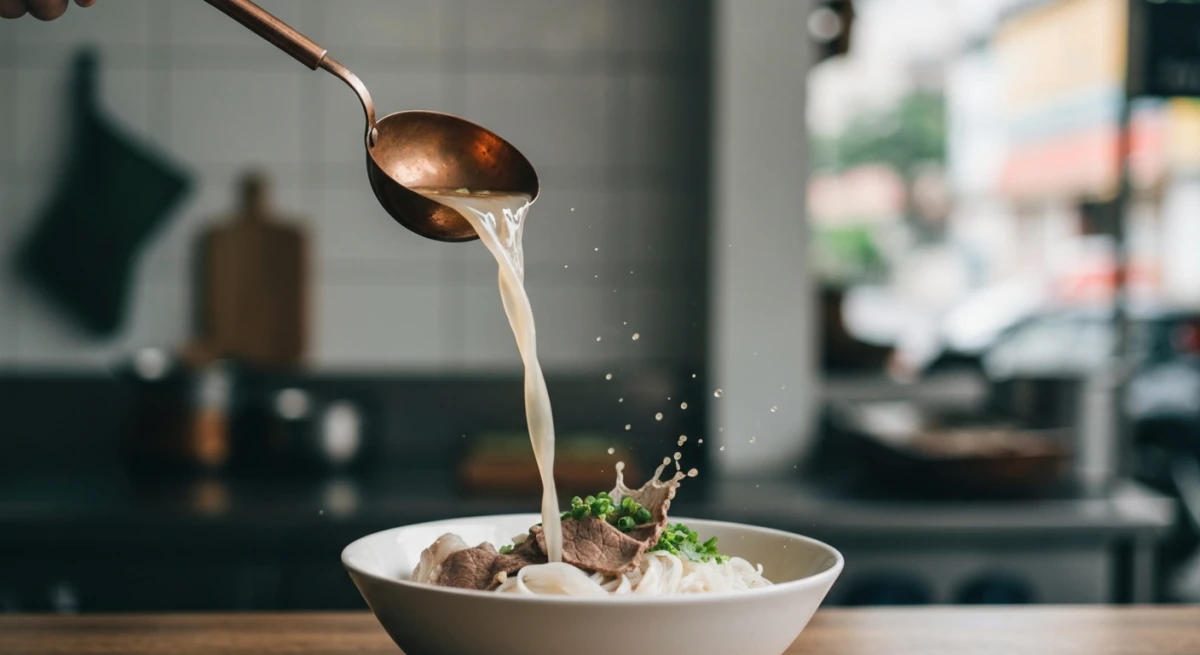
For travelers landing in Ho Chi Minh City, the sensory assault is immediate. The roar of a million motorbikes, the humid tropical air, and the tantalizing aroma of charcoal-grilled meats drifting from the sidewalks create an intoxicating atmosphere. To truly understand this dynamic metropolis, you must eat your way through it. The food in saigon vietnam is not merely sustenance; it is a way of life, a social fabric, and a dazzling testament to cultural fusion. Whether you are perched on a low plastic stool on a bustling sidewalk or ducking into a hidden alleyway, Saigon offers one of the most exciting culinary journeys on the planet.
In this ultimate guide, we will look beyond the surface of generic tourist spots to explore the deep culinary mechanics, historic regional variations, and hidden neighborhoods that define Saigonese cuisine. Grab your chopsticks and let's dive into the chaotic, delicious world of Saigon's food scene.
The Flavor Profile: What Makes Saigon's Food Distinct?
To appreciate the food in saigon vietnam, one must first understand its geographic and cultural context. Vietnamese cuisine is broadly split into three regions—North, Central, and South—and Saigon is the undisputed crown jewel of the South.
While Northern cuisine (centered around Hanoi) favors subtle, balanced, and savory profiles with a strict adherence to traditional techniques, Southern cuisine is a wild, celebratory riot of flavors. Influenced heavily by the tropical climate, neighboring Cambodia and Thailand, and a long history of Chinese and French migration, Saigon's flavor profile is characterized by three main pillars: sweetness, rich coconut milk, and an unmatched abundance of fresh herbs.
Southern chefs are unapologetic in their use of sugar and coconut. Broths here are sweeter and richer than their northern counterparts, often simmered with roasted onions, shallots, and rock sugar. The Mekong Delta's fertile soil provides an endless bounty of fresh herbs (rau song), which accompany almost every dish. When you sit down for a meal in Saigon, you will almost always be presented with a mountain of fresh herbs: sweet Vietnamese basil (hung que), spicy fish mint (diep ca), citrusy perilla (tia to), and crunchy banana blossoms.
Furthermore, Saigon is a culinary melting pot. It has absorbed waves of migration, creating unique micro-cuisines. Here, French baking techniques met Vietnamese ingredients to create the banh mi; Chinese immigrants in Cho Lon (Chinatown) introduced stir-fried noodles and roasted meats; and Khmer influences brought earthy, fermented seafood broths. Eating in Saigon is a lesson in delicious assimilation.
Iconic Saigon Dishes You Cannot Miss (And Where to Eat Them)
While you can find almost any Vietnamese dish in this mega-city, certain iconic specialties have reached legendary status here. To truly experience the food in saigon vietnam, these are the essential dishes you must seek out.
1. Banh Mi: The French-Vietnamese Masterpiece
No culinary exploration of Saigon is complete without tasting the city's legendary baguettes. While the French brought the baguette to Vietnam, the Saigonese perfected it by adding rice flour to the dough for an ultra-light, crispy crust and stuffing it with an array of savory ingredients.
A classic Saigon banh mi is a masterclass in contrasting textures and temperatures. The warm, crispy bread is sliced open and slathered with rich, savory pate and egg mayonnaise. It is then layered with cold cuts, cured pork belly, and cha lua (Vietnamese pork roll), before being topped with refreshing pickled daikon and carrots, crisp cucumber spears, fresh cilantro, and a fiery kick of sliced bird's eye chili.
- Where to Eat:
- Banh Mi Hong Hoa (62 Nguyen Van Trang, District 1): Frequented by locals, they bake their bread fresh throughout the day, ensuring a shatteringly crisp crust.
- Banh Mi 37 Nguyen Trai (37 Nguyen Trai, District 1): Unlike the cold-cut variety, this street-side cart specializes in charcoal-grilled pork patties drenched in a rich, sweet-savory glaze.
2. Com Tam: The Soul of Saigon
If Hanoi is defined by pho, Saigon is defined by Com Tam (broken rice). Historically, broken rice consisted of fractured grains that fell apart during the milling process—deemed unsellable, they were eaten by poor farmers and laborers. Over time, this humble dish became a beloved staple for all classes.
A plate of Com Tam Suon Bi Cha is a visual and aromatic marvel. It features a bed of fluffy broken rice topped with a sweet, smoky marinated grilled pork chop (suon) cooked over open coals, shredded pork skin tossed with toasted rice powder (bi), and a savory steamed egg and pork meatloaf (cha). It is finished with a drizzle of mo hanh (scallion oil) and served with a bowl of sweet-and-sour fish sauce (nuoc cham) and pickled vegetables.
- Where to Eat:
- Com Tam Ba Ghien (84 Dang Van Ngu, Phu Nhuan District): Famous for its colossal, smoky pork chops that completely cover the plate. It is a legendary institution that has earned recognition from the Michelin Guide.
- Com Tam Nguyen Van Cu (74 Nguyen Van Cu, District 5): Prized for having some of the most perfectly marinated and tender grilled pork in the entire city, though it comes at a premium local price.
3. Bot Chien: The Late-Night Comfort Food
Originating from the Chinese community in District 5, Bot Chien is the ultimate comfort food and a beloved after-school or late-night snack.
To make it, cubes of steamed rice flour cake are pan-fried on a massive flat iron griddle until they form a crunchy, golden-brown exterior while remaining soft and chewy on the inside. Whipped eggs are then cracked directly over the cakes, binding them together along with a handful of chopped green onions. The dish is served hot, topped with crunchy shredded green papaya, and accompanied by a tangy, slightly sweet seasoned soy sauce for dipping.
- Where to Eat:
- Bot Chien Dat Thanh (277 Vo Van Tan, District 3): A bustling local spot known for serving perfectly crispy rice cakes and excellent papaya salad.
- Bot Chien Chu Binh (Hem 462 Duong 3 Thang 2, District 10): Tucked away in a lively alleyway, this cart offers a highly authentic, old-school preparation.
4. Hu Tieu Nam Vang: The Southern Noodle Champion
While Pho is world-famous, in the south of Vietnam, Hu Tieu is the noodle soup of choice. Hu Tieu Nam Vang, or Phnom Penh noodle soup, reflects the historical ties between Southwestern Vietnam and Cambodia.
This dish features thin, chewy tapioca noodles in a complex pork-bone broth seasoned with dried squid and rock sugar. The bowl is packed with toppings: minced pork, sliced pork loin, plump shrimp, quail eggs, and liver. It is typically served in two styles: "wet" (nuoc), where the broth is poured directly into the bowl, or "dry" (kho), where the noodles are tossed in a rich soy-based sauce and the hot broth is served on the side. Both versions are accompanied by a plate of Chinese celery, garlic chives, and leafy greens.
- Where to Eat:
- Hu Tieu Thanh Xuan (62 Ton That Thiep, District 1): Serving hungry patrons for over seven decades, this historic shop is famous for its unique crab sauce served with the dry noodle version.
- Hu Tieu Nhan Quan (Various locations): A reliable, high-quality chain loved by locals for its rich broth and generous toppings.
5. Banh Xeo: The Sizzling Southern Pancake
Named after the loud, sizzling sound the rice batter makes when poured onto a scorching hot skillet, Banh Xeo is a masterpiece of Southern Vietnamese cooking. While Central Vietnamese banh xeo are small and thick, the Southern version is massive—resembling a giant, golden crepe.
The batter is made from rice flour, water, coconut milk, and turmeric powder, which gives it its signature bright yellow color and delicate, crispy edge. It is filled with pork belly, shrimp, mung beans, and a mountain of fresh bean sprouts. To eat it, you tear off a piece of the crispy pancake, wrap it inside a large mustard leaf along with fresh herbs, roll it up, and dip it into a sweet, chili-flecked fish sauce.
- Where to Eat:
- Banh Xeo Ba Hai (119 Le Van Linh, District 4): A legendary street spot where you can watch skilled cooks manage multiple sizzling pans at once, producing ultra-crispy, non-greasy pancakes.
- Banh Xeo An La Ghien (74 Suong Nguyet Anh, District 1): A more comfortable indoor setting that specializes in large, creative banh xeo filled with unique ingredients like mushrooms and seafood.
6. Oc: The Art of the Street Snail Feast
To truly participate in Saigonese social life, you must experience a night of eating Oc (snails and shellfish). Eating snails is not just about the food; it is a cultural ritual known as "nhau"—hanging out, drinking cold beers, and sharing plates of seafood with friends late into the night.
Street-side oc stalls offer dozens of varieties of marine and freshwater snails, clams, and crabs, prepared in a mind-boggling array of styles. You can have them grilled with green onions and peanuts, stir-fried in a rich, velvety salted egg yolk sauce (hoang kim), cooked in a fragrant lemongrass broth, or tossed in a sweet-and-sour tamarind glaze.
- Where to Eat:
- Vinh Khanh Street (District 4): Known as Saigon's premier "Seafood Street," this lively road transforms after dark into a smoky, neon-lit paradise of sidewalk tables, live music, and endless plates of fresh shellfish.
- Oc Dao (212B/C79 Nguyen Trai, District 1): Tucked deep inside a maze of alleyways, this is one of the most famous and beloved snail spots in the city, prized for its incredibly flavorful sauces.
Navigating Saigon's Culinary Neighborhoods: A District-by-District Guide
Saigon is divided into numbered and named districts, each with its own distinct culinary personality. Exploring the food in saigon vietnam means venturing beyond the tourist-heavy areas of District 1 to discover where the real flavors reside.
District 1: The Central Gateway
While District 1 is the commercial heart of the city and contains many high-end restaurants, it also holds several historical culinary gems. However, because of high rents and tourism, many street food stalls here have been gentrified or relocated. For the best local experience in District 1, head to the historic neighborhood of Da Kao or explore the small alleyways around Co Giang Street, where multi-generational vendors still serve classic noodle soups and sweet desserts.
District 3: The Alleyway Haven
Bordering District 1, District 3 offers a more relaxed, residential vibe with a rich network of "hems" (alleyways) that hide some of the city's best casual dining. The area surrounding Vo Van Tan and Nguyen Thuong Hien is a street food wonderland. Nguyen Thuong Hien is famous nationwide for its concentration of Banh Trang Tron (spiced shredded rice paper salad) vendors, where motorbikes line up to buy bags of this chewy, sour, and spicy snack.
District 4: The Seafood Capital
Historically known as a rugged port district, District 4 has evolved into one of Saigon's greatest culinary destinations. Situated just across the canal from District 1, it feels like a completely different world. The streets here are narrow, chaotic, and packed with life. The undisputed highlight is Vinh Khanh Street, a bustling corridor dedicated to seafood and cold beer. Meanwhile, the daytime Le Van Linh Market is an excellent place to sample cheap, authentic Southern breakfasts like bun rieu (tomato and crab noodle soup) or banh uot (steamed rice sheets).
District 5 & 6 (Cho Lon): The Chinese Heart
Cho Lon is Vietnam's largest Chinatown, spanning across Districts 5 and 6. The culinary heritage here is incredibly rich, blending traditional Cantonese cooking with Southern Vietnamese ingredients. As you walk past old Chinese temples and shophouses, you will smell roasted duck, medicinal herb soups, and fresh dumplings. Must-try dishes here include Mi Vit Tiem (deep-fried duck leg served with chewy egg noodles in a dark, aromatic herbal broth) and sweet Chinese dessert soups (che).
District 10: The Local Student Hub
If you want to experience street food tailored for young, hungry locals, District 10 is the place to go. The area around the Su Van Hanh apartment blocks is famous for its vibrant street food market. Here, you will find incredibly cheap, inventive snacks, from grilled skewers and cheese-filled rice cakes to sweet coconut desserts and giant plates of banh xeo. It is loud, chaotic, and wonderfully authentic.
The Street Food Playbook: Safety, Etiquette, and Mechanics
For first-time visitors, diving into the street food scene can feel intimidating. However, with a few basic tips and an open mind, you can navigate the sidewalks of Saigon like a seasoned local.
How to Judge Street Food Safety
The fear of food poisoning ("Saigon belly") keeps many travelers away from street stalls, but ironically, street food can often be safer than mid-range restaurants. Because street vendors usually specialize in only one or two dishes, their ingredients do not sit in refrigerators for days. They buy fresh produce from the wet markets every morning and sell out by the afternoon.
When choosing a vendor, look for these key indicators:
- High Turnover: Eat where the locals eat. A stall packed with local families and office workers guarantees that the food is fresh and the ingredients are constantly rotating.
- Specialization: Avoid stalls with massive, multi-page menus. The best vendors focus on a single dish—such as a noodle soup or a specific rice plate—and have spent decades perfecting it.
- Active Cooking: Choose stalls where the food is cooked to order, such as boiling hot noodle soups, sizzling pancakes, or meats grilled directly in front of you.
Decoding the Ice: Safe Drinks in Saigon
Staying hydrated in Saigon's tropical heat is essential. Many travelers worry about drinking ice (da), but the ice industry in Ho Chi Minh City is highly regulated. Most vendors purchase industrially manufactured ice.
- The Tube Ice Rule: Look for cylindrical ice cubes with a hole running through the middle. This "tube ice" (da bi) is made from purified water in modern factories and is perfectly safe to consume.
- What to Avoid: Avoid large blocks of ice that are crushed by hand on the street, as the handling process can introduce bacteria.
Sidewalk Etiquette and Mechanics
Eating on the street is a highly casual experience, but there are a few unwritten rules to keep in mind:
- Grab a Seat: Don't wait to be seated. Find an empty plastic stool, sit down, and make eye contact with the vendor.
- The Table Set: Every table is equipped with a tray of condiments (chili sauce, fish sauce, soy sauce, lime wedges, and pickled garlic) and a container of chopsticks and spoons. It is a good practice to wipe your utensils with a clean tissue before eating.
- The Trash: You will often notice tissues and lime wedges discarded on the floor beneath the tables. While it may look messy, this is standard practice at busy street stalls—the floor is swept clean by the staff when you leave.
- Calling the Server: To get the attention of the staff, call out "Em oi!" (pronounced "em oy"), which is a polite way to call a waiter or waitress who is younger than you, or "Anh oi" / "Chi oi" for those older.
- Paying the Bill: When you are ready to leave, say "Tinh tien" (pronounced "tinh teen") to ask for the bill. Cash is highly preferred at street stalls, so always keep small denominations (10,000 to 50,000 VND notes) on hand.
Frequently Asked Questions About Food in Saigon
Is tap water safe to drink in Saigon?
No, you should not drink tap water in Ho Chi Minh City. Stick to bottled water, which is cheap and widely available. However, as mentioned above, the ice served in local restaurants and street stalls is generally made from purified water and is safe to consume.
How much does street food cost in Ho Chi Minh City?
Street food in Saigon is incredibly affordable. A hearty bowl of noodle soup (pho or hu tieu) or a plate of broken rice (com tam) typically costs between 30,000 and 60,000 VND ($1.20 to $2.50 USD). A classic banh mi ranges from 20,000 to 45,000 VND ($0.80 to $1.80 USD).
What is the main difference between Saigon food and Hanoi food?
Saigon food tends to be sweeter, richer, and more heavily spiced than Hanoi food. Southern dishes frequently incorporate sugar, coconut milk, and chili, and they are always served with an abundant plate of fresh herbs. Hanoi food, by contrast, is more delicate, savory, and minimalist, emphasizing the pure, natural flavors of the main ingredients.
Are there vegetarian options in Saigon?
Yes, Saigon has a thriving vegetarian ("chay") food culture, largely influenced by Buddhism. Look for signs that say "Quan Chay" or "Com Chay". These spots serve delicious, plant-based versions of classic Vietnamese dishes, using fresh tofu, mushrooms, and creative mock meats. Many local street food stalls also offer special vegetarian menus on the first and fifteenth days of the lunar month.
What is the best time of day to eat street food in Saigon?
Street food in Saigon is a 24-hour affair, but different dishes are eaten at different times. Breakfast (from 6:00 AM to 9:00 AM) is the time for hot noodle soups like hu tieu and quick bites like banh mi. Lunch (11:30 AM to 1:30 PM) is dominated by com tam (broken rice) and com binh dan (buffet-style rice plates). After 6:00 PM, the city comes alive with late-night spots specializing in bot chien, grilled meats, and street snail feasts (oc).
Conclusion: Savoring the Chaos of Saigon
To truly appreciate the food in saigon vietnam, one must learn to embrace the beautiful chaos of the city itself. It is a place where culinary rules are meant to be bent, where ancient traditions blend seamlessly with modern global influences, and where some of the most memorable meals of your life will be eaten on a low plastic stool while motorbikes whiz past inches away.
By stepping outside your comfort zone, exploring the narrow alleyways of the outer districts, and following the local crowds, you will discover that Saigon is not just a city with great food—it is one of the world's premier culinary capitals. Pack an open mind, bring a healthy appetite, and prepare to embark on a culinary adventure you will never forget.