If you are looking for the absolute best food must try in Hanoi, you are about to embark on one of the world's most rewarding culinary adventures. Hanoi’s food scene isn't hidden away in pristine dining rooms; it lives, breathes, and sizzles directly on the bustling sidewalks of the Old Quarter. To truly experience the capital of Vietnam, you must pull up a low plastic stool, navigate the sea of scooters, and eat where the locals eat. This ultimate street food guide breaks down the essential dishes, where to find them, and how to enjoy them like a native.
Unlike the sweeter, herb-heavy dishes of southern Vietnam (such as in Ho Chi Minh City), Northern Vietnamese cuisine focuses on balance, simplicity, and pure, subtle flavors. Black pepper is favored over chili heat, and sweetness is derived naturally from slow-cooked bones or fresh seafood rather than added sugar. The history of French colonization and centuries of Chinese influence have also left indelible marks on the culinary canvas, creating a fusion that feels both ancient and completely unique. Let’s dive into the dishes you simply cannot miss during your stay.
1. The Soul of Hanoi: Noodle Masterpieces That Define the City
Noodles are the backbone of Hanoian cuisine, serving as the canvas for complex broths and smoky proteins. Here are the three noodle bowls that define the city's culinary identity.
Phở Bò (Beef Noodle Soup) & Phở Gà (Chicken Noodle Soup)
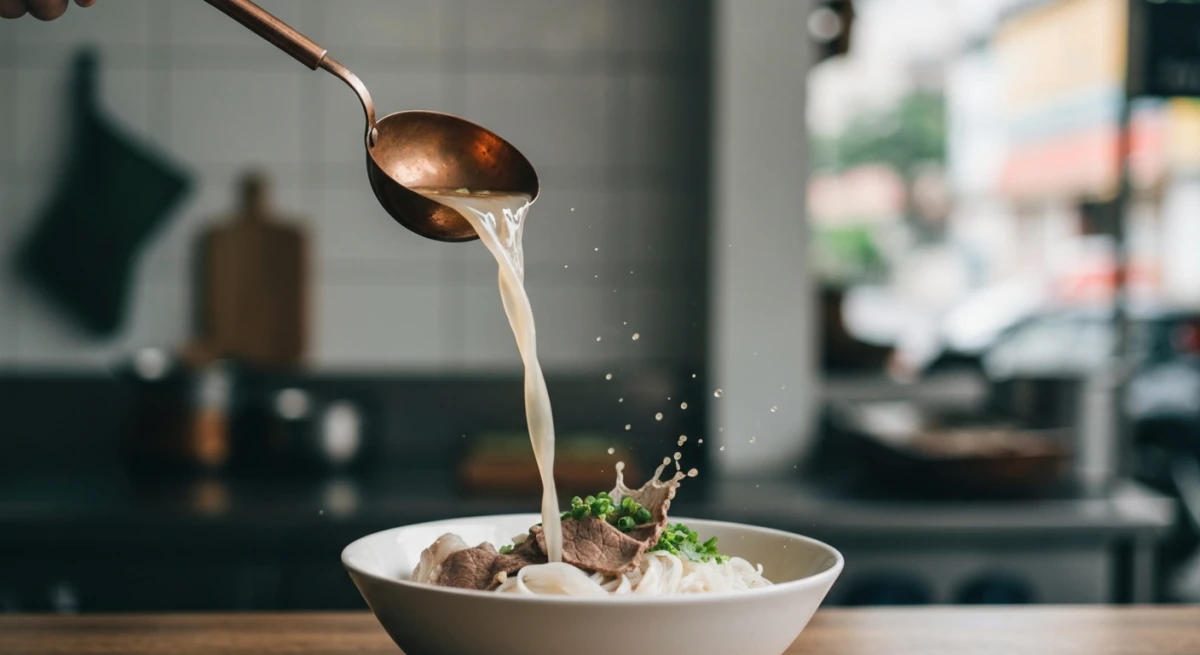
Phở is Vietnam's national dish, but Northern Phở (Phở Bắc) is defined by its elegance and restraint. While southern styles feature a sweeter broth, heavy bean sprouts, hoisin sauce, and a garden of fresh herbs, the northern variant relies on a pristine, clear broth. To make a genuine northern broth, chefs simmer beef marrow bones for up to 12 hours, constantly skimming the fat to keep the liquid translucent. They toast ginger, shallots, star anise, cinnamon, and black cardamom, wrapping them in a spice pouch to infuse the broth with a warm, comforting aroma. The noodles are wide, flat, and fresh, absorbing the broth's depth. The beef can be served thin and raw (tái), fully cooked (chín), or as a rich brisket (gầu).
- How to Eat It Like a Local: Sip the raw broth first to appreciate the chef's hard work. Then, customize your bowl with a squeeze of fresh lime, pickled garlic slices, and a dash of homemade chili sauce. Never dump hoisin sauce or sweet chili into a northern bowl of Phở—it ruins the delicate broth. Grab some "quẩy" (deep-fried dough sticks) to dip into the soup; they absorb the broth like savory sponges.
- Where to Go:
- Phở Gia Truyền Bát Đàn (49 Bát Đàn, Hoàn Kiếm): A legendary institution where you must join a queue. The beef is sliced fresh on a wooden block, and the wood-fired broth is deeply savory.
- Phở Thìn Lò Đúc (13 Lò Đúc, Hai Bà Trưng): Unlike standard pho, Mr. Thin famously flash-fries beef with garlic in hot oil before adding it to the bowl. The result is a smoky, rich, scallion-loaded broth that is immensely comforting on a cool winter morning.
- Phở Khôi Hói (50 Hàng Vải, Hoàn Kiếm): Awarded a Michelin Bib Gourmand, this spot is perfect for trying rare cuts like beef heel muscle (u hoa) or flank in an incredibly balanced, pure broth.
Bún Chả (Grilled Pork with Rice Vermicelli)
Bún Chả is arguably the king of lunch in Hanoi. Walk down any street around noon, and you will see plumes of white smoke rising from small charcoal grills on the sidewalk. The dish consists of small patties of seasoned minced pork and strips of marinated pork belly grilled over hot coals. These smoky meats are submerged in a warm, sweet-and-sour dipping sauce made from fish sauce, lime juice, vinegar, sugar, and thin slices of green papaya and carrot. You are served a plate of cold rice vermicelli noodles (bún) and a basket of fresh herbs (including perilla, cilantro, and mint).
- How to Eat It Like a Local: Take a small bundle of vermicelli noodles, submerge them into the warm broth with the pork, grab a few herbs, and eat everything in one harmonious bite. Do not dump all the noodles into the broth at once, as they will get soggy.
- Where to Go:
- Bún Chả Hương Liên (24 Lê Văn Hưu, Hai Bà Trưng): Famously dubbed "Bún Chả Obama" after President Barack Obama and chef Anthony Bourdain dined here together on plastic stools in 2016. The "Obama Combo" is still on the menu, featuring a hearty bowl of bun cha, a fried seafood spring roll, and a cold bottle of Hanoi beer.
- Bún Chả Tuyết 34 (34 Hàng Than, Ba Đình): Loved by locals for its exceptionally well-marinated pork patties wrapped in wild betel leaves (lá lốt) and grilled to smoky perfection.
- Bún Chả 41 Cửa Đông (41 Cửa Đông, Hoàn Kiếm): Situated right in the Old Quarter, this shop serves a pristine version of the classic with crisp, crunchy spring rolls (nem cua bể) packed with fresh crab meat.
Bún Riêu Cua (Crab and Tomato Noodle Soup)
For a completely different flavor profile, Bún Riêu Cua is a spectacular must-try. The broth is a masterclass in balance: tangy, sweet, sour, and intensely savory. The base is made by crushing tiny freshwater paddy crabs (cua đồng) into a fine paste, boiling it to extract the sweet crab flavor, and combining it with ripe stewed tomatoes, tamarind, and rice vinegar (dấm bỗng). The soup is topped with fluffy mounds of crab cakes, golden fried tofu, and sometimes tender slices of beef.
- How to Eat It Like a Local: This dish is best enjoyed with a generous heap of split water spinach (rau muống chẻ) and banana blossom shreds. Add a tiny dab of fermented shrimp paste if you want to elevate the umami depth.
- Where to Go:
- Bún Riêu Cua Hàng Bạc (11 Hàng Bạc, Hoàn Kiếm): Tucked into a tiny storefront, this stall serves a punchy, classic version that locals flock to for breakfast or late-night snacks.
2. Sizzle, Steam, and Street Side: Crispy and Rolled Delicacies
Beyond noodles, Hanoi's culinary landscape features incredible pan-fried, rolled, and baked delicacies that showcase the textures of Vietnamese cooking.
Chả Cá Lăng (Turmeric Dill Fish)
Originating from Hanoi, Chả Cá Lăng is more than just a meal; it is an interactive theatrical experience. The dish is centered around hemibagrus, a firm, freshwater fish that holds its shape when cooked. The fish is cut into chunks, marinated in turmeric, galangal, ginger, and fermented rice, and then pre-grilled over charcoal. When you sit down to eat, a portable gas stove with a small frying pan is placed in front of you. The server adds the pre-grilled fish along with a mountain of fresh dill and green scallions. The greens wilt in the sizzling oil, absorbing the turmeric flavor.
- How to Eat It Like a Local: Place a small handful of rice noodles in your bowl. Top with sizzling dill, scallions, and a chunk of turmeric fish. Sprinkle with roasted peanuts. Drizzle with a spoonful of "mắm tôm" (fermented purple shrimp paste whipped with lime juice, sugar, and chili until frothy). If the pungent smell of mắm tôm is too intimidating, you can ask for sweet-and-sour fish sauce (nước chấm) instead.
- Where to Go:
- Chả Cá Lã Vọng (14 Chả Cá, Hoàn Kiếm): The original restaurant where the dish was invented by the Doan family during the French colonial era. The street was even renamed "Chả Cá Street" in its honor.
- Chả Cá Thăng Long (21 Đường Thành, Hoàn Kiếm): A highly recommended, modern alternative that offers impeccable service and outstanding flavor consistency across multiple adjoining townhouses.
Bánh Cuốn (Steamed Rice Rolls)
For a delicate, light breakfast, look no further than Bánh Cuốn. It showcases the incredible skill of Vietnamese street food chefs. The batter is made from aged rice flour and water. The cook pours a thin ladle of batter onto a piece of cloth stretched tightly over a pot of boiling water. Within seconds, the batter steams into a translucent, paper-thin sheet. Using a flat bamboo stick, the chef deftly lifts the sheet, places it on a greased tray, stuffs it with seasoned minced pork and wood-ear mushrooms, and rolls it up. It is served with crispy fried shallots, fresh herbs, and a side of warm dipping sauce, often accompanied by slices of Vietnamese pork sausage (chả lụa).
- How to Eat It Like a Local: Use your chopsticks to cut the roll into bite-sized pieces, dip them thoroughly into the warm fish sauce broth, and eat them with a leaf of coriander.
- Where to Go:
- Bánh Cuốn Thanh Vân (14 Hàng Gà, Hoàn Kiếm): Watch the chefs assemble your rolls in real-time right at the entrance. They offer delicious fillings including pork, chicken, and even shrimp.
- Bánh Cuốn Bà Hanh (26B Thọ Xương, Hoàn Kiếm): Located near St. Joseph’s Cathedral, this rustic spot is famous for using organic ingredients and offering hands-on experiences where diners can try steaming their own rolls.
Bánh Mì (The Hanoi Style Baguette)
The Hanoi style of Bánh Mì is beautifully minimalist. While Southern versions are piled high with a dozen varieties of cold cuts, heavy mayo, and pickled daikon, Hanoi's version focuses on simple, high-quality ingredients. A typical Hanoi baguette is toasted until ultra-crispy, then spread with a thick layer of savory liver pâté, a swipe of high-fat butter, a few slices of local pork roll (chả), cucumber slices, coriander, and a drizzle of spicy chili sauce.
- How to Eat It Like a Local: Grab a seat on a stool and pair your warm bánh mì with a glass of iced soy milk (sữa đậu nành) for the ultimate Hanoian afternoon snack.
- Where to Go:
- Bánh Mì 25 (25 Hàng Cá, Hoàn Kiếm): A massive hit with travelers, offering custom fillings, incredibly fresh bread, and friendly service. It also features great vegetarian options with avocado and tofu.
- Bánh Mì Trâm (252 Cửa Nam, Hoàn Kiếm): Famous for its "bánh mì sốt vang" (baguette with red wine beef stew). Instead of a sandwich, you receive a warm basket of bread to dip into a rich, aromatic beef stew infused with cinnamon and star anise.
- Bánh Mỳ Tún (Old Quarter): A budget-friendly local gem with classic, fresh ingredients.
3. The Bold, The Funky, and The Adventurous Side of Hanoi
If you are a true foodie, you must step outside your comfort zone and try some of Hanoi's bolder, more complex flavor profiles. These dishes are deeply loved by locals but often missed by tourists.
Bún Đậu Mắm Tôm (Tofu, Vermicelli, and Fermented Shrimp Paste)
If you want to eat like a true Hanoian, Bún Đậu Mắm Tôm is the ultimate culinary challenge. It is a dish that divides travelers but unites locals. The components are served on a large round bamboo tray lined with banana leaves: cubes of pressed cold vermicelli noodles, crispy-on-the-outside fried tofu, boiled pork leg slices, green rice patties (chả cốm), and fresh herbs. The star of the show is "mắm tôm", an incredibly pungent, fermented purple shrimp paste.
- How to Eat It Like a Local: To prepare the dipping sauce, squeeze fresh kumquats into the mắm tôm, add sliced bird's eye chilies, a dash of sugar, and a splash of hot oil from the frying pan. Whip the mixture vigorously with your chopsticks until a thick, frothy head forms. Dip the warm tofu and noodles into the paste for an explosion of salty, sweet, sour, and earthy flavors.
- Where to Go:
- Bún Đậu Trung Hương (49 Phất Lộc, Hoàn Kiếm): Famous for sourcing its mắm tôm directly from Thanh Hoa, a region renowned for producing the absolute highest quality shrimp paste.
Nộm Bò Khô (Green Papaya Salad with Dried Beef)
This refreshing beef jerky salad is the perfect afternoon pick-me-up. It features a mound of shredded green papaya and carrot, mixed with sliced beef jerky, boiled beef spleen, roasted peanuts, fresh coriander, and Thai basil. The entire plate is doused in a sweet, sour, and savory fish-sauce dressing.
- How to Eat It Like a Local: Toss the ingredients thoroughly before taking your first bite to ensure the papaya has absorbed the sweet-and-sour vinaigrette.
- Where to Go:
- Nộm Toàn Quốc (Hồ Hoàn Kiếm Street): Located just a few steps from the lake, this tiny alleyway is packed with stalls serving amazing green papaya salad.
Ốc Luộc (Steamed Sea Snails)
On cool autumn and winter evenings, groups of local friends gather around tables piled high with steamed sea snails (ốc luộc). Steamed in a large pot with lemongrass, ginger, and lime leaves, the snails are pulled from their shells using a small metal hairpin-like tool. The magic lies in the dipping sauce: a complex blend of fish sauce, ginger, lemongrass, lime juice, sugar, and finely chopped lime leaves.
- How to Eat It Like a Local: Sip a tiny spoonful of the warm ginger-lemongrass snail broth from the bowl; it is believed to keep your digestive system warm and happy.
- Where to Go:
- Ốc Tống Duy Tân (5 Đinh Liệt, Hoàn Kiếm): A legendary spot in the Old Quarter known for fresh, perfectly steamed snails and a legendary dipping sauce.
4. Hanoi's Liquid Gold: The Legendary Egg Coffee and Tea Culture
Hanoi’s beverage scene is just as rich as its food scene. Coffee here is not a quick fuel stop; it is a slow, meditative daily ritual.
Cà Phê Trứng (Egg Coffee)
No trip to the capital is complete without experiencing Hanoi's legendary egg coffee. Created in 1946 by Nguyen Van Giang, a former bartender at the historic Sofitel Legend Metropole Hanoi, egg coffee was born out of necessity. Due to a severe shortage of fresh milk during the First Indochina War, Giang whisked egg yolks with sugar and condensed milk to create a thick, creamy foam, which he layered over strong, hot robusta coffee. The result is a luxurious drink that tastes remarkably like liquid tiramisu or coffee custard.
- Where to Go:
- Café Giảng (39 Nguyễn Hữu Huân, Hoàn Kiếm): The birthplace of the drink, still run by Giang’s descendants. The narrow alleyway entrance leads to a cozy space filled with tiny stools and the aroma of roasted coffee.
- Café Đinh (13 Đinh Tiên Hoàng, Hoàn Kiếm): Founded by Giang's daughter, this rustic, second-floor cafe offers a more bohemian vibe and overlooks the scenic Hoan Kiem Lake.
- Phố Cổ Café (11 Hàng Gai, Hoàn Kiếm): Hidden behind a silk shop, you walk through an ancient courtyard and climb a winding staircase to a rooftop with spectacular views of the lake.
Cà Phê Cốt Dừa (Coconut Coffee)
If you find egg coffee too rich, coconut coffee is the perfect icy alternative. It is made by blending rich, dark espresso with a sweet, slushy mixture of coconut cream, condensed milk, and ice. It is refreshing, creamy, and incredibly satisfying on a humid afternoon.
- Where to Go:
- Cộng Cà Phê (various locations): A popular, retro-themed coffee chain styled after Hanoi’s subsidy era. The olive-green military decor, propaganda posters, and vintage enamel cups make it a visual and culinary treat.
Bia Hơi (Fresh Draft Beer)
As the sun sets, the city transitions from coffee to Bia Hơi. Brewed daily with no preservatives, this light, carbonated lager is delivered in aluminum kegs to local corners each morning. Sitting on Ta Hien Street at the famous "Bia Hoi Corner", you can grab a glass of fresh beer for around 10,000 VND (less than 50 US cents). It is light, refreshing, and the ultimate social catalyst. Pair it with "nem chua rán" (fried fermented pork rolls) for a true local experience.
5. How to Eat Like a Local: Safety, Etiquette, and Cultural Secrets
Eating on the streets of Hanoi can feel intimidating for first-time visitors. Follow these simple tips to navigate the street food scene safely and with confidence.
Embrace the Plastic Stool Culture
In Hanoi, the lower your seat, the more authentic the meal. Sidewalk dining is deeply woven into the city’s social fabric. Do not let the lack of a proper dining room or English menus intimidate you. Pull up a tiny plastic stool, slide your knees under the low table, and order.
Hygiene & Food Safety Checklist
- Look for Crowds: A high turnover of local diners means the ingredients are extremely fresh and do not sit around in the warm air.
- Open Kitchens: Most street stalls cook their food right in front of you. Observe the cleanliness of the prep area.
- The Tissue Wipe: It is standard local practice to wipe your chopsticks and metal spoon with a dry paper tissue before eating. You will see locals doing this everywhere.
Customizing Your Broth
Vietnamese food is highly customizable. When your noodle bowl arrives, do not immediately dump condiments into it. Taste the raw broth first to appreciate the chef's hard work. Then, use the table-side condiments to balance the flavor to your personal preference: a squeeze of fresh lime for acidity, a spoonful of pickled garlic slices for punch, or a dollop of homemade chili sauce for heat.
Vegetarian & Vegan Survival
While Hanoi is a meat-heavy city, the local Buddhist tradition means that vegetarian food (đồ chay) is highly accessible if you know what to look for. Keep an eye out for the word "Chay" on signs.
- Tip: Try Bánh Mì 25 for excellent tofu and avocado baguettes, or seek out dedicated vegan buffets like Vegito or Sadhu for elevated plant-based Vietnamese cooking.
6. The Ultimate 24-Hour Self-Guided Hanoi Food Itinerary
To make planning your trip effortless, here is a curated, 24-hour itinerary that guides you through the ultimate food must try in Hanoi in a logical, geographic sequence.
- 08:00 AM — The Wake-Up Call: Start your morning early at Phở Gia Truyền Bát Đàn for a classic, steaming bowl of Phở Bò. Walk off your breakfast by strolling to Café Giảng for a warm cup of Egg Coffee.
- 11:30 AM — The Obama Lunch: Head south to Bún Chả Hương Liên to beat the heavy lunch rush. Order the iconic "Obama Combo" and enjoy the smoky, sweet pork belly immersed in warm dipping sauce.
- 03:00 PM — Afternoon Refreshment: Head back to the Old Quarter. Stop by Bánh Mì 25 for a light, crispy snack, or try a refreshing bowl of green papaya salad (Nộm Bò Khô) near Hoan Kiem Lake.
- 06:30 PM — The Sizzling Dinner: Gather for a cozy, sizzling dinner of Chả Cá Lăng at Chả Cá Thăng Long. Cook your turmeric fish with loads of fresh dill right at your table.
- 09:00 PM — Nightcap & Street Vibes: End your night at Bia Hoi Corner (Ta Hien Street). Pull up a stool, grab a cold draft beer, and soak up the electrifying atmosphere of Hanoi after dark.
Frequently Asked Questions (FAQ)
Is street food in Hanoi safe to eat?
Yes, street food in Hanoi is generally very safe, provided you follow basic precautions. Stick to busy stalls with a high turnover of local customers, as this ensures the food is freshly cooked. Check that the meat is thoroughly heated and the vegetables look clean. Always use the provided tissues to clean your utensils before eating.
What is the average cost of street food in Hanoi?
Hanoi is one of the most budget-friendly food destinations in the world. A bowl of Phở or Bún Chả typically costs between 40,000 to 60,000 VND ($1.60 to $2.50 USD). A Bánh Mì ranges from 25,000 to 40,000 VND ($1.00 to $1.60 USD), and a cup of egg coffee is around 30,000 VND ($1.20 USD).
How do I ask for vegetarian options in Vietnamese?
Look for signs that say "Chay" (which means vegetarian). To ask if a dish can be made vegetarian, you can say: "Tôi ăn chay" (I am vegetarian) or ask "Có đồ chay không?" (Do you have vegetarian food?).
Is water safe to drink in Hanoi?
You should avoid drinking tap water in Hanoi. Most establishments serve bottled water, or prepare ice using purified water. However, to be entirely safe, stick to bottled beverages and avoid ice at very rustic, remote street stalls.
Do I need to tip at street food stalls in Hanoi?
No, tipping is not customary in Vietnam, and street food vendors do not expect it. If you eat at a high-end restaurant, a small tip of 5-10% is appreciated for exceptional service, but on the streets, simply paying the exact bill is the norm.
Conclusion
Hanoi’s food scene is a mesmerizing dance of textures, aromas, and historical influences. By stepping out onto the sidewalks and embracing the local dining culture, you will uncover flavors that are impossible to replicate anywhere else in the world. Whether you are sipping a velvety egg coffee or diving into a smoky bowl of Bún Chả, each bite tells a story of resilience, tradition, and culinary passion. Pack your appetite, leave your culinary hesitations behind, and prepare to fall in love with Hanoi, one plastic stool at a time.