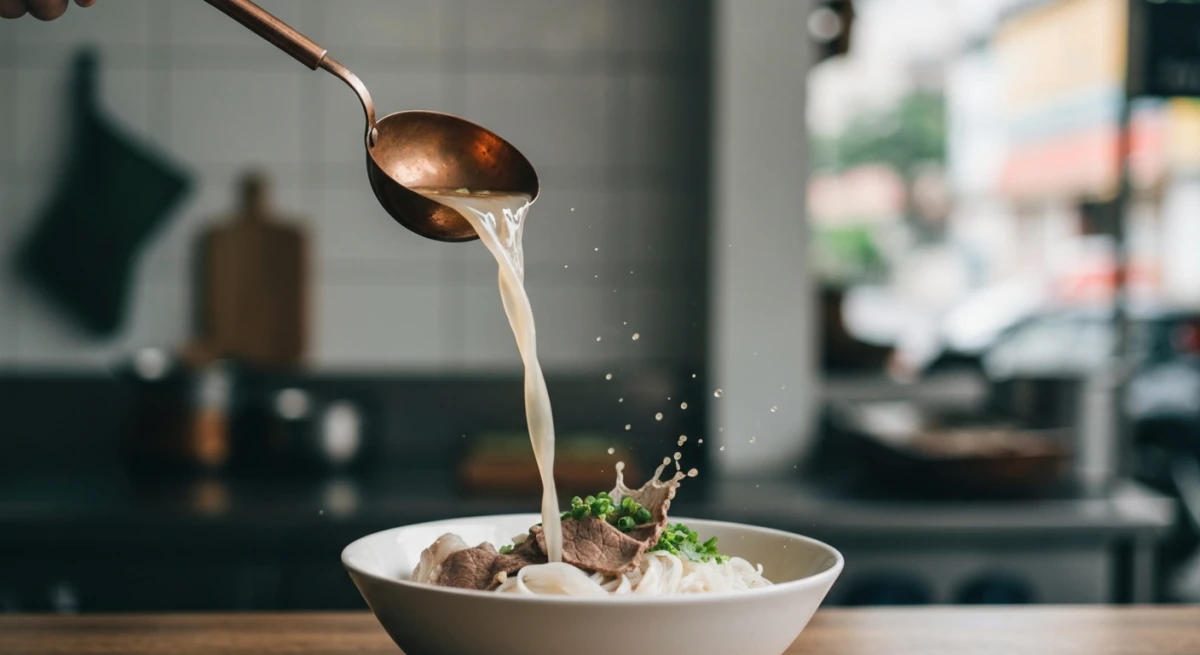
Stepping into Ho Chi Minh City’s District 1, your senses are immediately hijacked by the rhythmic honking of scooters and the intoxicating aroma of sizzling garlic, lemongrass, and rich, simmering bone broths. At the center of this sensory whirlwind stands Ben Thanh Market, an iconic 100-year-old landmark. But while many tourists flock here to bargain for textiles, the real magic of this neighborhood lies in its culinary offerings. Finding authentic, delicious food near ben thanh market can transform your visit from a standard sightseeing trip into a life-changing gastronomic adventure.
Whether you are looking for a steaming bowl of Southern-style crab noodle soup, delicate Hue-style rice cakes, or a refreshing glass of colorful sweet dessert, the streets surrounding this market are a goldmine of culinary heritage. However, navigating this tourist-heavy area can be daunting. With hundreds of vendors competing for your attention, how do you separate the authentic culinary legends from the overpriced tourist traps?
This comprehensive guide is your ultimate roadmap to the best food near ben thanh market. We have done the legwork, spent hours on tiny plastic stools, and compiled the definitive list of must-visit food stalls, legendary street carts, and hidden local secrets. Strap on your walking shoes, bring your appetite, and let’s dive into the delicious soul of Saigon.
1. The Iconic Noodle Masterpieces (Within Walking Distance)
Noodle soups are the backbone of Saigon's street food scene, and the streets surrounding Ben Thanh Market host some of the city's most legendary noodle chefs. Here are three absolute must-visit noodle spots located just a stone's throw from the market gates.
Bún Riêu Gánh (163 Lê Thánh Tôn)
If you eat only one noodle soup near the market, make it the legendary Bún Riêu Gánh. Established in 1978 by Mrs. Mai Thi Lien, this culinary institution operated as a humble sidewalk street cart for over four decades. Today, it has transitioned to a permanent storefront just steps from the market’s East Gate, but the recipe remains absolutely untouched.
Unlike the delicate, minimalist Northern-style crab noodle soups, Mrs. Lien's Southern-style bún riêu is robust, sweet, and deeply savory. The broth is a bubbling, red-orange soup flavored with pounded paddy-field crabs (cua đồng), pork bones, and stewed tomatoes. The undisputed star of the bowl is the massive crab cake (riêu cua). Instead of the loose, crumbly paste found at typical stalls, Mrs. Lien’s crab cake is meaty, tender, and incredibly rich, resembling a high-end gourmet meatball. Each bowl also features blocks of fried tofu, a slice of tomato, and a thick chunk of huyết (congealed pig's blood), which has a silky, savory, custard-like texture. Dip a piece of the crab meatball into the accompanying tamarind-shrimp mixture for an explosion of bright, umami flavors that perfectly balances the sweetness of the broth.
Bún Mọc Thanh Mai (14 Trương Định)
Located right on the corner of Truong Dinh and Nguyen An Ninh streets, Bún Mọc Thanh Mai is a high-speed, assembly-line masterclass in street food efficiency. If you are looking for the ultimate breakfast near Ben Thanh Market, this is where the locals go.
Bún mọc is a Northern-style pork ball noodle soup that offers a clean, comforting contrast to the heavily spiced, sweet soups of the South. The broth here is simmered for hours with pork bones, resulting in a clear, light, but deeply comforting liquid that is seasoned with crispy fried shallots, fresh cilantro, and green onions. The bowl is loaded with thin rice vermicelli noodles and a stunning assortment of pork toppings: chả lụa (steamed pork sausage), chả quế (cinnamon-scented roasted pork sausage), giò sống (tender steamed pork paste balls), and a generous pork rib that falls off the bone. Wilt the fresh greens into the piping hot broth, squeeze in a wedge of lime, and enjoy a nourishing breakfast.
Bánh Canh Cua Bà Già (Inside Market, West Gate)
For those seeking a thick, hearty, and luxurious noodle experience, make your way to Bánh Canh Cua Bà Già (the "Old Lady's Crab Noodle Soup") located inside the market near Gate 7 (West Gate).
Bánh canh noodles are thick, chewy, and made from a blend of tapioca and rice flour, giving them a springy texture similar to Japanese udon. The broth is a thick, viscous, orange gravy-like soup simmered with crab shells, pork bones, and dried shrimp, thickened with tapioca starch. Each bowl is a luxurious treasure trove containing shredded fresh crab meat, sweet shrimp, quail eggs, pork knuckle slices, and savory fish cakes. Grab a piece of quẩy (fried breadstick) from the table, dip it into the rich gravy, and experience a texturally complex dish that represents Saigon's street food ingenuity.
2. Inside the Belly of the Beast: Best Food Stalls Inside Ben Thanh Market
Entering the indoor food court of Ben Thanh Market is a sensory overload. It is a vibrant, chaotic labyrinth of steam, clanking metal, and aromatic smoke. While the souvenir stalls in the market are famous for high-pressure sales and haggling, the food court operates on fixed menus with written prices. However, not all stalls are created equal. To find the most authentic, historic flavors, head to these legendary family-run spots.
Cô Ánh's Hue-Style Rice Cakes (Bánh Bèo Huế Cô Ánh - West Gate / Gate 7)
For nearly 30 years, Ms. Anh has been serving authentic Central Vietnamese delicacies from a small, bustling stall near the market's West Gate. Bánh Bèo (water fern cakes) are small, steamed rice flour discs presented in delicate ceramic plates. Ms. Anh’s secret lies in using premium sticky rice, ensuring the cakes have a silky-smooth texture that melts in your mouth while maintaining a subtle chewiness.
The absolute best way to experience her stall is to order the dĩa thập cẩm (mixed platter). This beautiful plate is a curation of Central Vietnamese culinary art: silky bánh bèo, chewy translucent bánh bột lọc (tapioca dumplings filled with whole shrimp and caramelized pork belly), and bánh ít trần (steamed mung-bean stuffed glutinous rice dumplings). The platter is dusted with a vibrant layer of savory ground dried shrimp (tôm chấy), crispy scallion oil (mỡ hành), and crunchy croutons. The crowning glory is the dipping sauce—a sweet, clear fish sauce infused with sliced bird's eye chilies. Drizzle it over the cakes and enjoy the contrast of textures and flavors.
Chè Bé (Stall near Gate 7 - open since 1968)
After indulging in savory noodle soups, your palate will crave something sweet and refreshing to combat the heat. Walk a few steps over to Chè Bé, a dessert stall that has been a Ben Thanh staple since 1968. "Chè" is the generic term for Vietnamese sweet soup desserts, and Chè Bé is the ultimate temple to this sweet tradition.
The stall features an incredibly colorful display of glass jars filled with various sweet ingredients: red kidney beans, sweet yellow mung bean paste, green pandan jelly ribbons, lotus seeds, water chestnut rubies, and sliced jackfruit. The signature order is Chè Thập Cẩm (mixed sweet soup). The vendor layers these ingredients in a tall glass, pours over a rich, slightly salty coconut milk sauce, and tops it with a mountain of shaved ice. Stir it all together, and you have a sweet, creamy, and incredibly refreshing treat that provides the ultimate escape from the Saigon humidity. They also serve excellent caramel flan and grass jelly desserts.
3. Sizzling Plates and Charcoal Grills: Savory Street Eats
If you want to experience the sheer energy of Saigon's dining culture, you need to eat on the street. The smoky, charcoal-grilled aromas drifting through the streets near Ben Thanh Market will lead you directly to these exceptional spots.
Bún Thịt Nướng Nguyễn Trung Trực (1 Nguyễn Trung Trực)
Located just a three-minute walk from the north gate of Ben Thanh Market, this sidewalk stall is a legend among local office workers and street food aficionados. As you approach the corner of Nguyen Trung Truc street, you will see a thick cloud of sweet, smoky incense rising from a charcoal grill set up right on the pavement. This is the aroma of thin strips of pork belly marinating in lemongrass, garlic, shallots, honey, and fish sauce, caramelizing over red-hot coals.
Bún Thịt Nướng is a dry noodle dish that is perfect for lunch. In a large bowl, the cook builds a foundation of fresh herbs (Vietnamese coriander, mint, Thai basil, and shredded lettuce), layers a bed of soft rice vermicelli (bún) on top, and crowns it with the freshly grilled, smoky pork belly. For the ultimate experience, order it with chả giò (crispy fried spring rolls stuffed with wood ear mushrooms, taro, and ground pork). The entire bowl is topped with pickled daikon and carrots (đồ chua), a spoonful of scallion oil, and a generous sprinkle of roasted peanuts. To eat it like a local, pour the accompanying bowl of sweet-savory chili-garlic fish sauce over the top, use your chopsticks to mix the ingredients thoroughly, and enjoy a harmonious blend of hot and cold, crunchy and soft, sweet and savory.
Bò Né Ba Núi (Nearby)
If you are looking for a hearty, meat-forward meal that showcases the French colonial influence on Vietnamese cuisine, make your way to Bò Né Ba Núi. "Bò né" translates to "dodging beef," a playful reference to the way diners must lean back to avoid the splattering grease of the sizzling cast-iron skillet.
The dish is presented on a cow-shaped iron platter that arrives at your table white-hot and sizzling furiously. It features tender, thinly sliced beef marinated in a savory soy-garlic sauce, a pat of rich, creamy liver pate, a sunny-side-up egg, and a wedge of Laughing Cow cheese, all cooking in a pool of hot garlic butter. It is served with a basket of fresh, crispy baguettes (bánh mì) and a small side salad of lettuce, tomatoes, and cucumbers in a tangy vinaigrette. To eat, tear off a piece of the warm baguette, spread some pate and cheese onto it, dip it into the sizzling egg yolk and garlic butter, and top it with a slice of tender beef. It is an incredibly decadent, rich, and satisfying meal that perfectly represents Saigon’s street food ingenuity.
4. The Golden Rules for Eating Near Ben Thanh Market (A First-Timer’s Survival Guide)
Eating street food near a major tourist hub like Ben Thanh Market requires a bit of local know-how. Use these five insider tips to ensure your culinary journey is safe, affordable, and absolutely delicious.
- Navigate by the Four Iconic Gates: Ben Thanh Market has four main gates, each facing a cardinal direction and a different major street. Knowing your gates helps you easily orient yourself and locate nearby food stalls:
- South Gate (Le Loi Street): Marked by the famous clock tower, this is the main entrance and faces the bustling Quach Thi Trang Square.
- North Gate (Le Thanh Ton Street): Known for fresh produce, flowers, and the sizzling Bò Né stalls nearby.
- East Gate (Phan Boi Chau Street): Home to cosmetics, sweet treats, and the starting point for the legendary evening night market.
- West Gate (Phan Chu Trinh Street): Home to shoes, souvenirs, and iconic local food stalls like Cô Ánh's Bánh Bèo.
- Look for High Turnover, Not Fancy Decor: The best indicator of food safety and quality in Saigon is turnover. Stalls like Bún Mọc Thanh Mai and Bún Riêu Gánh prep and sell out of their ingredients daily. High turnover means the meats, herbs, and broths are incredibly fresh. Avoid empty stalls where food has been sitting exposed to the humid air.
- Verify Prices on Written Menus: To avoid "tourist pricing," always ask for a written menu with listed prices before ordering. While prices near Ben Thanh Market are slightly higher than in outlying residential districts, a premium bowl of noodle soup should still only cost between 55,000 to 90,000 VND ($2.30 to $3.80 USD).
- Always Carry Cash (VND): Sidewalk carts and traditional market stalls do not accept credit cards. Always keep plenty of small Vietnamese Dong bills (10,000 VND, 20,000 VND, and 50,000 VND) handy. Vendors often struggle to make change for large 500,000 VND bills, especially early in the morning.
- Embrace "Trà Đá" Culture: Instead of ordering sweet, sugary sodas, do as the locals do and order a glass of "trà đá" (iced green tea). It costs virtually nothing (usually 2,000 to 5,000 VND), is highly refreshing, and acts as the perfect palate cleanser between rich, spicy, and savory dishes.
5. Curated Itinerary: Eat Your Way Through Ben Thanh in 24 Hours
To help you maximize your culinary adventure, here is a curated, step-by-step itinerary to eat the absolute best food near Ben Thanh Market over a single day.
- 7:30 AM — Breakfast at Bún Mọc Thanh Mai: Beat the midday heat and start your day at 14 Truong Dinh Street. Grab a table, order a regular bowl of Northern-style pork ball noodle soup, and pair it with an authentic "cà phê sữa đá" (iced milk coffee) from the cart next door.
- 11:30 AM — Lunch inside the Market: Head inside Ben Thanh Market through the West Gate (Gate 7). Sit at Bánh Canh Cua Bà Già and enjoy a bowl of thick, comforting crab tapioca noodle soup. Immediately afterward, walk over to Chè Bé for a cold, refreshing glass of Chè Thập Cẩm.
- 3:00 PM — Mid-Afternoon Snack at Cô Ánh's Bánh Bèo: Take a break from shopping and sit down at Ms. Anh’s stall at the West Gate. Order the dĩa thập cẩm (mixed platter) to share, enjoying the delicate, savory Central Vietnamese rice cakes.
- 6:30 PM — Dinner at Bún Thịt Nướng Nguyễn Trung Trực: As the sun sets and the streets come alive, walk over to 1 Nguyen Trung Truc street. Pull up a red plastic stool on the sidewalk. Order a bowl of lemongrass grilled pork noodles with extra crispy spring rolls, soaking in the electric evening atmosphere of District 1.
6. Frequently Asked Questions (FAQ)
Is the food inside Ben Thanh Market safe for tourists to eat?
Yes, the food inside Ben Thanh Market is generally very safe. Because of the massive volume of both local and international visitors, the food stalls maintain high standards of hygiene and experience extremely high turnover, meaning ingredients do not sit around. If you have a sensitive stomach, choose stalls where you can see the ingredients being prepared in clean, stainless-steel containers, and stick to fully cooked, piping hot dishes.
What are the average prices for street food near Ben Thanh Market?
While prices in District 1 are slightly higher than in residential districts like District 4 or District 10, they remain incredibly affordable. A premium bowl of noodle soup (like Bún Riêu or Bún Mọc) typically costs between 55,000 to 90,000 VND ($2.30 to $3.80 USD). Snacks like Bánh Bèo cost around 25,000 to 45,000 VND, and traditional desserts like Chè are around 25,000 to 35,000 VND.
Is the Ben Thanh Street Food Market food hall still open?
No, the trendy "Ben Thanh Street Food Market" food hall previously located at 134 Nam Ky Khoi Nghia street has closed down. However, this should not discourage you—the actual street food surrounding the traditional Ben Thanh Market, along with the vibrant evening food stalls on Phan Boi Chau and Phan Chu Trinh streets, are fully active and offer a far more authentic culinary experience.
Where can I find the best Bánh Mì near Ben Thanh Market?
For the absolute best, world-famous Bánh Mì, take a short 10-minute walk from the market to Bánh Mì Huỳnh Hoa (26 Lê Thị Riêng Street). This legendary shop is famous for serving a massive, heavy baguette loaded with multiple layers of premium cold cuts, rich house-made pate, and silky mayonnaise. If you prefer a lighter, more traditional street cart version, you can easily find excellent local vendors set up immediately outside the East Gate of Ben Thanh Market during the morning hours.
How do I easily get to Ben Thanh Market using public transit?
Getting to the market is easier than ever. It is located directly in the center of District 1, making it a highly walkable destination from nearby hubs like Bui Vien Walking Street or the Nguyen Hue Pedestrian Plaza. Additionally, the newly opened Ben Thanh Station of Metro Line 1 is located directly across the street from the South Gate, offering incredibly convenient public transit access from other parts of the city.
Conclusion
The culinary landscape surrounding Ben Thanh Market is a beautiful, chaotic testament to Saigon's rich history and cultural diversity. By stepping away from the typical tourist paths and pulling up a plastic stool at these legendary local stalls, you aren't just eating—you are participating in a decades-old dining tradition. Use this guide to navigate the gates, order with confidence, and discover why the food near Ben Thanh Market is considered some of the best in Southeast Asia. Bon appétit!