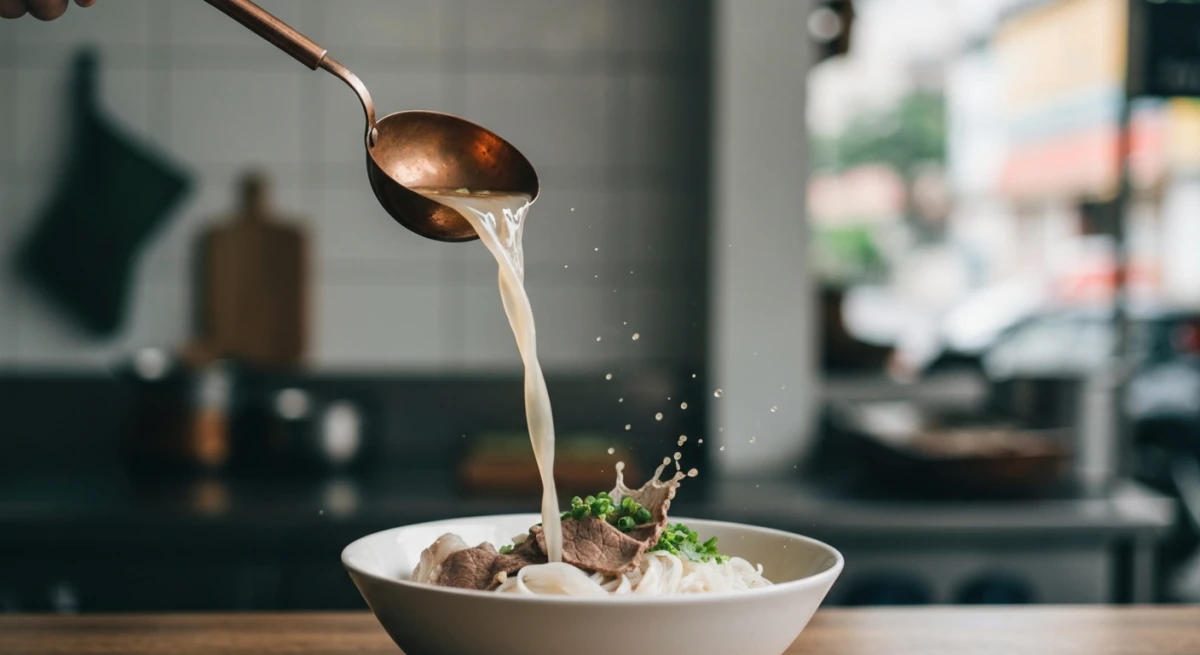
Heading straight into the culinary heart of Vietnam's central coast, Da Nang is a goldmine for food lovers. If you are wondering what the absolute best food to eat in Da Nang is, you are in the right place. Far beyond standard pho, Da Nang's food scene is a bold, texturally exciting blend of mountain herbs, ultra-fresh seafood, and fermented dipping sauces. This complete guide uncovers the top local dishes, how to eat them like a local, where to find them, and the hidden market stalls you shouldn't miss.
Unlike the sweeter profile of Southern Vietnamese cuisine or the subtle, delicate flavors of Hanoi in the North, Central Vietnamese food is a celebration of intense, bold, and contrasting notes. It is salty, spicy, highly herbal, and texturally rich. To truly master the local culinary landscape, you must understand the dishes that define this coastal region.
The Soul of Central Vietnam: 5 Iconic Dishes to Try First
To start your culinary journey, you have to eat the foundational dishes that locals enjoy daily. Here are the five cornerstones of Da Nang's food culture.
1. Mì Quảng (Quang-Style Noodles)
If there is one dish that represents the heart and soul of Da Nang, it is Mì Quảng. Originating from the surrounding Quang Nam province, this noodle dish is a visual and sensory masterpiece.
- The Anatomy of the Dish: At the base of the bowl lies a bed of fresh herbs. Over this sits a layer of wide, flat rice noodles, which are sometimes tinted a vibrant yellow with ground turmeric. Unlike typical Vietnamese noodle soups, Mì Quảng is served with only a small splash of intensely concentrated, savory broth made by slow-simmering pork, chicken, or shrimp. The dish is topped with a variety of proteins—often a combination of tender pork, whole shrimp, quail eggs, and sometimes chicken. For the adventurous foodie, Mì Quảng Ếch (frog Quang noodles) is a highly prized local variation where the frog meat is braised with turmeric and lemongrass, yielding a incredibly tender texture.
- How to Eat It Like a Local: Before you take your first bite, squeeze a wedge of lime over the noodles, drop in a few slices of fresh green chili, and crush a large, toasted sesame rice cracker (bánh tráng nướng) over the top. Use your chopsticks and spoon to toss the entire bowl, ensuring the rich broth, fresh herbs (baby mustard greens, banana flower, mint, and Vietnamese basil), roasted peanuts, and crispy rice cracker bits are evenly distributed. Every mouthful should contain a perfect balance of chewy noodles, savory protein, fresh herbal crunch, and nutty crackle.
- Where to Eat It:
- Mì Quảng Bà Mua: 95A Phan Châu Trinh, Hải Châu District. Famous for its rich, authentic broth and variety of toppings.
- Mì Quảng Ếch Bếp Trang: 26 Lê Hồng Phong, Hải Châu District. Known for serving the frog and noodles on beautiful, separate bamboo platters so you can customize your bowl.
2. Bánh Tráng Cuốn Thịt Heo (Pork Belly Wrapped in Rice Paper)
This dish is a masterclass in clean, fresh flavors, showcasing how Central Vietnamese cuisine transforms humble ingredients into a spectacular meal. It is a hands-on assembly process that is as fun to eat as it is delicious.
- The Anatomy of the Dish: A typical serving comes as a large platter featuring thin, boiled slices of pork belly. The hallmark of high-quality pork here is thịt heo hai đầu da—slices cut so perfectly that there is a strip of tender skin and fat on both ends of the meat. This is accompanied by a massive mountain of raw, wild herbs and vegetables (often over a dozen varieties, including fish mint, perilla, sweet basil, lettuce, cucumber, thinly shaved green mango, green banana, and star fruit), a stack of dry rice paper, and a plate of soft, wet, steamed rice paper sheets (bánh ướt).
- The Mechanics of the Perfect Roll: Eating this requires a specific sequence to prevent the roll from falling apart:
- Lay a sheet of dry rice paper flat on your hand or plate.
- Peel off a single, paper-thin sheet of the wet steamed rice paper and place it directly on top of the dry sheet. The moisture from the wet sheet will instantly soften the dry paper, binding them together.
- Lay down a flat leaf of lettuce near the bottom edge.
- Layer your chosen herbs, a slice of crunchy green banana (which adds a starchy, slightly astringent note), a strip of sour green mango, and cucumber.
- Place a slice of the pork belly on top.
- Roll the paper away from you tightly, tucking in the sides to create a neat, compact roll.
- The Magic of Mắm Nêm: The dipping sauce is what elevates this dish to legendary status. Unlike the sweet-and-sour fish sauce found throughout Vietnam, Bánh Tráng Cuốn Thịt Heo is served with Mắm Nêm—a pungent, fermented anchovy sauce blended with crushed pineapple, chili, garlic, sugar, and lime. It is an absolute umami bomb. It is salty, funky, sweet, and spicy all at once. If you are sensitive to strong fish flavors, you can ask for nước mắm tỏi ớt (garlic chili fish sauce), but trying it with Mắm Nêm is a must.
- Where to Eat It:
- Quán Trần: 4 Lê Duẩn, Hải Châu District. A slightly upscale, incredibly clean restaurant famous for its premium cuts of pork.
- Quán Đại Lộc: 124 Huỳnh Thúc Kháng, Hải Châu District. A beloved local spot offering massive portions at a budget-friendly price.
3. Bánh Xèo & Nem Lụi (Sizzling Crispy Pancakes & Lemongrass Pork Skewers)
While Bánh Xèo is eaten across Vietnam, Da Nang’s version is uniquely distinct from the giant, soft crepes found in Ho Chi Minh City.
- The Anatomy of the Dish: Da Nang-style Bánh Xèo are small, thick, and cooked in individual, screaming-hot cast-iron pans. The batter, made of rice flour, coconut milk, and turmeric, is swirled into the pan with pork belly, shrimp, and bean sprouts, then fried until the edges are golden-brown and shatteringly crisp. It is almost always paired with Nem Lụi—minced pork paste blended with pork fat, lemongrass, garlic, and spices, molded onto fresh lemongrass skewers and grilled over hot charcoal until smoky and caramelized.
- The Assembly and the Secret Sauce: To eat this, cut the crispy pancake in half. Take a sheet of dry rice paper, lay down lettuce, fresh herbs, a piece of the crispy pancake, and slide a piece of the grilled Nem Lụi off its lemongrass stalk into the roll. Roll it up. The game-changer here is the dipping sauce (nước lèo). Instead of standard fish sauce, it is served with a warm, thick, savory dip made of pork liver, peanut butter, roasted sesame seeds, and soy sauce. It is rich, nutty, and incredibly velvety, perfectly cutting through the oiliness of the fried pancake.
- Where to Eat It:
- Bánh Xèo Bà Dưỡng: K280/23 Hoàng Diệu, Hải Châu District. Located down a narrow, bustling alleyway, this is the undisputed temple of Bánh Xèo in Da Nang. The smoky aroma of grilled pork guides you right to the entrance.
4. Bún Chả Cá (Fish Cake Noodle Soup)
Being a coastal city, Da Nang has an abundance of fresh fish, and there is no better way to start your morning than with a steaming bowl of Bún Chả Cá.
- The Anatomy of the Dish: The broth is the star of this dish. It is slow-simmered using fish bones to extract a clean, sweet flavor, then cooked with large chunks of pumpkin, pineapple, tomato, and cabbage. This unique combination yields a naturally sweet, tangy, and deeply comforting broth with a beautiful orange hue. The noodles are topped with chả cá (fish cakes), which are made by scraping the flesh of mackerel, barracuda, or lizardfish, mixing it with dill, garlic, and pepper, and then either steaming (chả cá hấp) or deep-frying (chả cá chiên) them to a springy, bouncy texture.
- How to Eat It: Customize your bowl by adding a spoonful of minced garlic and chili, a squeeze of fresh lime, and a dollop of shrimp paste (mắm ruốc) to deepen the broth's savory undertones. A side plate of raw split water spinach and banana blossoms is provided to stir into the hot broth, softening them slightly while retaining a fresh crunch.
- Where to Eat It:
- Bún Chả Cá Bà Phiến: 63 Lê Hồng Phong, Hải Châu District. Open from early morning until late at night, this legendary stall has been serving perfectly seasoned fish cakes for decades.
5. Bún Mắm Nêm (Noodles with Fermented Anchovy Sauce)
If you enjoyed the flavors of the pork belly rolls but prefer a quick, comforting bowl, Bún Mắm Nêm is the ultimate street food solution.
- The Anatomy of the Dish: A bowl starts with a bed of shredded lettuce, mint, and raw green papaya. Cold rice vermicelli noodles are layered on top, followed by crispy roasted pork belly (heo quay) with an incredibly crunchy crackling, boiled pork, nem chua (fermented pork roll), and chả bò (Da Nang-style beef sausage). The entire bowl is then drizzled with a generous ladle of spicy, garlicky mắm nêm, and garnished with roasted peanuts and fried shallots.
- The Experience: As you mix the ingredients together, the strong aroma of the fermented sauce is cut by the freshness of the mint and the acidity of the green papaya. The contrast between the crunchy pork crackling, the soft noodles, and the intense, spicy-savory sauce makes this one of the most addictive street foods in the city.
- Where to Eat It:
- Bún Mắm Cô Thảo: K14/14 Nguyễn Chí Thanh, Hải Châu District. A hidden alley gem where locals gather for their daily noodle fix.
Da Nang’s Hidden Culinary Treasures & Street Food Delights
While the iconic dishes are a must, the true joy of exploring the food to eat in Da Nang lies in diving into the hidden street stalls and regional snacks that competitors often overlook. Because Da Nang lies geographically between the ancient capital of Hue (famed for its delicate, royal appetizers) and the ancient town of Hoi An (famed for its rustic, herbal dishes), it has absorbed the best of both worlds, creating its own unique hybrid street food scene.
Bánh Ép (Pressed Tapioca Cake)
Originally a specialty from Hue, Bánh Ép has captured the hearts of Da Nang's younger generation. It is a highly interactive street food.
- The Process: Small balls of wet tapioca starch are topped with marinated minced pork, pork fat, and a tiny quail egg. This is placed between two heavy, greased cast-iron plates and pressed tightly over a hot coal burner. Within seconds, the starch cooks into a thin, translucent, chewy, and crispy disk.
- How to Eat It: The hot pressed cake is served with a side of pickled green papaya, carrots, and fresh herbs. You wrap the cake around the pickles and herbs, roll it up, and dip it into a sweet, spicy chili fish sauce. The texture is a brilliant mix of chewiness from the tapioca and crispiness from the edges.
- Where to Eat It:
- Bánh Ép Huế Chị Lê: 88 Nguyễn Gia Thiều, Thanh Khê District.
The Royal Steamed Trio: Bánh Bèo, Bánh Nậm, Bánh Bột Lọc
These three dishes are steamed delicacies that represent the artistic heritage of central Vietnamese cuisine.
- Bánh Bèo (Water Fern Cakes): Small, circular ceramic saucers containing a thin layer of steamed rice batter. It is topped with savory minced shrimp, crispy fried shallots, scallion oil, and crunchy pieces of fried pork rind. You use a small bamboo paddle to scrape the silky cake out of the saucer, adding a drizzle of sweet chili fish sauce.
- Bánh Nậm: A flat dumpling made of rice flour mixed with minced pork and shrimp, wrapped in banana leaves and steamed. It is incredibly delicate and melts in your mouth.
- Bánh Bột Lọc: Translucent, chewy dumplings made from tapioca starch, filled with a whole caramelized shrimp and a small piece of pork belly. The chewiness of the tapioca contrasted with the sweet-savory shrimp is spectacular.
- Where to Eat Them:
- Quán Quê Hương: 441 Hoàng Diệu, Hải Châu District. This family-run shop specializes in perfectly steamed Hue-style cakes.
Cháo Vịt (Duck Porridge)
While chicken porridge is common, Da Nang locals have a deep love for Cháo Vịt, which has even earned recognition in the local MICHELIN Guide.
- The Craft: A whole local duck is slow-simmered to create a rich, comforting broth, which is then used to cook rice porridge infused with mung beans and ginger. The duck meat is sliced and served on a separate platter alongside a zesty salad of shredded cabbage, banana blossom, and herbs.
- The Secret: The dish is accompanied by a sweet, ginger-heavy dipping fish sauce (nước mắm gừng). You dip the tender, succulent duck meat into the ginger sauce, eat it with a spoonful of the warm, velvety porridge, and follow it with a bite of the crisp, refreshing cabbage salad.
- Where to Eat It:
- Quán Nhân: 83 Phan Tứ, Ngũ Hành Sơn District. Recently awarded a Bib Gourmand by the MICHELIN Guide, this spot is packed nightly with locals looking for pure comfort in a bowl.
Snail Platters (Ốc Hút)
For a truly local evening experience, join the crowds sitting on tiny plastic stools eating Ốc Hút (literally "sucked snails"). Small freshwater or saltwater snails are cooked in a massive vat of fragrant broth infused with lemongrass, ginger, chili, and coconut milk. You are given a safety pin to pull the snails out of their shells, or you simply suck them out of the pre-cracked shells, washing them down with a cold local Larue beer.
- Where to Eat It:
- Ốc Hút Đĩa Bay: Located in the area near the Tuyên Sơn Sports Palace, this is a bustling outdoor street market of snail vendors.
Sea-to-Table: How to Master Da Nang’s Live Seafood Scene (Hải Sản)
No travel guide on the food to eat in Da Nang would be complete without highlighting its magnificent seafood. Situated along a sweeping coastline, Da Nang receives daily deliveries of fresh catch from local fishing boats. The seafood culture here is defined by "Hải Sản Tươi Sống" (Live Seafood), where you select your dinner directly from bubbling, oxygenated tanks.
How the Live Tank System Works
Walking into a Da Nang seafood restaurant can be intimidating for first-timers, but mastering the process is easy:
- The Selection: Walk over to the wall of water tanks. You will see everything from giant mud crabs, mantis shrimp, and spiny lobsters to various species of clams, oysters, snails, and fish.
- The Weight: Point to what you want. The staff will net the live seafood, weigh it in front of you, and quote you a price per kilogram.
- The Preparation: This is where you customize your meal. You can choose how you want each item cooked. The most popular local styles include:
- Sốt Me: Cooked in a sweet, tangy, and rich tamarind sauce (excellent for mud crab or snails).
- Hấp Sả: Steamed with fresh lemongrass and chili (best for clams and squid to preserve their delicate sweet flavor).
- Nướng Mỡ Hành: Grilled over charcoal and topped with fragrant green onion oil and crushed roasted peanuts (the absolute best way to eat scallops, oysters, and clams).
- Sốt Trứng Muối: Tossed in a rich, creamy, and salty egg-yolk sauce (amazing with crab or prawns).
Unmissable Seafood Dishes to Order
- Nghêu Hấp Sả (Lemongrass Steamed Clams): A large clay pot filled with sweet, tender clams swimming in a broth of lemongrass, pineapple, and chili. It is incredibly refreshing.
- Sò Điệp Nướng Mỡ Hành (Grilled Scallops with Scallion Oil): Tiny, sweet scallops grilled in their shells, glistening with green onion oil, peanuts, and served with a pinch of salt, pepper, and lime.
- Mực Lá Nướng Sa Tế (Grilled Cuttlefish with Chili Paste): Thick, meaty cuttlefish marinated in spicy satay paste and grilled to smoky perfection, remaining tender and juicy.
Insider Tip to Avoid Tourist Traps
Avoid the massive, ultra-flashy seafood restaurants directly facing My Khe Beach unless you are prepared to pay heavily inflated tourist prices. Instead, walk just one or two blocks inland, or look for busy, open-air, steel-table establishments packed with locals shouting "Một, Hai, Ba, Dô!" (One, Two, Three, Cheers!).
- Where to Eat It:
- Hải Sản Bé Mặn: 13 Võ Nguyên Giáp, Sơn Trà District. Highly popular, energetic, and offering an incredibly massive selection of fresh catch.
- Hải Sản Bé Ni 2: 228 Võ Nguyên Giáp, Sơn Trà District. Another local favorite known for excellent preparation and fair pricing.
Neighborhood Foodie Guide: Where to Eat and Market Crawls
To maximize your culinary adventure, it helps to understand the geography of Da Nang’s food scene. The city is divided by the Han River, creating two distinct vibes: the bustling, traditional city center (Hai Châu District) on the west, and the relaxed coastal strip (Sơn Trà and Ngũ Hành Sơn Districts) on the east.
1. The Markets: Da Nang's Street Food Playgrounds
If you have limited time and want to try multiple dishes in one spot, heading to the local markets is your best strategy.
- Chợ Cồn (Con Market): Located in the heart of the city center, Con Market is the ultimate culinary playground. Avoid the tourist souvenirs and head straight for the indoor food court (Khu ẩm thực). Here, row after row of friendly local ladies sit behind metallic counters piled high with colorful ingredients. You can hop from stall to stall, eating a bowl of Mì Quảng, moving on to Bánh Bèo, and finishing with a sweet cup of Chè (Vietnamese sweet dessert soup with beans, jelly, and coconut milk) for less than $5 total. In the late afternoon, the street surrounding the market transforms into an open-air street food market with vendors selling grilled skewers, dried squid, and fresh fruit.
- Chợ Hàn (Han Market): While Han Market is highly tourist-focused and great for buying coffee beans or dried fruit gifts, the small food section on the ground floor offers decent, quick options like Bún Chả Cá and fresh spring rolls if you are exploring the city center.
- Son Tra Night Market: Located near the famous Dragon Bridge, this market comes alive after sunset. It is a fantastic place to enjoy the sea breeze while snacking on grilled lobster, barbecue skewers, rolled ice cream, and local sweet treats.
2. My An / An Thuong: The Expat Enclave
If you are staying near My Khe Beach, you will likely spend time in the An Thuong area. While this neighborhood is packed with Western restaurants, it also hosts some of the best modern and plant-based adaptations of Vietnamese food.
- Vegan and Vegetarian Food: Da Nang has a flourishing plant-based scene, deeply rooted in the local Buddhist tradition of eating vegetarian food (Ăn Chay) during the full moon and new moon.
- Chickpea Eatery: K4/11 Lê Quang Đạo, Ngũ Hành Sơn. A beautiful, cozy spot serving spectacular, creative vegan interpretations of classic Vietnamese dishes, using fresh, organic ingredients.
- Roots Plant-Based Cafe: 27 An Thượng 5, Ngũ Hành Sơn. Excellent for healthy smoothie bowls, vegan burgers, and cold-pressed juices.
Beyond Food: Da Nang’s Unmissable Liquid Culture
A food guide to Da Nang would be incomplete without mentioning the beverages that accompany these spectacular meals. Vietnam is the world's second-largest coffee producer, and the central coast has developed a highly creative coffee culture that you won't find anywhere else in the world.
1. Cà Phê Muối (Salt Coffee)
While salt coffee originated in the nearby imperial city of Hue, Da Nang has perfected the art. It is a mind-blowing combination of flavors that sounds unusual but works beautifully.
- The Magic: A traditional metal filter (phin) sits atop a glass containing condensed milk and a layer of salted cream. As the intense, dark Robusta coffee slowly drips into the glass, it mixes with the milk. You stir it vigorously with ice. The saltiness of the cream cuts the natural bitterness of the dark roast while amplifying the sweetness of the condensed milk, resulting in a rich, velvety, caramel-like flavor.
- Where to Try It:
- Cà Phê Muối Lạc: A trendy local chain with branches throughout the city.
- Hội Quán Cà Phê Muối: 134 Nguyễn Chí Thanh.
2. Cà Phê Cốt Dừa (Coconut Coffee)
Perfect for a hot afternoon, this drink is essentially a dessert and a caffeine kick rolled into one. Rich, dark espresso is poured over a thick, icy mound of blended coconut cream and condensed milk. It is creamy, nutty, and incredibly refreshing.
- Where to Try It:
- Cong Caphe: 98-96 Bạch Đằng. A famous retro-military themed cafe situated right on the Han River, offering fantastic views and exceptional coconut coffee.
3. Nước Mía Sầu Riêng (Sugarcane Durian Juice)
For the brave foodies, this is a unique street drink found on almost every street corner in Da Nang. Freshly squeezed sugarcane juice is blended with a generous scoop of sweet, fragrant durian puree. The sweetness of the sugarcane perfectly matches the rich, custard-like texture and strong aroma of the durian.
FAQ about Food to Eat in Da Nang
What makes Da Nang food different from Hanoi or Saigon?
Da Nang’s cuisine is characterized by its bold, rustic, and highly seasoned profiles. Unlike Hanoi, which favors subtle, delicate, and balanced flavors, or Saigon, which leans towards sweetness and abundant coconut cream, Da Nang food uses pungent fermented seafood sauces (like mắm nêm and mắm ruốc), fresh coastal herbs, and a significant amount of chili. The dishes are also highly texturally diverse, incorporating crispy rice crackers, raw banana blossoms, and chewy steamed rice sheets.
Is street food in Da Nang safe to eat?
Generally, yes. Street food in Da Nang is highly fresh due to the rapid turnover of customers. To minimize any risk of an upset stomach, follow these guidelines: eat at stalls packed with local families (high turnover means fresh food), ensure cooked meats are served hot off the grill or out of a boiling pot, and stick to bottled water. If you have a highly sensitive stomach, look for established street food restaurants with permanent indoor storefronts.
What is the single most famous food to eat in Da Nang?
Without a doubt, Mì Quảng (Quang-Style Noodles) is the ultimate signature dish of Da Nang and the surrounding central region. It represents the perfect harmony of local ingredients, combining fresh herbs, thick rice noodles, savory braised meats, and a crunchy sesame cracker.
Can I find vegetarian or vegan options in Da Nang?
Yes, absolutely! Da Nang has a rich Buddhist heritage, meaning vegetarian food (Quán Chay) is highly accessible. Many local street food spots offer vegetarian versions of classic dishes on the 1st and 15th days of the lunar month. Additionally, neighborhoods like My An host world-class dedicated vegan restaurants like Chickpea Eatery and Loving Vegan.
How much does a meal cost in Da Nang?
Da Nang is incredibly affordable. A bowl of local noodles like Mì Quảng or Bún Chả Cá at a street food stall typically costs between 30,000 to 50,000 VND ($1.25 to $2.10 USD). A massive feast of fresh, live seafood at a local joint will cost around 250,000 to 500,000 VND ($10 to $20 USD) per person, depending on whether you order premium items like lobster or crab.
Conclusion
Da Nang is a dream destination for any traveler who believes that the best way to understand a culture is through its stomach. By stepping away from standard tourist menus and exploring the narrow alleyways, bustling local markets, and open-air seaside grills, you will unlock a world of incredible textures and bold, unforgettable flavors. From the crunch of a turmeric-infused bowl of Mì Quảng to the rich, savory depth of a perfectly rolled Bánh Xèo dipped in peanut-liver sauce, the food to eat in Da Nang is an adventure waiting to happen. Pack your appetite, leave your culinary comfort zone behind, and prepare to embark on one of the most rewarding culinary journeys of your life.