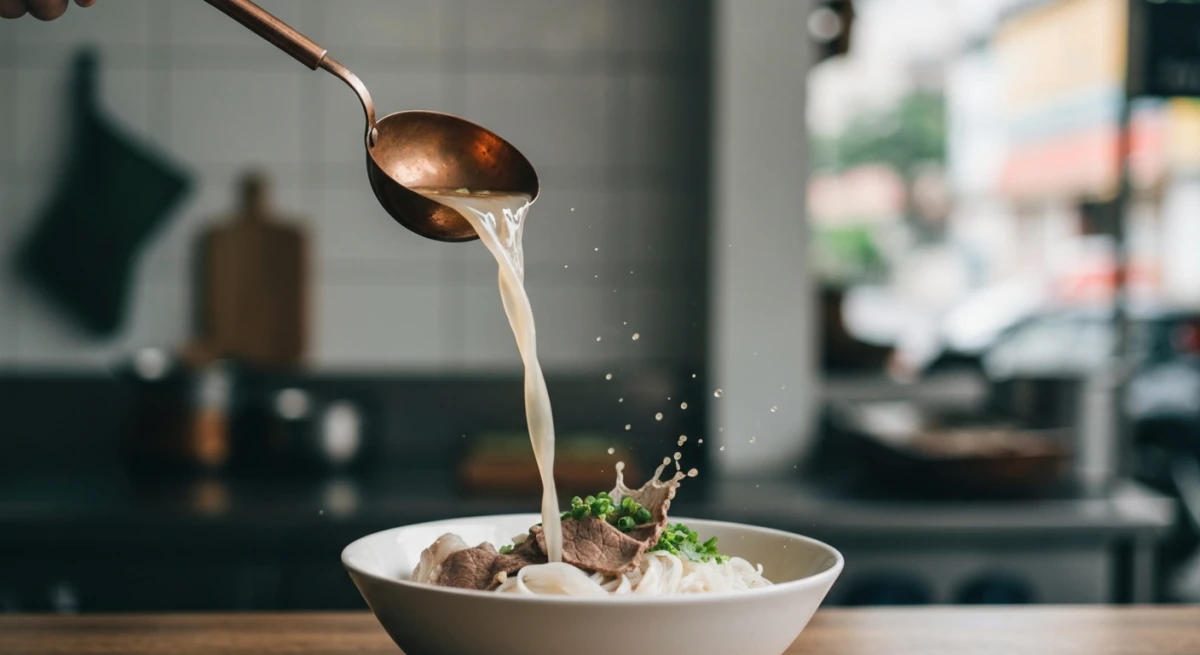
The Soul of Saigon on a Plate
There is a distinct sensory overload that defines Ho Chi Minh City. It is a symphony of revving motorbike engines, the sweet aroma of caramelized pork grilling over open charcoal, and the clinking of ice cubes in glasses of sweet coffee. If you are planning a trip to Vietnam's southern metropolis, your itinerary will inevitably revolve around one magnificent pursuit: discovering the best food to eat in Saigon. Saigon's culinary landscape is a dizzying, beautiful melting pot of sweet Southern flavors, French colonial legacies, Chinese-immigrant culinary techniques, and incredibly fresh ingredients from the surrounding Mekong Delta.
Unlike Hanoi, where culinary traditions are guarded with ancestral, minimalist rigor, Saigon is a playground of innovation, sweet accents, and generous portions. Here, food is bold, herb-laden, and fiercely unpretentious. Whether you are crouched on a low plastic stool in a buzzing alleyway or dining at a modern, ingredient-led bistro, Saigon will change the way you think about flavor. In this comprehensive culinary guide, we will dive deep into the ultimate food to eat in Saigon, from legendary street food hubs to hidden neighborhood institutions that locals keep to themselves.
The Holy Trinity of Saigon Comfort Food
To understand the daily rhythm of life in Saigon, you have to eat what the locals eat for breakfast, lunch, and dinner. These three dishes form the core of the city's culinary identity and are the absolute first food to eat in Saigon when you arrive.
1. Cơm Tấm (Broken Rice)
Historically, cơm tấm was a dish born of poverty. Rice farmers in the Mekong Delta would save the broken grains left over from the milling process—unfit for sale—to cook for their families. Over the decades, this humble dish migrated to the city, where it was transformed into Saigon’s most iconic meal. Today, you will smell cơm tấm before you see it. The smoke from charcoal grills curls out of small shops and alleyways, carrying the sweet, savory aroma of lemongrass-marinated pork.
A classic plate of cơm tấm consists of a bed of warm, slightly dry broken rice topped with a masterfully grilled sườn nướng (pork chop). To elevate the dish, locals add:
- Chả Trứng: A dense, savory steamed meatloaf made of minced pork, wood ear mushrooms, glass noodles, and egg yolks.
- Bì: Shredded pork skin tossed in roasted rice powder, which adds a pleasant, chewy texture.
- Mỡ Hành: A generous drizzle of scallion oil.
- Đồ Chua: Sweet-and-sour pickled carrots and daikon.
The entire dish is tied together by a ladle of sweet, thick nước chấm (prepared fish sauce), spiked with garlic and chili.
- Where to eat it:
- Cơm Tấm Ba Ghiền (84 Đặng Văn Ngữ, Phú Nhuận District): Famous for serving massive, dinosaur-sized pork chops that completely cover the plate. It is a legendary spot that earned a Michelin Bib Gourmand.
- Cơm Tấm Sà Bì Chưởng (86 Nguyễn Gia Trí, Bình Thạnh District): A modern, highly popular spot run by Vietnamese gaming celebrities, known for clean, high-quality ingredients and a balanced, sweet-leaning marinade.
2. Hủ Tiếu Nam Vang (Phnom Penh Noodle Soup)
While Phở dominates the global conversation about Vietnamese noodles, hủ tiếu is the true king of Southern Vietnam. The dish’s full name, Hủ Tiếu Nam Vang, translates to "Phnom Penh noodle soup," reflecting its Cambodian and Chinese origins. It is a beautiful testament to Saigon’s multicultural history.
Unlike Phở, which uses flat rice noodles, Hủ Tiếu features chewy tapioca noodles. The broth is a masterclass in slow-simmered depth, made by boiling pork bones, dried shrimp, and squid for hours until it is intensely sweet and savory. It is topped with a luxurious array of ingredients: minced pork, lean pork slices, whole shrimp, quail eggs, pork liver, and occasionally pork heart, all garnished with sautéed garlic chives, Chinese celery, and crispy fried shallots.
You can order Hủ Tiếu in two ways:
Hủ Tiếu Nước (Wet): Noodles and toppings submerged in the piping-hot, aromatic broth.
Hủ Tiếu Khô (Dry): Noodles are tossed in a rich, sweet, and savory soy-and-oyster sauce glaze. The steaming broth is served on the side in a separate bowl. This is the preferred way for most locals, as it highlights the unique, chewy texture of the tapioca noodles.
Where to eat it:
- Hủ Tiếu Nam Vang Nhân Quán (488 Nguyễn Thị Minh Khai, District 3): A legendary multi-generational establishment that serves an incredibly rich, garlic-forward bowl.
- Hủ Tiếu Nam Vang Thanh Đạt (34 Cô Bắc, District 1): A highly accessible and consistently delicious local chain open 24/7.
3. Bún Thịt Nướng (Cold Rice Noodles with Grilled Pork)
If Saigon’s heat makes hot soup unappealing, Bún Thịt Nướng is your savior. This is southern food harmony in a single bowl. It features a bed of cold rice vermicelli noodles topped with warm, caramelized, lemongrass-marinated pork skewers grilled over wood charcoal.
To add texture and crunch, the bowl is packed with:
- Chả giò (crispy fried spring rolls filled with pork and taro)
- A mountain of fresh herbs (mint, lettuce, sweet basil, coriander)
- Shredded cucumbers and bean sprouts
- Pickled carrots and daikon
- Crushed roasted peanuts and scallion oil
To eat it, you pour sweet-and-sour fish sauce directly over the entire bowl, mix it thoroughly, and enjoy the contrast of cold and warm, sweet and savory, crunchy and soft.
- Where to eat it:
- Bún Thịt Nướng Kiều Bảo (139 Đề Thám, District 1): Beloved by students and budget travelers, this humble eatery offers massive, incredibly cheap portions without compromising on the smoky, sweet flavor of the grilled pork.
Saigon Street Eats: Crispy, Savory, and Shared
Saigon is a city of snackers. Between meals, locals gather around roadside carts and open-air storefronts to share small, crispy, and savory dishes.
1. Bánh Mì (The Saigon-Style Baguette)
While you can find bánh mì across Vietnam, Saigon’s version is a beast of its own. Here, the bread is baked with a mix of rice and wheat flour, resulting in a baguette that is incredibly light, airy, and shatteringly crisp on the outside.
A classic Saigon Bánh Mì is a lesson in flavor layering. The baker slices the warm baguette open, spreads a thick, decadent layer of rich pork liver pâté and salted egg-yolk mayonnaise, and then packs it with:
Multiple varieties of Vietnamese cold cuts (chả lụa, giò thủ)
Sweet, caramelized grilled pork or shredded chicken
A crisp column of fresh cucumber slices, cilantro, and green onions
Tangy pickled daikon and carrots
A few slices of fiery, red bird's eye chilies
A drizzle of savory seasoning sauce
Where to eat it:
- Bánh Mì Huỳnh Hoa (26 Lê Thị Riêng, District 1): Often called the "heavyweight champion" of Saigon Bánh Mì. These baguettes are massive, packed with up to nine layers of cold cuts and an incredibly rich, buttery pâté. Be prepared for a long queue of locals and tourists alike.
- Bánh Mì Bà Huỳnh (55 Đường số 4, District 3): Founded by former business partners of Huỳnh Hoa, this spot serves a virtually identical, incredibly meaty sandwich at a lower price point and with significantly shorter wait times.
- Bánh Mì Hồng Hoa (62 Nguyễn Văn Tráng, District 1): A fantastic alternative if you prefer a lighter, more balanced sandwich with exceptionally crispy bread.
2. Bánh Xèo & Bánh Khọt (Sizzling Crepes and Savory Bites)
Southern Vietnamese bánh xèo is a dramatic departure from the smaller, thicker versions found in Central Vietnam. In Saigon, these savory crepes are massive, thin, and lace-like. The name "bánh xèo" translates to "sizzling cake," named after the dramatic hiss the turmeric-and-coconut-milk batter makes when it hits a scorching-hot, oiled wok.
The crepe is stuffed with pork belly, whole shrimp, mung beans, and a mountain of bean sprouts. It is served with an enormous platter of fresh greens, including large mustard leaves, lettuce, fish mint, perilla, and sweet basil.
- How to eat it: Tear off a piece of the crispy crepe, lay it inside a large mustard leaf, add a handful of herbs, roll it up into a tight package, and dip it deep into sweet garlic-chili fish sauce.
Bánh Khọt is the bite-sized cousin of bánh xèo. These mini-pancakes are cooked in a special dimpled cast-iron mold, giving them a crispy exterior and a soft, custard-like interior. They are topped with a whole shrimp, scallion oil, and a dusting of dried shrimp powder, wrapped and eaten in the exact same manner.
- Where to eat it:
- Bánh Xèo Ăn Là Ghiền (74 Sương Nguyệt Ánh, District 1): A comfortable, clean restaurant that specializes in giant, crispy southern crepes with a variety of creative fillings.
- Bánh Xèo Đinh Công Tráng (46A Đinh Công Tráng, District 1): A legendary alleyway spot that has been serving crispy crepes to hungry crowds for decades.
3. Bột Chiên (Pan-Fried Rice Cakes)
Influenced by Chinese Teochew immigrants, bột chiên is the ultimate late-night comfort food in Saigon. It is simple, carb-heavy, and incredibly satisfying.
The vendor takes cubes of steamed rice flour and fries them on a massive, flat iron griddle until the exteriors are dark brown and shatteringly crisp, while the interiors remain chewy and soft. Once the cakes are perfectly crisped, the cook cracks one or two eggs over them, binds them together into a single, cohesive pancake, and tosses a handful of chopped green onions on top. It is served with a tangy, sweet, diluted soy sauce and a mound of shredded green papaya to cut through the rich grease.
- Where to eat it:
- Bột Chiên Đạt Thành (277 Võ Văn Tần, District 3): A long-standing local favorite where the griddle is constantly sizzling, delivering perfectly crispy rice cakes.
Exploring Deep Broths: Beyond Standard Pho
While Phở is Vietnam's national dish, its roots lie in the North. When Phở migrated south to Saigon in the 1950s, it underwent a dramatic evolution, adapting to the sweeter palates of the South.
1. Southern-Style Phở
If you have only eaten northern-style Pho, the Saigon version will surprise you. The southern broth is sweeter, oilier, and deeply caramelized, flavored with roasted onions, ginger, star anise, cinnamon, and cloves.
Furthermore, Saigon Phở is a highly interactive meal. It is served with a mountain of fresh herbs (Thai basil, saw-tooth herb, cilantro, and rice paddy herb) and a side of hoisin sauce and Sriracha. Southern locals never skip these condiments; they squeeze the sauces directly into the broth or create a dipping dish for the tender slices of beef brisket, flank, tendon, and juicy beef balls (bò viên).
- Where to eat it:
- Phở Lệ (415 Nguyễn Trãi, District 5): Famous for its rich, sweet broth and exceptionally flavorful beef balls.
- Phở Hòa Pasteur (260C Pasteur, District 3): One of the oldest and most historic Pho institutions in Saigon, consistently praised for its deep, comforting broth.
2. Bún Riêu Gánh (Crab and Tomato Noodle Soup)
Bún Riêu is a beautifully rustic, vibrant red noodle soup that highlights the abundant freshwater ingredients of the Mekong Delta. The broth is a complex combination of pork bone broth and a paste made from pounded freshwater paddy crabs. Tomatoes are simmered in the broth to add a gentle, sweet acidity, while annatto seed oil gives the soup its iconic orange-red hue.
A bowl of Bún Riêu is packed with toppings:
- Spongy blocks of tofu that absorb the flavorful broth
- A slice of congealed pig's blood (huyết)
- Pork knuckles or tender ribs
- Savory crab-and-pork meatballs (riêu)
To eat like a local, you must add a small dollop of pungent fermented shrimp paste (mắm tôm), a squeeze of lime, and a handful of shredded banana blossoms and water spinach.
- Where to eat it:
- Bún Riêu Gánh Bến Thành (4 Phan Bội Châu, District 1): Located just outside the East Gate of Ben Thanh Market, this stall has served celebrities, locals, and travelers for over 40 years.
3. Thủy 94 Cũ (Specialty Crab Dishes)
While not a noodle soup, no discussion of deep seafood flavors in Saigon is complete without mentioning crab. Saigon locals are obsessed with fresh crab, and there is one legendary spot that has perfected it.
- Where to eat it:
- Thủy 94 Cũ (84 Đinh Tiên Hoàng, Đa Kao, District 1): This humble, no-frills restaurant specializes entirely in crab dishes. Their standout plates include miến xào cua (glass noodles stir-fried with massive chunks of sweet, fresh crab meat) and their famous crispy deep-fried soft-shell crabs.
The Ultimate Saigon Culinary Experience: Ốc (Seafood & Snails)
To truly experience Saigon’s culinary culture, you must participate in the evening ritual of Ăn Ốc (eating snails). Eating snails is not just a meal; it is a highly social, loud, and joyful bonding experience. Groups of friends and families crowd around low tables on bustling sidewalks, drinking cold beers, peeling shellfish, and talking late into the night.
The sheer variety of shellfish available at a typical Saigon snail stall is mind-blowing. You do not simply order "snails"; instead, you choose your specific shellfish and then select how you want it cooked. Some of the most popular combinations include:
Ốc Hương Xào Bơ: Sweet, spotted snails stir-fried in a rich, sweet garlic butter sauce. Always order a side of bánh mì to soak up the leftover butter!
Sò Lông Nướng Mỡ Hành: Elongated cockles grilled over open charcoal, topped with scallion oil, crispy fried shallots, and crushed peanuts.
Ốc Móng Tay Xào Rau Muống: Razor clams stir-fried with fresh, crunchy water spinach and heaps of garlic.
Ốc Len Xào Dừa: Mud creepers simmered in a rich, sweet, and aromatic coconut cream broth. To eat them, you suck the snail directly out of its shell.
Where to go:
- Vĩnh Khánh Street (District 4): This is the undisputed street food capital of Saigon for snails. As night falls, the entire street transforms into a smoking, sizzling runway of outdoor seafood stalls. Sit on the sidewalk, enjoy the chaotic energy, watch street performers, and dive into plates of fresh shellfish.
- Ốc Đào (212B/C79 Nguyễn Trãi, District 1): Tucked deep inside a maze of alleyways in the city center, this legendary spot is highly regarded for the incredible quality of its sauces and fresh seafood.
Sweet Treats and Legendary Coffee Culture
Saigon’s culinary adventure does not stop at savory dishes. The city’s tropical climate has fostered a love for sweet, refreshing desserts and some of the world’s best coffee.
1. Cà Phê Sữa Đá (Vietnamese Iced Coffee)
Saigon runs on caffeine. The city’s signature drink is Cà Phê Sữa Đá. It is made using dark-roasted Robusta beans brewed through a small, metal drip filter (phin) directly over a generous layer of sweet condensed milk. The intense, chocolatey, and bitter coffee is then poured over a glass packed with crushed ice, creating a rich, syrupy drink that is both incredibly strong and beautifully refreshing.
2. Cà Phê Muối (Salted Coffee)
While traditional iced coffee remains the classic, the culinary sensation of recent years is Cà Phê Muối. Originally from the historic city of Huế, salted coffee has taken Saigon by storm. It features a base of strong Vietnamese coffee topped with a layer of velvety, salted cream foam. The salt cuts through the bitterness of the coffee and enhances the sweetness of the condensed milk, resulting in a complex, butterscotch-like flavor.
3. Chè (Sweet Dessert Soups)
To cool down after a spicy meal, head to a chè stall. These sweet dessert soups are served cold over crushed ice and feature dozens of colorful ingredients, including sweetened mung beans, lotus seeds, grass jelly, boba, coconut milk, and fresh tropical fruits like jackfruit and longan.
- Where to go:
- Chè Thái Ý Phương (380 Nguyễn Tri Phương, District 10): Famous for its rich, aromatic Thai-style chè packed with fresh durian, jackfruit, jelly, and coconut milk.
Neighborhood-by-Neighborhood Street Food Map
If you want to design your own self-guided food tour, here is a breakdown of Saigon's best culinary neighborhoods:
- District 1 (The Bustling Center): While touristy, District 1 holds incredible culinary gems if you know where to look. Head to the Đa Kao ward for high-quality local lunch spots, or wander down Cô Giang Street in the evening for a fantastic array of classic street food, including noodles, banh mi, and fresh juices.
- District 3 (The Local Heart): District 3 is a beautiful neighborhood defined by leafy, tree-lined streets and historic French colonial villas. Head to the Bàn Cờ Market area or the alleyways surrounding the Nguyễn Thiện Thuật apartment blocks. Here, you will find multi-generational vendors serving spectacular Hủ Tiếu, Bột Chiên, and Bún Thịt Nướng.
- District 4 (The Snail Capital): Historically a gritty port district, District 4 has evolved into one of the safest and most vibrant culinary destinations in the city. The entire length of Vĩnh Khánh Street is a paradise for seafood lovers, packed with bustling ốc (snail) restaurants, barbecue stalls, and hotpot spots.
- District 10 (The Youth Hub): If you want to experience Saigon’s modern, youthful food culture, head to Sư Vạn Hạnh Street. This area is packed with universities, meaning the streets are lined with incredibly cheap, creative street snacks, trendy milk tea shops, and fantastic dessert spots.
Saigon Food FAQ: Your Practical Dining Guide
Is street food in Saigon safe to eat?
Yes, street food in Saigon is generally very safe and highly hygienic, provided you use basic common sense. Look for stalls that have a high turnover of local customers—this guarantees that the ingredients are fresh and have not been sitting out. Avoid stalls where meat is left uncovered in the open air.
Can I drink the ice in Saigon?
Yes, the ice in Saigon is safe. Most restaurants and street food vendors buy industrially manufactured tube ice (which is clear and has a hole running through the center) made from purified water. If you see crushed ice shaved from a large block, you may want to avoid it if you have a highly sensitive stomach, but standard tube ice is perfectly safe.
What is the difference between food in Hanoi and Saigon?
Hanoi food is ancient, traditional, and emphasizes subtle, delicate, and balanced flavors with minimal use of sugar and spices. Saigon food, heavily influenced by its warm tropical climate, Cambodia, and southern Chinese immigrants, is much sweeter, bolder, and relies heavily on coconut milk, fresh chilies, and a massive variety of fresh herbs.
How much does street food cost in Ho Chi Minh City?
Street food in Saigon is incredibly affordable. A standard bowl of noodles (like Hủ Tiếu or Bún Thịt Nướng) or a plate of Cơm Tấm typically costs between 30,000 to 70,000 VND ($1.20 to $2.80 USD). A Bánh Mì usually ranges from 20,000 to 60,000 VND ($0.80 to $2.40 USD).
Final Thoughts: Dive In Headfirst
Eating in Saigon is an active sport. It requires you to step out of your comfort zone, navigate chaotic traffic, squeeze onto tiny plastic stools, and point at ingredients you might not immediately recognize. But if you approach the city with an open mind and a healthy appetite, Saigon will reward you with some of the most complex, vibrant, and unforgettable flavors of your life. Pack your walking shoes, keep your appetite sharp, and prepare to fall in love with the incredible food to eat in Saigon.