Introduction
Hanoi, the vibrant, 1,000-year-old capital of Vietnam, is a city defined by its sensory overload. Motorbikes zip past French colonial architecture, the aroma of burning charcoal hangs in the humid air, and the sidewalks are lined with tiny, colorful plastic stools. But above all, Hanoi is a culinary wonderland. For food lovers, there is perhaps no destination on Earth that matches the depth, complexity, and sheer accessibility of Hanoi’s food scene.
If you are planning a trip to Vietnam, knowing the exact food to eat in Hanoi is the key to unlocking the soul of the city. Northern Vietnamese cuisine is famously distinct from its southern counterpart. While Southern food leans sweet and utilizes a bounty of fresh herbs and coconut milk, Northern food is characterized by its subtle, balanced, and deeply savory flavor profiles. It relies heavily on black pepper, slow-simmered broths, and delicate ratios of fish sauce, lime, and chili.
In this ultimate guide, we will deep-dive into the must-try dishes, legendary local establishments, neighborhood street food secrets, and crucial cultural etiquette to ensure you eat like a true Hanoian.
1. The Noodle Dynasties: Hanoi’s Essential Soups and Bowls
No culinary exploration of Hanoi can begin anywhere other than the noodle bowl. Noodles are a way of life here, served for breakfast, lunch, dinner, and late-night snacks.
Pho Bo (Beef Noodle Soup)
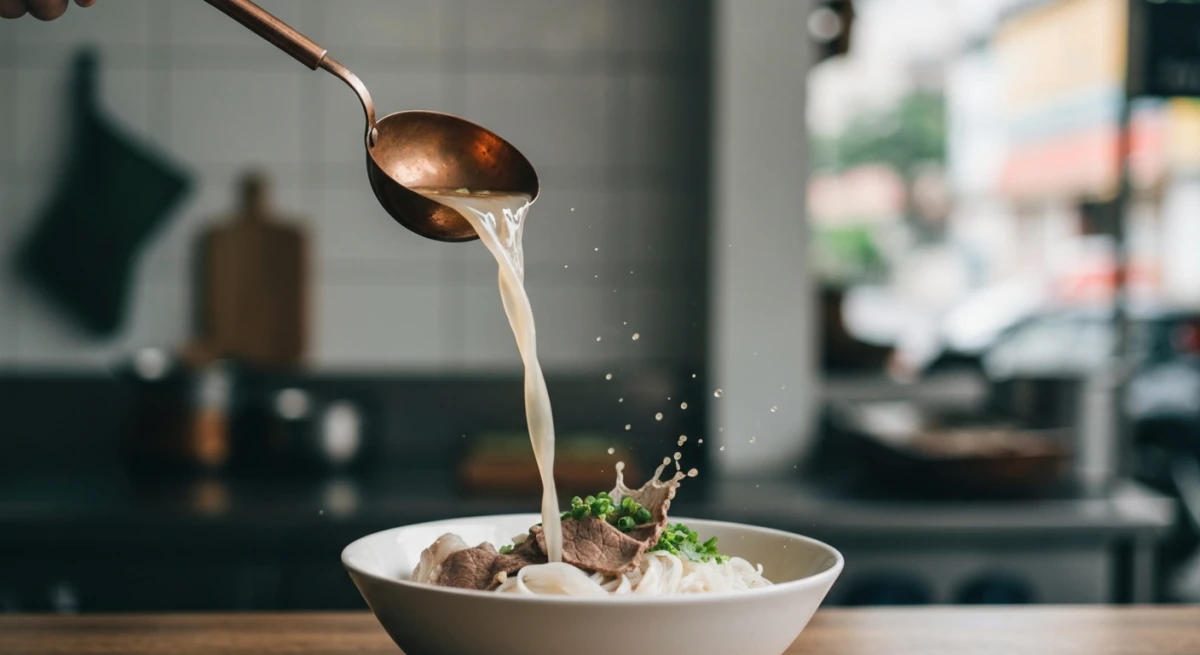
Pho is Vietnam's national dish, but Hanoi is its spiritual home. Unlike the sweeter, herb-heavy Pho of Saigon, Hanoi-style Pho (Pho Bac) is purist. The focus is entirely on a crystal-clear, intensely aromatic broth made by simmering beef bones, charred ginger, onions, star anise, cinnamon, and black cardamom for up to 18 hours. It is served with flat rice noodles, tender slices of beef, and a generous handful of green onions and cilantro.
To eat it like a local, taste the broth first. Then, add a splash of garlic-infused rice vinegar (dam toi) or a squeeze of fresh lime, and a few slices of fresh bird's eye chili. Do not add hoisin sauce—this is considered a sacrilege in Hanoi! Order some quay (fried dough sticks) to dip into the broth.
- Where to try:
- Pho Gia Truyen Bat Dan (49 Bat Dan, Old Quarter): Famous for its rich, traditional broth and long morning queues.
- Pho Thin Lo Duc (13 Lo Duc, Hai Ba Trung): Famous for its unique variation where the beef is flash-fried with garlic before being added to the soup, creating a rich, smoky flavor profile.
Bun Cha (Charcoal-Grilled Pork with Vermicelli)
If Pho is Hanoi’s pride, Bun Cha is its daily obsession. This dish gained global fame when President Barack Obama and chef Anthony Bourdain shared a meal of Bun Cha in Hanoi in 2016. The dish consists of charcoal-grilled pork patties (cha vien) and sliced pork belly (cha mieng) swimming in a warm, light dipping sauce made of fish sauce, sugar, vinegar, and lime juice, garnished with pickled green papaya and carrot.
On the side, you receive a plate of cold rice vermicelli noodles (bun) and a mountain of fresh herbs (perilla, coriander, mint, lettuce). To eat Bun Cha, grab a small bundle of noodles, dip them directly into the warm pork broth, add some herbs, and eat everything in one savory, smoky bite.
- Where to try:
- Bun Cha Huong Lien (24 Le Van Huu): The famous "Obama Bun Cha" restaurant. It remains excellent, though touristy.
- Bun Cha Ta (21 Nguyen Huu Huan): Known for its high-quality ingredients and clean, welcoming atmosphere in the Old Quarter.
Pho Tron (Dry Mixed Pho)
While hot soup pho reigns supreme in the winter, Pho Tron is Hanoi's genius response to hot summer days. Instead of broth, flat rice noodles are tossed in a savory, slightly sweet soy-based sauce, then topped with tender beef or shredded chicken, fresh herbs, crispy fried shallots, crushed peanuts, and fresh bean sprouts. It is a texture-packed delight that is light yet deeply satisfying.
- Where to try:
- Pho Co (2 Hang Chi, Old Quarter): A legendary local spot hidden in a tiny residential alleyway.
Bun Rieu Cua (Crab and Tomato Noodle Soup)
Bun Rieu Cua is a visual and sensory masterpiece. This noodle soup features a vibrant, reddish-orange broth made from tomatoes, tamarind, and fresh freshwater crabs crushed into a fine paste. The soup is topped with fluffy crab meat patties (rieu cua), fried tofu blocks that soak up the broth like sponges, and fresh scallions. Many stalls also offer toppings like thinly sliced beef, pork sausage (gio), or congealed pig's blood (huyet).
The broth is wonderfully sour, savory, and sweet all at once. It is traditionally served with finely shredded banana blossoms and split morning glory stems.
- Where to try:
- Bun Rieu Trang (11 Hang Bac, Old Quarter): A legendary street stall where you sit on low plastic stools right on the sidewalk.
Bun Thang (The Elegant Chicken and Egg Noodle Soup)
Historically created to utilize leftovers during the Lunar New Year (Tet), Bun Thang is the most visually sophisticated noodle soup in Hanoi. It requires meticulous preparation. The ingredients are shredded into impossibly thin, uniform threads: shredded chicken breast, thin strips of fried egg omelet, julienned Vietnamese pork sausage (gio lua), and fragrant laksa leaves. These are beautifully arranged in sections over fine rice noodles, then doused in a crystal-clear, steaming hot chicken and dried shrimp broth.
- Where to try:
- Bun Thang Ba Duc (48 Cau Go, Old Quarter): Hidden down a narrow alleyway, this spot has served perfect Bun Thang for generations.
2. Crispy, Rolled, and Pan-Seared: Iconic Savory Bites
Beyond noodle soups, Hanoi's culinary landscape features incredibly textured street snacks and family-style dishes that rely on fresh herbs and delicate wrappers.
Cha Ca (Turmeric Fish with Dill and Spring Onions)
Cha Ca is so revered in Hanoi that there is an entire street named after it (Pho Cha Ca). The dish features chunks of white fish (traditionally hemibagrus, a type of catfish) marinated in turmeric, galangal, and garlic. The fish is pan-fried at your table in a sizzling skillet filled with a mountain of fresh dill and spring onions.
To assemble your bowl, place some rice vermicelli in your bowl, add a piece of the sizzling turmeric fish, some wilted dill and spring onions, a sprinkle of roasted peanuts, and drizzle it with a spoonful of mam tom (fermented shrimp paste mixed with lime juice and sugar until frothy). The combination of flavors is intense, aromatic, and absolutely unforgettable.
- Where to try:
- Cha Ca Thang Long (6B Duong Thanh, Old Quarter): Widely regarded by locals and expats as offering better quality and service than the historic (but tourist-weary) Cha Ca La Vong.
Banh Cuon (Steamed Rice Crepes)
Banh Cuon is the ultimate Hanoi breakfast food. It consists of a thin sheet of fermented rice batter steamed over a stretched cloth. Once cooked, the paper-thin, translucent crepe is rolled with a savory filling of minced pork and wood ear mushrooms. It is brushed with shallot oil, sprinkled with crispy fried shallots, and served with a warm bowl of light dipping sauce (nuoc cham) often infused with a drop of ca cuong (giant water bug essence) for a unique anise-like aroma.
You can eat it plain or pair it with cha que (cinnamon pork sausage).
- Where to try:
Banh Mi Hanoi
While Banh Mi is celebrated globally, the Hanoi version of this famous French-Vietnamese hybrid sandwich is distinctly different from the heavily laden versions found in Ho Chi Minh City. Hanoi Banh Mi favors simplicity and balance over mass. It focuses on high-quality liver pate, salted butter, a few slices of pork ham, and a sprinkle of cucumber and cilantro, topped with a local chili sauce. The bread itself is incredibly crispy and light.
- Where to try:
- Banh Mi 25 (25 Hang Ca): Extremely popular with tourists for its wide variety of fillings and hygienic preparation.
- Banh Mi Lan Ong (8 Hang Giay): A local favorite famous for its rich, decadent house-made pate that has kept patrons coming back for decades.
Nem Cua Be (Deep-Fried Crab Spring Rolls)
Often served alongside Bun Cha, Nem Cua Be is a square-shaped spring roll stuffed with fresh sea crab meat, minced pork, wood ear mushrooms, glass noodles, and bean sprouts, wrapped in crispy rice paper. Unlike the cylindrical spring rolls found elsewhere, these square parcels are fried to an incredibly crispy, golden finish and cut into bite-sized quarters with scissors before serving. The sweet crab meat combined with the shatteringly crisp wrapper is a match made in heaven.
- Where to try:
- Nem Cua Be Dak Kim (1 Hang Manh, Old Quarter): A massive portion of crispy, crab-filled perfection.
3. Hanoi’s Legendary Coffee and Sweet Culture
No guide to the food to eat in Hanoi would be complete without highlighting the city's legendary coffee culture, which is deeply woven into the daily rhythm of life.
Ca Phe Trung (Egg Coffee)
Created in the 1940s during a wartime condensed milk shortage, egg coffee has become Hanoi’s signature beverage. It consists of dark, strong Robusta coffee topped with a thick, decadent foam made by whipping egg yolks with condensed milk, honey, and sugar. The result is a rich, creamy concoction that tastes like liquid tiramisu or coffee custard.
To drink it, use a spoon to taste the sweet foam first, then gently stir the dark coffee from the bottom to create a balanced harmony of bitter and sweet.
- Where to try:
Che (Vietnamese Sweet Dessert Soup)
When the Hanoi summer heat hits, locals head to sweet soup stalls for Che. Che is a broad term for sweet dessert soups, puddings, or drinks. They can feature layers of sweet beans (mung bean, black bean), grass jelly, tapioca pearls, water chestnut, lotus seeds, and coconut cream served over shaved ice.
- Where to try:
- Che Muoi Sau (19 Ngo Ngo Tram): A historic, traditional shop serving classic, comforting bowls of sweet beans and sticky rice.
4. Hanoi Neighborhood Food Guide: Where to Eat
Hanoi's culinary map is divided into distinct neighborhoods, each offering its own culinary personality and specialties.
The Old Quarter (Hoan Kiem)
This is the beating heart of Hanoi's street food scene. With narrow alleys named after the trades historically practiced there, the Old Quarter is where you will find the highest concentration of legacy food stalls.
- Vibe: High-energy, crowded, chaotic, and incredibly delicious.
- Must-try here: Pho Gia Truyen, Bun Rieu Hang Bac, Cafe Giang, Banh Cuon Hang Ga.
Truc Bach & West Lake (Tay Ho)
Located just north of the Old Quarter, this area is calmer, wrapping around scenic lakes. It is the birthplace of Pho Cuon (rolled pho), a refreshing dish of uncut flat pho sheets wrapped around stir-fried beef, lettuce, and cilantro, dipped in fish sauce.
- Vibe: Relaxed, scenic, great for evening dining.
- Must-try here: Pho Cuon Huong Mai (25 Ngu Xa) and fresh grilled seafood along the lake.
Ba Dinh & Dong Da
The political and academic centers of Hanoi are home to bustling local markets and student-friendly food streets. These areas offer highly authentic local dining at fraction-of-the-cost prices, away from tourist crowds.
- Vibe: Highly local, budget-friendly, busy during lunch hours.
- Must-try here: Bun Ca (fish noodle soup) and Banh Beo (savory steamed rice cakes).
5. Street Food Etiquette and Safety Tips
Eating on the streets of Hanoi is an art form. To make the most of your adventure while staying healthy, keep these tips in mind:
- Watch the Crowd: The best indicator of food safety and quality is a high turnover of local customers. If a stall is packed with locals sitting on plastic stools, the ingredients are guaranteed to be fresh.
- Sanitize Your Utensils: Tables are stocked with chopsticks, spoons, and lime wedges. It is common practice to take a tissue, squeeze a bit of lime juice onto it, and wipe down your chopsticks and spoon before eating.
- Embrace the Condiments: Do not be shy with table condiments. Garlic vinegar, bird's eye chilies, chili sauce, and lime wedges are there to help you customize the dish to your personal taste.
- The Ice Debate: Hanoi's ice production is highly regulated today, and most reputable street stalls use tube ice (which has a hole in the middle), indicating it comes from a purified water factory. It is generally safe to drink iced green tea (tra da) or iced coffee.
- Pay After Eating: Unless you are in a highly commercialized tourist joint, you generally eat first and pay when you are finished. Simply catch the owner's eye and say "Tinh tien" (pronounced ting tee-en) to get your bill.
Frequently Asked Questions (FAQ)
What is the most famous food in Hanoi?
The most famous food in Hanoi is undoubtedly Pho Bo (Beef Noodle Soup) and Bun Cha (Charcoal-Grilled Pork with Vermicelli). Egg Coffee (Ca Phe Trung) is also globally recognized as Hanoi's signature beverage.
Is street food in Hanoi safe?
Yes, Hanoi’s street food is remarkably safe if you use common sense. Look for stalls with high customer turnover, as this ensures the ingredients do not sit out. Avoid raw vegetables if you have a highly sensitive stomach, and stick to hot, freshly cooked dishes.
What is the difference between Northern and Southern Vietnamese food?
Northern Vietnamese food (Hanoi) is more subtle, savory, and balanced, relying heavily on black pepper and slow-cooked broths without using much sugar. Southern Vietnamese food (Saigon) is sweeter, spicier, and uses a wider variety of fresh herbs, coconut milk, and fresh chilies.
How much does street food cost in Hanoi?
Street food in Hanoi is incredibly affordable. A bowl of Pho or Bun Cha typically costs between 40,000 VND and 70,000 VND ($1.60 to $3.00 USD). A cup of egg coffee costs around 30,000 VND to 45,000 VND ($1.20 to $1.80 USD).
Conclusion
Hanoi is a city that reveals its secrets through its kitchens. From the rich, long-simmered depths of a breakfast bowl of Pho Bo to the smoky, grilled perfection of Bun Cha, the food to eat in Hanoi is as much an exploration of history and culture as it is a culinary delight. Do not let the chaotic traffic or tiny plastic stools intimidate you. Grab a seat, order with confidence, and let your taste buds discover why Hanoi is globally recognized as one of the world's greatest food capitals.