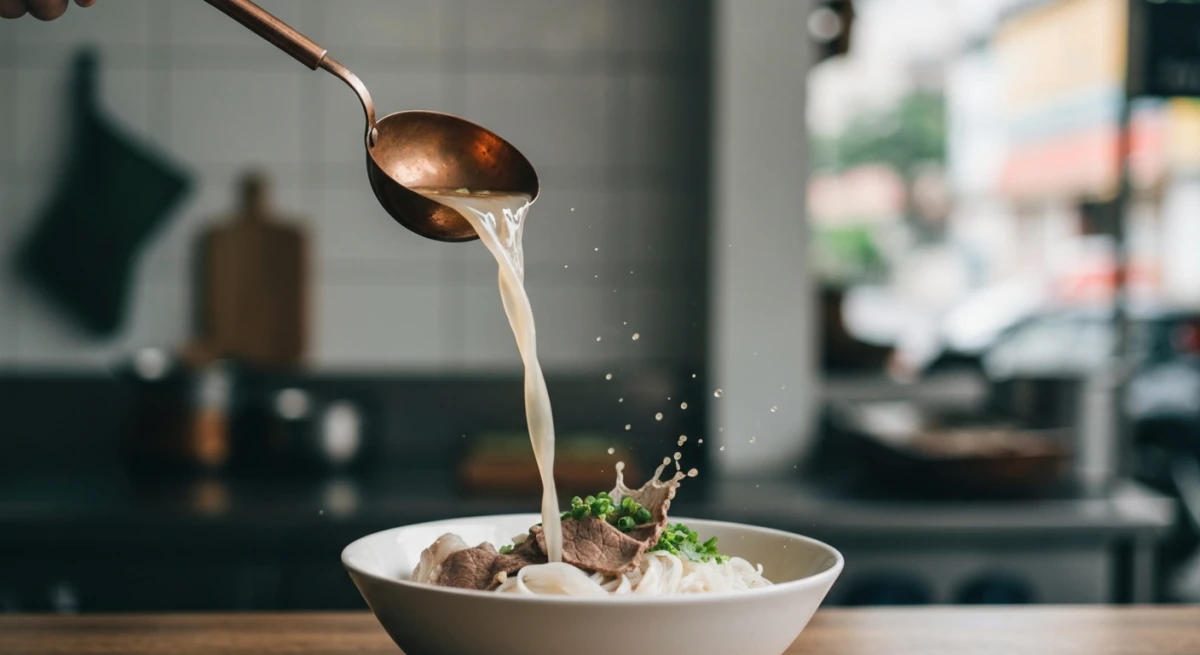
When you think of Vietnamese cuisine, images of Hanoi's steaming bowls of Pho or Ho Chi Minh City's crispy Bánh Mì often come to mind. But if you truly want to experience the most vibrant, complex, and unpretentious flavors in the country, you must look to Central Vietnam. Specifically, the coastal city of Da Nang is a culinary goldmine. Finding the best food to eat in danang means embarking on a journey through royal imperial legacies, rustic farming traditions, and the daily bounty of the East Sea.
Da Nang sits geographically at a vital crossroads. Flanked by the dramatic Truong Son mountain range on one side and the vast East Sea on the other, the city has developed a food identity that is deeply tied to its physical environment. Historically, its proximity to the imperial capital of Hue meant that royal, highly refined culinary techniques filtered down to the masses. Simultaneously, its close ties to the ancient trading port of Hoi An brought international merchants—namely Chinese and Japanese—who introduced unique culinary styles that were adapted into local creations. This intersection of geography and history results in a culinary landscape that is incredibly diverse, boldly spiced, and centered around fresh ingredients. Let us explore the absolute best culinary treasures that make this city a paradise for food lovers.
1. The Iconic Noodle Bowls of Da Nang
No culinary exploration of Da Nang is complete without diving headfirst into its legendary noodle scene. In Central Vietnam, noodles are not merely sustenance; they are a direct reflection of local history, geography, and agricultural heritage.
Mì Quảng: The Soul of Central Vietnam on a Plate
If Da Nang had a national dish, it would undoubtedly be Mì Quảng (Quang-style noodles). Originating from the surrounding Quảng Nam Province, this dish is deeply woven into the local way of life. It is eaten for breakfast, lunch, and dinner, and is an indispensable presence at family reunions and traditional celebrations.
What makes Mì Quảng entirely unique in the Vietnamese noodle pantheon is its architecture. Unlike Pho, which is swam in a clear, delicate broth, Mì Quảng is served with a highly concentrated, intensely savory broth that barely skims the bottom of the bowl. The noodles themselves are wide, flat, and often tinted a beautiful golden-yellow using fresh turmeric.
The classic rendition features a combination of tender pork, whole river shrimp, and boiled quail eggs. However, local variations are vast and highly creative. You can easily find versions topped with free-range chicken ('mì quảng gà'), tender field frog ('mì quảng ếch'), snakehead fish ('mì quảng cá lóc'), or even adventurous options like wild eel.
The magic of Mì Quảng lies in its accompanying textures and garnishes. Every bowl is topped with a generous sprinkle of roasted peanuts, chopped scallions, and fresh cilantro. It is served with a massive basket of local greens (including baby mustard greens, shredded banana blossom, and fish mint) and a crispy, toasted sesame rice cracker ('bánh tráng').
- How to Eat It Like a Local: Do not eat the components separately. First, break the crispy sesame rice cracker directly into the bowl. Squeeze a fresh lime wedge over the noodles, throw in a generous handful of the fresh greens, and toss everything thoroughly from the bottom up. The goal is to let the concentrated, golden broth coat every single noodle, herb leaf, and cracker piece. Pair each bite with a nibble of a fresh green bird's eye chili for that signature fiery Central Vietnamese kick.
- Where to Find the Best Mì Quảng:
- Mì Quảng Cô Sáu (Michelin-selected): Renowned for its rich, traditional broth, exceptionally chewy hand-cut noodles, and premium, carefully sourced toppings.
- Mì Quảng Bà Mua (multiple locations): A household name across Da Nang, beloved by locals and tourists alike for its consistent quality and outstanding shrimp and pork combination.
- Mì Quảng 1A (1A Hải Phòng St): A classic, no-nonsense spot that has been serving generations of hungry locals.
Bún Chả Cá: The Ocean's Harvest in a Sweet-Sour Broth
Given Da Nang’s geography as a bustling coastal fishing port, it is no surprise that fish plays a starring role in its noodle culture. 'Bún Chả Cá' (fish cake noodle soup) is the ultimate tribute to the daily harvest of the East Sea.
Unlike Northern fish noodle soups, which often rely on dill and ginger, Da Nang’s Bún Chả Cá features a vibrant, reddish-orange broth that strikes a perfect balance between sweet, savory, and mildly sour. This complex flavor profile is achieved by simmering fish bones for hours alongside a colorful medley of local vegetables: sweet pumpkin, cabbage, fresh pineapple, ripe tomatoes, and bamboo shoots.
The star toppings are the 'chả cá' (fish cakes), which come in two distinct styles in every bowl: 'chả cá chiên' (deep-fried fish cakes with a golden, delightfully chewy skin) and 'chả cá hấp' (delicately steamed fish cakes, often studded with wood ear mushrooms and black pepper). The fish cakes are made by hand-scraping the flesh of fresh mackerel, barracuda, or lizardfish, then vigorously whipping the paste with garlic, shallots, and local spices to create an incredibly bouncy, springy texture.
- Where to Find the Best Bún Chả Cá:
- Bún Chả Cá Hờn (Michelin Bib Gourmand): Famous for its robust, highly aromatic broth, generous portions, and incredibly flavorful fish cakes.
- Bún Chả Cá Bà Phiến (63 Lê Hồng Phong St): A legendary street-side spot open late into the night, celebrated for its unique addition of sweet crab paste and thick chunks of marinated tuna to the soup.
- 109 Nguyễn Chí Thanh: A historic eatery that has set the standard for traditional Da Nang-style fish cake soup for decades.
Bún Mắm Nêm: A Pungent Masterpiece for the Bold Foodie
If you want to transition from a culinary tourist to a true local epicurean, 'Bún Mắm Nêm' is your rite of passage. This dish is not for the faint of heart, but for those who appreciate deep, complex umami flavors, it is often their absolute favorite dish in Vietnam.
The defining ingredient is 'mắm nêm'—a thick, dark, aggressively pungent sauce made from fermented anchovies. To make it palatable and incredibly addictive, local cooks blend the fermented fish paste with crushed pineapple, garlic, bird's eye chilies, sugar, and lime juice. The result is an explosive flavor profile that is simultaneously salty, sweet, sour, spicy, and intensely savory.
Instead of a hot soup, Bún Mắm Nêm is served as a dry noodle salad. A bowl is layered with cold rice vermicelli noodles, a mountain of finely shredded herbs, crisp cucumbers, pickled green papaya, roasted peanuts, and your choice of protein—usually crispy roasted pork belly ('heo quay'), tender boiled pork, or savory Vietnamese beef sausage ('chả bò'). The pungent dressing is ladled over the top, waiting to be thoroughly mixed.
- Where to Find the Best Bún Mắm Nêm:
- Quán Tâm (23 Nguyễn Chí Thanh St): Renowned among locals for having the perfect balance of sweetness and spice in their mắm nêm, paired with exceptionally crispy roasted pork belly.
- Bún Mắm Nêm Cô Liên (52 Trần Bình Trọng St): A bustling local favorite that serves generous portions with an authentic, uncompromisingly spicy flavor.
2. The Art of the Roll: Wrapping, Dipping, and Sharing
In Da Nang, dining is an interactive, communal experience. Many of the city's most beloved dishes are served as platters of raw and cooked ingredients, inviting diners to roll their own creations using thin rice paper sheets, mountains of fresh herbs, and highly specialized dipping sauces.
Bánh Tráng Cuốn Thịt Heo: The Double-Skin Pork Belly Roll
Don't let the simple English translation of 'pork wrapped in rice paper' fool you; 'Bánh Tráng Cuốn Thịt Heo' is a masterclass in culinary precision and ingredient harmony.
The centerpiece of this dish is the poached pork belly. However, this is no ordinary cut of pork. Local culinary masters utilize a highly specific cut known as 'thịt heo hai đầu da' (pork with skin on both ends). Through meticulous preparation and precise boiling techniques, each thin slice of pork belly retains a strip of tender, gelatinous skin and fat on both the top and bottom edges, framing the juicy lean meat in the center.
When you order this dish, your table will be covered in an array of components:
- A plate of the signature double-skinned pork belly slices.
- Dry, circular rice paper sheets ('bánh tráng').
- A plate of fresh, wet rice paper sheets ('bánh ướt') which are layered inside the dry wrap to provide structural integrity and a soft, pillowy mouthfeel.
- An enormous, overflowing basket containing at least a dozen varieties of fresh herbs and raw vegetables, including fish mint, perilla, sweet basil, green banana slices, sour starfruit, and crisp cucumbers.
- A bowl of spicy, pineapple-infused 'mắm nêm' dipping sauce.
- How to Roll It Like a Pro: Lay a sheet of dry rice paper flat on the palm of your hand. Gently peel a sheet of the soft, wet 'bánh ướt' and place it directly on top of the dry sheet. Next, build your green foundation: select a leaf of lettuce, and layer on a mix of aromatic herbs, cucumber, and green banana. Place a slice of the double-skinned pork belly in the center. Roll the paper tightly from the bottom up, securing all the ingredients into a neat cylinder. Dip the end of your roll generously into the 'mắm nêm' and enjoy. The contrast between the warm, rich pork fat, the crisp, refreshing herbs, and the pungent, sweet-spicy dipping sauce is nothing short of culinary magic.
- Where to Find the Best Bánh Tráng Cuốn Thịt Heo:
- Quán Trần (4 Lê Duẩn St): A clean, modern restaurant that has popularized this dish among travelers, known for its pristine presentation and premium-quality ingredients.
- Bánh Tráng Thịt Heo Đại Lộc (97 Trưng Nữ Vương St): An authentic, highly rated local spot that sources its pork and organic herbs directly from the famous agricultural district of Đại Lộc.
Bánh Xèo and Nem Lụi: The Crispy-Smoky Duo
While 'Bánh Xèo' (sizzling crepes) can be found throughout Vietnam, Da Nang’s version is distinct from its giant, thin Southern counterpart. Here, the crepes are small, thick, and fried to an extreme level of crunchiness in small, circular cast-iron pans.
The batter—made from rice flour, coconut milk, and turmeric—is poured into the piping hot pan, creating a dramatic 'sizzle' (hence the name 'xèo'). It is filled with whole sweet baby shrimp, pork belly, and fresh bean sprouts, then folded in half to seal in the steam.
This crispy delight is almost always paired with 'Nem Lụi'—savory, finely minced pork skewers that are seasoned with shallots and black pepper, molded around fresh lemongrass stalks, and grilled over hot charcoal. The grilling process caramelizes the pork and infuses it with a smoky, citrusy aroma from the lemongrass.
What truly elevates Da Nang’s Bánh Xèo and Nem Lụi is the dipping sauce. Instead of the standard sweet-and-sour fish sauce ('nước mắm chấm'), locals serve a warm, thick, and incredibly rich peanut-liver sauce ('nước tương đậu phộng'). Made by simmering ground pork liver, roasted peanuts, sesame seeds, and soy sauce, this velvety gravy is deeply savory, nutty, and mildly sweet.
- How to Eat It: Take a piece of dry rice paper. Place a piece of the crispy Bánh Xèo and a smoky Nem Lụi skewer onto the paper. Using your hand, grip the ingredients through the paper and slide the lemongrass stalk out of the meat. Add your favorite herbs and cucumber slices, roll it up tightly, and dip it deep into the warm peanut-liver sauce.
- Where to Find the Best Bánh Xèo & Nem Lụi:
- Bánh Xèo Bà Dưỡng (K280/23 Hoàng Diệu St): Tucked deep inside a famously narrow residential alleyway, this is the legendary, undisputed king of Bánh Xèo in Da Nang. The alleyway is constantly filled with smoke from the charcoal grills and the lively chatter of hundreds of diners.
- Bánh Xèo Lipton (located right next to Bà Dưỡng): Offers a slightly less chaotic dining experience with a highly comparable, delicious flavor profile and identical dipping sauce.
3. Coastal Delicacies and Hidden Local Specialties
Da Nang's culinary landscape extends far beyond noodles and rolls. Its unique geographical location—nestled between the mountains and the sea—has given birth to extraordinary coastal specialties that many casual tourists completely overlook.
Gỏi Cá Nam Ô: The 'Sushi of Da Nang'
For the ultimate culinary adventure, you must seek out 'Gỏi Cá Nam Ô' (Nam O Raw Fish Salad). Originating from the historic fishing village of Nam Ô, located at the base of the dramatic Hải Vân Pass, this dish showcases the absolute freshness of the local coastal waters.
The dish features fresh herring or anchovies, caught in the early morning hours, meticulously filleted, deboned, and cured in fresh lime juice or rice vinegar to gently 'cook' the delicate flesh. You can order this dish in two distinct styles:
- Gỏi Cá Khô (Dry Salad): The cured fish fillets are tossed in a mixture of toasted, finely ground rice powder ('thính'), minced ginger, garlic, and dried chilies. The result is a dry, nutty, and highly aromatic dish with absolutely no fishy odor.
- Gỏi Cá Ướt (Wet Salad): The fish is steeped in a rich, deeply spicy marinade made from premium Nam Ô fish sauce, ginger, garlic, lime juice, and chopped chilies.
Crucially, Gỏi Cá Nam Ô must be eaten with a highly specific assortment of wild forest leaves and herbs gathered directly from the slopes of the Hải Vân Pass (including 'lá trâm', 'ngạnh', and 'lộc vừng'). These rare leaves provide unique astringent, bitter, and medicinal notes that perfectly balance the rich, spicy fish.
- Where to Find the Best Gỏi Cá Nam Ô:
- Gỏi Cá Nam Ô Thanh Hương (1029 Nguyễn Lương Bằng St): The absolute gold standard for this dish, located near its village of origin, serving ultra-fresh fish and the most authentic selection of forest herbs.
Cháo Vịt: Comforting Local Duck Porridge
If you are looking for a comforting, soul-warming evening meal after a long day of exploring, local duck porridge ('Cháo Vịt') is the answer.
This humble dish is a masterclass in utilizing simple, high-quality local ingredients. Local free-range ducks are poached to perfection, ensuring the meat remains incredibly juicy, sweet, and flavorful. The rice used for the porridge is gently dry-roasted in a pan before being simmered in the rich, aromatic duck broth, imparting a deeply comforting, slightly smoky depth of flavor to the congee.
A standard order comes with a steaming bowl of roasted rice porridge, a plate of perfectly sliced poached duck, a vibrant ginger fish sauce ('nước mắm gừng') for dipping, and a refreshing cabbage salad topped with fried shallots, crushed peanuts, and fresh coriander.
- Where to Find the Best Cháo Vịt:
- Cháo Vịt Nhân (Michelin-selected): A legendary local street-side spot highly praised for its incredibly comforting, savory porridge and exceptionally tender, flavor-packed duck.
Fresh Seafood (Hải Sản) and the 'Nhậu' Culture
You simply cannot visit a coastal paradise like Da Nang without dedicating an evening to its fresh seafood. The eastern coastline of the city, running along Võ Nguyên Giáp and Hoàng Sa streets, is lined with massive, open-air seafood restaurants where the catch of the day is kept alive in large oxygenated tanks.
To truly experience Da Nang seafood, you must participate in 'nhậu' culture. 'Nhậu' is the traditional Vietnamese art of gathering with friends, drinking ice-cold beers, and sharing plates of aggressively seasoned, freshly cooked seafood late into the night.
When dining at a local seafood spot ('quán hải sản'), skip the standard grilled fish and opt for these local favorites:
Chip Chip Hấp Sả: 'Chip chip' are small, sweet local clams unique to the region. They are quickly steamed in a hot clay pot with fresh lemongrass, ginger, and bird's eye chilies, yielding a sweet, briny, and spicy broth.
Sò Điệp Nướng Mỡ Hành: Plump sea scallops grilled in their shells over charcoal, generously topped with fragrant scallion oil ('mỡ hành'), crispy fried shallots, and crushed roasted peanuts.
Mực Lá Nướng Sa Tế: Meaty, thick cuts of local squid grilled over high heat with a fiery, aromatic lemongrass sate paste.
Where to Eat Like a Local:
- Hải Sản Năm Đảnh (K139/H59/38 Trần Quang Khải St): Finding this restaurant is a legendary challenge, as it is buried deep within a labyrinth of residential alleyways on the Son Tra Peninsula. Despite the difficult trek, it is packed to the brim with locals every single afternoon because the seafood is incredibly cheap, exceptionally fresh, and cooked with bold, rustic, and spicy local flavor profiles.
4. The Sweet Finish: Da Nang's Legendary Coffee & Desserts
Da Nang’s culinary genius extends well into the sweet and caffeinated realm. The city boasts a highly innovative coffee culture and a collection of unique local desserts that provide the perfect antidote to the tropical heat.
The Holy Trinity of Da Nang Specialty Coffee
While traditional black and condensed milk drip coffees are readily available on every street corner, Da Nang has embraced three highly creative specialty coffee styles that have become famous worldwide:
- Cà Phê Muối (Salt Coffee): Originally invented in the neighboring imperial city of Hue, salt coffee has become an obsession in Da Nang. A shot of strong, slow-dripped Robusta coffee is layered over sweet condensed milk and topped with a thick, velvety layer of salted cream foam. The addition of salt acts as a flavor enhancer, cutting the natural bitterness of the dark roast while dramatically amplifying the rich, caramel sweetness of the condensed milk.
- Sinh Tố Bơ Cà Phê (Avocado Coffee Shake): A decadent, velvety hybrid of a healthy smoothie, a rich dessert, and a caffeine kick. Fresh, buttery local avocados are blended with condensed milk and ice into a thick, vibrant green puree. This is topped with a shot of bold black espresso and a generous handful of crispy, toasted sweet coconut flakes.
- Cà Phê Dừa (Coconut Coffee): An icy, refreshing treat consisting of a frozen coconut milk slushy poured over a rich shot of espresso, perfect for hot coastal afternoons.
- Where to Find Them:
- Cà Phê Muối Bé Na: A highly popular local spot famous for serving the richest, most decadent salted cream foam in the city.
- Kem Bơ Cô Vân (inside Bắc Mỹ An Market): The undisputed pioneer of Da Nang’s avocado dessert scene, serving legendary avocado shakes topped with homemade coconut ice cream and toasted coconut flakes.
Chè Liên: The World-Famous Durian Sweet Soup
If you are a fan of tropical fruits, a visit to 'Chè Liên' is an absolute necessity. This legendary local dessert chain has become a national institution, famous for its signature 'Chè Thái Sầu Riêng' (Thai-style Durian Sweet Soup).
This decadent dessert bowl features a generous dollop of rich, creamy, and highly aromatic fresh durian flesh, floating in a sweet, ice-cold coconut milk broth. It is packed with a colorful variety of toppings, including fresh jackfruit slices, sweet longan fruit, grass jelly, and various chewy, pandan-flavored tapioca jellies. Even if you are historically skeptical of durian, the expert balance of sweet coconut milk and fresh fruits at Chè Liên has converted many hesitant travelers into lifelong fans.
5. Da Nang Food Hubs: Where to Go for a Self-Guided Food Crawl
If your time in Da Nang is limited and you want to sample as many local delicacies as possible in a single location, head directly to these vibrant food hubs and local markets:
- Chợ Cồn (Con Market): Located in the heart of the city, Con Market is the undisputed street food capital of Da Nang. The indoor food court is a bustling, sensory-overloaded paradise of tiny stalls run by local matriarchs. Here, you can sit on tiny plastic stools and hop from stall to stall, sampling Mì Quảng, Bún Thịt Nướng (grilled pork noodles), Bánh Bột Lọc (clear tapioca shrimp dumplings), and sweet local desserts for pennies.
- Chợ Bắc Mỹ An: A smaller, highly authentic neighborhood market famous for catering to local university students. It is widely recognized as having some of the cheapest and most delicious street food in the city, including the famous avocado ice cream at Kem Bơ Cô Vân.
- Sơn Trà Night Market: Located near the foot of the iconic Dragon Bridge, this lively night market comes alive every evening. It is an excellent spot to wander through stalls offering freshly grilled seafood skewers, local crispy pancakes, and refreshing fruit smoothies while enjoying the cool river breeze.
Frequently Asked Questions (FAQ)
What is the single most famous food to eat in Da Nang?
Without a doubt, Mì Quảng (Quang-style noodles) is the signature culinary ambassador of Da Nang. Its combination of thick turmeric noodles, highly concentrated savory broth, fresh local herbs, and crispy toasted sesame rice crackers represents the culinary heart of Central Vietnam.
How much does street food cost in Da Nang?
Da Nang remains incredibly affordable for travelers. A standard bowl of local noodles (like Mì Quảng or Bún Chả Cá) or a plate of Bánh Xèo at a traditional street food stall typically costs between VND 25,000 to VND 50,000 (approximately USD $1.00 to $2.00). Even a massive feast of fresh local seafood at a local 'nhậu' spot like Năm Đảnh will rarely exceed VND 150,000 to VND 250,000 (USD $6.00 to $10.00) per person.
Are there vegetarian food options in Da Nang?
Yes, absolutely! Da Nang has a highly vibrant vegetarian ('ăn chay') culture, driven by local Buddhist traditions. On the 1st and 15th days of every lunar month, many locals eat exclusively vegetarian meals, and the city’s streets come alive with temporary and permanent vegetarian stalls. Look for signs that say 'Quán Chay' to find outstanding, budget-friendly vegetarian versions of local classics, such as Mì Quảng Chay and Bánh Xèo Chay, which utilize fresh tofu, mushrooms, and local root vegetables.
Is street food in Da Nang safe for tourists?
Yes, Da Nang's street food is generally very safe, hygienic, and fresh due to the extremely high turnover rates at popular local stalls. To minimize any risk of an upset stomach, always choose stalls that are packed with local families, ensure your food is cooked fresh and served piping hot, and always drink sealed, bottled water.
Conclusion
Da Nang is far more than just a gateway to the ancient town of Hoi An or a convenient beach stopover. It is a world-class culinary destination in its own right, where the food tells a vibrant story of coastal geography, historical trade, and unyielding local pride. By stepping off the beaten path, venturing down smoky alleyways, and embracing the bold, complex flavors of dishes like Mì Quảng, Bánh Tráng Cuốn Thịt Heo, and fresh coastal seafood, you will unlock the true, beating heart of Central Vietnamese culture. Pack your appetite, leave your culinary comfort zone behind, and prepare to embark on one of the most unforgettable food journeys of your life.