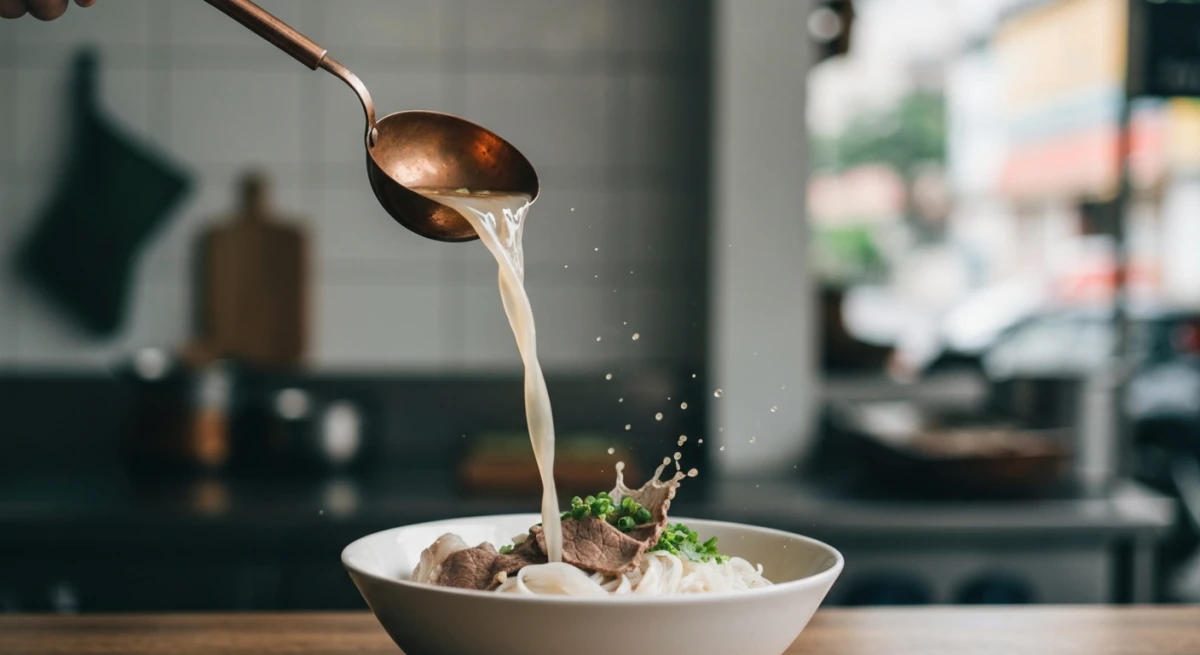
To truly understand Hanoi, you have to eat it—preferably while perched on a low plastic stool as motorbikes buzz past your shoulders. When compiling your bucket list of food to try in Hanoi, you are signing up for more than just a culinary journey; you are stepping into a centuries-old tradition where every bowl has a backstory. Unlike the sweeter, herb-heavy cuisine of southern Vietnam, northern Vietnamese food is defined by balance, restraint, and an emphasis on clean, savory broths.
In this comprehensive guide, we will dive deep into the essential dishes, secret local spots, and culinary etiquette you need to conquer Vietnam's food capital like a seasoned local.
1. The Noodle Soup Pantheon: Beyond Basic Pho
Many travelers think they know Vietnamese noodles, but Hanoi will completely redefine your palate. The city is the birthplace of several nationally beloved noodle dishes, each prepared with strict rules.
Traditional Hanoi Beef Pho (Phở Bò)
To appreciate the iconic beef noodle soup, you must understand that Hanoi-style Pho is distinct from its southern counterpart. In Hanoi, the broth is clear, delicate, and deeply savory, simmered for up to 24 hours with beef bones, charred ginger, onions, and warming spices like star anise, cinnamon, and black cardamom.
You will not find bean sprouts, basil, or hoisin sauce on a traditional Hanoian dining table. Instead, the broth’s purity is protected. The only acceptable additions are a squeeze of fresh lime (or quất—kumquat), a few slices of fresh bird's eye chili, and a splash of garlic vinegar (tỏi ngâm dấm). To eat Pho like a local, you must order a side of quẩy (deep-fried dough sticks). Dip these crispy, airy batons into the hot broth until they soften slightly, absorbing the rich liquid like a savory sponge.
- Where to try it:
- Phở Gia Truyền Bát Đàn (49 Bát Đàn, Hoàn Kiếm): Famous for its long morning queues and rich, marrow-infused broth.
- Phở Thìn Lò Đúc (13 Lò Đúc, Hai Bà Trưng): Known for a non-traditional but legendary stir-fried beef pho (Phở Tái Lăn), which features wok-seared beef heavy on garlic and spring onions.
Bún Chả: The Smoky Charcoal-Grilled Classic
If Pho is Hanoi’s soul, Bún Chả is its midday heartbeat. As the clock nears 11:30 AM, charcoal smoke begins to waft through the alleyways of the Old Quarter. Bún Chả consists of cold rice vermicelli noodles served alongside a bowl of warm, sweet-and-savory dipping sauce made of fish sauce, vinegar, sugar, and water. Floating in this sauce are succulent pieces of charcoal-grilled pork belly, minced pork patties, and crunchy slices of green papaya and carrot.
How to eat Bún Chả: Do not dump all your noodles into the bowl at once. Take a small bunch of vermicelli, dip it into the warm pork broth, add a few fresh herbs (coriander, perilla, and lettuce), and eat everything in one bite. Pair it with nem cua bể (crispy deep-fried crab spring rolls) for the ultimate texture contrast.
- Where to try it:
- Bún Chả Hương Liên (24 Lê Văn Hưu, Hai Bà Trưng): Famous worldwide as the "Obama Bun Cha" spot, where former US President Barack Obama and Anthony Bourdain famously dined on blue plastic stools. You can order the "Obama Combo" which includes a bowl of Bun Cha, a crab spring roll, and a cold Hanoi beer.
- Bún Chả Đắc Kim (1 Hàng Mành, Hoàn Kiếm): A crowded, multi-story classic that serves generous portions of exceptionally smoky meat.
Bún Riêu Cua: Tangy Crab & Tomato Comfort
Bún Riêu Cua is a vibrant, tomato-based noodle soup that offers a masterclass in sour-savory flavor balancing. The broth is crafted from fresh freshwater crabs, pounded into a paste to create a delicate crab flocculent (resembling scrambled eggs) that floats on top. Tomatoes, tamarind, and rice vinegar give the broth its signature reddish hue and refreshing, tangy bite.
A standard bowl is loaded with fried tofu cubes, green scallions, and sometimes beef, snail, or pork knuckle. It is served with a mountain of finely shredded banana flower and split water spinach. Add a tiny dab of fermented shrimp paste (mắm tôm) if you want to unlock a deeper, umami-rich complexity.
- Where to try it: Bún Riêu Cua Hàng Bạc (11 Hàng Bạc, Hoàn Kiếm). A tiny sidewalk stall where the broth is consistently sour, sweet, and incredibly satisfying.
Bún Cá: Crispy Fish Noodle Soup
Bún Cá is a hidden gem that many tourists overlook. It features thick rice vermicelli noodles submerged in a light, clear broth simmered from pork and fish bones, flavored with dill, tomatoes, and pineapple. The star of the dish is the topping: pieces of freshwater fish that are deep-fried until incredibly crispy on the outside, yet tender and juicy on the inside. The inclusion of fresh dill—a classic northern herb—lends the soup an aromatic, herbaceous quality that cuts through the fried elements beautifully.
- Where to try it: Bún Cá Sâm Cây Si (5 Ngõ Trung Yên, Hoàn Kiếm). Located down a narrow, atmospheric alley, this spot serves wonderful fish noodles along with crispy fried fish cakes (chả cá).
2. Street-Side Masterpieces: Steamed, Fried, and Rolled
Hanoi’s street food culture thrives on speed, freshness, and textures. Walking through the city, you will see vendors sitting on low stools assembling delicate rolls or frying golden fritters right before your eyes.
Bánh Cuốn: The Art of the Steamed Rice Roll
For breakfast, nothing beats Bánh Cuốn. These delicate rolls are made from a thin, fermented rice batter that is ladled onto a tightly stretched cloth over a pot of boiling water. The chef spreads the batter with lightning-fast hand movements, covers it with a lid for mere seconds, and then lifts the translucent sheet off using a bamboo stick.
The sheet is filled with minced pork and wood ear mushrooms, rolled up, and sprinkled with crispy fried shallots. It is served alongside a sweet, diluted fish sauce dipping bowl, often spiked with a drop of cà cuống (giant water bug essence) for a subtle, unique floral-anise flavor. You can also order it with chả lụa (Vietnamese pork sausage).
- Where to try it:
- Bánh Cuốn Thanh Vân (14 Hàng Gà, Hoàn Kiếm): Known for its skilled chefs operating multiple steamers simultaneously at the front of the shop.
- Bánh Cuốn Bà Hoành (66 Tô Hiến Thành, Hai Bà Trưng): Famous for a slightly thicker, chewier roll and legendary grilled pork served on the side.
Northern-Style Bánh Mì & Bánh Mì Chảo
While southern Vietnamese Bánh Mì is packed with a mountain of fresh herbs, pickles, and cold cuts, the Hanoi version leans into minimalist, savory comfort. The bread is toasted until incredibly crispy, then smeared with a thick layer of rich, peppery pork liver pâté, salted butter, a sprinkling of pork floss, and a few slices of cucumber and cilantro. It is simple, hot, and focuses heavily on the quality of the pâté and bread.
For a heavier sit-down meal, try Bánh Mì Chảo (pan-fried Bánh Mì). This dish features a sizzling, personal-sized cast-iron skillet loaded with a fried egg, liver pâté, thick slices of sausage, caramelized onions, and a rich, peppery tomato gravy. You rip off pieces of the warm baguette and dip them directly into the bubbling pan.
- Where to try it:
- Bánh Mì 25 (25 Hàng Cá, Hoàn Kiếm): Extremely popular with travelers, offering clean ingredients and customizable fillings.
- Bánh Mì Trâm (252 Cửa Nam, Hoàn Kiếm): A local favorite famous for its rich, unctuous beef stew sauce paired with fresh baguettes.
Bánh Tôm Tây Hồ: Crispy West Lake Prawn Fritters
If you wander up toward West Lake (Hồ Tây), you will spot vendors frying golden, disc-shaped batter cakes topped with whole, sweet-water prawns. This is Bánh Tôm. Sweet potatoes are julienned and mixed into a seasoned flour batter, topped with one or two head-on, shell-on fresh prawns, and deep-fried to a deep golden crunch.
You wrap pieces of the crispy prawn fritter in fresh lettuce leaves, add herbs, and dip them into a sweet, sour, and spicy dipping sauce. The combination of sweet potato, crunchy prawn shell, and fresh greens is a true sensory delight.
- Where to try it: Nhà hàng Thanh Tâm (43 Phủ Tây Hồ, Tây Hồ). Located near the historic Phủ Tây Hồ temple, it is the perfect spot to feast on prawn cakes after sightseeing.
Nem Rán & Bánh Gối: Deep-Fried Indulgences
For a quick afternoon snack, hunt down a vendor selling fried treats. Nem Rán (known as spring rolls in the north, or chả giò in the south) are made by wrapping minced pork, glass noodles, wood ear mushrooms, bean sprouts, and carrots in thin rice paper before deep-frying them to a shatteringly crisp texture.
Bánh Gối (pillow cakes) are shaped like small empanadas. The pastry dough is stuffed with seasoned minced pork, glass noodles, wood ear mushrooms, and a whole quail egg, then crimped and fried. Both are cut into bite-sized pieces using scissors and served with fresh lettuce, herbs, and a light dipping sauce to balance the oiliness.
- Where to try it: Quán Gốc Đa (52 Lý Quốc Sư, Hoàn Kiếm). A legendary street food institution located near the St. Joseph’s Cathedral, famous for its towering trays of freshly fried Bánh Gối and Nem Rán.
3. Specialty Dining: Interactive Tabletop Feasts
Hanoian food is not just about quick street bites; some of the most memorable meals in the city are communal, slow-cooked feasts prepared directly at your table.
Chả Cá Lã Vọng: The Turmeric-Dill Fish Sensation
Chả Cá is perhaps the most unique food to try in Hanoi. The dish is so famous that the city renamed an entire street in the Old Quarter (Phố Chả Cá) in its honor. The star ingredient is hemibagrus (a type of catfish), marinated in turmeric, galangal, ginger, and garlic, and pre-grilled over charcoal.
When you sit down, a waiter will bring a small portable gas stove and a sizzling pan to your table. They will toss the golden fish chunks into the pan along with a mountain of fresh dill and green scallions. As the herbs wilt and release their fragrant oils, you assemble your bowl: start with a base of cold rice vermicelli, add a piece of fish, top with the wilted dill and scallions, throw in some toasted peanuts, and drizzle over a spoonful of mắm tôm (fermented purple shrimp paste) or light fish sauce.
Warning: Mắm tôm has a pungent, fermented aroma that can be intimidating for first-timers, but when whisked with lime juice, sugar, and a bit of hot oil from the fish pan until it foams, it becomes the ultimate savory condiment.
- Where to try it:
- Chả Cá Lã Vọng (14 Chả Cá, Hoàn Kiếm): The original historic restaurant where the dish was invented by the Doan family during the French colonial era. While touristy, it remains a historical landmark.
- Chả Cá Thăng Long (19-21-31 Đường Thành, Hoàn Kiếm): A highly rated local favorite that serves incredibly fresh fish with fast, friendly service in an elegant, clean setting.
Phở Cuốn: The Rolled Pho of Trúc Bạch Lake
If you love Pho but want something lighter and cooler, Phở Cuốn is the perfect alternative. Invented in the quiet peninsula of Trúc Bạch, this dish uses uncut sheets of steamed Pho noodles (instead of cutting them into thin strands). The chef wraps these flat, silky sheets around stir-fried garlic beef, fresh cilantro, lettuce, and Vietnamese mint.
It is served chilled, and you dip the rolls into a sweet, garlicky fish sauce. It is refreshing, clean, and incredibly satisfying, particularly during Hanoi’s humid summer months.
- Where to try it: Phở Cuốn Hương Mai (25 Ngũ Xã, Ba Đình). Located in the Ngũ Xã island neighborhood, which is the undisputed birthplace and hub of Phở Cuốn. Pair it with Phở Chiên Phồng (puffed fried pho squares served with a savory beef gravy).
4. Beverages & Sweets: Hanoi’s Liquid Legacy
No food journey in the capital is complete without diving into its world-renowned cafe culture. Hanoi runs on caffeine, and the local drinks are as much of an art form as the savory dishes.
Cà Phê Trứng (Egg Coffee)
Egg coffee is Hanoi’s liquid gold. It was invented in 1946 by Nguyen Giang, a bartender at the famous Metropole Hotel, during a severe milk shortage caused by the French war. He whipped egg yolks with sugar and condensed milk to create a velvety, meringue-like foam, which he poured over hot, strong Vietnamese robusta coffee.
The result is a decadent beverage that tastes like a rich, liquid tiramisu. It is served in a small bowl of warm water to maintain its temperature. To drink it, use a small spoon to taste the sweet custard on top, then slowly stir the dark, bitter coffee from the bottom to create a perfect bittersweet balance.
- Where to try it:
- Cà Phê Giảng (39 Nguyễn Hữu Huân, Hoàn Kiếm): The birthplace of the drink. Tucked down a narrow alleyway, this rustic cafe is always packed with locals and travelers sitting on low wooden chairs.
- Cà Phê Đinh (13 Đinh Tiên Hoàng, Hoàn Kiếm): Run by Nguyen Giang’s sister, this second-story cafe overlooks Hoan Kiem Lake and offers an authentic, gritty, old-school Hanoian atmosphere.
Cà Phê Cốt Dừa (Coconut Coffee)
For a refreshing afternoon pick-me-up, coconut coffee is highly popular. Strong black robusta coffee is poured over a blended slushy made of sweet coconut milk, condensed milk, and ice. The icy, creamy coconut foam cuts through the intense bitterness of the coffee, making it a delicious, tropical treat.
- Where to try it: Cộng Cà Phê (Multiple locations, including near the Cathedral). This famous local chain is decorated in a nostalgic, military-green "subsidy era" aesthetic, featuring vintage propaganda posters, rustic wooden tables, and excellent coconut coffee.
Bia Hơi: The Culture of "Fresh Beer"
As the sun goes down, head to the nearest street corner lined with low plastic stools to experience Bia Hơi culture. Bia Hơi is a light, unpasteurized draft beer brewed daily and delivered in metal kegs each morning. With an alcohol content of around 3% to 4%, it is incredibly light, refreshing, and incredibly cheap (usually costing less than $0.50 a glass).
It is not just about the beer; it is about the social experience. Locals gather to shout "Một, Hai, Ba, Dô!" (One, Two, Three, Cheers!), snacking on roasted peanuts, steamed edamame, fried tofu with salt and green onions, or nem chua (fermented pork sausages).
- Where to try it:
- Ta Hien Beer Street (Old Quarter): The epicentre of Hanoi’s nightlife, packed with thousands of tourists and locals sitting elbow-to-elbow on the street.
- Bia Hơi Vân Hồ (2 Hoa Lư, Hai Bà Trưng): For an authentic, local-heavy experience away from the tourist crowds, this massive hall serves excellent food alongside fresh beer.
5. A Local's Guide to Hanoi Food Etiquette & Safety
Eating street food in Hanoi is incredibly rewarding, but navigating the bustling stalls can be overwhelming. Here are a few insider tips to ensure your culinary adventure is smooth and sanitary:
Decoding the Condiment Tray
When you sit down at a Hanoi street food stall, you will notice a plastic tray containing various jars and squeeze bottles. Knowing how to use these is key to unlocking the true flavors of your meal:
- Tỏi ngâm dấm (Garlic vinegar): Essential for beef Pho. Add 2-3 spoonfuls of the clear liquid and a few slices of pickled garlic to your soup.
- Chanh / Quất (Lime / Kumquat): Squeeze this into your broth or dipping sauce to add acidity. Hanoians prefer kumquats for chicken dishes and fish dishes because of their sweet, citrusy fragrance.
- Ớt (Fresh chili): Vietnamese bird's eye chilies are incredibly spicy. Start with just one or two thin slices.
- Tương ớt (Chili sauce): A thick, slightly sweet and spicy condiment. Do not squeeze this directly into premium beef Pho broth as it ruins the clarity, but feel free to use it for dipping spring rolls or in dry noodle dishes.
Street Food Safety and Hygiene
- Follow the crowds: The best indicator of fresh food is high turnover. If a stall is packed with locals, the ingredients are constantly being replenished and do not sit out.
- Watch the cooking process: Choose stalls where the meat is grilled or cooked fresh to order, rather than sitting precariously in display cases.
- Is the ice safe? Yes, in Hanoi, ice (đá) is almost always manufactured in commercial plants and delivered in large blocks, meaning it is safe to consume. Look for hollow, cylindrical ice cubes, which are the standard for clean, purified ice.
- Sanitize your utensils: It is common practice in Vietnam to use a dry tissue to wipe down your chopsticks and spoons before you eat. Most tables will have a box of tissues or wet wipes handy.
Frequently Asked Questions About Hanoi Food
What is the difference between Hanoi Pho and Saigon Pho?
Hanoi Pho focuses on simplicity and purity. The broth is clear and seasoned with salt, ginger, onions, and warming spices, served without bean sprouts or sweet hoisin sauce. Saigon Pho has a sweeter broth, thinner noodles, and is served with a mountain of fresh herbs, bean sprouts, hoisin sauce, and sweet chili sauce, allowing diners to heavily customize their bowl.
Is street food in Hanoi safe to eat?
Yes, Hanoi street food is generally very safe to eat if you follow basic precautions. Stick to busy stalls with high customer turnover, ensure your food is served steaming hot, and stick to drinking bottled water or beverages served with purified ice (cylindrical cubes).
How much does a street food meal cost in Hanoi?
Street food in Hanoi is incredibly budget-friendly. A bowl of Pho or Bun Cha at a local street stall typically costs between 40,000 to 70,000 VND ($1.60 to $2.80 USD). An egg coffee costs around 30,000 to 45,000 VND ($1.20 to $1.80 USD).
What are the best neighborhoods for food in Hanoi?
The Old Quarter (Hoàn Kiếm) is the most convenient and densely packed area for street food, offering all the classic dishes within walking distance. For a more relaxed, local vibe, head to Trúc Bạch (famous for Pho Cuon and lakeside hotpot) or Tây Hồ (West Lake) for seafood and scenic cafes.
Conclusion
Hanoi is a city that reveals its true character on the plate. From the deeply comforting, cinnamon-scented steam of a morning Pho to the smoky charcoal aroma of Bun Cha at midday, the local cuisine is a celebration of history, community, and culinary balance. When hunting for the best food to try in Hanoi, do not be afraid to step out of your comfort zone, pull up a tiny plastic stool, and eat exactly where the locals eat. Your palate will thank you for it.