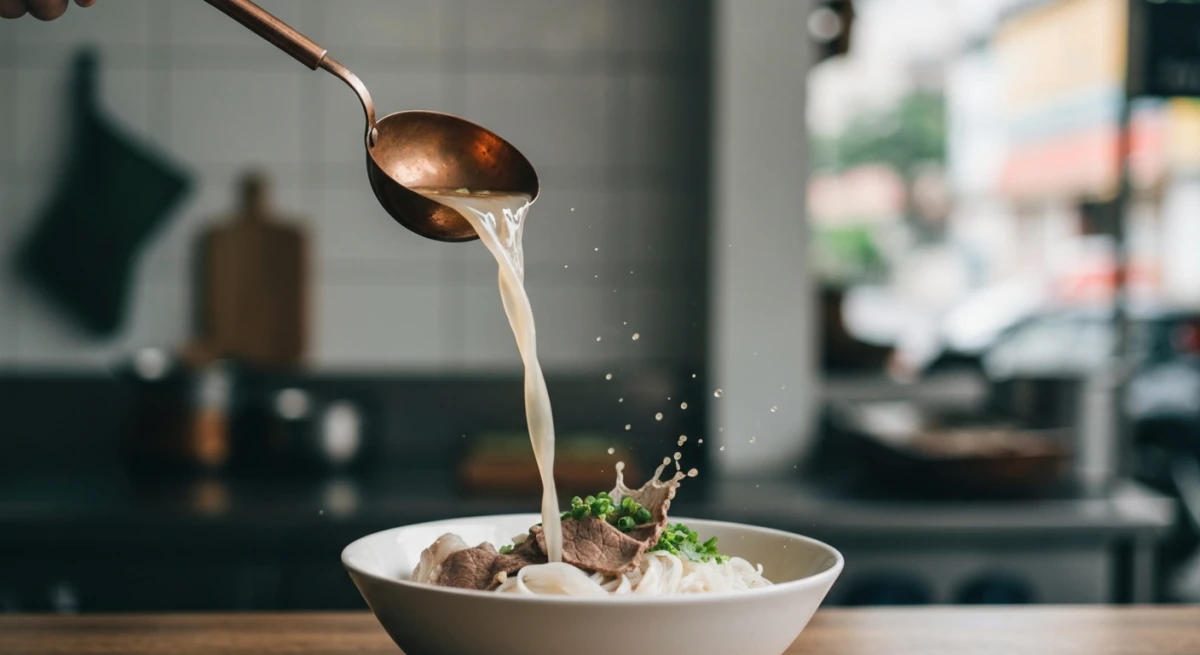
Hanoi is a city that does not merely feed you; it consumes you. From the second you step into the labyrinthine alleys of the historic Old Quarter, your senses are treated to a glorious, chaotic symphony. Plumes of steam billow from massive pots of simmering broth, carrying the comforting aroma of star anise and charred ginger. The irresistible scent of lemongrass-marinated pork sizzling over natural charcoal wafts through the air. The constant, rhythmic hum of thousands of motorbikes serves as the background soundtrack to your culinary exploration.
To truly understand the beating heart of Vietnam's capital, you must set aside any expectations of traditional white-tablecloth dining. You must pull up a tiny, brightly colored plastic stool on a bustling sidewalk and dive headfirst into the street food scene. Booking a guided food tour ha noi—or mapping out your own self-guided culinary quest—is universally acknowledged as the single best way to experience the city's rich history, vibrant social fabric, and world-class cuisine.
In this comprehensive, expert-authored guide, we will take you on a culinary journey through the winding streets of Hanoi. Whether you are looking to hire a professional local guide or conquer the city on a self-guided DIY food adventure, this blueprint covers exactly what to eat, where to eat, and how to navigate the delicious chaos of Hanoi's food culture like a seasoned local.
The Soul of Hanoi Street Food: Why It is World-Class
Hanoi's food scene is not merely about quick meals on the go; it is a deeply embedded cultural ritual. Unlike the sweet, heavily spiced, and coconut-rich dishes of Southern Vietnam, Northern Hanoian cuisine is defined by its subtlety, balance, and clean, delicate flavors. In the north, salt, black pepper, and fresh local herbs take center stage over fiery chilies and added sugars, allowing the high-quality local ingredients to shine.
This culinary identity is a living historical tapestry. Centuries of Chinese rule introduced stir-frying, soy sauce, and delicate rice-steaming techniques, while nearly a century of French colonial occupation left an indelible mark on the local palate. This unique cultural synthesis is most famously seen in the crispy, airy baguettes used for the ubiquitous bánh mì, and the slow-simmered, spice-infused beef bone broths that inspired phở (a dish many culinary historians believe was adapted from the French classic, pot-au-feu).
Perhaps the most magical aspect of Hanoi's food culture is its sidewalk democracy, known locally as "vỉa hè." In this city, the sidewalk is not just a walkway; it is a communal living room, a kitchen, and a theater. On any given day, you will find high-earning business professionals in tailored suits sitting shoulder-to-shoulder with backpackers, street sweepers, and multigenerational local families on low-slung plastic chairs. Everyone is focused on the same thing: a steaming, life-affirming bowl of noodles. This egalitarian atmosphere is precisely what makes a food tour ha noi such a memorable and socially immersive travel experience.
7 Iconic Dishes You Must Try (and Exactly Where to Find Them)
If you are planning a food tour ha noi, you need to know the legendary dishes that define the city. While there are thousands of street vendors scattered across the capital, these seven iconic specialties represent the absolute pinnacle of Hanoian street gastronomy.
1. Phở Bò (Beef Noodle Soup)
No trip to Hanoi is complete without eating its most famous culinary export at the source. A proper bowl of northern phở bò is defined by its clear, intensely savory broth, which is simmered for up to 24 hours with beef marrow bones, toasted ginger, charred onions, star anise, cinnamon, and black cardamom. This aromatic broth is poured over soft, flat, freshly made rice noodles (bánh phở) and topped with your choice of beef cuts: tái (rare beef tenderloin that cooks gently in the hot broth) or chín (tender, slow-cooked brisket).
- Where to try it:
- Phở Gia Truyền Bát Đàn (49 Bát Đàn, Hoàn Kiếm): A legendary, multi-generational spot famous for its incredibly rich broth and deep queues.
- Phở 10 Lý Quốc Sư (10 Lý Quốc Sư, Hoàn Kiếm): A highly consistent, Michelin-recommended spot that serves a spectacular bowl with exceptionally tender beef.
2. Bún Chả (Charcoal-Grilled Pork with Rice Noodles)
Bún chả is the ultimate Hanoi lunch staple, and its smoky, sweet, and savory aroma is practically a physical landmark in the city. The dish features charcoal-grilled pork patties and caramelized pork belly strips submerged in a warm, tangy dipping sauce made of diluted fish sauce, vinegar, sugar, garlic, and lime juice. It is garnished with crunchy pickled green papaya and carrots, and served alongside a mountain of fresh herbs (perilla, coriander, and lettuce) and a plate of cool, delicate rice vermicelli (bún).
- How to eat it: Take a small bundle of vermicelli and fresh herbs, submerge them into the warm broth with the grilled pork, and eat everything together in one delicious bite.
- Where to try it:
- Bun Cha Ta (21 Nguyễn Hữu Huân, Hoàn Kiếm): An award-winning, multi-floor establishment known for pristine preparation and exceptional crispy spring rolls (nem).
- Bún Chả Hương Liên (24 Lê Văn Hưu, Hai Bà Trưng): Universally known as the "Obama Bun Cha," where President Barack Obama and culinary icon Anthony Bourdain famously shared a meal in 2016. Order the "Obama Combo" for the exact experience.
3. Bánh Mì (The Franco-Vietnamese Baguette)
While you can find bánh mì all over Vietnam, Hanoi's style is delightfully minimalist, focusing on high-quality textures rather than overloading the sandwich with fillings. A warm, ultra-crispy, feather-light baguette is sliced open, smeared with rich, savory pork liver pâté and homemade egg mayonnaise, then stuffed with cured pork (chả lụa), barbecued pork, pickled daikon, crunchy carrots, fresh cucumber, and cilantro, finished with a splash of fiery, local chili sauce.
- Where to try it:
- Bánh Mì 25 (25 Hàng Cá, Hoàn Kiếm): An incredibly popular spot that has grown from a humble street cart into a beloved Hanoi institution. They offer stellar traditional options as well as highly rated vegetarian variations (such as avocado and sautéed mushroom).
- Bánh Mì Trâm (30 Đình Ngang, Hoàn Kiếm): Famous for its rustic bánh mì sốt vang (crispy baguettes served with a rich, French-influenced beef stew slow-cooked in red wine and spices).
4. Bánh Cuốn (Steamed Rice Flour Rolls)
Bánh cuốn is a masterclass in culinary dexterity. Chefs steam a thin ladle of fermented rice batter over a tightly stretched nylon cloth over a boiling pot of water, creating a translucent, delicate sheet in seconds. This paper-thin sheet is gently lifted with a bamboo stick, filled with a savory mixture of minced pork and wood ear mushrooms, rolled up, and topped with a generous handful of golden, crispy fried shallots. It is served warm with a side of sweetened fish sauce (nước chấm) and slices of steamed pork sausage (chả lụa).
- Where to try it:
5. Bún Bò Nam Bộ (Southern-Style Dry Beef Noodles)
Though the name literally translates to "Southern-style beef noodles," this refreshing, dry noodle dish has become an absolute staple of Hanoi's street food scene. Instead of a hot broth, this bowl features cool rice vermicelli noodles topped with tender, stir-fried beef marinated in lemongrass and garlic. It is layered with fresh lettuce, bean sprouts, mint, crushed roasted peanuts, crispy fried shallots, and a generous pour of light, sweet-and-sour fish sauce dressing. It is a spectacular blend of warm and cool, crunchy and soft textures.
- Where to try it:
6. Bánh Xèo & Nem Lụi (Sizzling Pancake & Lemongrass Pork Skewers)
Bánh xèo is a crispy, savory crepe made from rice flour, water, and turmeric powder, stuffed with pork belly, shrimp, and bean sprouts, sizzled to perfection in a hot pan. Nem lụi are succulent, minced pork skewers seasoned with garlic and shallots, wrapped around fragrant lemongrass stalks, and grilled over open charcoal.
- How to eat it: Take a sheet of thin, dry rice paper, lay down a bed of fresh herbs and leafy lettuce, add a piece of the crispy pancake or slide the grilled pork off the lemongrass stalk onto the paper, roll it up tightly, and dip it into a rich, savory peanut-and-sesame dipping sauce.
- Where to try it:
- Bánh Xèo Sáu Phước (74 Cầu Đất, Hoàn Kiếm): A cozy, local spot famous for serving extra-crispy crepes that are never greasy, accompanied by a truly phenomenal peanut sauce.
7. Cà Phê Trứng (Vietnamese Egg Coffee)
No food tour ha noi is complete without ending on a sweet note with Hanoi's most famous liquid dessert. Egg coffee features a strong shot of dark, bitter Vietnamese Robusta coffee topped with an incredibly thick, velvety, custard-like foam made by whipping raw egg yolks with sweetened condensed milk and sugar. It is rich, sweet, and tastes like a liquid tiramisu or a warm crème brûlée.
- The History: This legendary drink was invented in 1946 by Mr. Nguyen Van Giang. While working as a bartender at the luxury Sofitel Legend Metropole Hanoi Hotel, a severe post-WWII shortage of fresh milk threatened his ability to serve cappuccinos to guests. Thinking quickly, he whipped egg yolk as a dairy substitute, and an international sensation was born.
- Where to try it:
- Café Giảng (39 Nguyễn Hữu Huân, Hoàn Kiếm): The historic, original birthplace of the drink. Tucked down a narrow, blink-and-you-miss-it corridor, this rustic cafe is an essential pilgrimage site for any traveling foodie.
The Ultimate DIY Hanoi Food Tour Itinerary (Self-Guided Walking Route)
If you prefer to skip the formal tour groups, explore the city at your own pace, and enjoy the thrill of finding these culinary gems independently, we have designed the ultimate, step-by-step walking itinerary through Hanoi's Old Quarter.
Logistics & Tips before you start:
Walking Distance: Approximately 2.5 kilometers (1.5 miles).
Recommended Start Time: 8:30 AM (to experience the morning market buzz and secure fresh ingredients).
What to Bring: Cash is absolute king in Vietnam. Bring small-denomination Vietnamese Dong (VND) bills (10,000, 20,000, 50,000, and 100,000 VND). Most street food vendors do not accept credit cards.
8:30 AM — Breakfast at Phở 10 Lý Quốc Sư Begin your day in the crisp morning air with a steaming bowl of beef noodle soup. Sit among the locals, squeeze a fresh lime wedge into your bowl, add a few slices of fresh red chili (be careful—they are incredibly spicy), and enjoy the deep, comforting complexity of the broth.
- Cost: ~60,000 to 80,000 VND ($2.50 to $3.50 USD).
9:45 AM — Mid-Morning Coffee at Cafe Đinh (13 Đinh Tiên Hoàng) Walk toward the northern edge of Hoan Kiem Lake. Locate a seemingly hidden, dark alleyway next to a bag shop, climb up a flight of creaky, narrow concrete stairs, and you will emerge into Cafe Đinh. Run by the daughter of Mr. Nguyen Van Giang, this rustic, unpretentious spot serves a highly concentrated, traditional version of egg coffee in a cup resting in hot water to keep the custard foam warm. Find a seat on the tiny balcony overlooking the bustling lake traffic.
- Cost: ~25,000 VND ($1.00 USD).
10:30 AM — Stroll Around Hoan Kiem Lake & Ngoc Son Temple Take a leisurely 45-minute stroll around the beautiful, willow-lined shores of Hoan Kiem Lake to let your food digest. Cross the iconic red wooden Huc Bridge to visit Ngoc Son Temple, resting on a small island in the center of the lake, and soak in the historical legends of the giant golden turtle.
12:00 PM — Lunch at Bun Cha Ta (21 Nguyễn Hữu Huân) Head east into the heart of the Old Quarter to enjoy a pristine, incredibly flavorful lunch of charcoal-grilled pork and cold vermicelli noodles. Be sure to order their famous crispy crab and seafood spring rolls (nem cua bể), which are wrapped in delicate rice paper and deep-fried to a golden shatter-crisp texture.
- Cost: ~90,000 to 120,000 VND ($3.80 to $5.00 USD).
1:15 PM — Historic Egg Coffee Comparison at Café Giảng (39 Nguyễn Hữu Huân) Since you are already on Nguyen Huu Huan street, walk just a few doors down to visit the legendary Café Giảng. Order their cold, iced egg coffee (which has a texture resembling luxurious chocolate mousse) or a hot cup to compare it to the version you had at Cafe Đinh.
- Cost: ~30,000 VND ($1.25 USD).
2:30 PM — Explore Dong Xuan Market & Ngõ Đồng Xuân Walk north through the bustling lanes of the Old Quarter to Dong Xuan Market, Hanoi's largest indoor market. While the main building is filled with wholesale clothing and electronics, the narrow alleyway on its side (Ngõ Đồng Xuân) is a legendary street food haven. If you have any room left, try a crispy bánh tôm (shrimp and sweet potato fritter) or a refreshing bowl of chè (traditional sweet dessert soup with coconut milk, jellies, and tropical fruits).
- Cost: ~20,000 to 30,000 VND ($0.80 to $1.25 USD).
4:00 PM — Afternoon Snack at Bánh Mì 25 (25 Hàng Cá) A short walk from the market will bring you to Bánh Mì 25. Grab a perfectly toasted, crispy pork or vegetarian baguette to enjoy on the go. The bread here is notoriously light and won't weigh you down.
- Cost: ~30,000 to 45,000 VND ($1.25 to $1.90 USD).
5:30 PM — Sunset Draft Beer at Ta Hien Beer Corner (Bia Hơi Corner) Conclude your epic self-guided tour at the intersection of Ta Hien and Luong Ngoc Quyen streets, famously known as "Bia Hơi Corner." Pull up a tiny plastic stool on the crowded sidewalk and order a glass of Bia Hơi—a fresh, light, preservative-free draft beer brewed daily and delivered in metal kegs each morning. At just 10,000 VND ($0.40 USD) a glass, it is the cheapest beer in the world, and the energetic street vibe is the ultimate Hanoian experience.
Guided Hanoi Food Tours: Motorbike, Walking, or Chef-Led?
While a DIY itinerary is incredibly rewarding and cost-effective, booking a professional guided food tour ha noi offers massive advantages, especially for first-time visitors to Vietnam. A local, English-speaking culinary guide serves as your cultural translator, navigating language barriers, customizing dishes to dietary restrictions, and opening doors to hidden residential alleys (ngõ) where the absolute best, generational food secrets are kept hidden from tourists.
If you decide to book a guided experience, there are three primary styles of tours available:
1. The Old Quarter Walking Food Tour
This is the classic, highly popular option. Over the course of 3 hours, a local guide will lead a small group (usually limited to 6 or 8 people) through a curated route of 6 to 8 street food stops.
- Best for: First-time travelers, families, and those who want a relaxed, informative stroll combined with deep historical storytelling.
- What to expect: Lots of walking through bustling markets, sampling small portions of phở, bánh cuốn, and egg coffee, and learning about the history of the Old Quarter's ancient guild streets.
2. The Vintage Motorbike Food Tour (Vespa / Minsk)
For an adrenaline-packed adventure, you can hop on the back of a vintage Vespa, vintage Minsk, or modern scooter driven by a licensed, professional local guide.
- Best for: Adventurous foodies, solo travelers, and those who want to escape the tourist-heavy Old Quarter.
- What to expect: Zooming through the chaotic city traffic, crossing the historic French-built Long Bien Bridge, and traveling to outer districts (like Truc Bach, West Lake, or Ba Dinh) to eat at hyper-local neighborhood joints that walking tours cannot reach.
3. The Chef-Led Morning Market & Cooking Class Tour
This immersive experience is designed for serious culinary enthusiasts who want to understand the science, history, and ingredients of Vietnamese gastronomy.
- Best for: Aspiring home cooks, long-term travelers, and food history buffs.
- What to expect: Meeting a professional chef at the crack of dawn to tour the bustling wet markets, learning how to select fresh local herbs, tasting rare street breakfast items, and returning to a professional kitchen to learn how to cook classic Northern Vietnamese dishes from scratch.
The Hanoi Food Tour Survival Guide: Safety, Etiquette, & Street Crossing
Eating street food in Vietnam is incredibly fun, but navigating the physical environment of Hanoi can feel incredibly daunting if you aren't prepared. Use these insider tips to ensure your food tour is entirely safe, healthy, and highly enjoyable.
How to Safely Cross the Street in Hanoi (The Golden Rule)
Hanoi's traffic is legendary for its chaotic flow of scooters, buses, and cars. There are rarely clear pedestrian crossings, and traffic lights are treated as mere suggestions. To cross the street safely, follow this proven method:
- Step off the curb slowly and predictably. Do not hesitate.
- Keep walking forward at a slow, steady pace. Do not run, do not stop, and do not make sudden backwards steps.
- Make eye contact with oncoming scooter riders.
- Hold your hand out slightly, palm down, pointing in the direction you are walking to signal your trajectory.
- Why this works: Scooter riders in Hanoi are expert drivers who constantly calculate your walking speed to weave smoothly behind or in front of you. As long as your movement is slow and highly predictable, the sea of traffic will gracefully part around you like water around a rock.
How to Avoid "Hanoi Belly" (Food Safety Tips)
While street food in Hanoi is generally very fresh, travelers with sensitive stomachs should keep these basic hygiene rules in mind:
- Follow the Crowds (High Turnover): Always choose stalls that are packed with local customers. A busy stall means that ingredients are constantly being replenished and do not sit out at room temperature.
- Ensure Broths are Boiling: When ordering noodle soups like phở or bún riêu, make sure the broth is scooped directly from a boiling cauldron. Heat is the ultimate sterilizer.
- The Ice Debate: Most ice (đá) used in Hanoi's restaurants today is commercially produced in sanitary factories (identifiable by its hollow, cylindrical shape) and is perfectly safe. However, if you are extremely cautious, ask for your drinks without ice (không đá).
- Sanitize Your Utensils: Do as the locals do! Before eating, grab a fresh lime wedge from the table container and rub it over your chopsticks and spoon, or wipe them down with a clean tissue paper.
Sidewalk Etiquette to Keep in Mind
- Embrace the Squat: The tiny plastic stools are designed to keep the dining experience compact, affordable, and easily packed away when the police come by to clear the sidewalks. It may feel a bit awkward at first, but sitting low to the ground is a fantastic way to connect with the local culture (and some claim it actually aids digestion!).
- Trash on the Floor is Normal: You will notice locals dropping used paper napkins, squeezed lime wedges, and wooden skewers directly onto the floor beneath the tables. In Hanoi's street food culture, this is standard practice—it shows the stall is busy, and the staff will sweep the entire floor clean during breaks. If this makes you uncomfortable, feel free to pile your trash neatly on a small corner of your table.
Frequently Asked Questions (FAQ)
Is street food in Hanoi safe to eat?
Yes, street food in Hanoi is highly safe to eat. Because street vendors typically specialize in just one or two dishes, their ingredients are sourced fresh from the morning markets daily and are prepared rapidly right before your eyes. By following basic hygiene practices (like choosing busy stalls and ensuring food is served hot), you can easily avoid stomach issues.
How much does a guided street food tour in Hanoi cost?
A high-quality, small-group walking food tour in Hanoi typically costs between $20 and $35 USD per person (including all food and drink tastings). More adventurous vintage motorbike tours generally range from $50 to $75 USD per person due to the cost of vehicle maintenance, fuel, and professional drivers.
Can vegetarians and vegans survive a Hanoi food tour?
Yes, absolutely. While Vietnamese cuisine is highly meat-centric, Hanoi has a thriving Buddhist culture, meaning vegetarian food (đồ chay) is widely available. Many street food tours can be customized. For example, bánh mì can be stuffed with egg, cheese, tofu, and avocado, and there are superb vegetarian-only bánh xèo stalls and specialized Buddhist buffet restaurants (Quán Chay) scattered around the Old Quarter.
When is the best time of day to do a food tour in Hanoi?
The best time of day for a food tour is either early morning (7:00 AM to 10:00 AM) to experience the lively breakfast culture and bustling wet markets, or late afternoon/evening (5:30 PM to 8:30 PM) when the night markets come alive and the city cools down, making sidewalk dining incredibly pleasant.
Should I tip my food tour guide in Vietnam?
While tipping is not traditionally mandatory in Vietnamese culture, it is highly appreciated in the tourism and service industry. If your guide provided an exceptional, highly educational, and deeply delicious tour, a tip of 100,000 to 200,000 VND ($4 to $8 USD) is a wonderful way to show your gratitude.
Concluding Your Culinary Journey
A food tour ha noi is far more than just a sequence of delicious meals; it is an unforgettable, deep-dive window into the history, soul, and resilient spirit of Vietnam's capital. From the delicate, slow-simmered complexity of a morning bowl of phở to the sweet, decadent comfort of a late-night egg coffee, every bite tells a story of adaptation, survival, and a deep-seated love for community.
Whether you decide to hire an expert local guide to steer you through the hidden alleyways or take on our carefully mapped-out DIY itinerary yourself, the chaotic, beautiful streets of Hanoi are ready to welcome you. Pull up a tiny plastic stool, grab your chopsticks, and prepare for the culinary adventure of a lifetime.