Welcome to Ho Chi Minh City—or Saigon, as locals still affectionately call it. This sprawling, hyperactive metropolis is Vietnam’s undisputed culinary capital. If you are looking for the absolute best food to try in Ho Chi Minh City, you have come to the right place. From the savory smoke of charcoal-grilled pork chops drifting through narrow alleys to the comforting warmth of a midnight bowl of noodles, Saigon’s food scene is a mesmerizing, multi-sensory journey. This comprehensive guide will take you beyond standard tourist traps to discover iconic street food, hidden gems, and cultural culinary rituals.
1. The Heavy Hitters: Saigon’s Quintessential Street Food Classics
To begin your culinary journey, you must experience the foundational dishes that define daily life in southern Vietnam. These are the recipes perfected over generations and served on almost every street corner.
Cơm Tấm (Broken Rice)
Historically, cơm tấm was a humble dish eaten by poor farmers who could not sell the fractured rice grains damaged during the milling process. Today, it is Saigon's most beloved breakfast and lunch staple. The fractured rice grains have a unique, slightly dry, and delicate texture that acts as a perfect canvas for savory toppings. The classic version, Cơm Tấm Sườn Bì Chả, features a thin pork chop marinated in lemongrass, garlic, shallots, and sweetened fish sauce, grilled over open charcoal until caramelized and tender. It is accompanied by bì (thinly shredded pork skin tossed in roasted rice powder), chả chưng (a dense, savory steamed loaf made from minced pork, wood ear mushrooms, and egg yolks), a sunny-side-up egg, and a sweet-and-tangy drizzle of scallion oil.
How to eat like a local: Do not eat the dry rice by itself. Pour the sweetened chili fish sauce generously over the plate, break the runny egg yolk, cut up the pork chop, and ensure every forkful contains a perfect mix of rice, meat, savory egg, and crunch from the pickled carrots and daikon.
Where to try it: Cơm Tấm Ba Ghiền (84 Đặng Văn Ngữ, Phu Nhuan District) is legendary for its massive, juicy pork chops that overflow the plate. For a slightly more refined local chain, Cơm Tấm Thuận Kiều is an excellent choice.
Bánh Mì (The Ultimate French-Vietnamese Fusion)
Nowhere is the history of French colonialism and Vietnamese adaptation more delicious than in a freshly baked baguette. Vietnamese bakers altered the traditional French recipe by introducing rice flour, creating a bread that is unbelievably light, paper-thin and crispy on the outside, and airy and pillowy on the inside.
The standard Bánh Mì Thịt is built with meticulous layers of flavor and texture: a heavy smear of rich pork liver pâté, a swipe of house-made egg yolk mayonnaise, several varieties of Vietnamese cold cuts (including chả lụa or pork roll, headcheese, and cured ham), crisp cucumber spears, pickled white radish and carrots, a generous handful of fresh cilantro, and a splash of savory Maggi seasoning liquid. If you like it spicy, a few slices of fiery bird's eye chilies will be added.
Where to try it: Bánh Mì Huỳnh Hoa (26 Lê Thị Riêng, District 1) is arguably the most famous shop in the city, known for its heavily loaded, multi-layered sandwiches that easily feed two. For a lighter, more classic local experience, visit Bánh Mì Hồng Hoa (62 Nguyễn Văn Tráng, District 1) or look for a street vendor selling Bánh Mì Chảo (baguette served with a sizzling personal pan of eggs, pâté, sausage, and laughing cow cheese).
Southern-Style Phở
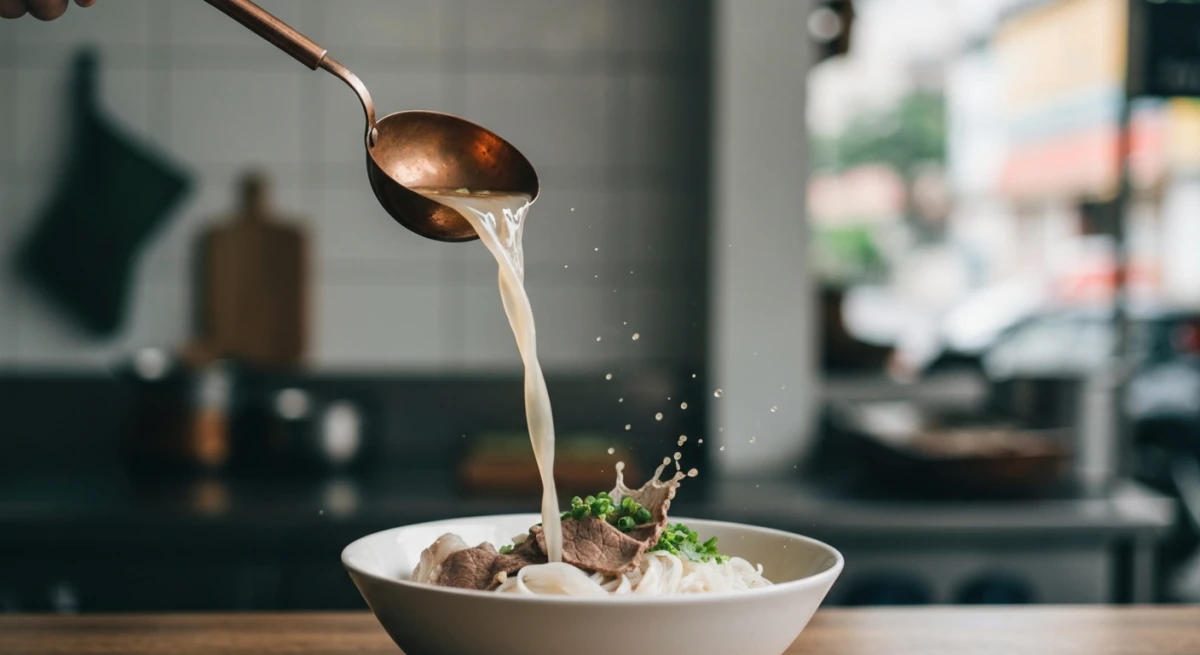
While Phở originated in northern Vietnam, the dish evolved dramatically when it moved south. Northern phở is minimalist, prioritizing a clear, clean, and subtle broth with wide noodles and minimal garnishes. Southern phở (the version you will find everywhere in Ho Chi Minh City) is a sweeter, bolder, and more complex affair. The beef bone broth is simmered for up to 24 hours with charred ginger, onions, star anise, cinnamon, cloves, and cardamom.
What truly defines the Southern phở experience is the massive garden of fresh herbs placed on your table. You will receive a plate overflowing with sweet Thai basil, sawtooth herb, rice paddy herb, and fresh, crunchy bean sprouts. Furthermore, locals sweeten and spice their broth using hoisin sauce and sriracha-style chili sauce.
How to eat like a local: Taste the broth first. Do not dump the sauces directly into the bowl immediately, as it can muddy the hard work of the chef. Instead, squeeze in a wedge of lime, tear the herb leaves off their stems and submerge them in the hot broth to release their essential oils, and squeeze dollops of hoisin and chili sauce onto a small side saucer to dip your beef slices.
Where to try it: Phở Lệ (415 Nguyễn Trãi, District 5) is a highly-rated favorite in Chinatown, known for its intensely flavorful, rich broth and tender cuts of beef. Another historical institution is Phở Hòa Pasteur (260C Pasteur, District 3).
2. Sizzle, Crunch, and Fire: Interactive Southern Dining
Eating in Saigon is rarely a passive experience. The best foods to try in Ho Chi Minh City often require hands-on assembly, wrapping, rolling, and dodging hot oil.
Bánh Xèo (Sizzling Crispy Crepes)
Named for the loud sizzling sound ("xèo") made when the thin rice batter hits a screaming-hot iron skillet, Bánh Xèo is a massive, golden crepe. Despite its yellow hue, there is no egg in the batter; the color comes from turmeric powder mixed with rice flour and rich coconut milk. The crepe is stuffed with a savory filling of small shrimp, thin slices of pork belly, tender mung beans, and a mountain of fresh bean sprouts.
How to eat like a local: Eating Bánh Xèo with a fork and knife or attempting to bite into it like a taco is a mistake. Instead, tear off a bite-sized piece of the crispy crepe (making sure to grab some filling). Take a broad leaf of mustard greens or lettuce as your wrapper. Lay down your crepe piece, pile on aromatic herbs like mint, Thai basil, and fish mint, roll it into a neat package, dip it deep into a bowl of sweet-and-sour fish sauce, and take a bite. The contrast of the hot, oily, crispy crepe with the cold, peppery, herbaceous greens is pure culinary harmony.
Where to try it: Bánh Xèo Đinh Công Tráng (46A Đinh Công Tráng, District 1) is a legendary alleyway restaurant where you can watch the chefs cook dozens of crepes simultaneously over roaring flames.
Bò Né (Sizzling Steak and Eggs)
If you are looking for the ultimate local breakfast to fuel a day of sightseeing, look no further than Bò Né. The name literally translates to "dodging beef," a humorous reference to the fact that when the dish arrives at your low plastic table, the iron plate is sizzling so violently with hot oil that you must lean back to avoid getting splattered.
A standard order of Bò Né is served on a heavy, cow-shaped iron platter. It features marinated, thinly sliced beef steak, a sunny-side-up egg, a creamy scoop of pork liver pâté, a small pork sausage, and a wedge of Laughing Cow cheese. This is accompanied by a warm, crispy baguette, a small side salad of cucumber, tomatoes, and onions, and a light soy sauce dipping liquid.
Where to try it: Bò Né Thanh Tuyền (20/28 Nguyễn Trường Tộ, District 4) serves up some of the most flavorful and affordable sizzling platters in the city.
Bột Chiên (Pan-Fried Rice Cakes)
Bột Chiên is a beloved street food classic with deep roots in Saigon's Chinese-Vietnamese community. It consists of thick, square cubes of steamed rice flour dough that are pan-fried on a massive, heavy iron griddle. The cook fries them until they develop a deeply crispy, golden-brown crust while retaining a chewy, mochi-like texture on the inside.
Once the cakes are crispy, the cook tosses in a couple of whisked eggs to bind the cubes together, tops them with a generous handful of chopped green scallions, and slides the hot pancake onto a plate. It is served with a mountain of finely shredded green papaya and a sweet, tangy, and dilute black soy sauce dressing.
Where to try it: Bột Chiên Đạt Thành (277 Võ Văn Tần, District 3) is a vibrant local hotspot that has been serving perfect plates of fried rice cakes for decades.
3. Deep Bowls of Comfort: Savoring Saigon's Noodle Variety
While Phở gets all the global fame, Saigon is home to a breathtaking variety of noodle dishes, many of which are heavily influenced by the diverse populations that have migrated to the city over the last century.
Bún Thịt Nướng (Lemongrass Pork with Vermicelli)
If the hot tropical humidity makes hot soup unappealing, Bún Thịt Nướng is your perfect lunch alternative. This dry noodle salad is refreshing, vibrant, and packed with contrasting temperatures and textures.
At the bottom of the bowl is a layer of shredded lettuce, sweet basil, mint, and finely chopped cucumber. On top of this cool base sits a nest of soft, cold rice vermicelli noodles. The hot toppings are then added: charred, smoky pork shoulder marinated in lemongrass, garlic, and honey, crispy deep-fried imperial spring rolls, roasted peanuts, a spoonful of scallion oil, and pickled carrots and daikon.
How to eat like a local: Do not eat this dish in layers. Pour the sweet-and-sour fish sauce dress over the top, then use your chopsticks and spoon to toss everything thoroughly. Every bite should yield a refreshing blend of cold herbs, warm smoky meat, chewy noodles, and crunchy spring rolls.
Where to try it: Bún Thịt Nướng Nguyễn Trung Trực (1 Nguyễn Trung Trực, District 1) is a fantastic, fast-paced street stall in the heart of the city.
Hủ Tiếu Nam Vang (Phnom Penh Noodle Soup)
Hủ Tiếu Nam Vang is the ultimate representation of Saigon’s multicultural history. The dish originated in Cambodia (Nam Vang is the Vietnamese name for Phnom Penh) and was brought to Southern Vietnam by Chinese-Cambodian immigrants, who adapted it to local tastes.
The hallmark of Hủ Tiếu Nam Vang is its complex, slightly sweet pork-bone broth, flavored with dried shrimp and squid. The noodles used are typically hủ tiếu dai—chewy, translucent noodles made from tapioca starch. The bowl is loaded with an eclectic mix of proteins: minced pork, sliced pork loin, whole shrimp, quail eggs, pork liver, and heart. It is finished with a heavy dusting of fried garlic, Chinese celery, chives, and lettuce.
How to eat like a local: You can order this dish in two ways: "nước" (wet, with the broth in the bowl) or "khô" (dry). The dry version is highly recommended; the chewy noodles are tossed in a savory, dark soy-and-oyster sauce glaze, topped with the meats, and served with a piping hot bowl of clear pork broth on the side.
Where to try it: Hủ Tiếu Nhân Quán (various locations, including District 1 and District 10) is a famous local institution that serves incredibly fresh and flavorful bowls around the clock.
Bún Riêu (Crab and Tomato Noodle Soup)
Bún Riêu is a rustic, visually striking noodle soup that delivers an incredible depth of flavor. The red-tinted broth is made from a base of pork stock, sweet stewed tomatoes, and freshwater crab paste, which forms delicate, fluffy clouds of crab meat soufflé floating on the surface.
The bowl is packed with rice vermicelli noodles, tender fried tofu puffs that absorb the rich broth like sponges, congealed pig's blood (which has a mild, jelly-like texture), and sometimes tender pork ribs or land snails.
How to eat like a local: To unlock the true magic of Bún Riêu, you must customize your bowl. Add a squeeze of lime, a handful of shredded banana blossoms and water spinach, and—most importantly—a small spoonful of mắm tôm (pungent fermented shrimp paste) from the table. The shrimp paste adds a deep, savory, umami dimension that ties all the flavors together.
Where to try it: Bún Riêu Gánh (4 Phan Bội Châu, near Ben Thanh Market) has transitioned from a street-side shoulder-pole stall to a beloved brick-and-mortar shop, loved by locals and visitors alike.
4. Late-Night Seafood and the Iconic "Ăn Ốc" Culture
To truly understand the social fabric of Ho Chi Minh City, you must participate in Ăn Ốc—which translates literally to "eating snails." In Saigon, "ốc" is a catch-all term that refers to an endless variety of snails, clams, oysters, scallops, and other shellfish.
Eating snails is a communal, late-night ritual. Groups of friends gather on low red plastic stools on busy sidewalks, peeling open shells, dipping seafood into sweet and spicy sauces, and washing it down with ice-cold local beers. The diversity of cooking styles is staggering:
- Ốc Hương Xào Trứng Muối: Sweet sea snails stir-fried in a rich, creamy, and savory salted egg yolk sauce. (Pro-tip: order a baguette to dip into this sauce!)
- Ốc Len Xào Dừa: Mud creeper snails simmered in a sweet, aromatic lemongrass and coconut milk broth. You must suck the snail out of the shell with a quick, sharp inhale.
- Sò Điệp Nướng Mỡ Hành: Delicate scallops grilled on their half-shell over charcoal, topped with fragrant scallion oil, toasted peanuts, and fried shallots.
- Nghêu Hấp Sả: Sweet clams steamed in a light, fiery broth of lemongrass, ginger, and fresh chilies.
Where to try it: Vĩnh Khánh Street in District 4 is the spiritual home of Saigon's snail culture. As soon as the sun sets, this long street turns into a smoky, lively, and chaotic open-air seafood market. Ốc Thảo and Ốc Đào (District 1) are also exceptional, offering high-quality, fresh catches daily.
5. Sweet Sips and Local Desserts
No food tour of Ho Chi Minh City is complete without exploring the city’s liquid gold and sweet treats.
Cà Phê Sữa Đá (Vietnamese Iced Coffee)
This is not just a drink; it is the fuel of Saigon. Strong, dark-roast Robusta coffee beans are slowly brewed using a traditional metal drip filter (phin) that sits directly on top of a glass. The dark, chocolatey coffee drips slowly into a thick layer of sweetened condensed milk. Once brewed, the mixture is vigorously stirred and poured over a tall glass filled with crushed ice.
The result is an intensely sweet, incredibly strong, and velvety beverage that will instantly cure your jet lag and keep you buzzing through the humid afternoon heat.
Where to try it: You can buy a fantastic Cà Phê Sữa Đá for less than a dollar at almost any street corner cart. For a historic experience, head to Cheo Leo Cafe (109/36 Nguyễn Thiện Thuật, District 3), one of Saigon’s oldest standing cafes, which still brews coffee using a traditional clay pot and cloth filter.
Chè (Vietnamese Sweet Soup)
When the afternoon heat becomes intense, locals cool down with Chè—a broad category of sweet dessert soups, puddings, and drinks. Chè can be served hot or cold, and it incorporates a fascinating array of ingredients: sweetened mung bean paste, red beans, sweet potato, chewy tapioca pearls, grass jelly, water chestnuts, and fresh tropical fruits, all bathed in sweet coconut cream.
Where to try it: Chè Khánh Vy (near the corner of Sư Vạn Hạnh and Nguyễn Chí Thanh in District 10) is famous for its "Chè Mâm" (Tray of Chè), where you are served a platter of 16 different warm and cold sweet soups to share.
6. Street Food Etiquette: Essential Tips for Eating Like a Local
If you want to navigate Saigon's bustling street food stalls with confidence, keep these practical tips in mind:
- Follow the Crowds: The gold standard of street food safety is high turnover. If you see a stall packed with locals sitting on tiny stools, the ingredients are guaranteed to be fresh, and the food is guaranteed to be delicious.
- Embrace the "Trà Đá": When you sit down, you will almost always be offered a glass of iced green tea called trà đá. It costs pennies, is incredibly refreshing, and is the perfect palate cleanser between spicy bites.
- The Wet Wipe Rule: Most street stalls do not provide free napkins; instead, they have small packaged wet tissues (khăn lạnh) on the table. Note that these usually cost a small fee (around 2,000 to 5,000 VND) if you open them, but they are well worth it for cleaning your sticky hands after peeling snails or wrapping spring rolls.
- Order "Mang Về": If you are tired but still want amazing street food, look for the words "Mang Về" written on signs. This means "takeaway" or "to-go." Street vendors are incredibly efficient at packing hot soups, crispy banh mi, and cold drinks into convenient plastic bags and containers.
FAQ: Dining in Ho Chi Minh City
Is street food in Ho Chi Minh City safe to eat?
Yes, street food in Saigon is generally very safe and highly hygienic because dishes are typically cooked to order over high heat. To minimize the risk of a sensitive stomach, choose stalls with high local foot traffic, drink bottled water (or the hot tea/iced tea provided), and ensure your meats and seafood are cooked thoroughly in front of you.
What is the difference between food in Hanoi and Ho Chi Minh City?
Northern Vietnamese cuisine (Hanoi) tends to be more delicate, balanced, and traditional, relying heavily on black pepper rather than chili, and avoiding excessive sugar. Southern cuisine (Ho Chi Minh City) is bolder, sweeter, and spicier. Southerners use coconut milk, fresh herbs, raw vegetables, and sweet fish sauce extensively, reflecting the warm tropical climate and abundance of fresh agricultural produce.
How much does a typical street food meal cost in Saigon?
Street food in Ho Chi Minh City is exceptionally affordable. A hearty bowl of Phở or Cơm Tấm will usually cost between 40,000 to 80,000 VND ($1.60 to $3.20 USD). A Bánh Mì ranges from 20,000 to 60,000 VND ($0.80 to $2.40 USD). A lavish seafood feast of snails and beer for a group will rarely exceed $10 to $15 USD per person.
When is the best time of day to find street food?
Saigon is a city that never sleeps, and street food is available 24/7. However, breakfast stalls (selling Bò Né, Cơm Tấm, and Phở) peak between 6:00 AM and 9:00 AM. Lunch stalls operate from 11:00 AM to 1:30 PM. The most exciting time to explore is after 6:00 PM, when evening markets open, and sidewalk snail restaurants, noodle carts, and dessert vendors come alive under the neon lights.
Conclusion
Exploring the diverse culinary landscape of Saigon is more than just checking items off a checklist; it is an immersive window into the city’s history, culture, and unstoppable energy. Each bowl of chewy noodles, crispy bite of golden crepe, and sip of sweet iced coffee tells a story of adaptation, migration, and local pride. Pack your appetite, throw on some comfortable shoes, and dive headfirst into the magical culinary world of Ho Chi Minh City.


