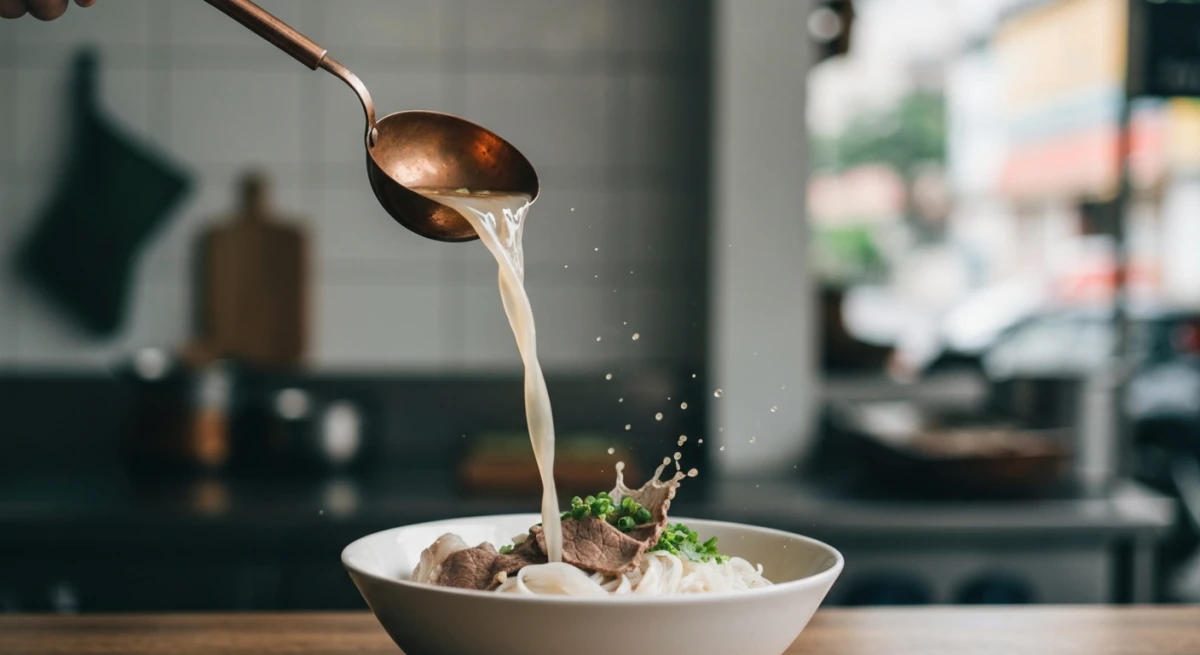
If there is one city in Southeast Asia that lives and breathes to eat, it is Saigon. Step onto any sidewalk in Ho Chi Minh City, and your senses are instantly greeted by a symphony of sizzling iron platters, bubbling cauldrons of rich broth, and aromatic clouds of sweet lemongrass smoke. For first-time visitors, however, navigating this culinary powerhouse can feel overwhelming. With thousands of street stalls, hidden alleyway vendors, and trendy cafes across twenty-four districts, knowing what food to try in Saigon is the key to unlocking the true soul of the city.
Unlike the more delicate, minimalist flavors of northern Hanoi, Saigon's food scene is bold, sweet, and heavily influenced by the lush ingredients of the Mekong Delta, historic French colonial techniques, and vibrant Chinese and Cambodian migrations. This comprehensive, boots-on-the-ground food guide bypasses the generic tourist traps to deliver the ultimate culinary roadmap of the southern capital. Here are the iconic dishes you cannot miss, how to eat them like a local, and the exact spots where they are perfected.
1. Sizzling Mornings: Breakfasts That Fuel the City
In Saigon, breakfast is not a quiet affair. It is loud, theatrical, and packed with bold flavors designed to jumpstart your day amidst the chaotic hum of millions of motorbikes.
Cơm Tấm (Broken Rice)
Historically, Cơm Tấm was a humble peasant dish made from "broken" rice grains—the fractured, unsellable leftovers from the milling process. Saigon's working class adopted it, and today, it is the city's most iconic culinary signature. There is nothing quite like walking down a Saigon street at 7:00 AM and catching the sweet, smoky scent of pork chops grilling over charcoal on the sidewalk.
A classic plate of Cơm Tấm Sườn Bì Chả features a bed of fragrant, fluffy broken rice topped with a honey-and-lemongrass-marinated pork chop (sườn nướng), shredded pork skin tossed with toasted rice powder (bì), and a savory steamed egg-and-pork meatloaf (chả trứng). The dish is drizzled with scallion oil (mỡ hành) and served with a side of sweet-and-sour pickled daikon and carrots. The ultimate magic, however, lies in the sweet, garlicky fish sauce (nước mắm chấm) poured generously over the plate.
Where to try it:
- Cơm Tấm Ba Ghiền (84 Đặng Văn Ngữ, Phú Nhuận District): A legendary, Michelin-recommended institution famous for serving massive, giant-sized pork chops that completely cover the plate.
- Cơm Tấm Nguyễn Văn Cừ (74 Nguyễn Văn Cừ, District 5): Famous for its premium ingredients and masterful charcoal-grilling technique, resulting in an exceptionally tender chop.
Bò Né ("Dodging Beef")
If you prefer your breakfast with a side of adrenaline, look no further than Bò Né, which literally translates to "dodging beef." This is Vietnam's ingenious, localized take on steak and eggs. It arrives at your low plastic table on a cow-shaped cast-iron skillet, screamingly hot and spitting sizzling oil in every direction. To eat it safely, you must hold your paper napkin up like a protective shield—hence the name.
A standard order of Bò Né features thinly sliced, marinated beef steak, a sunny-side-up egg cooking in the bubbling butter, a generous smear of rich liver pâté, and a small wedge of laughing cow cheese. It is accompanied by a fresh, crispy baguette (bánh mì) and a small side salad of lettuce, tomato, and cucumber dressed in a tangy vinaigrette. To eat like a Saigonese, rip off a piece of the warm bread, spread some pâté and cheese on it, dip it directly into the runny egg yolk and savory beef juices, and top it with a slice of tender beef.
Where to try it:
- Bò Né Thanh Tuyền (20/28 Nguyễn Trường Tộ, District 4): A beloved neighborhood spot in District 4 that has been serving perfectly seasoned, sizzling platters to hungry crowds for decades.
- Bò Né Lệ Hồng (489/29/20 Huỳnh Văn Bánh, Phú Nhuận District): A cozy alleyway gem known for its exceptionally tender beef and rich, buttery sauce.
2. Soul-Stirring Bowls: Saigon's Legendary Noodle Soups
While Hanoi is world-famous for its minimalist Pho, Saigon is a paradise of complex, multi-layered noodle bowls that draw influences from across southern Vietnam and neighboring Cambodia.
Hủ Tiếu Nam Vang (Phnom Penh Noodle Soup)
If Pho is the national dish, Hủ Tiếu is the true daily bread of Saigon. Originally a Teochew Chinese dish that migrated to Cambodia (Nam Vang is the Vietnamese word for Phnom Penh) before being adopted in southern Vietnam, Hủ Tiếu Nam Vang is a beautiful testament to the region's multicultural history. The broth is pork-based, simmered for hours with dried squid and shallots to create a sweet, clean, and deeply comforting flavor profile.
You can order Hủ Tiếu Nam Vang in two styles: "wet" (nước) or "dry" (khô). While the soup version is excellent, the dry version is where the dish truly shines. When ordered dry, the chewy, translucent tapioca noodles are tossed in a savory, slightly sweet dark soy-and-garlic glaze. The rich pork broth is served in a separate bowl on the side. The noodles are crowned with an abundance of toppings: minced pork, sliced pork loin, quail eggs, pork liver, and fresh, snap-crisp shrimp. It is served alongside a basket of fresh chrysanthemum greens, celery, and chives.
Where to try it:
- Hủ Tiếu Nam Vang Nhân Quán (122D Cách Mạng Tháng Tám, District 3): Open 24/7, this legendary spot is widely considered the absolute gold standard for dry-style Hủ Tiếu in Saigon.
- Hủ Tiếu Hồng Phát (389 Nguyễn Trãi, District 1): A historic, upscale restaurant serving an incredibly clean, refined broth and pristine seafood toppings.
Phở Nam (Southern-Style Pho)
Do not assume that all Pho in Vietnam is the same. The Northern version is subtle, clear, and sparse, but Phở Nam (Southern Pho) is a maximalist, flavor-packed celebration. The broth in Saigon is sweeter, richer, and heavily spiced with cinnamon, star anise, cardamom, and clove.
Furthermore, Southern Pho is served with a literal forest of fresh herbs, including Thai basil, culantro, rice paddy herb, and blanched bean sprouts. It also introduces two crucial condiments: hoisin sauce (tương đen) and chili sauce (tương ớt). To eat it like a local, do not squeeze these sauces directly into your bowl immediately. First, taste the pristine broth. Then, create a small dipping dish with a 50/50 mix of hoisin and chili sauce to dip your rare beef (tái), flank (nạm), or meatballs (bò viên) into.
Where to try it:
- Phở Lệ (415 Nguyễn Trãi, District 5): A legendary establishment in Chinatown serving what many consider the absolute best, richest Southern-style beef broth in the city.
- Phở Hòa Pasteur (260C Pasteur, District 3): One of Saigon's oldest, most nostalgic Pho institutions, famous for its generous portions and beautiful, herb-laden tables.
Bún Riêu Cua (Crab and Tomato Noodle Soup)
If you are looking for a noodle soup that delivers an intense explosion of umami, Bún Riêu is the answer. This stunning, crimson-hued noodle soup features a pork-bone and tomato-based broth that is simmered with pounded freshwater crabs. The crab meat forms soft, fluffy, cloud-like soufflé clusters (riêu cua) that float on top of the soup.
Every bowl of Bún Riêu is a treasure chest filled with fried tofu blocks, sweet stewed tomatoes, chunks of tender pork knuckle, Vietnamese ham (chả lụa), and cubes of dark, jelly-like congealed pig's blood (huyết). The real secret to unlocking Bún Riêu, however, is the condiments. You must add a small dollop of pungent purple shrimp paste (mắm tôm), a squeeze of fresh lime, and a heap of finely shredded banana flowers and water spinach. The result is a perfect harmony of sweet, sour, salty, and savory flavors.
Where to try it:
- Bún Riêu Gánh (4 Phan Bội Châu, District 1): Located right next to the east gate of Bến Thành Market, this multi-generational stall serves a slightly sweeter, highly accessible version that has been a favorite of locals and celebrities alike for decades.
3. Sizzle, Crunch, and Wrap: Crispy Street Delights
Saigon's street food is incredibly tactile. Many of the best dishes require you to get your hands dirty, wrapping crispy fried treats in fresh, peppery leaves.
Bánh Xèo (Sizzling Southern Crepe)
While Central Vietnam is known for small, thick crepes, the Southern-style Bánh Xèo is a giant, spectacular culinary marvel. The name literally translates to "sizzling cake," named after the loud hiss of the turmeric-and-coconut-milk-infused rice batter as it hits a blazing hot, heavily oiled iron skillet.
The batter is swirled around the pan until it forms a paper-thin, impossibly crispy golden shell. It is stuffed to the brim with pork belly, small river shrimp, mung beans, and a mountain of fresh bean sprouts. Eating Bánh Xèo is an interactive art form. You tear off a small piece of the crispy crepe, wrap it inside a large, spicy mustard green leaf (lá cải xanh) or lettuce leaf, tuck in a handful of fresh herbs like mint and Vietnamese coriander, roll it tightly, and dip it deep into a sweet-and-sour garlic-chili fish sauce (nước mắm chua ngọt). The contrast of hot, crispy, savory pork with cold, refreshing, peppery herbs is absolute heaven.
Where to try it:
- Bánh Xèo Đinh Công Tráng (46A Đinh Công Tráng, District 1): A bustling, historic street-side venue where you can watch skilled cooks manage dozens of flaming pans simultaneously.
- Bánh Xèo Ăn Là Ghiền (74 Sương Nguyệt Ánh, District 1): An excellent sit-down restaurant offering a cleaner, air-conditioned environment without sacrificing the authentic, shattering-crisp texture of the crepes.
Bột Chiên (Fried Rice Flour Cakes with Egg)
Originating from the Chinese Teochew diaspora in District 5 (Cholon), Bột Chiên is the ultimate midnight comfort food in Saigon. It is simple, carb-heavy, greasy, and completely addictive. Starchy cakes made from rice flour and tapioca starch are sliced into small, thick rectangles and fried on a massive, flat iron griddle in a generous amount of lard.
The cook fries the cakes until the exteriors are dark gold and crackingly crisp while the interiors remain delightfully chewy. Just before serving, one or two eggs are cracked directly over the cakes, binding them together. A handful of fresh green scallions is scattered on top. The plate is served piping hot, topped with a mountain of crunchy, raw shredded green papaya to cut through the richness. You drizzle a dark, sweet, and tangy soy-vinegar sauce over the top, add some chili paste, and enjoy.
Where to try it:
- Bột Chiên Đạt Thành (277 Võ Văn Tần, District 3): Renowned among locals for serving perfectly balanced, crispy-chewy cakes with an outstanding dipping sauce.
- Bột Chiên Phùng Hưng (Alley 200 Phùng Hưng, District 5): Located deep in Cholon, this historic stall still uses traditional lard to fry their cakes, yielding an unmatched old-school flavor.
4. The Magic of "Nhậu": Diving into Saigon's Snail and Seafood Culture
If you want to experience the true heartbeat of Saigon's social life, you must go out for Ốc (snails). In Saigon, "eating snails" is not a formal dining experience; it is a legendary social ritual centered around the culture of nhậu—the Vietnamese art of drinking beer, snacking on small plates, and laughing loudly with friends on the sidewalk as motorbikes rush past.
A typical street-side quán ốc (snail restaurant) is an open-air feast for the senses. Dozens of varieties of freshwater and marine snails, clams, scallops, oysters, and crabs are displayed on ice. You choose your seafood and specify how you want it cooked. The cooking styles are endlessly creative:
- Sò Điệp Nướng Mỡ Hành: Sweet, tender sea scallops grilled on the half-shell over hot coals, drenched in fragrant scallion oil, and topped with crunchy roasted peanuts and fried shallots.
- Ốc Hương Sốt Hoàng Kim: Sweet snail (ốc hương) stir-fried in a rich, velvety, and sweet salted egg yolk sauce. You will want to order a baguette just to mop up every drop of this golden sauce.
- Ốc Len Xào Dừa: Mud creeper snails simmered in a rich, sweet, and aromatic coconut cream broth infused with lemongrass and Vietnamese coriander. To eat them, you must suck the snail directly out of its shell with a satisfying "pop."
- Nghêu Hấp Sả: Sweet clams steamed in a light, fiery broth of lemongrass, chili, and ginger. It is incredibly clean and comforting.
Where to try it:
- Vĩnh Khánh Street (District 4): This buzzing street is the undisputed culinary capital of Saigon's snail scene. As night falls, the sidewalks are packed with tables, live music, and seafood smoke. Stop at Ốc Oanh (534 Vĩnh Khánh) for their famous spicy butter-roasted crab claws.
- Ốc Đào (212/C79 Nguyễn Trãi, District 1): Tucked away down a long, narrow alleyway, this legendary spot is beloved by locals for its consistent quality, incredibly fast service, and legendary sweet-and-spicy sauces.
- Ốc Loan (Chung Cư Nguyễn Thiện Thuật, District 3): Located in the courtyard of a historic 1960s apartment block, this spot offers a wonderfully nostalgic, hyper-local dining atmosphere.
5. Handheld Icons: Bánh Mì and Sweet Endings
No culinary journey through southern Vietnam is complete without exploring its most famous handheld staple and the delightful sweets that balance the city's fiery heat.
Bánh Mì: The Tale of Two Styles
Bánh Mì is the ultimate symbol of French-Vietnamese culinary fusion. The French introduced the baguette and pâté, but the Vietnamese lightened the bread with rice flour to make it ultra-crispy, stuffed it with vibrant herbs and pickled vegetables, and created a global masterpiece. In Saigon, there are two distinct ways to experience this iconic sandwich.
The first is the overstuffed, grab-and-go cold cut bomb. The undisputed heavyweight champion of this style is Bánh Mì Huỳnh Hoa (26 Lê Thị Riêng, District 1). Known as the most famous Bánh Mì shop in Vietnam, their sandwiches are packed with a thick layer of rich, house-made pork liver pâté, silky Vietnamese mayonnaise, pork floss, and multiple layers of Vietnamese ham, headcheese, and roast pork. It is incredibly heavy, rich, and easily large enough to share between two people.
The second style is the nostalgic, slow-paced breakfast known as Bánh Mì Chảo (skillet bread). At Bánh Mì Hòa Mã (53 Cao Thắng, District 3), which has been operating since 1958, you sit on tiny plastic stools in a narrow alleyway. Instead of a pre-made sandwich, you are served a sizzling, individual cast-iron skillet containing two sunny-side-up eggs, caramelized onions, thick slices of pork ham, and a rich dollop of pâté, accompanied by a warm, freshly baked baguette on the side. You tear the hot bread, smear it with pâté, dip it into the runny egg yolks, and watch the morning alleyway life go by.
Bún Thịt Nướng (Grilled Pork Noodle Salad)
If the stifling Saigon heat has you craving something fresh, light, but deeply satisfying, look no further than Bún Thịt Nướng. This is a dry vermicelli noodle bowl that is a masterpiece of temperature and texture contrast.
At the bottom of the bowl lies a bed of cool, soft rice vermicelli noodles, shredded lettuce, cucumber, bean sprouts, and fresh herbs. This is topped with warm, smoky, lemongrass-marinated grilled pork (thịt nướng), crispy deep-fried imperial spring rolls (chả giò), a spoonful of scallion oil, and a generous sprinkling of crushed roasted peanuts and pickled carrots. To eat it, you pour a generous amount of light, sweet chili fish sauce over the entire bowl, toss it thoroughly like a salad, and enjoy. Every bite is sweet, savory, smoky, and incredibly refreshing.
Where to try it:
- Bún Thịt Nướng Nguyễn Trung Trực (1 Nguyễn Trung Trực, District 1): A bustling street-side stand in the heart of District 1 that has been grilling pork on the sidewalk for over forty years.
- Bún Thịt Nướng Kiều Giang (139 Đề Thám, District 1): A clean, comfortable restaurant serving a stellar, highly consistent version of this southern classic.
Sweet Refreshments: Cà Phê Sữa Đá and Chè
To survive the tropical climate of Saigon, you must embrace the local drinking and dessert culture.
First and foremost is Cà Phê Sữa Đá (Vietnamese Iced Milk Coffee). Vietnamese coffee is brewed using dark-roast Robusta beans dripped slowly through a metal filter (phin) directly over a thick layer of sweet condensed milk. This intense, sweet, and chocolaty brew is then poured over a glass of crushed ice. It is strong enough to power you through twelve hours of sightseeing.
For dessert, seek out a Tiệm Chè (sweet dessert soup shop). Southern Chè is famously sweet, rich, and heavy on coconut milk. A must-try is Chè Thái, a colorful bowl filled with tropical fruits like jackfruit, longan, and durian, swimming in sweetened coconut milk with jelly strips. Alternatively, try Chuối Nếp Nướng—sweet, ripe bananas wrapped in sticky rice, grilled over charcoal in banana leaves, and drenched in a warm, salted coconut cream sauce with tapioca pearls.
Where to try them:
- Cà Phê Vy (277 Lê Thánh Tôn, District 1): A legendary sidewalk coffee spot where you can sit on low stools, sip a remarkably strong Cà Phê Sữa Đá, and watch the city rush by.
- Chè Khánh Vy (Chung Cư Ngô Gia Tự, District 10): A historic dessert stall operating for decades, serving an array of warm and cold traditional sweet soups.
6. A Traveler's Guide to Dining Like a Local in Saigon
Eating street food in Saigon is incredibly rewarding, but it can be intimidating if you don't know the local etiquette. Keep these essential tips in mind to dine with confidence:
- Embrace the Low Plastic Stools: The best food in Saigon is almost always served on the sidewalk, where you will be sitting on tiny plastic stools just inches from the pavement. Do not let the lack of a formal dining room deter you—the lower the stool, the better the food.
- Look for Specialization: Avoid street vendors that try to cook everything. The most legendary stalls in Saigon have spent decades perfecting just one single dish. Look for signs that display only one name, like "Cơm Tấm" or "Hủ Tiếu."
- The Wet Napkin Charge: At most local eateries, you will find packed wet napkins (khăn lạnh) placed on your table. These are not free. If you use one, a small fee (usually 2,000 to 5,000 VND) will be added to your bill. If you don't want to pay, simply bring your own tissues.
- Is the Ice Safe? Yes! In Saigon, the ice (đá) used in busy street food stalls and restaurants is commercially manufactured in clean factories and delivered daily in large blocks. It is perfectly safe to consume. Just look for round, cylindrical ice cubes with holes in the middle, which indicates commercial production.
- Tipping Etiquette: Tipping is not part of traditional Vietnamese dining culture, especially at street-side stalls. However, leaving a small tip (10% or rounding up the bill) is becoming more common in upscale westernized restaurants and craft beer bars in District 1.
Frequently Asked Questions About Saigon Street Food
What is the difference between food in Hanoi and Saigon?
Hanoi's cuisine is historic, traditional, and delicate. It features subtle, balanced, and savory flavors with minimal seasoning and rare use of sugar. Saigon's cuisine is bold, dynamic, and sweet. Thanks to its proximity to the Mekong Delta and multicultural history, Saigon food heavily incorporates coconut milk, fresh tropical herbs, sugar, and chili. Portions are generally larger in Saigon, and the variety of raw herbs served with meals is much wider.
Is street food safe to eat in Saigon?
Yes, street food in Saigon is generally very safe, provided you follow a few basic rules. Look for stalls that have a high turnover of local customers, which guarantees that the ingredients are fresh and haven't been sitting out. Ensure that hot dishes like noodle soups or meats are served bubbling hot or grilled fresh to order.
What is the absolute most famous food to try in Saigon?
While Pho is globally famous, within Saigon, Cơm Tấm (Broken Rice) is widely considered the true soul food of the city. It is eaten for breakfast, lunch, dinner, and late-night snacks by millions of locals every single day.
Where is the best neighborhood to go for street food in Saigon?
While District 1 has many excellent spots, District 4 (especially Vĩnh Khánh Street and the alleys around Xóm Chiếu Market) is the absolute street food capital of the city. Additionally, District 5 (Cholon / Chinatown) offers incredible Chinese-Vietnamese culinary gems, while Phú Nhuận District is fantastic for trendy local cafes and noodle shops.
Conclusion
Saigon does not hide its beauty in museums or galleries; it displays it proudly on the sidewalks, inside steaming bowls of broth, and on sizzling iron skillets. To truly understand this vibrant metropolis, you must look past the glittering skyscrapers and find a plastic stool on a crowded corner. Armed with this guide to the ultimate food to try in Saigon, you are ready to embark on an unforgettable culinary adventure. Dive in, eat with intention, and let the flavors of the southern capital capture your soul.