Ho Chi Minh City (still affectionately called Saigon by locals) is a sensory overload in the best possible way. Amidst the sea of motorbike engines and neon lights, the city’s true heartbeat is found on its sidewalks. Here, perched on tiny plastic stools just inches from the buzzing traffic, you will experience one of the world's most vibrant, complex, and irresistible culinary landscapes. Saigon is a magnificent food melting pot, blending traditional southern flavors with culinary influences from the north, central highlands, French colonial history, and neighboring Cambodia and China.
If you are planning a trip to this dynamic metropolis, knowing which food to try in ho chi minh is essential to unlocking the city's soul. Unlike Hanoi’s subtle, delicate, and often traditional culinary style, Saigon’s food scene is bold, sweet, heavily herb-infused, and endlessly experimental. From sizzling street-side crepes to rich, slow-simmered noodle soups, this comprehensive guide covers the absolute best food to try in ho chi minh, complete with local-approved spots, historical context, and essential street dining etiquette.
1. The Undisputed Classics: Saigon’s Daily Staples
Some dishes are so deeply woven into the daily fabric of Saigon life that you cannot claim to have visited the city without eating them multiple times. These are the foundational pillars of southern Vietnamese cuisine, served from dawn until past midnight.
Banh Mi: The Ultimate Street Sandwich
While banh mi is famous globally, eating one in Ho Chi Minh City is a completely different experience. The Saigon-style banh mi is heavier, crustier, and packed to the absolute brim with a dizzying array of cured meats, house-made pâté, rich mayonnaise, pickled daikon and carrots, cucumber slices, fresh cilantro, and a fiery kick of bird's eye chili. The bread itself is a marvel—perfectly crispy on the outside and incredibly airy on the inside, a legacy of French baking techniques modified with local rice flour to give it that light, signature crunch.
- The Local Experience: Watch the vendor assemble your sandwich with lightning speed. The contrast of warm, savory meats, rich and creamy pâté, and cold, crunchy, tangy pickles is pure culinary magic. If you cannot handle heat, be sure to say "khong ot" (no chili) before they assemble it!
- Where to Try It:
- Banh Mi Huynh Hoa (26 Le Thi Rieng, District 1): Often called the "best banh mi in Saigon." It is incredibly heavy, packed with layers of premium pork, headcheese, and their legendary rich, buttery pâté. Expect a crowd, but the line moves incredibly fast.
- Banh Mi Hong Hoa (54 Nguyen Van Trang, District 1): A fantastic, slightly lighter alternative with incredibly fresh, crispy bread baked right on-site. It is perfect for a quick breakfast.
Com Tam: Saigon’s Legendary Broken Rice
If there is one dish that belongs entirely to Ho Chi Minh City, it is Com Tam (Broken Rice). Historically, this dish was made from fractured rice grains that farmers couldn't sell, making it a humble, cheap meal for the working class. Today, it is a beloved culinary icon eaten for breakfast, lunch, and dinner alike, enjoyed by street sweepers and wealthy entrepreneurs alike.
The star of the dish is suon nuong—a thin pork chop marinated in lemongrass, garlic, shallots, and sweet soy, then grilled over hot charcoal until caramelized, tender, and intensely smoky. It is served over a bed of dry broken rice and accompanied by bi (shredded pork skin mixed with toasted rice powder), cha trung (a savory steamed egg, wood-ear mushroom, and pork meatloaf), a fried egg, pickled vegetables, and a generous splash of sweet, garlicky fish sauce.
- The Local Experience: Follow your nose. The smoky aroma of grilling pork chops wafting across Saigon's streets is the ultimate sign of an excellent com tam joint. Pour the sweet fish sauce over the rice, mix in the scallion oil, and take a bite of everything together.
- Where to Try It:
- Com Tam Ba Ghien (84 Dang Van Ngu, Phu Nhuan District): Famous for serving a massive, succulent, perfectly marinated pork chop that completely covers the plate. It is a legendary stop featured on international food shows.
- Com Tam Nguyen Van Cu (74 Nguyen Van Cu, District 1): Pricier than most, but renowned for some of the best-marinated grilled pork in the city.
Pho Bo (Southern Style): A Herby, Sweet Twist on the Classic
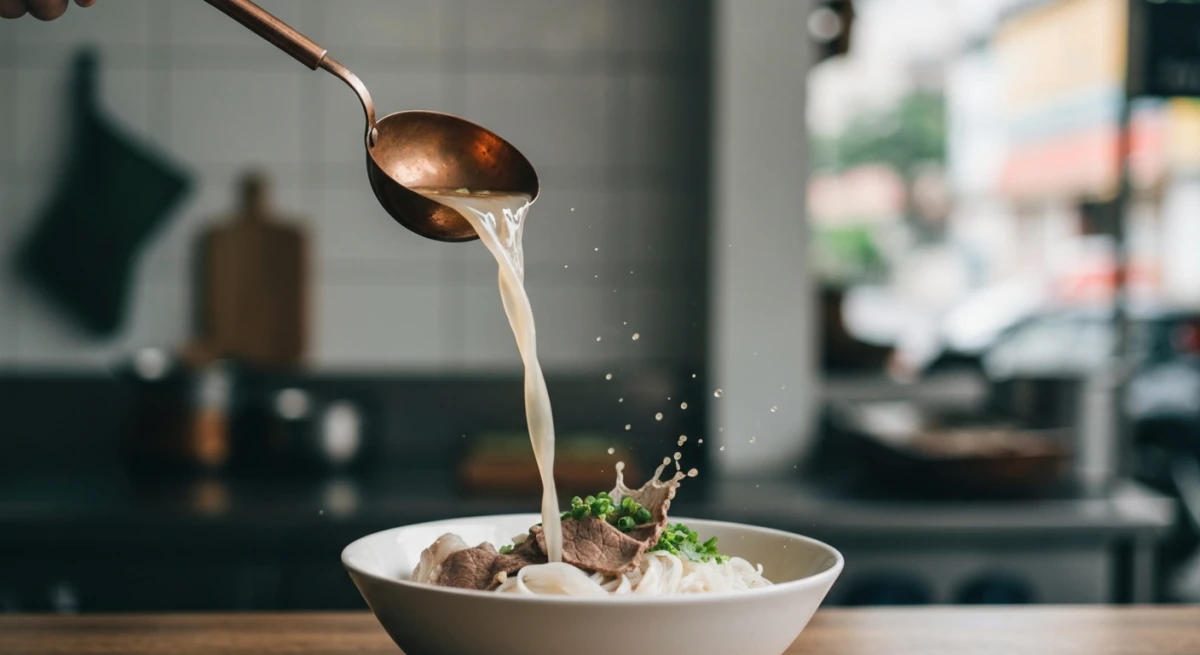
To truly understand the diverse flavors of Vietnam, you must try Southern-style Pho. Unlike the clean, minimalist Northern version (which focuses purely on a clear broth and simple beef cuts), Southern Pho is a complex, robust, and highly customizable affair. The broth is slightly sweeter, richer, and simmered for up to 24 hours with beef bones, charred onions, ginger, and a warm bouquet of star anise, cinnamon, and cloves.
When you order Pho in Saigon, you will be served a mountain of fresh herbs (including Thai basil, sawtooth herb, rice paddy herb, and mint), a plate of fresh bean sprouts, lime wedges, and fresh chili. Crucially, locals squeeze hoisin sauce and sriracha directly into a small side dish for dipping the beef, or occasionally swirl it directly into the broth.
- The Local Experience: Customize your bowl! Pluck the leaves off the herbs, tear them to release the aromatic oils, submerge them in the piping hot broth, and dive in. Don't forget to dip your tender beef slices into the hoisin-sriracha mix.
- Where to Try It:
- Pho Le (415 Nguyen Trai, District 5): A legendary spot in Chinatown serving incredibly rich, deeply flavorful Southern-style beef pho with a slightly sweet, highly aromatic broth.
- Pho Hoa Pasteur (260C Pasteur, District 3): One of the oldest and most famous pho restaurants in Saigon, serving generous portions in a classic, bustling atmosphere.
2. Savory Noodle Masterpieces Beyond Pho
While Pho gets the global spotlight, locals in Ho Chi Minh City know that the city’s noodle scene is incredibly diverse. These noodle soups and dry dishes are spectacular representations of Southern and regional Vietnamese culinary genius.
Hu Tieu Nam Vang: The Melting Pot Noodle Soup
If you ask locals for a noodle food to try in ho chi minh that isn't Pho, they will likely point you toward Hu Tieu Nam Vang. This dish perfectly tells the story of Saigon’s multicultural history. Originally a Cambodian noodle soup with Chinese roots (from Phnom Penh, which is called Nam Vang in Vietnamese), it was adapted to Southern Vietnamese tastes and has become an absolute staple of Saigon street food.
The broth is made from pork bones, dried shrimp, and dried squid, yielding a sweet, savory, and incredibly comforting flavor. It is packed with toppings: minced pork, sliced pork, quail eggs, fresh shrimp, and sometimes offal like liver or heart. You can order it nuoc (with the broth) or kho (dry, where the chewy tapioca noodles are tossed in a rich, savory soy-based sauce and served with a bowl of hot broth on the side).
- The Local Experience: The dry version (hu tieu kho) is a local favorite. It allows you to appreciate the chewy texture of the noodles and the intense flavor of the savory sauce, with spoonfuls of hot pork broth to cleanse your palate between bites.
- Where to Try It:
- Hu Tieu Nhan Quan (488 Nguyen Thi Minh Khai, District 3): A highly popular chain known for its pristine ingredients, sweet pork broth, and exceptionally fresh seafood toppings.
Bun Thit Nuong: The Perfect Balance of Fresh and Savory
On a hot, humid Saigon afternoon, a steaming bowl of noodle soup can feel overwhelming. Enter Bun Thit Nuong—a dry rice vermicelli noodle dish that is fresh, crunchy, cool, and incredibly satisfying. It represents the perfect balance of fresh herbs and smoky, savory meats.
A bowl of Bun Thit Nuong is carefully assembled with a base of shredded lettuce, fresh herbs, cucumber, and bean sprouts. It is topped with cold rice vermicelli, warm lemongrass-grilled pork, crispy cha gio (fried spring rolls), pickled carrots and daikon, crushed peanuts, and scallion oil. You pour sweet, tangy nuoc mam cham (diluted fish sauce) over the entire bowl, mix it thoroughly, and eat.
- The Local Experience: The magic lies in the texture and temperature play—the warm, charred pork meets the cold, refreshing noodles and crunchy herbs, all tied together by the sweet and sour fish sauce. It is the ultimate lunch-on-the-go.
- Where to Try It:
- Bun Thit Nuong Kieu Giang (139 De Tham, District 1): Easily accessible in the city center, serving fantastic grilled pork and crispy, golden spring rolls.
- Bun Thit Nuong Nguyen Trung Truc (120 Nguyen Trung Truc, District 1): A bustling street stall that serves a superb, authentic local bowl with exceptionally smoky meat.
Bun Bo Hue: Central Vietnam's Spicy Masterpiece
Originating from the imperial city of Hue in Central Vietnam, Bun Bo Hue is a spicy, lemongrass-heavy beef and pork noodle soup that has earned a permanent place in the hearts of Saigonese. The broth is a culinary work of art: a deeply savory blend of beef and pork bones simmered with heavy amounts of lemongrass, chili oil, and fermented shrimp paste (mam ruoc), which gives the soup its distinct depth and aroma.
The noodles used are thicker and rounder than those in Pho, giving them a satisfying chew. The bowl is loaded with tender beef shank, slices of pork leg, cubes of congealed pig’s blood, and cha lua (Vietnamese pork sausage).
- The Local Experience: This dish is spicy, salty, sour, and sweet all at once. Squeeze a generous wedge of lime to cut through the rich broth, and add a handful of shredded banana blossoms and water spinach for a pleasant crunch.
- Where to Try It:
- Bun Bo Hue Ut Hung (405 Ngo Gia Tu, District 10): Known for its intense, aromatic lemongrass broth that doesn't compromise on traditional flavors.
- Bun Bo Nhan Tri (295 Le Hong Phong, District 10): A highly rated spot serving exceptionally rich, generously topped bowls.
3. Interactive Dining: Wraps, Rolls, and Sizzling Crepes
Vietnamese dining is highly interactive. Many of the most exciting street foods require you to use your hands, wrapping fresh ingredients in crisp greens or delicate rice paper before dipping them in exquisite sauces.
Banh Xeo and Banh Khot: Sizzling Savory Delights
Banh Xeo literally translates to "sizzling cake," named after the loud hiss the rice batter makes when poured into a roaring hot, oil-slicked skillet. This Southern giant is a thin, crispy, golden crepe made from rice flour, water, coconut milk, and turmeric (which gives it its signature yellow color, not eggs!). It is stuffed with pork belly, shrimp, mung beans, and a mountain of fresh bean sprouts.
Its smaller cousin, Banh Khot, uses a similar turmeric rice batter but is cooked in specialized molded iron pans. The result is bite-sized, crunchy half-spheres topped with a single shrimp, scallion oil, and a dusting of dried shrimp powder.
- The Local Experience: Do not use a knife and fork! To eat Banh Xeo, tear off a piece of the crispy crepe, place it inside a large mustard leaf or lettuce leaf, pack it with fresh herbs (mint, Thai basil), roll it up tightly, dip it deep into sweet fish sauce, and enjoy the explosion of textures.
- Where to Try It:
- Banh Xeo 46A (46A Dinh Cong Trang, District 1): A world-famous spot (popularized by Anthony Bourdain) serving massive, incredibly crispy banh xeo cooked over traditional charcoal stoves.
- Banh Khot Co Ba Vung Tau (102 Cao Thang, District 3): Excellent place to try both premium banh khot and banh xeo in a comfortable, clean setting.
Goi Cuon: The Fresh, Light Spring Roll
If you need a break from deep-fried or heavily spiced street foods, Goi Cuon (Fresh Spring Rolls) is the perfect light snack. These translucent rolls are made by lightly wetting a sheet of delicate rice paper, then wrapping it tightly around slices of boiled pork, plump shrimp, cold rice vermicelli noodles, fresh lettuce, mint, and long stalks of chives.
What elevates Goi Cuon from simple to extraordinary is the dipping sauce. In Saigon, they are traditionally served with a rich, warm, thick peanut dipping sauce (tuong dau phong) topped with crushed roasted peanuts and a dab of chili paste.
- Where to Try It:
- Goi Cuon Hanh (420 Hoa Hao, District 10): A dedicated local stall famous for rolling exceptionally fresh, perfectly balanced rolls all day long.
4. The Soul of Saigon: Snail and Shellfish Culture ("Oc")
To truly experience the food to try in ho chi minh like a born-and-bred local, you must dedicate an evening to An Oc (eating snails). In Saigon, "Oc" is not just a food category; it is a vital social subculture. After work, groups of friends, families, and colleagues gather around low metal tables on the pavement to share dozens of plates of shellfish, drink ice-cold beers, and talk late into the night.
The variety of seafood available at a typical snail joint is astounding. You will find sweet mud creepers, massive sea snails, clams, scallops, oysters, and blood cockles. The preparation styles are equally diverse and mouthwatering:
Oc Len Xao Dua: Mud creeper snails stir-fried in a sweet, rich, and highly aromatic coconut cream broth. You suck the snails directly out of their shells!
Soduyet Nuong Mo Hanh: Blood cockles grilled on open charcoal and drenched in fragrant scallion oil, crispy fried shallots, and crushed peanuts.
Oc Huong Xao Bo Toi: Sweet snails stir-fried in a rich, decadent garlic butter sauce, perfect for dipping crusty Vietnamese bread (banh mi) to soak up every drop.
The Local Experience: The social atmosphere of an Oc street restaurant is electric. The clinking of beer glasses (often accompanied by the chant "Mot, Hai, Ba, Dzo!" - 1, 2, 3, Cheers!), the aroma of sizzling garlic, and the lively chatter make this an unforgettable cultural experience.
Where to Try It:
- Oc Dao (212B/C79 Nguyen Trai, District 1): Hidden down a series of alleyways, this is one of Saigon’s most legendary snail spots, boasting an incredibly vast menu and delicious sauces.
- Oc Khanh (25/5 Nguyen Binh Khiem, District 1): A cozy, incredibly popular alleyway gem known for fast service and exceptionally fresh shellfish.
Bot Chien: Saigon's Ultimate Comfort Snack
Another late-night street food staple is Bot Chien (Pan-Fried Rice Cakes). This dish has Chinese Teochew roots but has been thoroughly embraced by Saigon's late-night crowds. Thick cubes of rice flour cake are pan-fried on a massive flat iron skillet until the exteriors are golden and crispy while the interiors remain chewy and soft.
The vendor then cracks an egg or two over the rice cakes, sprinkles a generous handful of chopped green onions, and cooks it until the egg binds the cakes together. It is served steaming hot, topped with shredded green papaya to cut the richness, and accompanied by a tangy, sweet-savory dark soy dipping sauce.
- Where to Try It:
- Bot Chien Dat Thanh (277 Vo Van Tan, District 3): A legendary spot that has been frying up some of the crispiest, most delicious bot chien in Saigon for decades.
5. Liquid Gold and Sweet Treats: Saigon’s Drink and Dessert Scene
No exploration of the best food to try in ho chi minh is complete without diving into the city's iconic beverage and dessert landscape. The intense tropical heat of Saigon has fostered a magnificent culture of refreshing, sweet drinks.
Ca Phe Sua Da: The Real Fuel of Saigon
In Ho Chi Minh City, coffee is not a morning chore; it is an art form and a lifestyle. The quintessential drink is Ca Phe Sua Da (Iced Coffee with Sweet Condensed Milk). Dark, intensely roasted Robusta beans are brewed slowly through a small metal drip filter called a phin. The rich, chocolatey, highly caffeinated concentrate drips directly onto a thick layer of sweet condensed milk at the bottom of the glass. The mixture is stirred vigorously and poured over a glass packed with crushed ice.
- The Local Experience: Sit at a "Ca phe bet" (flat-ground coffee) spot, perched on plastic stools under the shade of trees in a public park, slowly sipping this sweet, incredibly strong elixir while watching the city buzz past.
- Where to Try It: You can find incredible Ca Phe Sua Da at literally any street cart displaying a coffee sign. For a classic, nostalgic indoor experience, visit Vy Cafe (277E Le Thanh Ton, District 1) or Cong Caphe for their famous Coconut Iced Coffee.
Che: Sweet Dessert Soups
To satisfy your sweet tooth, seek out Che—a generic term for a wide variety of sweet Vietnamese dessert soups, puddings, and drinks. Che can be served hot or cold, and typically features ingredients like sweetened coconut milk, mung beans, black-eyed peas, taro, tapioca pearls, grass jelly, lotus seeds, and tropical fruits like jackfruit or longan.
- Che Ba Mau (Three-Color Dessert) is a highly popular cold variant featuring layers of yellow mung bean paste, red beans, green pandan jelly, topped with rich coconut sauce and crushed ice. It is the ultimate refresher after a hot day of exploring.
- Where to Try It:
- Che My (119 Nguyen Tri Phuong, District 5): A popular spot in District 5 serving delicious, refreshing, and authentic sweet dessert bowls with a modern touch.
6. First-Timer’s Guide to Eating Street Food in Saigon
Navigating the culinary maze of Ho Chi Minh City can be intimidating for first-time visitors. Follow these simple local guidelines to eat safely, cheaply, and like a seasoned pro:
- Look for High Turnover: The golden rule of street food safety is to eat at stalls that are packed with locals. High turnover means the ingredients are exceptionally fresh and haven't been sitting out in the tropical heat.
- Follow the Specialists: Avoid stalls that try to cook everything. The best street food spots in Saigon typically specialize in just one or two dishes, perfecting them over decades. If a vendor only sells Com Tam, eat their Com Tam.
- Embrace the Tiny Plastic Stools: Do not let basic setups deter you. Some of the most complex, Michelin-recognized flavors in the city are served on low plastic stools on busy sidewalk corners.
- Mind the Napkin Etiquette: Many local street food spots provide small packs of wet tissues (khăn lạnh) on the table. Note that these are not free; they usually cost around 2,000 to 5,000 VND (about $0.10 - $0.20 USD) each. Dry paper napkins in dispensers are usually free.
- Carry Cash (Vietnamese Dong): While modern restaurants and cafes accept credit cards, street food stalls are strictly cash-only operations. Keep small bills (10,000, 20,000, and 50,000 VND) handy, as vendors may struggle to change a 500,000 VND bill.
Frequently Asked Questions About Food to Try in Ho Chi Minh
Is street food in Ho Chi Minh City safe to eat?
Yes, street food in Ho Chi Minh City is generally very safe to eat, provided you use basic common sense. Look for busy stalls with high customer turnover, ensure the food is cooked hot and fresh to order, and check that the cooking environment looks clean. Stick to bottled water and ice made from purified water (which is standard in almost all established Saigon street stalls).
How much does street food cost in Ho Chi Minh City?
Street food in Saigon is incredibly affordable. A standard bowl of soup (like Pho or Hu Tieu) or a plate of Com Tam generally costs between 35,000 to 70,000 VND ($1.50 to $3.00 USD). A Banh Mi can range from 20,000 to 60,000 VND ($0.80 to $2.50 USD). Even a massive feast of street snails and beers with friends rarely exceeds $10 to $15 USD per person.
What is the difference between Northern and Southern Vietnamese food?
Northern Vietnamese food (centered around Hanoi) tends to be more delicate, subtle, and balanced, relying heavily on black pepper rather than chilies, with less sugar. Southern Vietnamese food (centered around Ho Chi Minh City) is much bolder, sweeter, and spicier. Southerners use a massive variety of fresh herbs, coconut milk, and sugar in their broths and marinades.
Where is the best place to find street food in Ho Chi Minh City?
While you can find amazing food on almost every street corner, some of the best dense pockets of street food are in District 4 (especially Vinh Khanh Street for snails and street seafood), District 3 (around the Nguyen Thien Thuat apartment complexes), and District 5 (Chinatown/Cho Lon) for incredible Chinese-influenced Vietnamese classics.
Conclusion
Ho Chi Minh City is a place where culinary rules are bent, flavors are amplified, and dining is a shared, joyous, street-level experience. Eating here is not just about nutrition; it is an active exploration of history, culture, and community. Whether you find yourself tucked into a narrow alleyway devouring garlic-butter snails, sipping an icy Ca Phe Sua Da on a park bench, or biting into a spectacularly crunchy banh mi, the food of Saigon will leave a permanent mark on your culinary memory. Pack your appetite, leave your culinary comfort zone behind, and dive into the magnificent, unforgettable world of Ho Chi Minh City street food.