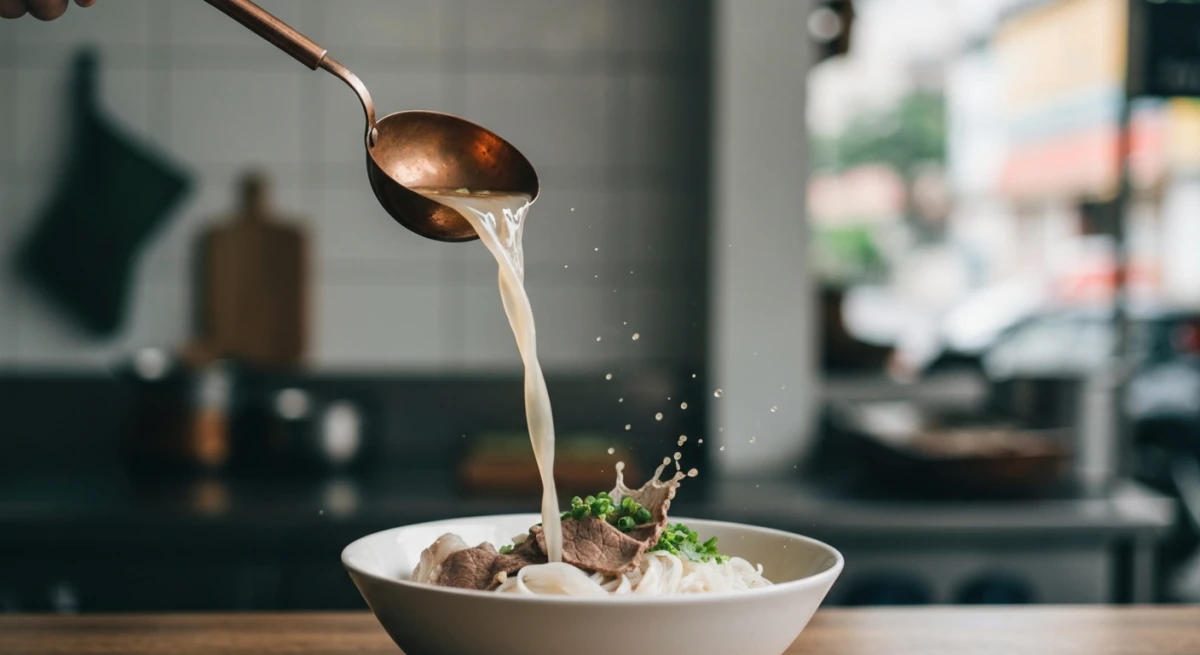
Few cities in the world live and breathe food quite like Hanoi. As the chaotic heartbeat of Vietnam, this thousand-year-old capital is a sensory overload of roaring motorbikes, fragrant steam rising from roadside cauldrons, and the rhythmic clinking of spoons. To truly understand this city, you have to eat your way through it. Booking a hanoi food tour or setting out on a self-guided culinary quest is not just a tourist activity—it is a vital rite of passage.
In this comprehensive guide, we will unpack everything you need to know about navigating the labyrinthine alleys of the Old Quarter, from the iconic dishes that defined a nation to the unspoken rules of sidewalk dining.
The Soul of Northern Vietnamese Cuisine: What Makes It Different?
To appreciate a hanoi food tour, you must first understand the philosophy behind Northern Vietnamese cooking. Unlike the sweeter, herb-heavy dishes of Ho Chi Minh City or the fiery spices of Central Vietnam, Hanoian cuisine is defined by its subtlety, balance, and clean flavors.
Northern Vietnamese chefs practice culinary restraint. Broths are rarely loaded with sugar; instead, they rely on the slow extraction of sweetness from bones, roasted ginger, and charred onions. Black pepper, rather than fresh chili, is the primary source of heat. Dill, perilla, and Vietnamese balm (kinh giới) take center stage over basil and mint.
The goal of Hanoian street food is mặn mà—a local term describing a deep, rounded, perfectly balanced savoriness. When you sit down on a low plastic stool, you are participating in a culinary tradition that has remained unchanged for generations, shaped by French colonial influences, Chinese proximity, and a fierce pride in local ingredients.
The Essential Hanoi Food Tour Checklist: 6 Must-Try Dishes
Whether you join a guided walking excursion or design your own culinary itinerary, these six dishes are non-negotiable. They form the core of any authentic food experience in the capital.
1. Phở (Traditional Beef or Chicken Noodle Soup)
No trip to Vietnam is complete without pho, but in Hanoi, this dish is treated with religious reverence. Unlike Southern pho, which is accompanied by a mountain of bean sprouts and sweet hoisin sauce, Northern pho (Phở Bắc) is minimalist. It consists of flat rice noodles, paper-thin slices of beef (beef pho is phở bò) or shredded chicken (phở gà), and a clear, aromatic broth topped with a handful of chopped green onions.
- How to eat it like a local: Taste the broth first. Then, add a squeeze of fresh lime juice and a spoonful of pickled garlic vinegar. Do not squirt hoisin sauce or sweet chili sauce directly into the bowl—this is considered a cardinal culinary sin in the North. If you want some crunch, order quẩy (savory fried dough sticks) to dip into the broth.
- Pro Tip: Look for Phở Trộn (dry mixed pho) or Phở Cuốn (fresh beef and herb rolls wrapped in sheets of uncut pho noodles) for a refreshing twist on a classic.
2. Bún Chả (Charcoal-Grilled Pork with Rice Noodles)
If pho is the soul of Hanoi, bún chả is its everyday heartbeat. This dish gained global fame when President Barack Obama and Anthony Bourdain shared a meal at a humble Hanoi restaurant. It features charcoal-grilled pork patties (chả) and sliced pork belly bathing in a warm, sweet-and-savory dipping broth made of fish sauce, vinegar, sugar, and green papaya slices. It is served with a plate of fresh rice vermicelli noodles (bún) and a basket of fresh herbs.
- How to eat it like a local: Do not dump all your noodles into the broth at once; they will absorb too much liquid and turn mushy. Instead, grab a small bundle of noodles with your chopsticks, dip them into the broth along with a piece of pork and some herbs, and transfer the mouthful directly to your mouth. Add minced garlic and fresh chili to taste.
3. Bánh Cuốn Nóng (Steamed Rice Sheet Rolls)
Bánh cuốn is a masterpiece of culinary texture. Chefs ladle a thin fermented rice batter onto a tightly stretched piece of fabric over boiling water. Within seconds, a delicate, translucent sheet forms. The chef lifts it off with a bamboo stick, fills it with seasoned minced pork and wood-ear mushrooms, and rolls it up. It is served warm, topped with crispy fried shallots, and accompanied by a side of dipping sauce (nước chấm), which is sometimes infused with a drop of giant water bug essence (cà cuống) for an earthy, floral flavor.
- Why it’s special: It is incredibly light yet deeply satisfying, making it a popular breakfast or late-night snack.
4. Bánh Mì (The Hanoian Style)
While the Southern bánh mì is legendary for its massive size and colorful layers of pickled daikon, cucumber, cilantro, and multiple cold cuts, the Hanoian version is much more understated. It focuses on the quality of the bread and a few premium fillings. A typical Hanoian sandwich features a warm, incredibly crispy baguette smeared with rich liver pâté, a swipe of mayonnaise, chili sauce, fried shallots, and a simple protein like grilled pork or egg.
- The texture rule: A great Hanoian bánh mì must be light and airy on the inside, with a crust so crispy that it showers crumbs over your shirt with every bite.
5. Cà Phê Trứng (Vietnamese Egg Coffee)
Invented in 1946 during a severe milk shortage caused by the First Indochina War, egg coffee is a triumph of wartime ingenuity. Mr. Nguyen Giang, a bartender at the legendary Metropole Hotel, decided to whisk egg yolks with sugar as a substitute for condensed milk. The result was a velvety, custard-like foam poured over a shot of intense, dark-roast robusta coffee.
- Where to find it: Skip the modern chains and hunt down Café Giang or Café Đinh. Both require walking down incredibly narrow, poorly lit residential hallways that open up into hidden, historic courtyards.
- How to drink it: Scoop up some of the sweet egg foam with a spoon first, then drink the bitter coffee underneath, or stir it gently to combine the rich, tiramisu-like textures.
6. Bia Hơi (Fresh Draft Beer on the Street Corner)
To end your hanoi food tour on a high note, head to a street corner at sunset to experience Bia Hơi culture. Brewed daily and delivered in metal kegs, this light, unpasteurized lager has a low alcohol content (around 3%) and costs pennies. Locals sit on low plastic stools right on the curb, sipping cold beer and snacking on salted peanuts, fried tofu, or Nem Chua Rán (fried fermented pork rolls). It is loud, chaotic, and incredibly communal.
Sidewalk Etiquette: The Unspoken Rules of Hanoi Street Food
Walking into a bustling street food stall can feel intimidating for first-time visitors. To dine like a true local and show respect for Hanoian culture, keep these three golden rules in mind:
The Plastic Stool Hierarchy
In Hanoi, the quality of the food is often inversely proportional to the height of the stool. Do not be discouraged by the tiny blue and red plastic chairs that line the narrow pavements. These stools are the ultimate symbol of democratic dining; billionaires, government officials, and backpackers sit shoulder-to-shoulder on them. It is a space-saving necessity in a densely populated city, and sitting low to the ground keeps you closer to the sizzle of the charcoal grills.
The Trash-on-the-Floor Paradox
One of the most shocking things for Western tourists is seeing used paper napkins, lime wedges, and wooden chopsticks scattered all over the floor under the tables. In traditional Hanoian street stalls, this is actually a sign of a busy, high-quality establishment. The tables are kept meticulously clean for the next customer, so guests are encouraged to toss trash directly onto the floor. At the end of each rush hour, the staff sweeps the floor clean in seconds. If you see a floor covered in napkins at 1:00 PM, it means the food is spectacular and the turnover is high.
Respect the Chopsticks
When eating at a communal table:
- Never stand your chopsticks vertically in a bowl of rice or noodles. This resembles incense sticks burned at a family altar for the deceased and is considered extremely bad luck.
- Use the clean, blunt ends of your chopsticks to transfer food from a shared platter to your bowl, rather than the ends that have been in your mouth.
- If you need a napkin or a fresh pair of chopsticks, don't hesitate to politely catch the eye of the vendor and ask.
Guided Tour vs. DIY: Which is Right for You?
Should you hire a local guide or explore Hanoi’s culinary labyrinth on your own? Both approaches have distinct advantages.
| Aspect | Guided Hanoi Food Tour | DIY Street Food Tour |
|---|---|---|
| Safety & Navigation | Excellent. The guide acts as your shield against the chaotic traffic and navigates hidden alleyways. | Challenging. You must cross roads and read local maps on your own. |
| Language Barrier | None. The guide handles ordering, customizations, and explains the ingredients. | High. Most legendary vendors do not speak English; ordering involves pointing. |
| Deep Cultural Context | High. You learn the history behind each dish and stories about the vendors. | Low. You get delicious food, but you might miss the story of how the vendor has operated since 1954. |
| Cost | $25–$95 USD per person (includes all food and drinks). | Ultra-budget-friendly ($10–$15 USD total for a full day of eating). |
| Flexibility | Fixed schedule and predetermined tasting stops. | 100% freedom to choose where, when, and what to eat. |
The Verdict
If it is your first time in Vietnam, we highly recommend booking a guided hanoi food tour on your very first night. This will build your confidence, teach you how to cross the streets, and introduce you to local foods you might have otherwise ignored. Once you have the basics down, spend the rest of your trip conducting your own DIY food explorations.
Safety and Hygiene: Staying Healthy While Eating on the Street
A common fear among travelers is "Hanoi belly" or food poisoning. However, street food in Hanoi is often safer than western-style tourist restaurants because of the high turnover rate. Food is prepared fresh, cooked in front of you, and rarely sits around. Here is how to minimize your risk:
- Follow the Crowds: If a stall is packed with locals, the ingredients are guaranteed to be fresh. Avoid empty stalls where the meat has been sitting in the heat.
- Watch the Water: Most ice in Hanoi is commercially produced in clean factories and is safe to consume. However, if you have a sensitive stomach, stick to bottled water and hot teas.
- Inspect the Cooking Area: Look for boiling-hot cauldrons of broth and meats cooked to order. Heat kills bacteria.
- Wipe Your Utensils: It is common practice in Vietnam to grab a lime wedge or paper napkin and wipe down your chopsticks and spoon before eating.
Frequently Asked Questions (FAQ)
Is street food in Hanoi safe for vegetarians?
Yes, but it requires some effort. Most traditional street foods like pho and bun cha are meat-centric. However, look for stalls serving Bánh Mì Chay (vegetarian bánh mì with tofu or eggs), Bún Đậu Mắm Tôm (which can be customized to Bún Đậu Nước Tương—rice noodles with fried tofu and soy sauce), or explore dedicated vegetarian restaurants (Quán Chay).
How much does a guided Hanoi food tour cost?
A group walking food tour typically costs between $25 and $45 USD per person, which includes a local English-speaking guide and unlimited food tastings. Premium private tours or motorbike food tours can range from $50 to $95 USD.
What is the best neighborhood for a food tour?
The Old Quarter (Hoan Kiem district) is the undisputed epicenter of street food. Its narrow streets are dense with multi-generational vendors. If you want a less touristy experience, head to the Truc Bach neighborhood or the West Lake (Tay Ho) area for seafood and snail dishes (Ốc).
Can I do a food tour if I have a gluten allergy?
It can be challenging because soy sauce and wheat are used in many marinades. However, rice-based dishes like bánh cuốn and rice noodles (phở or bún) are naturally gluten-free. Always communicate your allergy clearly to your guide.
Concluding Your Culinary Adventure
Hanoi is a city that does not hide its secrets behind closed doors; it cooks them right on the sidewalk. Embracing a hanoi food tour is about more than just filling your stomach—it is an immersion into a resilient, vibrant culture that expresses love, history, and community through food. Pack your walking shoes, leave your culinary comfort zone at home, and prepare to have your taste buds permanently changed.