Introduction: Welcome to the Culinary Epicenter of Vietnam
There is a distinct, intoxicating rhythm to Ho Chi Minh City. Formerly known as Saigon, this hyper-kinetic metropolis is a symphony of buzzing motorbikes, towering skyscrapers, and winding historic alleyways. Yet, if there is one element that can bring this high-speed city to a beautiful, satisfied standstill, it is the allure of hcm food. Saigon is not simply the commercial heart of Vietnam; it is the ultimate culinary melting pot. Here, the clean, delicate flavors of Northern Vietnam and the fiery, spice-forward cooking of the Central provinces merge seamlessly with the sweet, tropical, coconut-infused abundance of the South. The resulting gastronomy is bold, endlessly inventive, and remarkably accessible.
Diving into the local dining scene is a multi-sensory adventure. You will find yourself perched on low plastic stools just inches from whizzing traffic, inhaling the rich smoke of pork chops caramelizing over coconut charcoal, and cracking open fresh shellfish in vibrant, hidden alleys. However, with thousands of food carts, neighborhood markets, and high-end eateries to choose from, finding the truly authentic spots can be a challenge. This definitive, expert-backed guide is designed to help you navigate Saigon's legendary food scene, bypass the tourist traps, and eat like a true local.
The Pillars of HCM Food: Pho, Banh Mi, and Com Tam
To truly understand Saigon's gastronomic identity, you must first master its three most iconic culinary pillars. While these dishes can be found throughout Vietnam, Ho Chi Minh City has added its own unique, sweet, and maximalist Southern touch to each.
1. Pho Nam (Southern-Style Beef Noodle Soup)
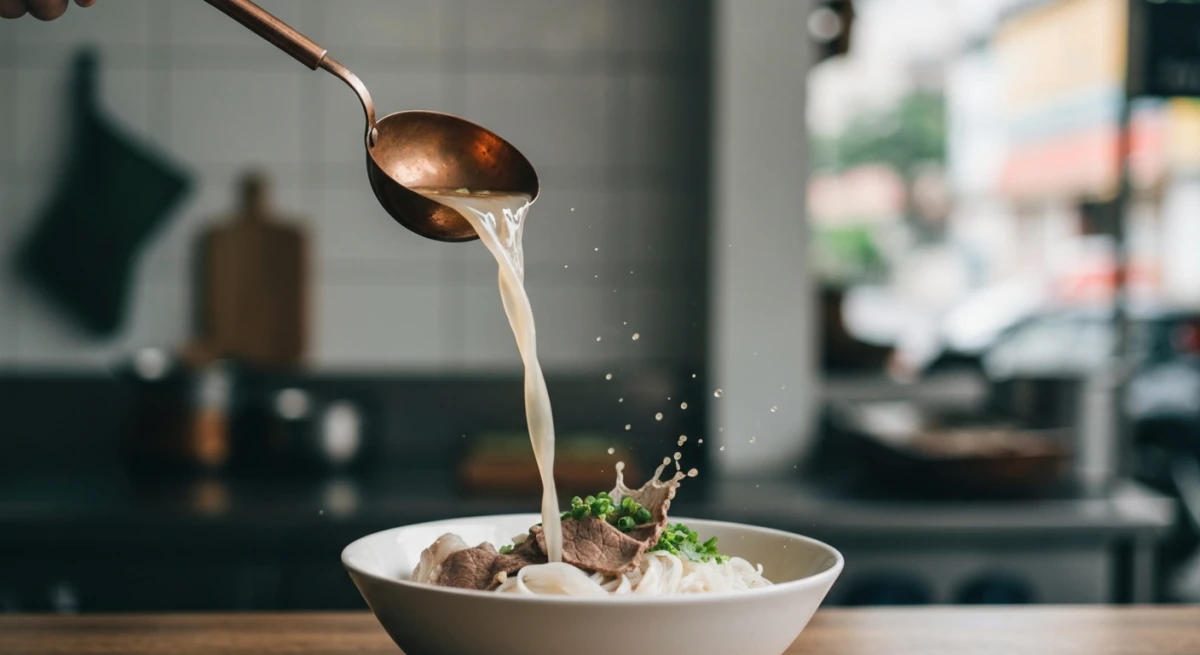
While Pho originated in the North, the Southern variation—dominant across Saigon's food landscape—is a highly expressive and generous dish. Northern Pho (Pho Bac) focuses on minimalist elegance with a clear, delicate broth. In contrast, Southern Pho (Pho Nam) is a maximalist celebration. The broth is sweeter, deeper in color, and intensely spiced, simmered for up to 24 hours with beef marrow bones, charred ginger, yellow onions, star anise, cinnamon, cloves, black cardamom, and coriander seeds.
The true magic of Southern Pho lies in the table-side customization. Every bowl is served alongside a veritable forest of fresh herbs, including Thai basil (hung que), sawtooth herb (ngo gai), rice paddy herb (ngo om), and mint. Diners tear these herbs by hand into the steaming broth, adding fresh lime juice, slices of fiery bird's eye chili, and generous squirts of hoisin sauce and sriracha-style chili sauce.
- Phở Lệ (303-305 Vo Van Tan, District 3): Operating for decades, this legendary institution serves what is widely considered the richest, most fragrant beef broth in Saigon. Try the 'Pho Tai Nam' (rare beef and tender flank).
- Phở Phượng (25 Hoang Sa, District 1): Situated along the scenic canal, this spot is celebrated for its deep broth, generous portions, and incredibly tender beef brisket.
2. Banh Mi (The Ultimate Street Sandwich)
The Banh Mi is a brilliant monument to culinary fusion—blending French colonial ingredients with bold Vietnamese flavors. The foundation is a light, airy baguette made from a blend of wheat and rice flour. This produces a crust that is golden and paper-thin, shattering delightfully with every bite, while the interior remains incredibly fluffy.
A classic Saigon Banh Mi is an exceptional study in contrasting textures. The baguette is sliced open and spread with a decadent layer of rich pork liver pate, followed by a generous smear of homemade egg-yolk mayonnaise. It is then layered with savory cold cuts, including Vietnamese pork roll (cha lua), cured ham, and chewy headcheese. To balance the rich meats, it is stuffed with crisp pickled carrots and daikon, a long spear of cucumber, fresh cilantro, and slices of hot raw chili, all finished with a splash of seasoned soy sauce.
- Bánh Mì Huỳnh Hoa (26 Le Thi Rieng, District 1): The undisputed heavyweight of Saigon’s sandwich scene. It is packed so densely with layers of premium cold cuts and rich pate that a single sandwich can easily feed two.
- Bánh Mì Hồng Hoa (17 Nguyen Van Trang, District 1): For a lighter, more classic morning breakfast, Hong Hoa bakes their baguettes fresh throughout the day, offering a wonderfully balanced and incredibly crispy experience.
3. Com Tam (Broken Rice)
If one dish represents the industrious soul of Ho Chi Minh City, it is Com Tam. Historically, 'broken rice' consisted of fractured grains that broke during the milling process, which were difficult to sell and kept by farmers for their own meals. Over time, creative street vendors turned these unwanted grains into one of the city's most beloved daily staples.
A plate of Com Tam Suon Bi Cha features a beautiful arrangement of elements: the dry, fluffy broken rice that absorbs sauces perfectly; 'suon nuong' (a tender pork chop marinated in lemongrass, garlic, shallots, honey, and fish sauce, grilled over open charcoal); 'bi' (shredded pork skin tossed in nutty toasted rice powder); and 'cha trung' (a savory steamed egg meatloaf with minced pork, wood-ear mushrooms, and glass noodles). The entire plate is drizzled with scallion oil (mo hanh) and served with a sweet, garlicky chili fish sauce.
- Cơm Tấm Ba Ghiền (84 Dang Van Ngu, Phu Nhuan District): Awarded a Michelin Bib Gourmand, this iconic eatery is famous for its colossal, deeply caramelized pork chops that completely cover the plate of rice.
Deep-Dive into Saigon's Street Food Gems
Beyond the global icons, Saigon's food scene is defined by a massive repertoire of regional street foods that locals eat on a daily basis.
Banh Xeo and Banh Khot (Sizzling Crepes and Savory Mini-Pancakes)
Banh Xeo translates to 'sizzling cake,' referring to the loud hiss the rice batter makes when poured onto a searing hot pan. The batter is made of rice flour, water, coconut milk, and turmeric powder, giving the crepe its bright golden color. It is filled with pork belly, small shrimp, mung beans, and fresh bean sprouts. To eat it, tear off a piece, wrap it in a large mustard green or lettuce leaf along with fresh mint and Thai basil, roll it up, and dip it in sweet-and-sour fish sauce.
For a bite-sized variation, try Banh Khot. These are miniature, circular pancakes cooked in specialized cast-iron molds, crispy on the outside, creamy on the inside, and topped with a plump shrimp, green scallion oil, and savory dried shrimp powder.
- Bếp Mẹ Ỉn (136/9 Le Thanh Ton, District 1): Located near Ben Thanh Market, this cozy, Michelin-approved spot serves exceptionally crispy Banh Xeo in a vibrant setting.
- Bánh Khọt Cô Ba Vũng Tàu (102 Cao Thang, District 3): Celebrated for serving some of the most authentic Banh Khot in the city, using traditional coastal recipes.
Hu Tieu Nam Vang (Phnom Penh Noodle Soup)
Hu Tieu Nam Vang is a stunning testament to Saigon's multicultural tapestry. Originally a Cambodian dish of Chinese origin, it was adopted and refined by Southern Vietnamese cooks. It features chewy, translucent tapioca noodles served either wet (submerged in a rich pork-bone broth) or dry (tossed in a dark, sweet-savory soy-based sauce with broth served on the side). Toppings are incredibly lavish: minced pork, sliced pork heart and liver, quail eggs, whole peeled shrimp, and crispy fried garlic.
- Hủ Tiếu Nhân Quán (122D Nguyen Trai, District 1): A popular local spot open late, renowned for its deeply flavorful broth and exceptionally fresh ingredients.
Bo La Lot (Beef Wrapped in Wild Betel Leaves)
If you smell an incredibly savory, smoky, and herbal aroma wafting through the street air in the late afternoon, you are near a Bo La Lot stall. Minced beef is seasoned with spices, garlic, and lemongrass, wrapped tightly in wild betel leaves (la lot), and grilled over charcoal. As the leaves char, they release a unique, deeply savory aroma that infuses the beef. They are served with thin rice vermicelli sheets, rice paper, wild herbs, green bananas, and a pungent pineapple-anchovy dipping sauce (mam nem).
- Bò Lá Lốt Thanh Vy (267 Minh Phung, District 11): A long-running local favorite that has been grilling up perfect, smoky beef rolls for decades at budget-friendly prices.
The Cultural Phenomenon of Eating Snails (An Oc)
You cannot truly claim to have experienced hcm food without participating in a local snail feast. In Ho Chi Minh City, 'di an oc' (going out to eat snails) is not just a meal; it is a vital social ritual. It is the core of 'nhau'—the Vietnamese culture of gathering with friends to drink cold beers, socialize, and share small, intensely flavorful dishes late into the night.
Local snail stalls (quan oc) offer a dizzying array of fresh shellfish, clams, and sea snails sourced daily from coastal areas. Popular preparations include:
Xao Me (Tamarind Stir-Fry): A sticky, sweet, and sour sauce that perfectly coats sweet snails (oc huong) or mud creepers (oc len). Always order a crusty banh mi to dip in the leftover sauce.
Nuong Mo Hanh (Grilled with Scallion Oil and Peanuts): Scallops (so diep) or blood cockles (so long) are grilled over hot coals on their shells, topped with fragrant scallion oil and crushed roasted peanuts.
Rang Muoi Ot (Sautéed in Chili Salt): Snails are tossed in a hot wok with spicy chili, salt, and garlic, creating a highly addictive, fiery crust on the shells.
Vĩnh Khánh Street (District 4): This is the undisputed epicenter of Saigon's snail culture. As evening falls, the entire street transforms into an open-air seafood spectacular. Look for Ốc Oanh (534 Vinh Khanh), legendary for its bold seasonings and lively atmosphere.
Ốc Đào (212B/C79 Nguyen Trai, District 1): Hidden down a quiet residential alleyway, this popular spot offers fantastic quality and variety in a slightly calmer environment.
A District-by-District Culinary Safari
To conquer Saigon’s food scene, you must understand its geography. Each of the city’s districts boasts its own distinct culinary personality.
District 1: The Gourmet Showcase
District 1 is the heart of the city, where historic French colonial landmarks meet gleaming modern towers. It offers the most diverse culinary landscape, home to historic street stalls operating alongside cutting-edge modern dining establishments. For a sophisticated take, establishments like NÚC Kitchen & Bar offer a refined European-Vietnamese dining experience.
District 3: Shady Alleys and Hidden Markets
District 3 features quieter, tree-lined streets and historic mid-century apartment complexes. Its narrow alleyways are goldmines for local street snacks like 'Banh Trang Tron' (rice paper salad) and 'Bun Dau Mam Tom' (vermicelli with fried tofu and fermented shrimp paste). The historic Nguyen Thien Thuat Apartment Buildings are an absolute must-visit for street food explorers.
District 4: The Vibrant Street Food Hub
Historically a gritty port area, District 4 has evolved into a legendary destination for street food lovers. It is a highly dense, energetic district where the sidewalks are packed with food carts. It is the best place to sample Pha Lau (a rich, spiced coconut-milk curry stew of beef offal served with crusty bread) and fresh seafood.
District 10: Night Markets and Student Eats
District 10 is a bustling student hub, meaning the food here is fast, creative, and incredibly cheap. It is home to the famous Ho Thi Ky Flower Market. By day, it is a colorful wholesale flower market; by night, its alleys transform into a dense street food market featuring over a hundred different food stalls.
Quenching Your Thirst: Saigon's Legendary Drink Culture
The tropical heat of Ho Chi Minh City means that its beverage culture is just as refined and essential as its solid foods.
Ca Phe Sua Da (Saigon Iced Coffee)
Saigon runs on Ca Phe Sua Da. This iconic drink is made using dark-roasted Robusta beans, brewed slowly through a metal drip filter (phin) directly onto a thick layer of sweet condensed milk. Once stirred and poured over crushed ice, it is incredibly strong, sweet, and intensely refreshing. For a historic brew, visit Cà Phê Vợt Ba Lù (Cho Phung Hung, District 5) in Chinatown, where they still roast their own beans and brew coffee using a traditional fabric filter over a clay stove.
Che (Sweet Dessert Soups)
To satisfy your sweet tooth, seek out a local Che stall. Che is a generic term for sweet, layered dessert soups, puddings, and drinks. They typically feature sweet coconut milk, shaved ice, and ingredients like mung beans, grass jelly, tapioca pearls, and fresh tropical fruits like jackfruit and longan.
Pro Tips for Dining Safely in Ho Chi Minh City
- Follow the Crowds: The gold standard of street food safety is high turnover. If a stall is packed with locals, the ingredients are guaranteed to be fresh and the hygiene trusted.
- Look for Bubbling Broths: Stick to foods that are cooked hot right in front of you. Boiling hot noodle soups, freshly grilled meats, and sizzling crepes are incredibly safe.
- Always Carry Cash: While high-end restaurants in Ho Chi Minh City accept credit cards, virtually all street food stalls and market vendors only accept cash (Vietnamese Dong). Keep small bills handy.
Frequently Asked Questions About HCM Food
Is street food in Ho Chi Minh City safe to eat?
Yes, street food in Saigon is generally very safe. To minimize risk, choose busy stalls with high customer turnover, ensure your food is served piping hot, and stick to drinks served with manufactured tube ice (which is made from purified water) rather than large blocks of crushed ice.
How much does a meal cost in Ho Chi Minh City?
Street food in Saigon is exceptionally affordable. A hearty bowl of Pho or a plate of Com Tam at a local stall typically costs between 40,000 and 70,000 VND ($1.60 to $2.80 USD). A freshly made Banh Mi costs around 20,000 to 50,000 VND ($0.80 to $2.00 USD).
Are there vegetarian options available in Ho Chi Minh City?
Absolutely! Vietnam has a rich Buddhist tradition, meaning vegetarian food—known as An Chay—is highly popular. Look for signs that say "Quan Chay" or "Com Chay." These spots serve excellent vegetarian versions of classic noodle soups, banh mi, and broken rice using tofu, mushrooms, and masterfully prepared mock meats.
What is the main difference between food in Saigon and Hanoi?
Northern Vietnamese cuisine (Hanoi) is more subtle, savory, and balanced, relying heavily on black pepper rather than chili for heat. Southern cuisine (Ho Chi Minh City) is bolder, sweeter, and more tropical, incorporating generous amounts of sugar, fresh herbs, coconut milk, and fiery bird's eye chilies.
Conclusion
Ho Chi Minh City is a place that truly lives to eat. From the crack of dawn when the first banh mi carts toast their bread, to the early hours of the morning when the last snail shells are cleared in District 4, food is the lifeblood of this beautiful metropolis. Conquering the hcm food scene requires a sense of adventure and an open mind, but once you take that first bite, you will realize that Saigon’s street food is an unforgettable culinary journey that will linger in your memory forever.