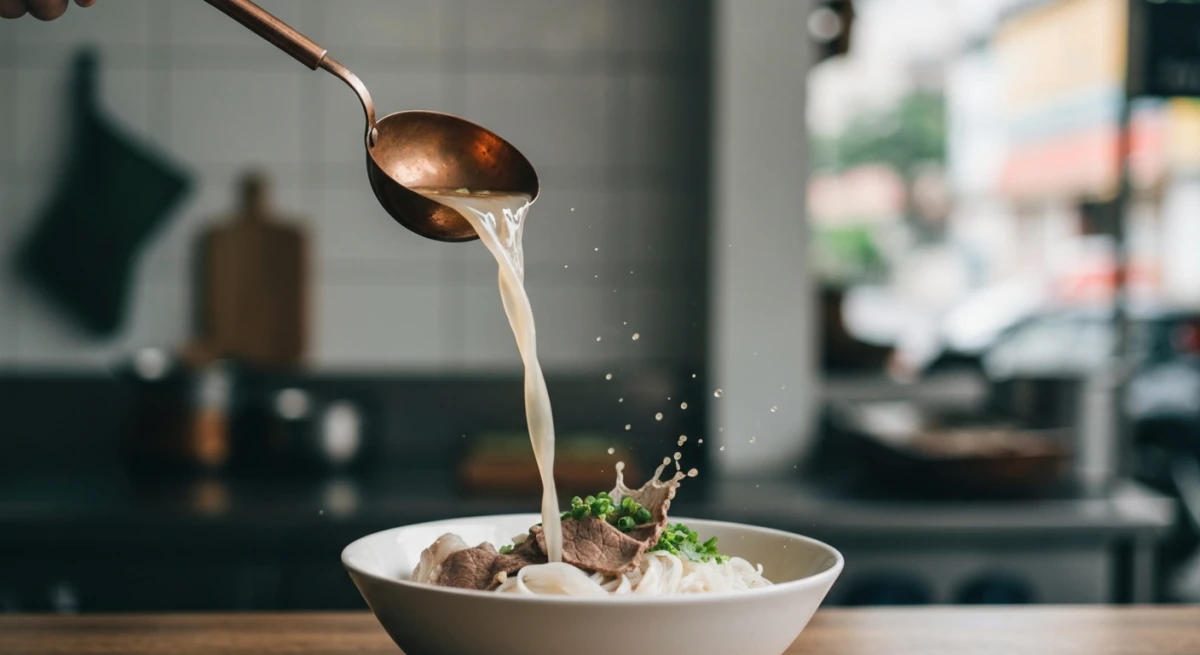
To truly understand the Vietnamese capital, you must squeeze onto a tiny plastic stool on a bustling sidewalk and slurp a piping-hot bowl of noodles. The culinary culture of Hanoi—known globally as "ha noi food"—is a delicious symphony of sweet, sour, salty, and savory notes. It blends historic Chinese and French influences with hyper-local agricultural traditions. In this definitive guide, we go past the tourist traps to reveal authentic street stalls, Michelin Bib Gourmand secrets, and hidden local favorites that define this legendary gastronomic city.
The Soul of Ha Noi Food: Historic Classics and Street Legends
No exploration of ha noi food can begin anywhere else but with Phở (Pho). While Pho has become a global ambassador for Vietnamese cuisine, the version you find in the alleys of Hanoi is uniquely distinct from its southern counterpart. Southern Pho is characterized by a sweeter broth, heavy use of hoisin and sriracha sauces, and a forest of raw herbs and bean sprouts. In contrast, Northern Pho (Phở Bắc) is an exercise in minimalist perfection. The broth is clear, clean, and delicately spiced with charred ginger, shallots, star anise, cinnamon, and black cardamom. The focus remains entirely on the purity of the beef or chicken essence and the silky texture of the freshly made flat rice noodles.
To experience beef Pho (Phở Bò) in its purest form, make your way to Phở Gia Truyền Bát Đàn (49 Bát Đàn Street). Here, the wood-fired broth simmered for over twelve hours creates a deeply comforting base for tender cuts of rare beef (tái) and slow-cooked brisket (chín). For a chicken-based alternative, Phở Gà Nguyệt (5 Phủ Doãn Street) has earned a prestigious Michelin Bib Gourmand distinction. Their dry chicken Pho (Phở Gà Trộn)—where shredded chicken, fresh herbs, crispy fried shallots, and peanuts are tossed in a savory, slightly sweet soy-based dressing with a side bowl of aromatic broth—is absolute culinary poetry.
Another heavy hitter in the pantheon of ha noi food is Bún Chả (Bun Cha). This dish captures the smoky, sweet, and savory essence of Hanoi's lunchtime rush. As mid-morning turns to noon, charcoal grills are set up on the sidewalks, filling the air with the intoxicating scent of grilling pork. Bun Cha consists of seasoned pork patties and strips of pork belly grilled over hot coals until caramelized and charred. These are submerged in a warm, diluted fish sauce dipping bowl that balances sweet, sour, salty, and spicy notes, accompanied by green papaya slices. You are served a plate of cold vermicelli noodles (bún) and a mountain of fresh herbs, including perilla, mint, and Vietnamese coriander.
While many travelers flock to Bún Chả Hương Liên (made famous by the late Anthony Bourdain and President Barack Obama), locals often head to Bun Cha Ta (21 Nguyễn Hữu Huân Street) or the unassuming Bún Chả Bình Minh (Nem Cua Bể) for a more balanced dipping sauce and incredibly crispy crab spring rolls (nem cua bể) wrapped in ultra-thin rice paper.
To round out the classic noodle soup trifecta, seek out Bún Riêu Cua (Bun Rieu). This rustic, fresh-water crab noodle soup features a tangy tomato-infused broth soured with tamarind or giấm bỗng (rice vinegar yeast). The broth is topped with pillowy clouds of fresh crab paste, fried tofu cubes, and tender beef slices. It is a complex, deeply satisfying bowl that highlights the ingenuity of Vietnam's agricultural heartland.
Beyond Noodles: Hanoi Specialties You Can't Miss
Hanoi's culinary repertoire extends far beyond the noodle bowl. One of the city's most theatrical dining experiences is Chả Cá (Cha Ca). Historically associated with the famous Lã Vọng street, Cha Ca features firm chunks of freshwater fish (traditionally catfish) marinated in a vibrant mixture of turmeric, galangal, garlic, and fermented rice.
The magic happens at your table, where a server sets up a small gas burner and a sizzling pan. The marinated fish is fried in front of you along with mountains of fresh dill and green spring onions. Once the herbs wilt, you assemble your bowl: a bed of cold rice vermicelli, a piece of sizzling turmeric fish, caramelized dill, a handful of roasted peanuts, and a generous drizzle of mắm tôm (a highly pungent, fermented shrimp paste whipped with lime juice, sugar, and chili until frothy). If the pungent shrimp paste is too intimidating, you can opt for light fish sauce, but purists argue that mắm tôm is the soul of the dish. For an unparalleled execution of this dish, skip the overcrowded tourist spots and reserve a table at Chả Cá Thăng Long (21-31 Đường Thành Street), another local favorite honored with a Michelin Bib Gourmand.
Next, explore the delicate art of Bánh Cuốn (Banh Cuon). These are gossamer-thin steamed rice rolls. Watch the cook ladle a thin spoonful of fermented rice batter onto a piece of tightly stretched white cloth over a giant pot of boiling water. In seconds, the batter steam-cooks into a translucent sheet, which is carefully lifted with a bamboo stick, filled with minced pork and wood-ear mushrooms, and rolled up. Topped with crispy, golden-fried shallots, Banh Cuon is dipped into a warm, sweetened fish sauce. For an iconic plate, visit Bánh Cuốn Bà Hoành (66 Tô Hiến Thành Street), where the rice sheets are exceptionally smooth and served with flavorful Vietnamese grilled pork sausage (chả quế).
If you find yourself near the scenic West Lake (Hồ Tây), you cannot miss Bánh Tôm (West Lake Shrimp Cakes). These are crispy, deep-fried sweet potato fritters topped with fresh, whole freshwater prawns. Wrapped in lettuce leaves with fresh herbs and dipped in a sweet-and-sour papaya sauce, it is the ultimate afternoon snack. Nhà hàng Thanh Tâm near Phủ Tây Hồ is a legendary institution that serves these golden-brown delicacies fresh from the fryer.
For an ingenious modern twist on traditional ingredients, seek out Phở Cuốn (Pho Rolls). Invented at Phở Cuốn Chinh Thắng near Truc Bach Lake, this dish came about when a vendor ran out of Pho broth but had plenty of uncut noodle sheets. She wrapped stir-fried beef, lettuce, and cilantro inside the flat, raw noodle sheets, creating a fresh, summer-roll style snack. It is light, refreshing, and incredibly addictive, especially when paired with their crispy fried puffed pho cubes (Phở Chiên Phồng) topped with saucy beef gravy.
Liquid Gold: Egg Coffee, Bia Hoi, and the Drink Culture
No trip to Vietnam is complete without diving headfirst into its intense caffeine culture, and Hanoi has a legendary brew that you will find nowhere else: Cà Phê Trứng (Egg Coffee). Often described by travelers as "liquid tiramisu," egg coffee is a decadent dessert and caffeinated pick-me-up rolled into one.
The drink’s origin story is a testament to Hanoian resilience. In 1946, during the First Indochina War, fresh milk was exceedingly scarce in the blockaded city. A creative bartender at the historic Sofitel Legend Metropole Hanoi, Nguyen Van Giang, decided to whisk egg yolks with condensed milk and sugar to create a rich, frothy substitute for milk foam. He poured this velvety, custard-like mixture over a shot of intense, hot Vietnamese Robusta coffee.
To drink egg coffee properly, you should head to the original Café Giảng (hidden down a narrow alleyway at 39 Nguyễn Hữu Huân Street) or Café Đinh (located up a rustic staircase overlooking Hoan Kiem Lake). Grab a tiny spoon, scoop up the thick, warm custard top layer to savor its sweet, vanilla-like flavor, and then stir the remaining foam into the dark, bitter coffee underneath. It is a rich, satisfying contrast that perfectly captures the creative spirit of the city.
On the opposite end of the beverage spectrum lies Hanoi's beloved Bia Hơi (Fresh Beer) culture. Bia Hoi is a light, unpasteurized draft beer brewed daily and delivered in stainless steel kegs to street corners across the city. With an alcohol content of around 3% to 4% and costing pennies per glass, Bia Hoi is a social ritual.
While the chaotic intersection of Ta Hien Street in the Old Quarter is famous for tourist revelry, a more authentic experience can be found in the residential neighborhoods around Truc Bach Lake. Sit on a low plastic stool, order a cold glass of fresh beer, and pair it with simple, classic drinking snacks like Đậu Rán (crispy fried tofu dipped in salt, lime, and chili) or Nem Phùng (fermented pork hash wrapped in banana leaves). It is the ultimate way to cool down after a long day of navigating the sensory overload of Hanoi's streets.
The Perfect 24-Hour Ha Noi Food Itinerary
To help you maximize your culinary adventure, we have curated a seamless, highly actionable 24-hour food itinerary designed to showcase the absolute best of ha noi food from sunrise to late night.
6:30 AM — The Early Morning Comfort: Cháo Sườn Sụn
Wake up early to catch Hanoi at its quietest and most atmospheric. Head toward the bustling alleys near Dong Xuan Market to find a vendor serving Cháo Sườn Sụn (pork cartilage porridge). Unlike whole-grain rice congee found elsewhere, Hanoi-style porridge is made from finely ground rice flour cooked in a rich, slow-simmered pork bone broth. This gives it an incredibly silky, smooth, almost soup-like texture. It is loaded with tender chunks of pork rib cartilage, topped with crispy, airy fried dough sticks (quẩy), and finished with a dusting of pork floss (ruốc), black pepper, and chili powder.
8:30 AM — Caffeine and Custard: Café Giảng
With your stomach lined, wander through the historic Old Quarter as the iron shop shutters begin to clank open. Make your way to Café Giảng on Nguyễn Hữu Huân Street. Navigate the narrow hallway that opens into a charming, multi-level courtyard filled with plants and low wooden stools. Order a classic hot Egg Coffee (Cà Phê Trứng Nóng). It is kept warm in a small bowl of hot water to prevent the egg from curdling, ensuring every sip is velvety smooth.
12:30 PM — The Lunchtime Charcoal Smoke: Bun Cha Ta
As lunchtime approaches, follow the smell of sweet charcoal smoke drifting through the streets. Head to Bun Cha Ta (21 Nguyễn Hữu Huân) to beat the peak rush. Order a classic portion of Bun Cha along with their signature crab spring rolls. Plunge your noodles and fresh herbs into the warm, savory-sweet dipping broth, grab a charred pork patty, and let the flavors meld. Do not forget to add a spoonful of minced garlic and red chili to the broth for that extra kick.
3:30 PM — Afternoon Lake Stroll & Prawn Fritters: Bánh Tôm Thanh Tâm
Hire a cyclo or take a short ride-share to the peaceful shores of West Lake (Hồ Tây). Take a leisurely walk around the water before stopping at Nhà hàng Thanh Tâm near Phủ Tây Hồ. Order a plate of crispy Bánh Tôm (sweet potato and prawn cakes). The crunch of the golden sweet potato matchsticks combined with the fresh, sweet prawn is the perfect afternoon pick-me-up. Pair it with a cold, fresh coconut directly from the shell.
7:00 PM — The Dinner Celebration: Chả Cá Thăng Long
As dusk falls and the city lights up, head to Chả Cá Thăng Long on Đường Thành Street for a legendary dinner. Watch your server pan-fry the golden, turmeric-marinated catfish chunks alongside heaps of fragrant dill and scallions. Assemble your bowl with rice noodles, peanuts, and a splash of whipped shrimp paste. It is a rich, celebratory meal that highlights the historic complexity of Hanoi's culinary heritage.
9:30 PM — A Sweet Midnight Cap: Xôi Chè Bà Thìn
End your day of eating back in the Old Quarter with a visit to Xôi Chè Bà Thìn (1 Bát Đàn Street), a historic dessert stall that has been operating for over half a century. Try their Chè Thập Cẩm, a traditional cold sweet soup layered with colorful beans, jelly, tapioca pearls, and rich coconut milk. For a nostalgic local favorite, order the Xôi Chè, which features warm, sweet mung bean paste poured over chewy, steamed sticky rice. It is a beautiful, comforting end to an epic gastronomic journey.
The Street Food Survival Guide: Etiquette, Hygiene, and Hacks
Eating on the streets of Hanoi can be intimidating for first-time visitors. To ensure you have the best possible experience while keeping your stomach happy, keep these essential survival tips in mind:
The "Busy Stool" Rule of Hygiene
When choosing where to eat, ignore modern storefront design and look for the crowd. A street food stall packed to the brim with multi-generational locals is the ultimate green flag. High customer turnover means the ingredients are exceptionally fresh and do not sit around in the humid air. Furthermore, because street food cooks usually specialize in only one or two dishes, they have spent decades perfecting their craft.
Overcoming the Stool Intimidation
Yes, the plastic chairs are incredibly low to the ground. Yes, you will feel like a giant in a dollhouse. But do not let this deter you! Sitting low to the ground is an integral part of the social fabric of Hanoi street food. Embrace the experience. Keep your bags secure, watch your step, and do not be afraid to brush shoulders with the locals eating next to you.
Navigating Dietary Restrictions: Vegetarian & Vegan Secrets
Historically, traditional ha noi food relies heavily on fish sauce and pork-based broths, making it challenging for vegetarians. However, because of Vietnam's deep Buddhist roots, there is a thriving temple food culture.
Look out for the word "Chay" (pronounced like 'try' with a 'ch'). A sign that reads "Quán Chay" or "Cơm Chay" indicates a fully vegetarian or vegan establishment. For an elevated, Michelin-starred take on traditional Northern Vietnamese homestyle cooking, book a table at Tầm Vị (4B Yên Thế Street). While they serve meat, their vegetarian options—like clay-pot braised tofu, fresh morning glory sauteed with garlic, and traditional sour starfruit soup—are prepared with absolute reverence and fresh ingredients.
Street Etiquette and Payment Tips
Unlike tourist markets, street food stalls in Hanoi have fixed prices, and haggling is highly inappropriate. Look for menus posted on the walls (often listing prices in thousands of Dong, e.g., '40k' means 40,000 VND).
Always carry cash. Street vendors do not accept credit cards. Keep small-denomination bills (10,000, 20,000, and 50,000 VND) easily accessible so you do not have to flash large 500,000 VND bills for a cheap 30,000 VND bowl of noodles. Lastly, when you are finished eating, it is customary to leave your used tissues on the floor beneath your table—vendors sweep up the floor continuously throughout the day.
Frequently Asked Questions About Ha Noi Food
Is street food in Hanoi safe to eat?
Yes, Hanoi street food is generally very safe to eat. To avoid stomach issues, prioritize stalls with high customer turnover, ensure hot dishes (like soups) are served piping hot, and stick to drinking bottled water or ice from established venues.
What is the difference between Hanoi food and Ho Chi Minh City food?
Hanoi food focuses on subtle, delicate, and clean flavors, highlighting the natural taste of ingredients with minimal sugar. Southern Vietnamese food (Ho Chi Minh City) is much bolder, sweeter, uses more chili, coconut milk, and incorporates a wider variety of fresh herbs and raw vegetables.
Where can I find the absolute best Egg Coffee in Hanoi?
The absolute best, authentic egg coffee can be found at Café Giảng (the birthplace of the drink) and Café Đinh (run by the daughter of Café Giảng's founder, offering a slightly stronger coffee flavor and stunning lake views).
How much does a typical street food meal cost in Hanoi?
Street food in Hanoi is incredibly affordable. A generous bowl of Pho or Bun Cha typically costs between 40,000 VND and 70,000 VND (approximately $1.60 to $2.80 USD). A glass of Bia Hoi costs around 10,000 to 15,000 VND ($0.40 to $0.60 USD).
Are there gluten-free street food options in Hanoi?
Yes. Many traditional dishes, such as Pho (made with rice noodles), Bánh Cuốn (steamed rice rolls), and Phở Cuốn, are naturally gluten-free. However, be cautious of soy sauce usage and crispy fried items that may use wheat-based batters. Always double-check with the vendor if you have a severe allergy.
Savoring the Culinary Magic of Hanoi
To eat in Hanoi is to experience a living history book. Every bowl of steaming Pho, every caramelized piece of grilled pork, and every velvety sip of egg coffee tells a story of adaptation, survival, and culinary passion. By stepping out of your comfort zone, pulling up a plastic stool, and diving headfirst into the chaotic street food alleys, you will discover that the true heart of this ancient city lies not in its monuments, but on its plates. Pack your appetite, leave your expectations behind, and prepare to fall in love with the unforgettable world of ha noi food.